


I’ve spent time rearranging beds in my small backyard and it always comes down to how the paths connect one area to the next.
When the flow feels off it is usually because the layout forces awkward turns or leaves dead space along the edges.
Good organization matters most.
Over time certain shifts like adding a gentle curve or aligning plant heights with walking routes have helped my garden feel less cramped and more practical to use every day.
A couple of these patterns are ones I would test first if I were reshaping my own borders this season.
Stepping Stones Create Clear Flow In Narrow Gardens
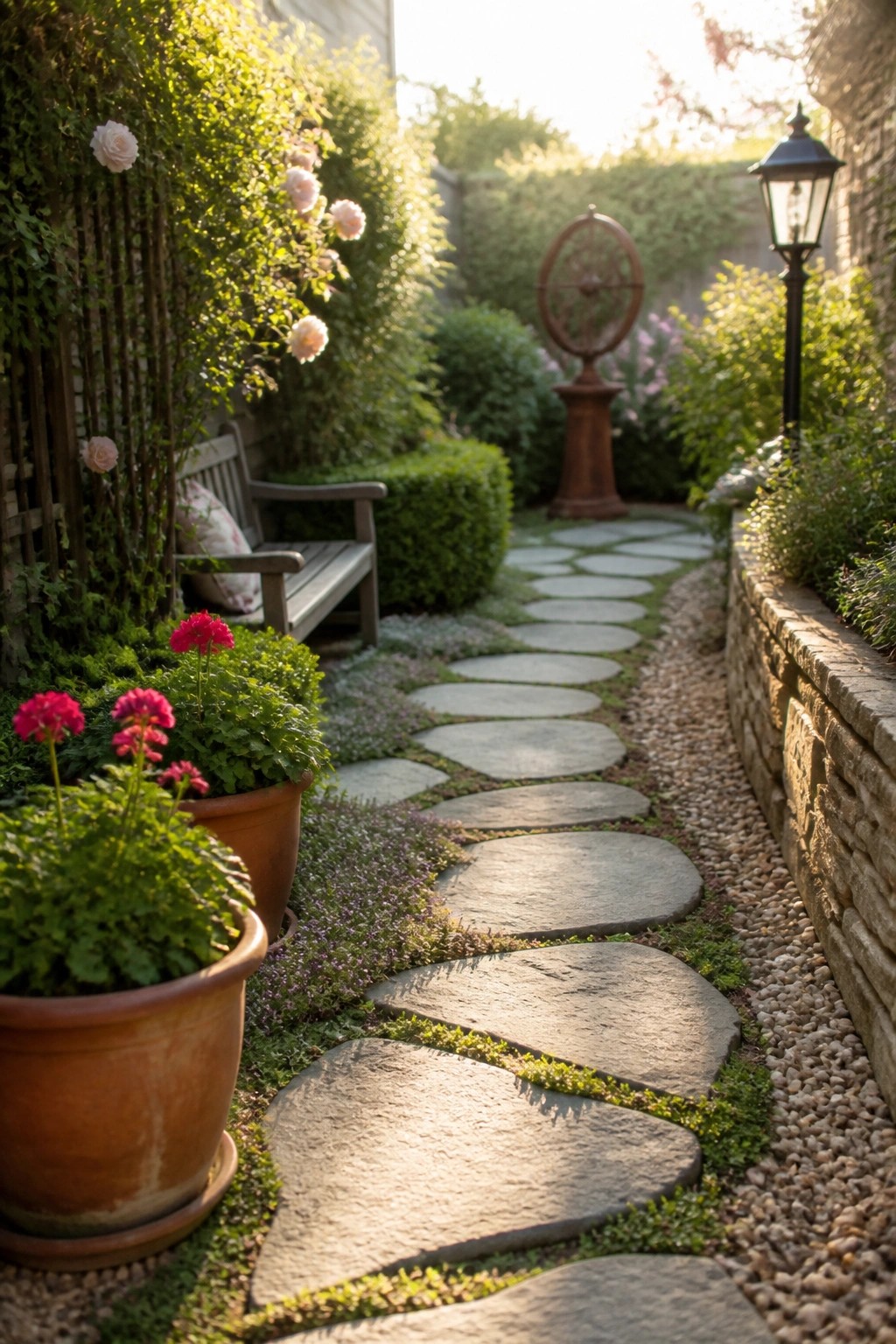
A path of stepping stones helps organize movement through a small garden by giving people a simple route without taking up much room. The irregular shapes keep the layout from feeling rigid while still directing foot traffic past the beds and seating areas.
This works best in side yards or tight back gardens where a solid walkway would crowd the planting. Set the stones in gravel and let low ground cover fill the gaps so the path blends into the garden instead of cutting through it.
Stepping Stone Paths In Narrow Gardens

A row of large rectangular stones set into gravel gives a clear walking line that keeps a small garden from feeling scattered. The path pulls the eye forward and makes the space easier to move through without needing a solid surface that would crowd the area.
This works best in long slim spaces where you want structure but still room for planting on the sides. Use stones that are big enough to step on comfortably and keep the gravel light so the path stays visible.
Create A Central Gravel Circle To Guide Paths
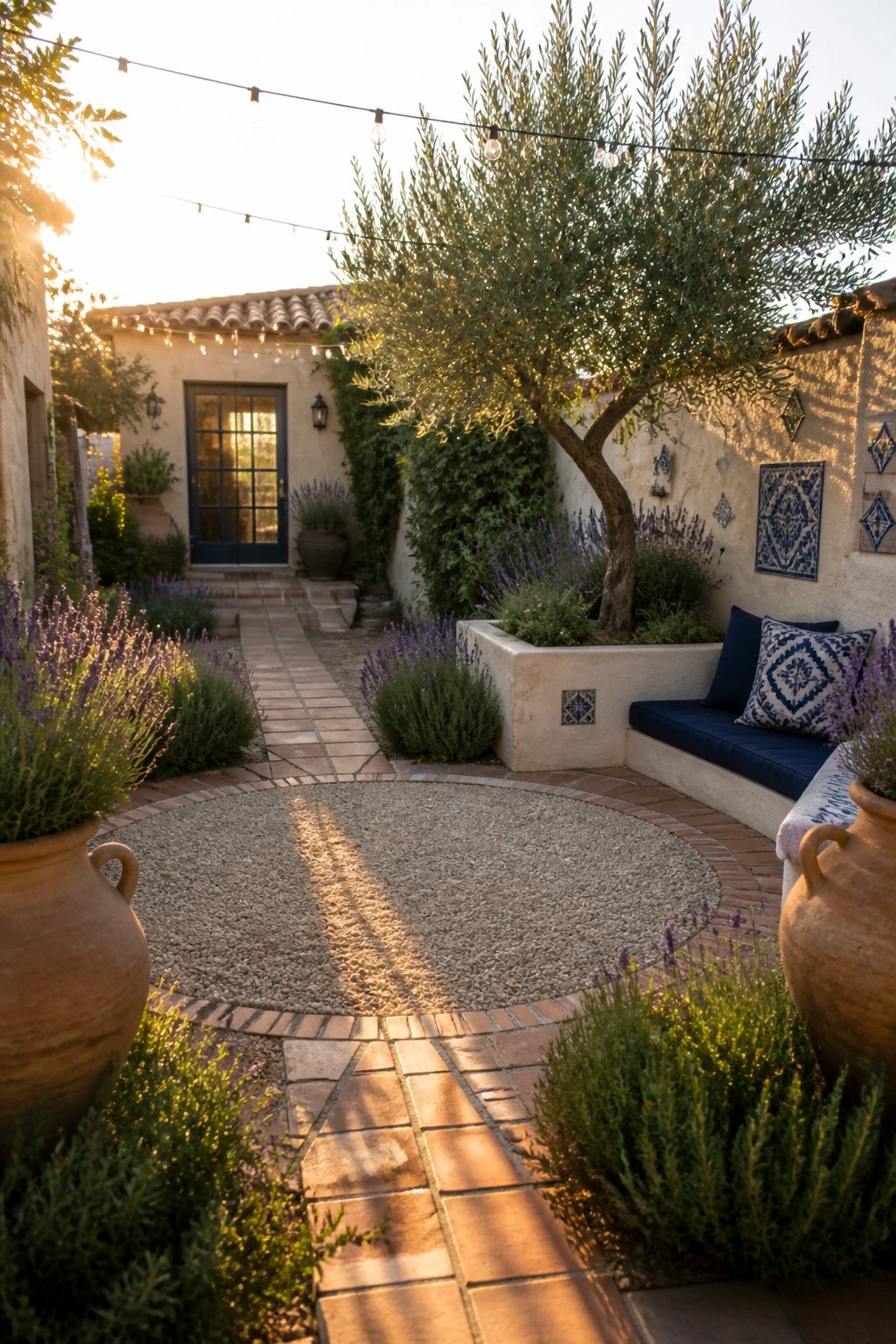
A circular gravel area gives small gardens a natural spot where paths can meet without crowding the space. It turns scattered walkways into a simple loop that feels easy to move through and keeps planting beds from looking scattered.
This layout works especially well in compact courtyards or side gardens where you need one clear gathering point. Keep the circle modest in size, edge it with brick or stone for definition, and let paths lead in from two or three directions so the whole garden stays connected.
Create A Central Grass Path For Easy Flow

A central grass path gives a small garden a clear sense of direction. It pulls the eye forward and makes the space feel longer and more organized without needing lots of extra features. The gravel edges on either side help keep the lawn tidy and give a simple contrast that still feels natural.
This layout works best in narrow or rectangular gardens where you want steady movement toward a focal point like a gate or seating area. Keep the grass wide enough for comfortable walking and use low hedges or gravel to hold the shape over time.
Curving Paths Create Better Flow in Small Gardens
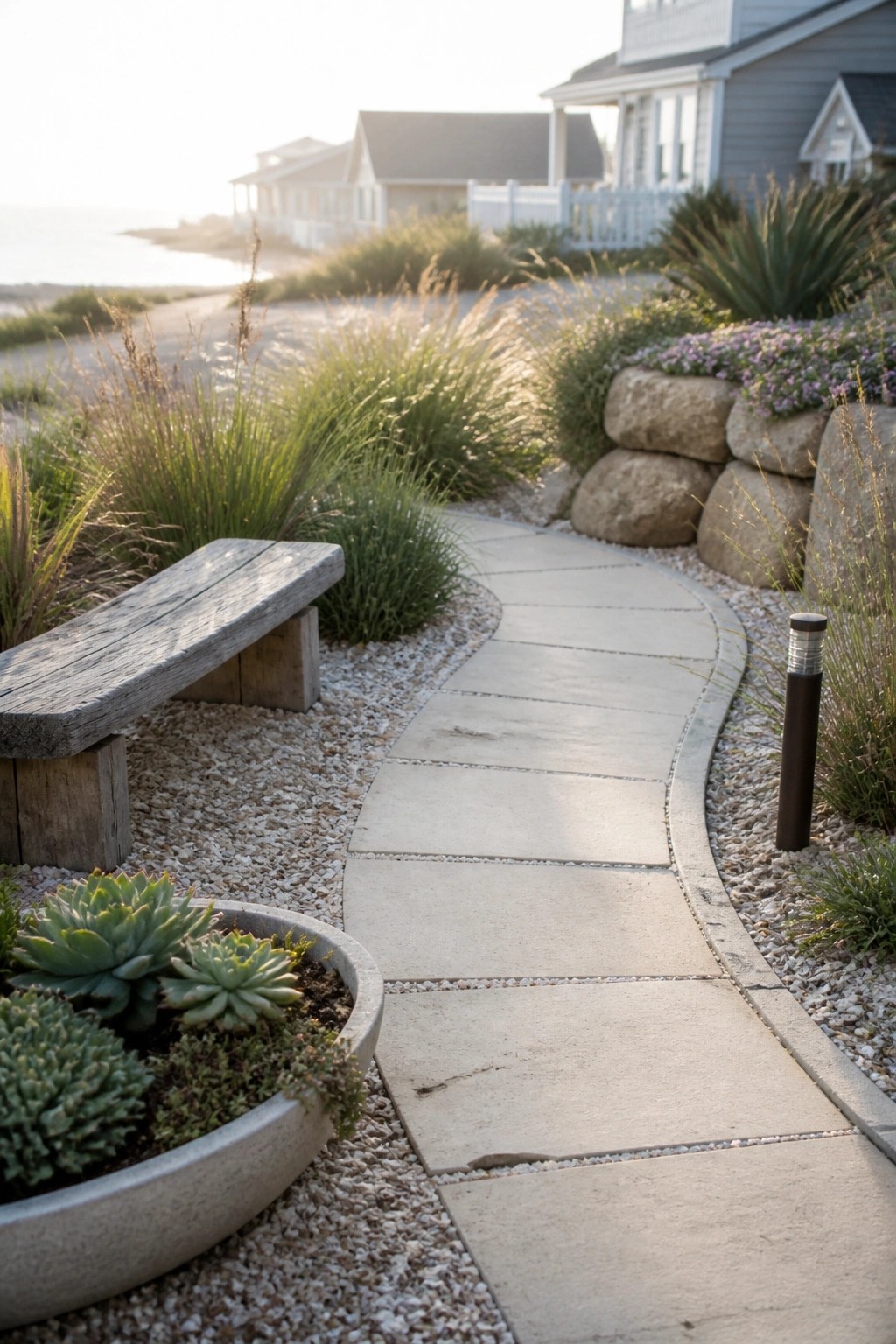
A curving path is one of the simplest ways to make a small garden feel less cramped. The bend keeps the eye moving and stops the space from feeling like a straight shot from one end to the other.
This approach works well along the side of a house or in a narrow yard where you need to connect different areas without making the layout feel tight. Keep the path a steady width and let gravel or low plants soften the edges so the curve looks natural.
Use Raised Beds to Frame a Central Path

A straight central path lined with raised beds keeps a small garden feeling organized and easy to walk through. The beds create clear boundaries so the space does not feel cluttered, and the path draws you straight to the seating area without any guesswork about where to go.
This setup works especially well in narrow side yards or compact back gardens where every inch counts. Built-in seating along the beds adds places to sit without adding extra furniture that could block movement.
Lay Out Gravel Paths To Improve Flow

A simple gravel path gives a small garden clear direction without taking up much space. It keeps foot traffic in one area so the beds on either side stay neat and the plants are easier to reach for watering or cutting.
This layout works best in side yards or narrow back gardens where you want to connect different planting areas. Keep the path a comfortable width for walking and add a few labels near favorite plants so the space feels both organized and welcoming.
Stepping Stone Paths For Better Garden Flow
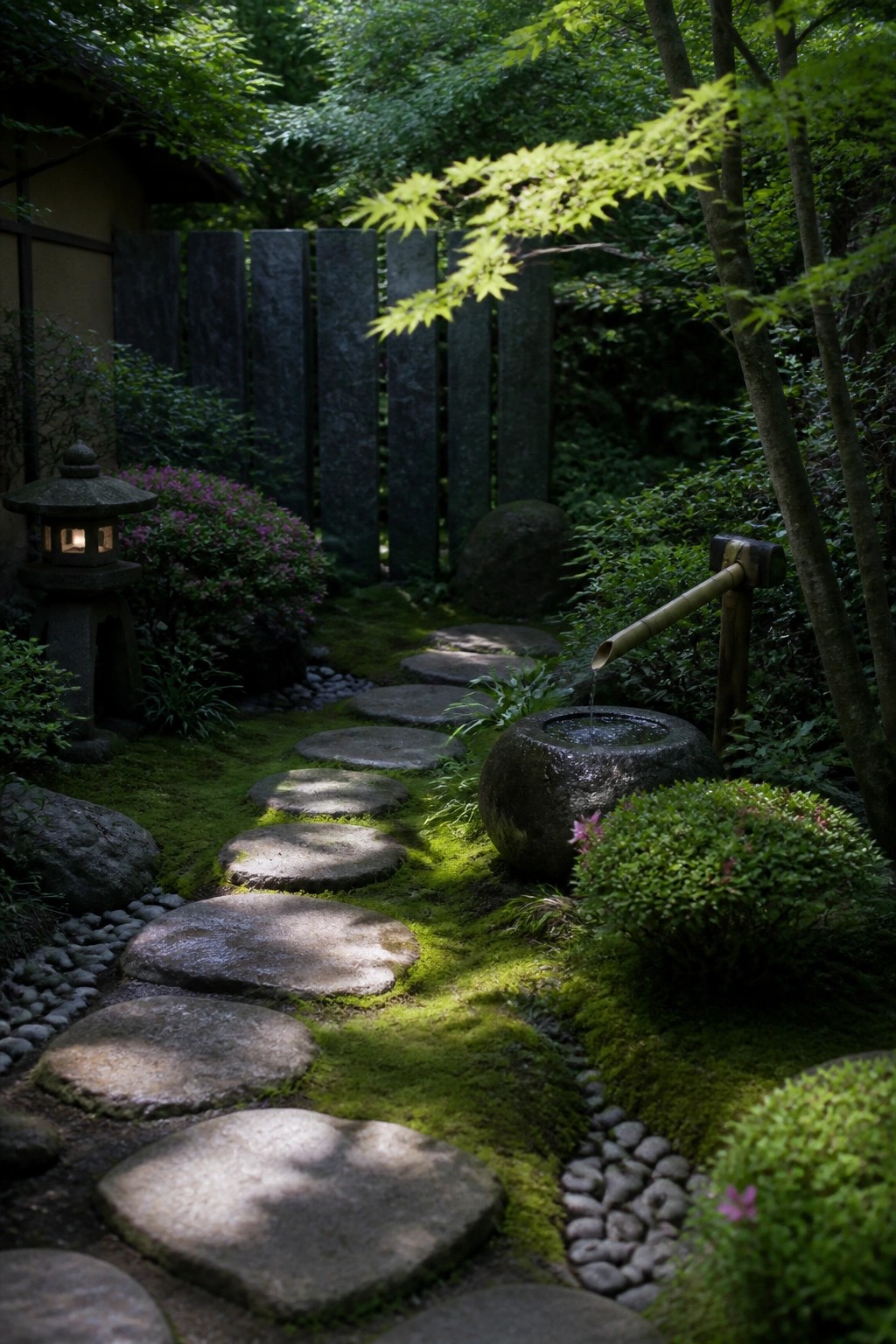
Stepping stones keep a small garden organized by giving people a clear route without covering too much ground. The gaps between them let moss and low plants fill in, so the path feels part of the garden instead of something laid over it.
This layout works best in narrow side yards or back corners where a full walkway would crowd the space. Space the stones so each step lands naturally, and keep the surrounding beds simple so the path stays easy to follow.
Raised Beds Along A Central Path

Raised beds placed on both sides of a path give a small garden a clear structure. The layout keeps plants contained, makes weeding easier, and creates a simple route through the space without crowding.
This approach works best in narrow backyards or side gardens where you need to fit several crops. Gravel or mulch underfoot helps with drainage, and the beds can be made from wood or composite to match the rest of the yard.
Terraced Stone Walls For Multi Level Planting

Terraced stone walls turn a narrow strip of ground into several planting zones without crowding the space. The levels keep taller plants from blocking shorter ones and make watering simpler since each shelf drains into the one below it.
This approach works best along side yards or sloped lots where flat beds would feel cramped. Pair the walls with a loose gravel path so water from downspouts can move away from the house while still letting you walk through the garden comfortably.
Curve the Path to Improve Flow
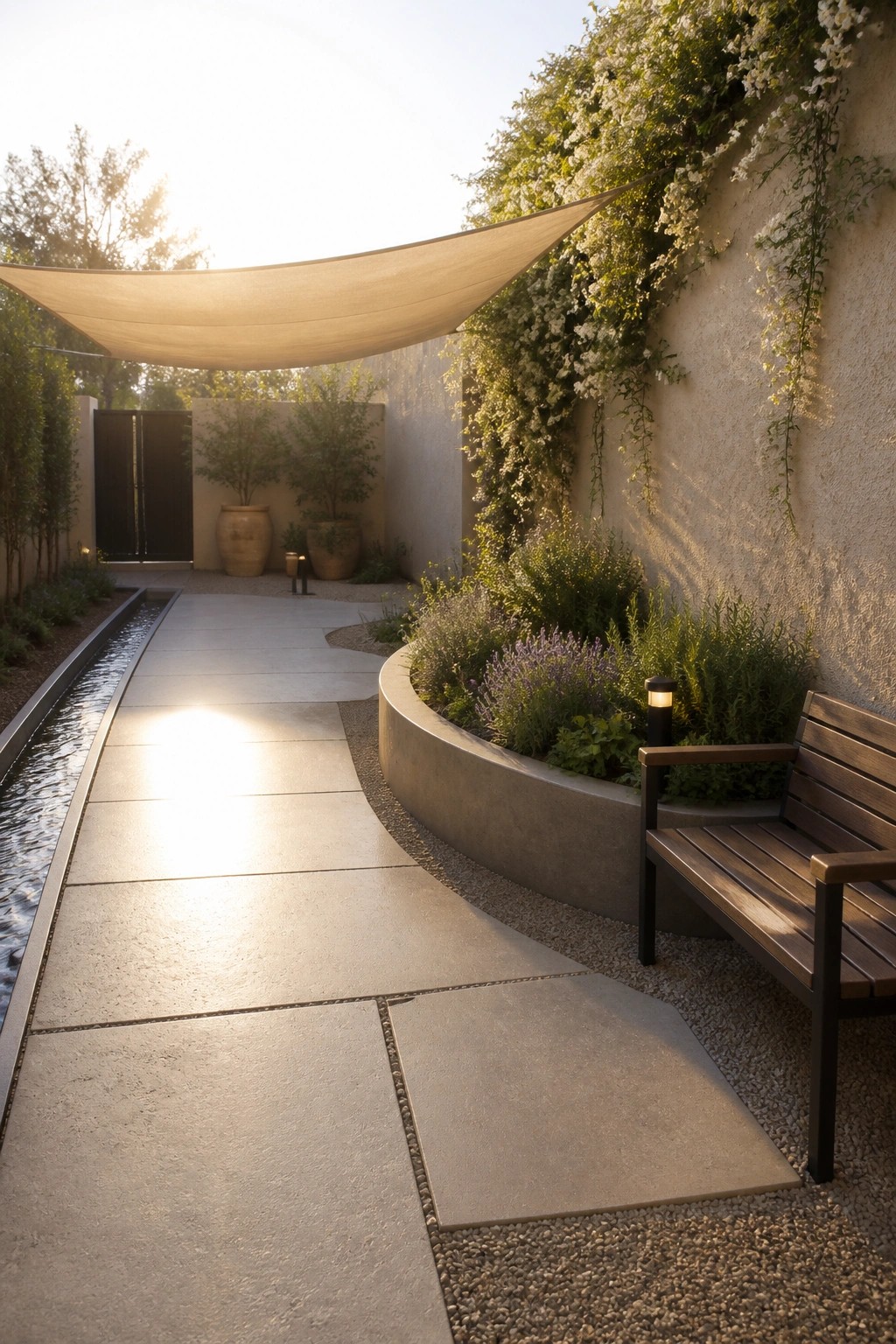
A curving path keeps a small garden from feeling like a narrow corridor. It slows movement just enough to make the space feel more open while still guiding people through it naturally.
This works best in side yards or long narrow beds where a straight line would emphasize the tight dimensions. Keep the curve gentle and use a consistent material so the path stays easy to follow and maintain.
Winding Paths Create Better Flow In Compact Gardens

A curving stone path works well in a small garden because it slows movement and connects different areas without cutting the space in half. Straight paths often make the area feel smaller and more divided, while a gentle curve lets the eye travel farther and makes the layout feel more natural.
This approach suits backyards that mix planting beds with a small lawn. Keep the path width consistent and let it lead from a seating spot toward the open grass. Low lighting along the edges helps if the garden gets used in the evening.
Straight Stone Paths Organize Small Garden Layouts

A straight path made from large stone slabs works well in small gardens because it gives the space a clear direction. The eye follows the line without getting caught on curves or scattered beds, so the whole layout feels more put together even when the area is tight.
This approach suits narrow side gardens or compact backyards where you need to move from one end to the other without wasting space. Gravel along the edges keeps the path defined while letting planting spill over a little on both sides.
Curved Decking Improves Flow In Small Gardens

A curved deck edge keeps movement natural when space is tight. It lets you walk around the pool without hitting corners or feeling boxed in by straight lines.
This approach works best in compact yards where the deck needs to handle lounging, planting, and water access all at once. Keep the curve gentle and place seating along the outer edge so the path stays clear.
Natural Log Edging Improves Path Flow

A simple way to organize a small garden is to use logs and stones as edging along a wood chip path. This approach keeps the route clear, guides movement through the space, and adds structure without needing formal materials. It works especially well in narrow side yards or backyard corridors where you want an easy walking line.
Logs can be stacked loosely or partially buried to hold the mulch in place and create gentle borders. This setup suits homes that want low maintenance and some wildlife value, since the materials offer shelter while keeping the path functional. Avoid over-stacking in very wet areas where the wood may rot quickly.
Curve the Path Around the Fire Pit

A curved gravel path works well in small gardens because it softens the space and keeps people moving naturally from one area to the next. Instead of a straight line that cuts the garden in half, the curve lets the eye follow the route and makes the whole layout feel more open even when space is tight.
This setup works best in backyards where you want a fire pit as the main spot without blocking access to the rest of the garden. Keep the path width consistent so two people can pass each other, and let low plants spill over the edges a bit to blur the lines.
Curve the Path to Guide Flow

A gentle curve in a narrow garden path helps the space feel more open and natural. The low edging keeps the beds in place and makes the walkway feel intentional rather than leftover space.
This approach works best in side yards or front entry gardens where a straight line would feel too tight. Use a simple border material and keep the curve soft so the path still moves people forward without wasting planting room.
Lay A Straight Path Through Narrow Spaces
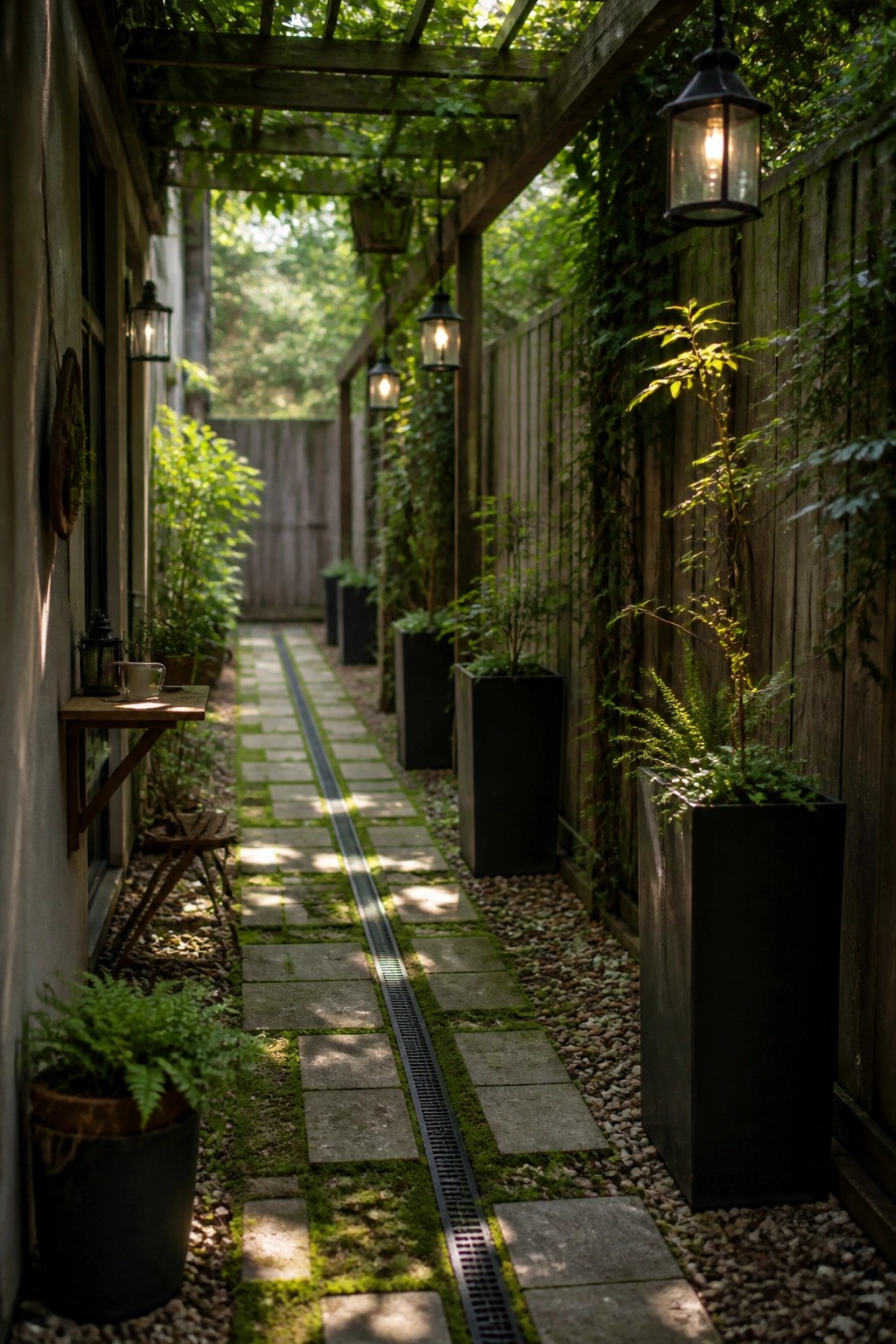
A straight path made of pavers set in gravel keeps a tight garden from feeling cluttered. The central line gives the eye a clear route and stops plants and pots from creeping into the walkway. In this setup the linear drain runs right down the middle so water moves away without pooling on the stones.
This approach works best in side yards or passages between fences where width is limited. Keep the pavers uniform and the gravel simple so the path stays easy to walk and maintain. Place larger pots only along the edges and leave the center open.
Line A Path With A Narrow Water Rill

A straight water rill running beside a path gives a small garden clear direction without crowding the space. The steady line of water keeps the eye moving forward and separates the walkway from planting beds in a simple way.
This layout works best in narrow side gardens or between a seating area and the main beds. Keep the rill narrow and the path material consistent so the whole stretch feels organized rather than busy.
Frequently Asked Questions
Q: How do I figure out where to put the paths in my small garden?
A: Walk through the space a few times and notice where your feet naturally go. Mark those routes with string or a hose before you add beds or plants. This keeps movement simple and stops the layout from feeling cramped.
Q: What if my garden has awkward corners that break up the layout?
A: Tuck a small bench or a vertical planter into those spots. It turns them into useful stops along the way rather than dead ends. Focus on one corner at a time so the whole area stays balanced.
Q: Should I use the same plants all around to make everything connect better?
A: Pick two or three main plants that repeat in different spots. This pulls the eye along without making the garden look flat. Change up the heights a bit so the repeats still feel interesting.
Q: How often do I need to tweak the layout after the first season?
A: Check the paths once plants start growing in and see if anything blocks your steps. Shift one or two items if needed instead of redoing the whole thing. Most small gardens settle into a good rhythm after that first adjustment.
