

Are you struggling to find the perfect mulch for your tomato plants? Picture this: your tomato vines are thriving, but you can’t seem to keep the soil moisture levels just right. That’s where peat moss comes into play. Wondering if it’s the ideal mulch for your tomatoes?
In this article, we’ll explore whether peat moss is a good choice for mulching tomatoes. You’ll discover how using peat moss can benefit your tomato plants and help you achieve a bountiful harvest. Ready to learn more about enhancing your tomato gardening experience with this natural material?
Key Takeaways
- Peat moss, derived from decaying plants in bogs, is beneficial for tomatoes due to its moisture retention properties and ability to improve soil structure.
- Using peat moss as mulch aids in moisture retention, enhances aeration, promotes root development, and acts as a natural insulator for tomato plants.
- Consider the acidity level of peat moss and its environmental impact when using it as mulch for tomatoes.
- When choosing mulches for tomatoes, compare peat moss with alternatives like straw, grass clippings, compost (organic), or plastic mulch, stone/gravel (inorganic) based on specific needs.
- Apply peat moss evenly around tomato plants without compacting it to retain moisture effectively and regulate soil temperature. Monitor soil dampness regularly to adjust watering frequency accordingly.
Understanding Peat Moss and Its Uses
What Is Peat Moss?
Peat moss, a type of organic matter derived from decaying plants in water-saturated environments like bogs, is commonly used in gardening for its moisture retention properties. It consists of partially decomposed plant material and is known for its ability to improve soil structure by enhancing aeration and water retention.
Common Uses in Gardening
In gardening, peat moss serves various purposes beyond just being a mulch. It’s often utilized as a soil amendment to enhance the quality of garden beds by improving drainage and nutrient retention. Additionally, peat moss can be mixed with other components like perlite or vermiculite to create custom potting mixes tailored to specific plant needs.
By incorporating peat moss into your gardening practices, you can effectively support the growth of tomatoes and other plants by providing them with a conducive environment rich in essential nutrients and moisture.
Assessing Peat Moss as Mulch for Tomatoes
When considering using peat moss as mulch for your tomato plants, it’s essential to weigh both the benefits and potential drawbacks to make an informed decision that best suits your gardening needs.
Benefits of Using Peat Moss
Utilizing peat moss as mulch for tomatoes offers several advantages. It aids in moisture retention, crucial for maintaining optimal soil moisture levels around your tomato plants. This can be especially beneficial during hot and dry periods, helping to prevent water stress in your tomatoes.
Peat moss also contributes to improving soil structure by enhancing aeration and promoting better root development. Its ability to retain water effectively means less frequent watering is needed, reducing maintenance efforts while ensuring consistent hydration for your tomato plants.
Additionally, peat moss acts as a natural insulator, helping regulate soil temperature fluctuations. This can protect the roots of your tomato plants from extreme heat or cold, creating a more stable environment for growth.
Potential Drawbacks
While peat moss offers various benefits as mulch, it’s important to consider some potential drawbacks. One concern is its acidity level, which may not be suitable for all plant varieties. Tomatoes generally prefer slightly acidic soil; however, excessive acidity from peat moss could affect nutrient availability in the soil over time.
Another aspect to keep in mind is the environmental impact of harvesting peat moss. Due to the slow formation process of peat bogs over thousands of years, extracting peat moss at unsustainable rates can lead to ecological damage and carbon release into the atmosphere.
Considering these factors will help you evaluate whether using peat moss as mulch aligns with your gardening goals while being mindful of its implications on plant health and sustainability practices.
Comparing Peat Moss with Other Mulches
When considering mulching options for your tomato plants, it’s essential to compare peat moss with other alternatives to make an informed decision based on your specific needs and gardening goals.
Recommended Products

🌿 SUPPORT HEALTHY PLANT GROWTH: Create the ideal growing environment with premium peat moss for plants. This lightweight organic peat moss improves soil aeration, supports healthy root expansion, and helps prevent soil compaction. Perfect for container plants, garden beds, seedlings, flowers, vegetables, herbs, and houseplants needing stronger roots and healthier soil conditions.
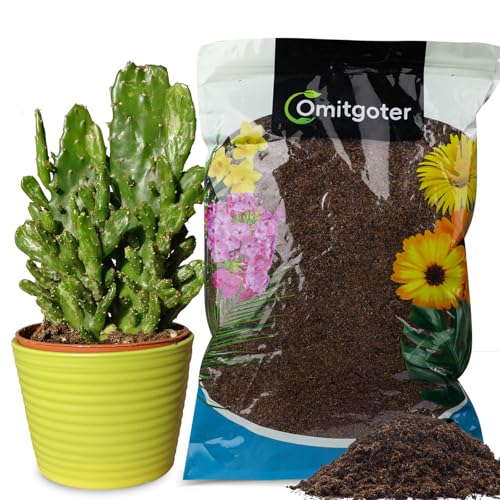
【Excellent Water Retention and Aeration】Our high-quality peat moss provides superior water retention, ensuring consistent moisture for your plants, while also improving soil aeration, promoting healthy root growth

【Excellent Water Retention and Aeration】Our high-quality peat moss provides superior water retention, ensuring consistent moisture for your plants, while also improving soil aeration, promoting healthy root growth
Organic Mulch Alternatives
Organic mulches offer numerous benefits similar to peat moss but vary in their properties and applications. Here are some common organic mulch alternatives you can consider for your tomato plants:
- Straw: Straw is a popular organic mulch that helps retain moisture, regulate soil temperature, and suppress weeds around tomato plants. It’s readily available and breaks down slowly, enriching the soil as it decomposes.
- Grass Clippings: Grass clippings can serve as a free and effective mulch option for tomatoes. They provide nutrients to the soil as they break down, but be cautious of using clippings from chemically treated lawns.
- Compost: Compost is a nutrient-rich organic material that not only acts as a mulch but also improves soil quality by enhancing its structure and fertility. It promotes beneficial microbial activity in the soil, supporting healthy growth in tomato plants.
Inorganic Mulch Options
Inorganic mulches offer distinct advantages compared to organic materials and can be suitable for specific gardening scenarios. Explore these inorganic mulch options when considering alternatives to peat moss:
- Plastic Mulch: Plastic mulch effectively retains soil moisture, controls weeds, and warms the soil around tomato plants. It’s especially beneficial in extending the growing season by creating a warmer microclimate for heat-loving crops like tomatoes.
- Stone or Gravel: Stone or gravel mulches provide excellent drainage around tomato plants while helping prevent soil erosion. They are long-lasting options that add aesthetic appeal to garden beds but may not contribute nutrients to the soil like organic alternatives do.
By examining these organic and inorganic mulching options alongside peat moss, you can select the most suitable choice based on factors such as water retention, nutrient enrichment, weed suppression, and overall plant health requirements for your tomatoes. Each type of mulch offers unique benefits that cater to different aspects of maintaining a thriving garden ecosystem tailored to your preferences.
Best Practices for Using Peat Moss in Tomato Gardening
Application Techniques
When applying peat moss as mulch for your tomato plants, ensure you spread it evenly around the base of each plant. Gently work the peat moss into the top layer of soil without compacting it to allow for proper aeration and water absorption. Remember to maintain a thickness of about 2-3 inches to effectively retain moisture and regulate soil temperature.
Moisture Management
To optimize moisture levels when using peat moss as mulch, monitor the soil regularly by checking its dampness with your fingers. Water your tomatoes deeply but infrequently to encourage deep root growth while avoiding waterlogging. The peat moss will help retain moisture, reducing the frequency of watering needed. Adjust irrigation based on weather conditions and plant needs to prevent over or under-watering.
Conclusion
You’ve learned about the benefits and drawbacks of using peat moss as mulch for your tomato plants. Remember, peat moss can help retain moisture and improve soil quality, but keep an eye on acidity levels and environmental impact. Implement best practices like spreading it evenly around your plants and maintaining a 2-3 inch thickness for optimal results. Manage moisture by monitoring soil regularly, watering deeply but infrequently, and adjusting irrigation based on weather conditions. By making informed decisions about mulching options, you’ll set your tomato plants up for success in their growth and health.
Frequently Asked Questions
Is peat moss a good mulch for tomato plants?
Yes, peat moss is a beneficial mulch for tomato plants due to its moisture retention properties and ability to improve soil structure.
How should I apply peat moss as mulch for my tomato plants?
Spread peat moss evenly around the base of tomato plants in a layer about 2-3 inches thick to help retain moisture and enhance soil quality.
What are some tips for managing moisture when using peat moss as mulch?
Monitor soil moisture regularly, water deeply but infrequently, and adjust irrigation based on weather conditions to optimize plant growth.
Are there any drawbacks or environmental concerns associated with using peat moss as mulch?
Peat moss can be acidic, impacting soil pH levels. Additionally, harvesting peat moss can have environmental consequences such as habitat destruction.
