

Are you ready to enjoy fresh greens right from your garden? Planting lettuce and spinach is a simple way to elevate your meals and boost your gardening skills. Whether you’re a seasoned gardener or just starting out, these leafy vegetables are perfect for your backyard or even a small balcony.
Key Takeaways
- Understand the different varieties of lettuce and spinach, including Butterhead, Romaine, Savoy, and Flat-Leaf, to choose the best options for your garden.
- Prepare your garden bed by selecting a location with full sun exposure and ensuring soil is rich in organic matter with a pH of 6.0 to 7.0.
- Plant seeds by creating rows, sowing at appropriate depths, and spacing properly to reduce competition among seedlings.
- Maintain consistent watering practices, aiming for about 1 inch of water per week, and apply balanced fertilizers every 4-6 weeks for optimal growth.
- Recognize signs of maturity in lettuce and spinach, such as firm leaves or solid heads, to ensure the best flavor and quality during harvest.
- Harvest using appropriate methods to prevent damaging the plants, and consider timing your harvest in the morning for peak freshness.
Understanding Lettuce and Spinach
Lettuce and spinach are versatile leafy greens that thrive in home gardens. Knowing their characteristics and varieties helps you choose the best types for your garden.
Types of Lettuce
- Butterhead Lettuce: This type has soft, buttery leaves. Varieties like Boston and Bibb grow well in cooler weather and offer a sweet flavor.
- Romaine Lettuce: Known for its tall, crisp leaves, Romaine holds up well in salads. It’s heat-tolerant and grows best in spring and fall.
- Leaf Lettuce: Leafy varieties, such as Red or Green Leaf, are quick to grow. They produce loose leaf clusters, great for quick harvests.
- Crisphead Lettuce: This includes varieties like Iceberg. It forms dense, crunchy heads and works well in salads, needing full sun and well-drained soil.
- Savoy Spinach: This type features crinkly, dark green leaves. It’s robust and perfect for freezing, making it a favorite for many gardeners.
- Flat-Leaf Spinach: With smooth leaves, flat-leaf spinach is easy to clean and ideal for salads and cooking. It grows quickly and can be harvested multiple times.
- Semi-Savoy Spinach: This variety combines characteristics of both savoy and flat-leaf spinach. It’s easy to manage and resistant to pests and disease, suitable for various climates.
Understanding these options helps you select the right greens for your meals and gardening experience.
Preparing the Garden Bed
Preparing your garden bed sets the foundation for healthy lettuce and spinach growth. Proper location and soil conditions ensure optimal yields.
Recommended Products

Quick, at home results for Soil pH, Nitrogen, Phosphorous and Potash Innovative and inexpensive soil test kit features an easy-to-use capsule system and patented color comparators

KNOW BEFORE YOU GROW | Grow the healthiest, sustainable lawn and garden with the most accurate and easy to use professional soil test kit on the market

PROFESSIONAL-GRADE ACCURACY: Engineered specifically for soil pH testing, delivering results quickly (in about 60 seconds). With a 3rd Generation, 3-pad ph tester strips design, our soil ph test kit ensures consistent, repeatable results for all your lawn, landscape and garden needs.
Choosing the Right Location
Choose a spot with full sun exposure, ideally 6 to 8 hours each day. This sunlight helps produce vibrant greens. Select areas with good air circulation to prevent disease. Avoid shaded spots or locations prone to standing water; these can hinder growth. A raised garden bed works well for maintaining proper drainage.
Soil Requirements
Ensure your soil is rich in organic matter. Aim for a pH between 6.0 and 7.0 for optimal nutrient absorption. Incorporate compost or well-rotted manure to improve soil fertility. Add perlite or vermiculite to enhance drainage if your soil is heavy. Test your soil before planting to determine nutrient levels and make adjustments as necessary. Use fast-acting fertilizers to provide essential nutrients during the growing season.
Planting Lettuce and Spinach
Planting lettuce and spinach requires careful attention to detail for optimal growth. Focus on seed selection and planting techniques to establish a thriving garden.
Recommended Products

USDA Certified Organic by Oregon Tilth

LETTUCE & GREENS GARDENER SEED VARIETY PACK: Crisp, tender, and full of flavor! Grow 10 varieties of greens, from buttery Buttercrunch to vibrant Red Oakleaf and nutrient-packed Kale. Perfect for salads, wraps, and fresh garden bites!
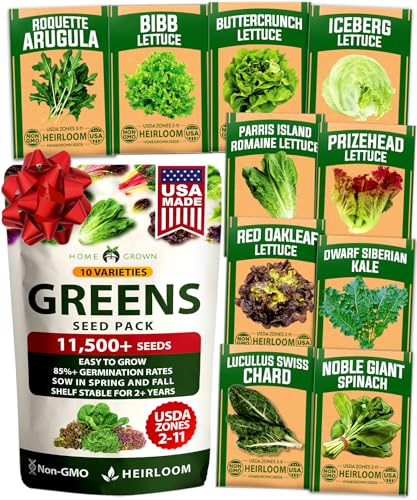
COMPLETE VARIETY PACK: Ten popular lettuce and leafy green varieties; Romaine lettuce seeds, Buttercrunch, Iceberg, Bibb, Red Oakleaf, Prizehead, Kale, Spinach and more; Perfect for organic salad gardens; High 95% germination rate
Seed Selection
Select seeds based on desired varieties. Popular lettuce varieties include Romaine, Butterhead, and Leaf Lettuce. Each type offers distinct textures and flavors. For spinach, choose between Savoy, Flat-leaf, and Semi-savoy. These types vary in leaf structure and culinary uses. Look for organic or non-GMO seeds for healthier plants. Check seed packets for information on your chosen variety’s specific growing conditions and maturity times. Aim for varieties that thrive in your local climate, enhancing your gardening success.
Planting Techniques
Follow these steps for effective planting:
- Prepare Soil: Clear the area of weeds and debris. Loosen the soil to a depth of 12 inches. Incorporate compost into the top layer for improved fertility.
- Create Rows: Mark rows spaced 12 to 18 inches apart. This spacing allows for good air circulation and easy access.
- Sow Seeds: Plant lettuce seeds about 1/4 inch deep. For spinach seeds, plant them to a depth of 1 inch. Space seeds approximately 2 inches apart. Thinning seedlings later helps reduce competition for nutrients.
- Water Gently: After sowing, water the area lightly. Avoid displacing seeds. Keep the soil consistently moist, especially during germination.
- Mulch: Apply a thin layer of mulch around seedlings to retain moisture and suppress weeds. Use straw or shredded leaves as organic mulch options.
Adhering to these seed selection and planting techniques sets you up for a fruitful lettuce and spinach harvest.
Caring for Your Plants
Caring for your lettuce and spinach helps ensure a robust harvest. Focus on watering and fertilizing to promote healthy growth.
Watering Guidelines
Water plants consistently to keep the soil moist but not soggy. Aim for about 1 inch of water per week, adjusting based on weather conditions. Consider the following tips:
- Water Early: Water early in the morning to reduce evaporation.
- Soak Deeply: Soak the soil down to at least 6 inches to encourage deep root development.
- Avoid Leaves: Water at the base of the plants to prevent fungal diseases affecting the leaves.
- Check Soil Moisture: Stick your finger in the soil; if it feels dry 1 inch down, it’s time to water.
Fertilizing Tips
Fertilizing supports robust plant growth. Use a balanced, water-soluble fertilizer every 4-6 weeks. Here’s how to do it effectively:
- Choose a Balanced Fertilizer: Look for a formula with equal parts nitrogen, phosphorus, and potassium (e.g., 10-10-10).
- Mix Properly: Dilute fertilizer according to package instructions before applying.
- Apply Evenly: Scatter the fertilizer around the base of the plants, avoiding direct contact with leaves or stems.
- Water After Application: Water immediately after fertilizing to help nutrients penetrate the soil.
By following these watering and fertilizing guidelines, you’ll promote the growth of healthy lettuce and spinach in your garden.
Harvesting Lettuce and Spinach
Harvesting lettuce and spinach occurs at the right time to ensure peak flavor and quality. You’ll enjoy fresher greens when you know the right signs and methods for harvesting.
Signs of Maturity
Look for specific indicators that suggest your lettuce and spinach are ready for harvest.
- Lettuce: The leaves should be firm, crisp, and fully developed. For leaf varieties, harvest when leaves reach about 4-6 inches long. For head types, such as romaine, wait until the heads feel solid in your hand.
- Spinach: Spinach is ready when the leaves are large, dark green, and around 4-6 inches wide. Don’t let them bolt; if you see flowers forming, harvest immediately to keep the leaves tender.
Harvesting Methods
Use proper methods to harvest your greens without damaging the plants.
- Cutting: For leaf varieties, use scissors or garden shears to cut leaves 1-2 inches above the soil. This encourages new growth.
- Pulling: For head types, gently pull the whole plant from the ground when it reaches maturity, or you can twist gently to dislodge it.
- Timing: Harvest in the morning for the best flavor and texture, as cooler temperatures help retain moisture and crunchiness.
By knowing when and how to harvest, you can enjoy the freshest produce right from your garden.
Conclusion
Growing your own lettuce and spinach can be a rewarding experience. You get to enjoy fresh greens right from your garden while also learning the ins and outs of gardening.
With a little care and attention to detail you can cultivate a thriving crop. Remember to keep an eye on moisture levels and nutrients to ensure your plants stay healthy.
When it’s time to harvest savor the fruits of your labor and share the bounty with family and friends. Happy gardening and enjoy your delicious salads!
Frequently Asked Questions
What are the benefits of growing lettuce and spinach in a home garden?
Growing lettuce and spinach at home offers fresh, nutritious greens, easy cultivation, and cost savings. They thrive in small spaces and have quick growth cycles, allowing for multiple harvests in a season.
What types of lettuce and spinach are best for home gardens?
Popular varieties for home gardens include Romaine, Butterhead, and Leaf lettuce, along with Summer and Winter spinach. These varieties are well-suited for various climates and offer diverse flavors and textures.
How should I prepare my garden bed for planting lettuce and spinach?
Prepare your garden bed by choosing a sunny location with good air circulation and well-drained soil. Ensure the pH is between 6.0 and 7.0 and incorporate organic matter for nutrient-rich soil.
What are the watering guidelines for lettuce and spinach?
Water regularly to maintain consistent moisture levels in the soil. Soak the soil deeply but avoid wetting the leaves, which can lead to diseases. Keep an eye on weather changes to adjust watering frequency.
When is the best time to harvest lettuce and spinach?
Harvest lettuce when the leaves reach a desirable size but before they bolt. For spinach, wait until leaves are fully developed. Look for vibrant color and a fresh appearance to ensure peak flavor and quality.
