

Have you ever grown lettuce and wondered how to save those precious seeds for next season? You’re not alone. Many gardeners face the challenge of figuring out the best way to harvest seeds without damaging their plants.
Key Takeaways
- Understand Lettuce Varieties: Different types of lettuce, such as Butterhead, Romaine, and Looseleaf, have unique seed characteristics that affect the harvesting process.
- Lifecycle Awareness: Familiarize yourself with the lettuce lifecycle stages, including seed germination, vegetative growth, bolting, and seed maturation, to optimize harvest timing.
- Essential Tools: Prepare necessary tools like pruning shears, paper bags, labels, and a fine mesh strainer to efficiently harvest and store seeds.
- Timing is Key: Harvest seeds when they are brown, dry, and the majority of seed heads have matured to ensure high germination rates for future use.
- Proper Harvesting Techniques: Cut mature flower stalks, dry them upside down, and separate seeds from chaff using a strainer for maximum recovery and quality.
- Storage Guidelines: Store seeds in a cool, dry environment using airtight containers, and avoid mixing different varieties to maintain seed integrity and viability.
Understanding Lettuce Seed Production
Understanding lettuce seed production involves knowing the types of lettuce that you grow and their specific seed characteristics, alongside the lifecycle of the plants.
Types of Lettuce and Their Seed Characteristics
Lettuce varieties differ significantly in seed production. Common types include:
- Butterhead Lettuce: Produces small, round seeds that mature slowly. Allow plants to bolt for optimal seed viability.
- Romaine Lettuce: Seeds are elongated and black, developing after the flowering stalk appears. Harvest once they become dry and crunchy.
- Looseleaf Lettuce: Yields light brown, oval seeds. These plants can produce seeds within a few weeks after flowering.
Knowing your lettuce type helps anticipate seed collection timing and quality.
Lifecycle of Lettuce Plants
The lifecycle of lettuce includes distinct stages:
- Seed Germination: Sprouted seeds grow into seedlings in 5-10 days under optimal conditions.
- Vegetative Phase: Plants form leaves and develop nutrient content. Consistent watering and light aid growth.
- Bolting Stage: Lettuce sends up a flower stalk, typically triggered by heat. This stage occurs in late spring or summer.
- Seed Maturation: Flowers produce seeds after pollination. Allow flowers to bloom and dry out completely before harvesting.
Understanding these stages lets you catch the right moment to collect seeds and ensures high germination rates for future planting.
Preparing for Seed Harvesting
Preparing for seed harvesting ensures a smooth and successful process. You’ll need the right tools and timing to maximize your yield.
Tools Needed for Harvesting Seeds
Select tools that facilitate an efficient seed harvesting process. The following items prove essential:
- Pruning Shears: Use sharp shears to cut seed stalks cleanly.
- Paper Bags or Envelopes: Store collected seeds in breathable containers to prevent moisture buildup.
- Labels: Label your storage bags or envelopes for easy identification later.
- Fine Mesh Strainer: Utilize a strainer to separate seeds from chaff after harvesting.
- Gloves: Wear gloves to protect your hands from plant oils or irritants.
Having the right tools at hand streamlines your operations and preserves seed quality.
Timing Your Harvest
Timing is pivotal for successful seed harvesting. Follow these steps to identify the best moment:
- Observe Seed Maturation: Watch for changes in seed color and firmness. Seeds should turn brown and dry.
- Check for Seed Pod Dryness: Ensure that seed pods are brittle. This indicates that seeds are ready for collection.
- Consider Weather Conditions: Wait for dry weather. Wet conditions can lead to mold during storage.
- Monitor Field Maturity: Harvest when approximately 80% of the seed heads on your plants have matured. This balances seed quality and quantity.
By timing your harvest correctly, you enhance the chances of high germination rates in future plantings.
The Seed Harvesting Process
Harvesting seeds from lettuce plants requires attention to timing and technique. You can ensure a successful harvest by following these steps.
Recommended Products

SUITABLE SIZE: The size of these seed envelopes is 3.15 "x 4.72", small and lightweight, easy to carry with you every day, you can put them in your pocket, travel bag, or drawer easily. We have a total of 156 seed packets envelopes for you, enough to meet your needs and share them with your family and friends.
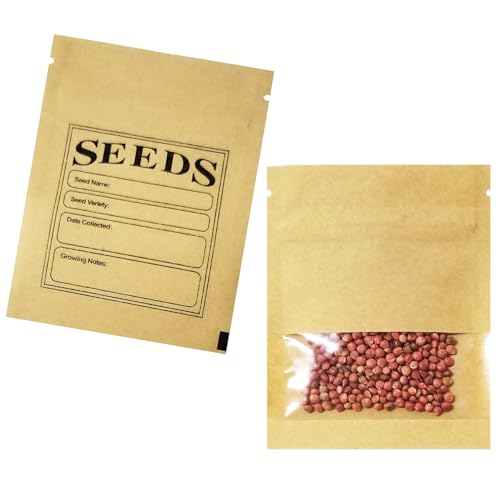
One unit: 100 Pieces; Outside size: 2.7x3.7 inch (7x9.5cm), Usable size: 2.36x2.56 inch (6x6.5cm)

【Seed Envelopes】: 300 Pcs self-adhesive seed envelopes, measuring approximately 3.15*2.36 Inches, sufficient quantity to meet your daily seeds storage needs
Identifying When to Harvest
Check seed pods regularly for key signs of maturity. Identify when the seed pods turn from green to a brown or tan color. Monitor the pods for dryness, which indicates readiness. Harvesting seeds at the right time significantly enhances germination potential. If seed pods are left too long on the plant, they may shatter and disperse seeds before collection.
Techniques for Extracting Seeds
Utilize specific techniques to extract seeds efficiently.
- Cutting: Use pruning shears to cut the mature flower stalks.
- Drying: Hang the stalks upside down in a paper bag in a cool, dry area.
- Straining: Once the pods dry completely, shake the bag gently to release the seeds.
- Separating: Use a strainer to separate seeds from chaff, ensuring you keep only the seeds.
- Storing: Place the seeds in labeled paper envelopes or containers. Keep them in a cool, dark place until planting time.
Following these techniques helps maximize seed recovery and maintain seed quality for future planting endeavors.
Storing and Preserving Lettuce Seeds
Proper storage and preservation of lettuce seeds ensure their viability for future planting. Follow these guidelines for optimal results.
Ideal Storage Conditions
Store seeds in a cool, dry place. Aim for temperatures between 32°F and 41°F (0°C to 5°C). Avoid areas with high humidity; excess moisture can lead to mold. Use airtight containers such as small glass jars or vacuum-sealed bags to protect seeds from air and moisture. Label each container with the variety name and harvest date to help track freshness. For longer-term storage, consider refrigeration or a dark, cool basement.
Common Mistakes to Avoid
Don’t neglect proper drying. Seeds should be fully dry before storage; moisture can compromise their integrity. Avoid storing seeds in direct sunlight or high-heat locations, like near heaters or ovens. Don’t mix seeds from different varieties in the same container; this can cause cross-contamination. Lastly, don’t assume all seeds remain viable indefinitely. Test seed germination yearly by sprouting a few in a damp paper towel to check their effectiveness.
Conclusion
Harvesting seeds from your lettuce plants can be a rewarding experience. With a little patience and attention to detail you can ensure your garden thrives year after year. Remember to store your seeds properly to keep them viable and ready for planting.
Taking the time to test germination annually will help you maintain a healthy seed bank. By avoiding common pitfalls you’ll be well on your way to enjoying bountiful lettuce harvests in the seasons to come. Happy gardening and enjoy the fruits of your labor!
Frequently Asked Questions
What is the process of saving seeds from lettuce plants?
Saving seeds from lettuce involves allowing the plant to bolt and flower, which occurs after a period of growth. Once the flowers have dried, you can harvest the seeds. It’s crucial to choose the right variety and timing, particularly for Butterhead, Romaine, and Looseleaf types.
When is the best time to harvest lettuce seeds?
The best time to harvest lettuce seeds is when the flowers have dried and turned brown. This usually occurs several weeks after pollination. Ensure that seeds are fully mature before collecting to maximize germination rates.
What tools do I need to save lettuce seeds?
You will need basic tools like scissors or pruning shears for cutting the flower stalks, a paper bag for collecting dried flowers, and a small container for storing the seeds. Labeling materials are also helpful for organization.
How should I store lettuce seeds?
Store lettuce seeds in a cool, dry place inside airtight containers. Use labeled envelopes or jars to keep each variety separated, and avoid exposure to moisture or extreme temperatures to ensure their longevity.
What common mistakes should I avoid when saving lettuce seeds?
Avoid inadequate drying, improper storage locations, and mixing different seed varieties. Also, do not assume seeds will remain viable indefinitely; conduct annual germination tests to ensure quality before planting.
