

Wondering if it’s too late to plant lettuce? You’re not alone. Many gardeners face the same dilemma as the growing season winds down. Whether you’re a seasoned pro or just starting out, knowing the right timing can make all the difference in your harvest.
Key Takeaways
- Lettuce Growth Cycles: Understanding germination, seedling, maturity, and flowering stages is crucial for optimal planting timing and successful harvests.
- Ideal Planting Times: Sow lettuce seeds 2 to 4 weeks before the last frost in spring and 6 to 8 weeks before the first frost in fall for best results.
- Climate Considerations: Monitor local climate conditions, as cooler temperatures (60°F to 65°F) are ideal for lettuce, and heat can cause bolting and bitterness.
- Variety Selection: Choose fast-growing and bolt-resistant lettuce varieties for late planting to ensure robust growth and a bountiful harvest.
- Soil Preparation: Ensure nutrient-rich, well-drained soil with a pH of 6.0 to 6.8, and prepare the ground adequately before planting.
- Protection Strategies: Use row covers to protect young plants from frost and pests, maintaining moisture and fostering healthy growth.
Understanding Lettuce Growth Cycles
Lettuce has distinct growth cycles that inform planting times. Knowing these cycles helps you determine when it’s too late to plant lettuce.
Germination
Germination occurs within 7 to 10 days after planting. For optimal growth, soil temperatures should range from 60°F to 70°F. If temperatures drop below 40°F, germination slows significantly.
Seedling Stage
After germination, lettuce enters the seedling stage. This stage lasts about 2 to 4 weeks. Stronger seedlings develop under ample sunlight and moderate temperatures. Planting late in the season can hinder this process due to diminishing daylight hours.
Maturity
Maturity occurs about 55 to 85 days after sowing, depending on the variety. Leafy types like Butterhead mature quicker than head varieties like Romaine. Harvesting can happen as soon as the leaves reach a few inches in height. Late planting means you may face frost risks that can damage young plants before they mature.
Flowering
Lettuce can bolt or flower if temperatures exceed 75°F. Flowering often leads to a bitter taste, making your lettuce less desirable. Late planting increases the chances of bolting as summer temperatures rise.
Ideal Planting Times
Understand the ideal timeline for your region. Generally, you can sow seeds outdoors 2 to 4 weeks before the last expected frost in spring and again in late summer. Consider your local climate when planning your planting schedule.
- Check your local frost dates.
- Choose bolt-resistant lettuce varieties for late planting.
- Use row covers to protect young plants from early frost.
- Monitor soil temperatures to ensure they remain suitable for growth.
Understanding these aspects of lettuce growth cycles allows you to plan effectively. Knowing when to plant increases the chances of a healthy and delicious harvest.
Ideal Planting Times for Lettuce
Understanding the ideal planting times for lettuce helps you maximize your harvest. Timing plays a crucial role in ensuring successful growth throughout the seasons.
Spring Planting
Spring is an excellent time for planting lettuce. You can start sowing seeds indoors 4 to 6 weeks before the last frost date in your area. Transplant seedlings outdoors once the soil temperature reaches 45°F to 50°F. This timeframe allows lettuce to thrive in cooler weather, reducing the chances of bolting. Consider varieties like Butterhead or Romaine for early spring planting. These types grow well in mild temperatures and can provide a fresh harvest within 55 to 75 days.
Fall Planting
Fall planting extends your lettuce growing season. Aim to sow seeds 6 to 8 weeks before the first expected frost date. This timing allows your plants to mature before the cold sets in. Select bolt-resistant varieties like Leaf or Butterhead to ensure robust growth in declining temperatures. If you’re in a region with mild winters, consider using row covers for added protection against frost, enabling you to harvest fresh lettuce well into late fall.
Factors Influencing Late Planting
Understanding the factors influencing late planting helps you make informed decisions about growing lettuce successfully. Key elements include climate conditions and the selection of lettuce varieties.
Recommended Products

4 Popular Heirloom Lettuce Varieties: Includes Red Romaine, Bibb Butterhead, Black Seeded Simpson, and Green Ice lettuce seeds to grow crisp, tender, and colorful salad greens with balanced flavor, texture, and visual appeal.

COMPLETE VARIETY PACK: Eight popular lettuce seeds including Buttercrunch, Romaine, Iceberg, Bibb, Red Oakleaf, Prizehead, plus Kale and Spinach; Perfect lettuce seeds for planting outdoors or in hydroponic systems

"Mesclun" comes from the Provençal French word meaning "mixture" — this style of mixed salad greens originated in the Nice region of France and became a staple of fine restaurants worldwide before becoming a home garden favorite.
Climate Considerations
Climate significantly impacts the timing for planting lettuce. Lettuce thrives in cooler temperatures, ideally between 60°F and 65°F. High summer temperatures can cause bolting, leading to a bitter taste.
You must check your local climate data. Monitor long-term weather forecasts for unexpected heat waves. For fall planting, consider the average first frost date in your region. If you plant too late, your lettuce may not mature before frost sets in.
Lettuce Variety Selection
Choosing the right variety makes late planting more successful. Different varieties have various maturity rates. Fast-growing varieties, such as ‘Butterhead’ and ‘Leaf Lettuce’, can mature in as little as 50 to 60 days.
Select bolt-resistant types if you’re planting late in the season. Varieties like ‘Salivus’ or ‘Red Romaine’ outperform others in warm weather. Check seed packets for details on maturity dates and resistance information. This approach enhances your chances of a flourishing harvest even with a later planting date.
Tips for Late Planting Success
Late planting can yield tasty lettuce with the right steps. Follow these tips for a thriving crop.
Recommended Products
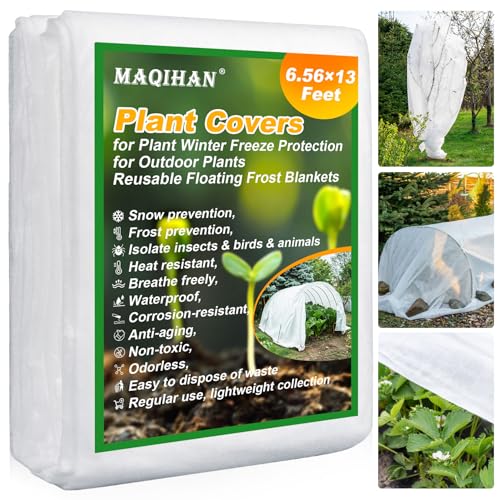
Product Features: Our plant covers are ideal for protecting all plant. Made from premium 1 oz/sq non-woven fabric, their durability and breathability ensuring both insulation against frost and facilitation of sunlight penetration for healthy plant growth
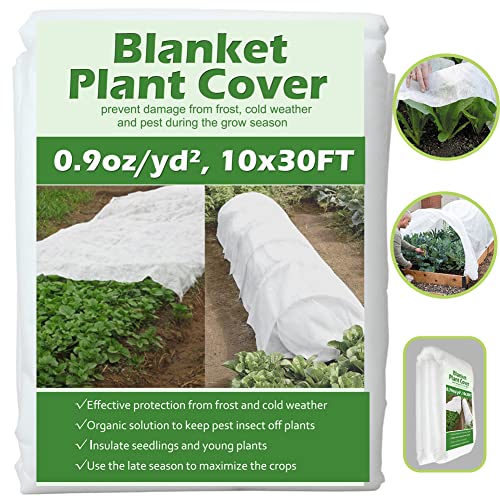
※Big Size to cover large area : The size of our plant cover is 10x30ft, the size can cover large areas. You can cut the plant covers freeze protection into different sizes for different use. You can cover it over the plant such as shrub tomato, pepper, pumpkin, and so on.

[1.5oz/yd² Frost Cloth for Plant Freeze Protection]Made with 1.5oz/yd² per sq yd garden fabric, this frost cloth helps protect plants from frost, cold wind, and sudden temperature drops while allowing sunlight, air, and moisture to pass through.
Soil Preparation
Ensure your soil is nutrient-rich and well-drained. Start by testing the pH, aiming for 6.0 to 6.8. Amend with compost or well-rotted manure to boost nutrient levels. Loosen soil to improve aeration, mixing in organic matter if necessary. Create raised beds if drainage is an issue. Soil temperature should reach at least 45°F before planting seeds or transplants.
Protecting Young Plants
Use row covers to shield your young lettuce plants from frost and pests. These lightweight covers trap heat and create a microclimate, promoting growth. Remove covers on warmer days to prevent overheating. Water your plants regularly but avoid waterlogging, which can harm roots. Mulch around plants with straw or wood chips to retain moisture and regulate soil temperature.
Conclusion
Don’t let the end of the growing season discourage you from planting lettuce. With the right timing and care you can still enjoy a bountiful harvest. Remember to choose bolt-resistant varieties and keep an eye on local frost dates.
Preparing your soil and protecting your young plants will go a long way in ensuring their success even when planting later in the year. With a little effort you can savor fresh, crisp lettuce right from your garden, no matter when you decide to plant. Happy gardening!
Frequently Asked Questions
Is it too late to plant lettuce?
No, it’s not too late to plant lettuce. Depending on your local climate and the variety you choose, you can still have a fruitful harvest. Aim to sow seeds or transplant seedlings within 6 to 8 weeks before the first expected frost date.
What is the ideal temperature for growing lettuce?
Lettuce thrives in cooler temperatures, ideally between 60°F and 65°F. High summer temperatures can cause bolting and bitterness, so monitor local climate conditions to avoid heat stress.
How long does it take for lettuce to mature?
Lettuce maturity ranges from 55 to 85 days, depending on the variety. Fast-growing types, like Butterhead and Leaf Lettuce, can mature in as little as 50 to 60 days, making them suitable for late planting.
What are bolt-resistant lettuce varieties?
Bolt-resistant varieties are those that resist premature flowering in warm weather. Recommended options include Salivus and Red Romaine, which can help ensure a successful harvest even in late planting.
How can I protect my lettuce from frost?
Using row covers is an effective way to protect young lettuce plants from frost and pests. Make sure to cover them when temperatures drop, especially during the night or early morning hours.
How do I prepare the soil for planting lettuce?
Ensure your soil is nutrient-rich and well-drained, with a pH of 6.0 to 6.8. Amend with compost or well-rotted manure, loosen the soil for aeration, and create raised beds if necessary to improve drainage.
When should I transplant lettuce seedlings outdoors?
Transplant lettuce seedlings outdoors once soil temperatures reach at least 45°F to 50°F. This usually occurs in early spring, about 4 to 6 weeks after sowing seeds indoors.
Can I still plant lettuce in the fall?
Yes, you can plant lettuce in the fall. Ideally, sow seeds 6 to 8 weeks before the first expected frost date to allow adequate growth before colder weather sets in.
