

Wondering when the best time is to plant those carrot seeds in your Zone 7 garden? Picture this: you’re eager to get your hands dirty and start your vegetable patch, but you’re not quite sure when to begin. Don’t worry, we’ve got you covered! In this article, we’ll guide you through the ideal timing for planting carrot seeds in Zone 7.
Imagine the satisfaction of harvesting your own fresh, crunchy carrots straight from your backyard. By knowing the perfect window for planting, you can ensure a bountiful harvest of these vibrant veggies. Whether you’re a seasoned gardener or just starting out, understanding the timing can make all the difference in the success of your carrot crop.
Understanding Zone 7 Climate
In Zone 7, the climate plays a crucial role in determining the optimal time to plant your carrot seeds. Here’s what you need to know:
- Mild Winters: Zone 7 typically experiences mild winters with average minimum temperatures ranging from 0°F to 10°F (-17°C to -12°C).
- Growing Season: You can expect a long growing season in Zone 7, with the last frost date usually falling between late March and late April.
- Warm Summers: Summers in Zone 7 are characterized by warm temperatures, ideal for your carrot seeds to thrive.
- Frost Dates: Understanding the average frost dates in your specific area of Zone 7 is essential for successful carrot cultivation.
By familiarizing yourself with the unique climate of Zone 7, you can ensure that you plant your carrot seeds at the optimal time for a bountiful harvest.
Ideal Temperature for Carrot Seeds
Carrot seeds prefer a soil temperature of 55°F to 75°F (13°C to 24°C) for optimal germination. Planting when the soil is warmer allows for quicker and more successful seed sprouting.
When the temperature is too cold, carrot seeds may struggle to germinate, leading to delays in growth. On the other hand, if it’s too hot, they might not germinate at all.
Consider using a soil thermometer to accurately gauge the temperature before planting. This simple tool can provide valuable insight into the suitability of the soil for sowing your precious carrot seeds.
In Zone 7, ensuring that the soil temperature is within the ideal range can significantly impact the success of your carrot crop.
Soil Preparation for Planting Carrots
Now that you understand the ideal temperature conditions for planting carrot seeds, let’s dive into the essential steps for preparing your soil before sowing the seeds.
- Choose a Sunny Spot: Select a location that receives full sun for optimal carrot growth.
- Loosen the Soil: Ensure the soil is loose and free of rocks to allow the carrots to grow straight and develop evenly.
- Remove Weeds: Clear the area of weeds that can compete with the carrot seedlings for nutrients and water.
- Add Compost: Incorporate compost into the soil to improve its texture and fertility, providing a nutrient-rich environment for the carrots.
- Do a Soil Test: Check the pH level of your soil to ensure it falls within the recommended range of 6.0 to 7.0 for carrots.
- Avoid Fresh Manure: Refrain from using fresh manure, as it can cause the carrots to fork or develop an odd shape.
- Consider Raised Beds: If your soil is heavy or tends to retain water, planting carrots in raised beds can help improve drainage.
Remember, proper soil preparation is key to setting the stage for successful carrot growth in Zone 7.
Recommended Products

Quick, at home results for Soil pH, Nitrogen, Phosphorous and Potash Innovative and inexpensive soil test kit features an easy-to-use capsule system and patented color comparators

Kindly NOTE: This soil tester can not be applied to test pH value of any other liquid. If the soil is too dry the indicator will not move, and water it before testing.

KNOW BEFORE YOU GROW | Grow the healthiest, sustainable lawn and garden with the most accurate and easy to use professional soil test kit on the market
Best Time to Sow Carrot Seeds in Zone 7
In Zone 7, the best time to sow carrot seeds is in early spring. Aim to plant them 2-3 weeks before the last frost date for a successful harvest.
Factors to Consider:
- Soil Temperature: Carrot seeds germinate best in soil temperatures between 55-75°F.
- Frost Tolerance: Carrots can tolerate light frosts, making them suitable for early spring planting.
- Growing Season: Carrots require 60-80 days to mature, so planting early ensures a longer growing season.
Planting Tips:
- Choose the Right Location: Select a sunny spot with well-draining soil for optimal growth.
- Prepare the Soil: Ensure loose, weed-free soil by tilling and adding compost for fertility.
- Sow Seeds Carefully: Plant seeds 1/4 inch deep and 1-2 inches apart for proper spacing.
- Consistent Watering: Keep the soil evenly moist but not waterlogged to support seed germination.
- Thinning Seedlings: Once seedlings emerge, thin them to 2-4 inches apart to prevent overcrowding.
- Mulching: Apply a layer of mulch to retain moisture and regulate soil temperature.
Monitoring Growth:
Tips for Successful Carrot Planting
Choose the Right Varieties
- Pick varieties suited for your region and soil type.
- Consider shorter varieties for heavy or rocky soils.
Prepare the Soil
- Ensure the soil is loose and free of rocks for better root growth.
- Remove debris and stones that could impede growth.
Sow Carrot Seeds Correctly
- Plant seeds 1/4 to 1/2 inch deep and keep them moist until sprouting.
- Aim for a spacing of about 2 inches between seeds.
Watering Tips
- Keep the soil consistently moist but not waterlogged.
- Avoid letting the soil dry out between watering sessions.
Protect Your Seedlings
- Use row covers to shield young plants from pests and harsh weather.
- Be mindful of overcrowding which can lead to stunted growth.
Mulching Benefits
- Mulch around plants to retain moisture and regulate soil temperature.
- Consider using straw or grass clippings for natural mulch.
Regular Maintenance
- Thinning out excess seedlings to prevent competition for nutrients.
- Check for weeds regularly and remove them promptly.
Harvesting
- Carrots are usually ready in about 60-80 days after planting.
- Gently pull them from the ground to avoid damage.
- Watch out for pests like carrot rust flies – protect plants with covers.
- Consider companion planting with onions or sage to deter pests.
| Facts | Data |
|---|---|
| Carrots are rich in Vitamin A | It’s important for vision and immune function |
| Ideal soil temperature for carrot seed germination is 50-85°F | Optimal growth occurs between temperatures of 60-70°F |
Recommended Products
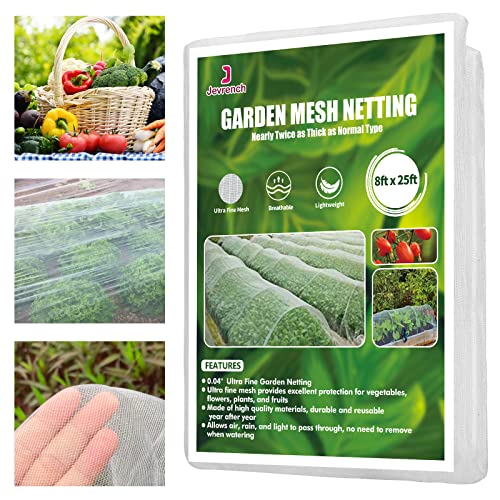
Defend Against Unwanted Visitors: Gardening is a rewarding and fulfilling endeavor, and you'll watch your plants grow from nothing to maturity before you finally harvest them. Once the plants begin to flower and bear fruit, these unwelcome visitors visit your garden and often leave a trail of destruction. Garden netting is the best choice for protecting your plants


True Gourmet Baby Carrots: Unlike shaved-down grocery store versions, Little Finger is a true miniature carrot bred for size and taste. Each root grows to about 4 inches long, with a blunt tip and sweet, crisp flavor—ideal for roasting whole or serving with elegant greens intact.
Conclusion
You now have a solid understanding of when to plant carrot seeds in zone 7. By following the guidelines provided in this article, you can increase your chances of a successful carrot harvest. Remember to select the right varieties, prepare your soil properly, sow your seeds correctly, and maintain good care throughout the growing season. Keep an eye out for pests like carrot rust flies and consider companion planting for added benefits. With the right knowledge and techniques, you’ll soon be enjoying fresh, homegrown carrots in your garden. Happy planting!
Frequently Asked Questions
What are key factors to consider when planting carrots successfully?
When planting carrots, it’s crucial to choose the right variety for your region and soil type, ensure the soil is loose and free of obstacles, sow the seeds at the correct depth and spacing, water consistently, use row covers to protect seedlings, mulch for moisture and temperature control, perform regular maintenance tasks like thinning and weeding, and harvest after 60-80 days.
How can I naturally deter pests when growing carrots?
Consider companion planting with onions or sage to repel pests like carrot rust flies.
What are some benefits of planting carrots?
Carrots are rich in vitamins and minerals, promote good vision, boost immunity, and are a healthy addition to your diet.
What is the ideal soil temperature for carrot seed germination?
Carrot seeds typically germinate best in soil temperatures ranging from 50°F to 85°F.
