

Ever wondered if you could kickstart your carrot journey right in the comfort of your own home? Picture this: craving those fresh, homegrown carrots, but unsure where to begin. Well, good news – you’re in the right place!
Did you know that starting carrots in seed trays could be the game-changer you’ve been searching for? Imagine having a bountiful harvest of vibrant carrots, all thanks to a few simple steps.
Benefits of Starting Carrots in Seed Trays
Planting carrots in seed trays comes with numerous benefits that can simplify your gardening experience and increase the success rate of your harvest:
- Optimal Growth Conditions: Seed trays provide a controlled environment that promotes healthy root development and enhances seed germination, leading to stronger carrot plants.
- Early Start: By starting carrots indoors, you can get a head start on the growing season and enjoy an earlier harvest. This can be particularly advantageous in regions with shorter growing seasons.
- Weed Prevention: Seed trays help in preventing weed competition, giving your carrot seedlings a better chance to thrive without competing for nutrients and sunlight.
- Space Efficiency: Seed trays allow for efficient use of space, especially for those with limited garden space. You can maximize your growing area by planting a high density of seeds in a compact tray.
Incorporating seed trays into your gardening routine can streamline the planting process and lead to a successful carrot harvest.
Choosing the Right Seed Trays
When it comes to Choosing the Right Seed Trays for starting your carrots, there are a few key considerations to keep in mind. Here are some tips to help you make the best choice:
- Size Matters: Opt for seed trays that are at least 2-3 inches deep to allow ample space for carrot roots to develop without becoming cramped.
- Drainage is Key: Look for trays with sufficient drainage holes to prevent waterlogging, which can hinder carrot growth.
- Material: Consider using seed trays made of durable plastic or biodegradable materials that can withstand moisture without deteriorating.
- Cell Size: Select trays with larger cells to accommodate carrot seedlings as they grow, promoting healthy root systems.
- Compatibility: Ensure the seed trays you choose are compatible with your growing environment, whether you’re starting seeds indoors or in a greenhouse.
By selecting the right seed trays tailored to your needs, you can provide your carrot seedlings with the ideal environment to thrive and flourish.
Recommended Products

EASIER SEED STARTING: Our Burpee SuperSeed tray with 16 extra-large flexible pop-out cells is designed to simplify indoor seed starting. Just add seed starting mix, seeds, water and light to get growing! Rows are labeled alphanumerically for seedling identification with included Plant-o-Gram diagram.
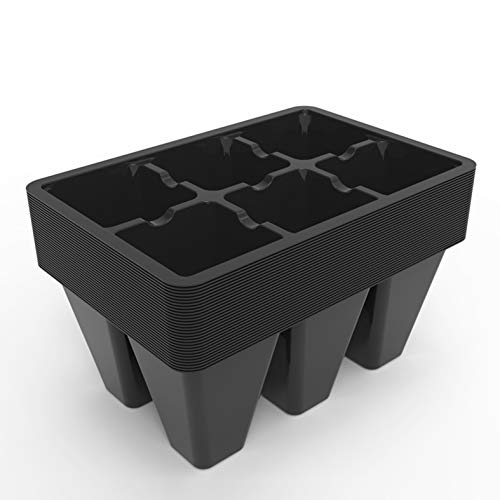
High Quality and Durable - Our Gardzen Seed Start Trays are made from premium plastic material, ensuring long-lasting use for all your seed starting needs. These trays are designed to withstand daily wear and tear, making them perfect for avid gardeners.

EASIER SEED STARTING: Our Burpee SuperSeed tray with 36 flexible pop-out cells is designed to simplify indoor seed starting for all your favorite vegetables, flowers and herbs. Just add seed starting mix, seeds, water and light to get growing! Rows are labeled alphanumerically for seedling identification with included Plant-o-Gram diagram. Tray dimensions: 11.5" x 10-3/8" x 2-1/4"
Selecting the Perfect Carrot Seeds
When selecting carrot seeds for your seed trays, it’s crucial to opt for high-quality seeds to kickstart the growth process effectively.
Here are some key considerations to keep in mind:
- Variety: Choose a carrot variety that suits your preference and growing conditions. Popular choices include Bolero, Napoli, and Scarlet Nantes.
- Seed Quality: Look for fresh seeds with a high germination rate to ensure a successful start. Check the seed packet for the germination percentage.
- Organic vs. Conventional: Decide whether you prefer organic or conventional seeds. Organic seeds are free from synthetic chemicals and GMOs.
- Utilize Hybrid Varieties: Hybrid carrot seeds offer benefits like disease resistance and uniformity in size.
Remember, selecting the perfect carrot seeds sets the foundation for a thriving crop in your seed trays.
Recommended Products
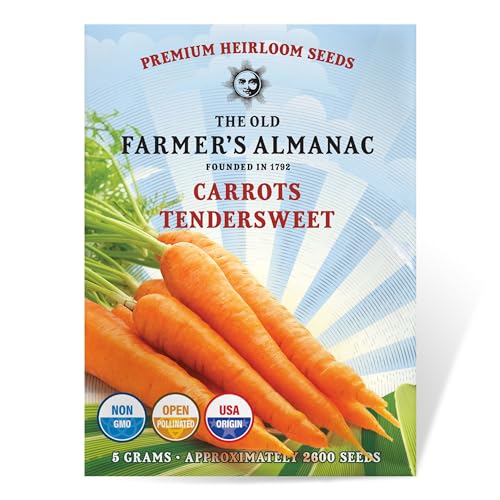
Premium Seeds: Tendersweet heirloom carrot variety offering approximately 2600 seeds for extensive garden planting and multiple growing seasons
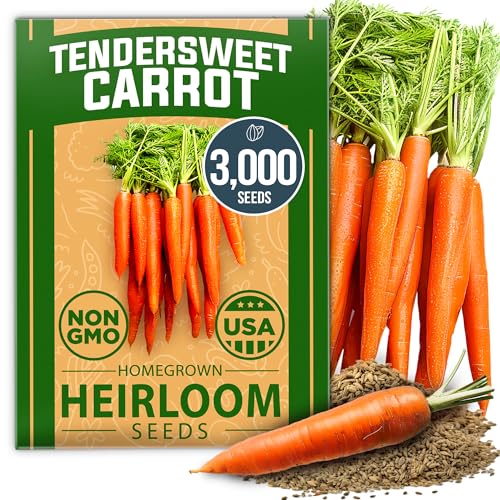
HARVEST VEGETABLES WITH CONFIDENCE - Grow a thriving garden with our carrot seeds for planting. These high-germination vegetable seeds ensure lush and healthy carrot plants. Perfect for creating a robust supply of heirloom carrots, they guarantee success for your fall vegetable seeds for planting.

Daucus Carota Sub. Sativus: These finest quality, non-GMO, organic Rainbow Carrot seeds produce a kaleidoscopic array of sweet, juicy carrots that add a dash of color to your favorite dishes and taste great too.
Planting Carrots in Seed Trays
When planting carrots in seed trays, you’ll want to follow these key steps:
- Select a Good Potting Mix: Choose a well-draining potting mix to prevent root rot.
- Prepare Seed Trays: Fill seed trays with the potting mix, leaving some space at the top.
- Sow Carrot Seeds: Plant carrot seeds at the recommended depth (usually 1/4 inch) and spacing.
- Water Gently: Keep the soil moist but not waterlogged to aid germination.
- Provide Adequate Light: Place the trays in a sunny spot or use grow lights for optimal growth.
- Thin Seedlings: Once they sprout, thin out weaker seedlings to give space to the stronger ones.
- Transplant Carefully: When transplanting, handle seedlings delicately to avoid damaging their roots.
Remember, starting carrots in seed trays can give you a head start on the growing season and produce healthy, robust plants for transplanting into your garden.
Caring for Carrot Seedlings
- Water: Ensure the soil is consistently moist but not waterlogged.
- Thinning: Thin out seedlings to prevent overcrowding and allow proper root development.
- Light: Provide adequate sunlight for healthy growth.
- Fertilize: Consider feeding your seedlings with a balanced fertilizer.
| Tips for Caring for Carrot Seedlings |
|---|
| Watering: Keep soil consistently moist. |
| Thinning: Remove excess seedlings for proper growth. |
| Light: Provide adequate sunlight exposure. |
| Fertilizing: Consider using a balanced fertilizer. |
Conclusion
Now that you’ve learned about caring for carrot seedlings, remember to keep the soil moist, thin out the seedlings, give them enough sunlight, and consider using balanced fertilizer. Following these tips will help your carrot seedlings thrive and prepare them for a successful transplant into your garden. Happy gardening!
Frequently Asked Questions
How should I care for carrot seedlings?
Carrot seedlings require consistent soil moisture, thinning to prevent overcrowding, ample sunlight exposure, and possible use of balanced fertilizer for optimal growth. Observing these practices will aid in fostering healthy development for successful transplantation.
Why is consistent soil moisture important for carrot seedlings?
Maintaining consistent soil moisture is crucial for carrot seedlings as it ensures proper hydration for growth and development. Fluctuations in soil moisture levels can lead to issues such as stunted growth, deformities, or bolting in carrot plants. Consistent moisture also aids in the absorption of essential nutrients from the soil.
When should I thin out carrot seedlings?
Thinning out carrot seedlings should be done when they reach about 2 inches in height. This practice helps prevent overcrowding, allowing sufficient space for individual plants to develop robust root systems and access adequate sunlight. Thinning also promotes good air circulation, reducing the risk of disease and enhancing overall carrot yield.
