

Ever wondered how to make your garden thrive with minimal effort? Imagine growing carrots alongside other plants, each benefiting the other. Picture a vibrant garden where every plant plays a crucial role in supporting its neighbors. In this article, discover the magic of polyculture with carrots and unlock a world of benefits for your garden.
Do you find yourself struggling with pests attacking your precious crops? Have you faced the challenge of depleting soil nutrients season after season? With polyculture featuring carrots as the star, you can say goodbye to these common gardening woes. By diversifying your garden with a mix of complementary plants, you not only enhance soil health but also create a natural defense system against pests.
Get ready to explore how polyculture can revolutionize your gardening experience. From increased biodiversity to improved soil fertility, the advantages of growing carrots in a polyculture system are boundless. Join us on this journey to uncover the secrets of successful and sustainable gardening with polyculture featuring the humble yet mighty carrot.
What is Polyculture?
Polyculture is a sustainable agricultural practice where different crops are grown together in the same space. This diverse planting method contrasts with monoculture, where only one type of crop is cultivated. In a polyculture system, plants benefit from symbiotic relationships and promote a healthier environment for growth.
In a polyculture setting, each plant plays a specific role in the ecosystem. Diverse crops complement each other by balancing nutrient levels in the soil, reducing the risk of pests and diseases, and enhancing overall soil health. By planting a variety of species together, gardeners can create a self-sustaining and harmonious environment where plants work together for mutual benefit.
The Benefits of Polyculture in Gardening
Diving into the world of polyculture can have numerous advantages for your garden. Here’s why mixing different crops, like carrots, in your gardening practices can lead to a flourishing and balanced ecosystem:
- Biodiversity: Planting a variety of crops can attract a diverse range of beneficial insects and pollinators to your garden, promoting a healthier environment.
- Soil Health: Different plants have varying nutrient needs and root structures, which can help prevent soil depletion and improve overall soil health in the long run.
- Pest Control: Certain plants can naturally repel pests or attract helpful insects that act as natural pest control, reducing the need for harmful chemicals in your garden.
- Companion Planting: By strategically planting crops that benefit each other, such as carrots alongside onions to deter pests, you can create a symbiotic relationship that enhances growth and overall plant health.
- Reduced Maintenance: Polyculture can help reduce the risk of plant diseases and lessen the need for excessive watering or fertilization, making your gardening efforts more sustainable and efficient.
By exploring the realm of polyculture and integrating diverse crops like carrots into your gardening routine, you can witness a harmonious interplay of plants that not only benefit each other but also contribute to a thriving and sustainable garden ecosystem.
Carrots: A Versatile Crop in Polyculture
Carrots are a versatile crop that can thrive in various growing conditions and are well-suited for polyculture. Here’s why they are a valuable addition to your multicropping strategies:
- Complement Other Crops: Carrots have a shallow root system, allowing them to grow alongside plants with deeper roots, such as corn or tomatoes.
- Beneficial Companion: They can act as a beneficial companion plant for vegetables like lettuce or onions, promoting healthy growth through natural interactions.
- Natural Pest Repellent: Carrots emit compounds that help repel pests like aphids or carrot flies, benefiting neighboring plants in the polyculture.
- Extended Harvest Period: By planting different varieties of carrots with varying maturity dates, you can extend your harvest season and enjoy a continuous supply of fresh produce.
- Soil Health: Carrots contribute to improved soil structure by breaking up compacted soil, enhancing nutrient absorption for surrounding plants.
Incorporating carrots into your polyculture system not only diversifies your harvest but also promotes a thriving ecosystem that supports the overall health of your garden.
Creating a Successful Polyculture System with Carrots
Polyculture gardening with carrots involves strategic planning and thoughtful consideration. Here’s how you can set yourself up for success:
- Companion Planting: Carrots thrive alongside lettuce, onions, and tomatoes. Planting them together can improve overall growth and yield.
- Succession Planting: Plant new carrot seeds every few weeks for a continuous harvest throughout the growing season.
- Spacing: Adequate spacing between carrot rows is essential to allow for proper growth and easy harvesting.
- Weed Control: Mulching around carrots helps control weeds and retain moisture in the soil, promoting healthy growth.
| Optimal Spacing for Carrots | Ideal Time to Thin Carrot Seedlings |
|---|---|
| 2-3 inches apart | When carrot seedlings are 2 inches tall |
Recommended Products

Vibrant Colors: Red, purple, white, yellow & orange rainbow carrots; 90%+ germination rate. Rainbow carrot seeds for planting thrive in USDA 3‑11, ideal for growing carrots fresh for juicing & fresh snacks.
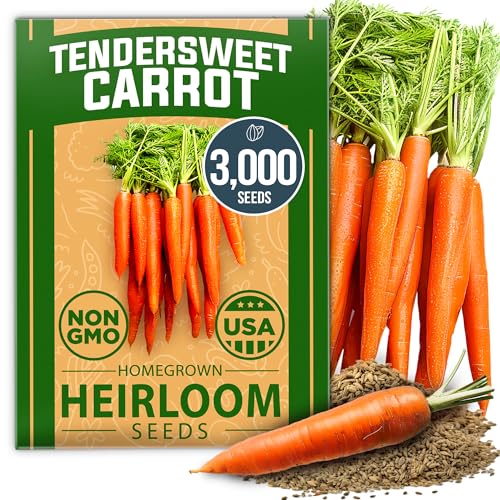
Premium Tendersweet Carrot Seeds: Authentic Open-Pollinated Premium Heirloom Seeds (USA) Non-GMO, Untreated, High Germination Rate. Phenomenal dessert Brix profile. High-impact carotene energy. An outstanding orange monolith for open ground, high ridges, and patio containers. Your garden bed is your pride.

Premium Seeds: Tendersweet heirloom carrot variety offering approximately 2600 seeds for extensive garden planting and multiple growing seasons
Maximizing the Benefits: Tips for Polyculturing with Carrots
When polyculturing with carrots, there are several tips you can follow to maximize the benefits. Here are some practical suggestions for ensuring successful integration of carrots into your polyculture system:
- Rotate Crops: Rotate your crops regularly to prevent soil depletion and help avoid pests and diseases that specifically target carrots. Try planting carrots in a different section of your garden each year.
- Companion Planting: Consider companion planting carrots with beneficial plants such as lettuce, onions, and tomatoes. These companion plants can help repel pests, enhance soil health, and provide mutual benefits to one another.
- Succession Planting: Ensure a continuous harvest by succession planting carrots. Sow new seeds every few weeks to extend the harvest period and enjoy a steady supply of fresh carrots.
- Mulching: Use mulch around your carrot plants to suppress weeds and retain soil moisture. This practice can improve soil quality and reduce the need for frequent watering, benefiting both your carrots and the surrounding plants.
- Optimal Spacing: Properly space your carrot rows to promote healthy growth and prevent overcrowding. Follow recommended spacing guidelines for the best results.
- Thinning: Thin your carrot seedlings to allow sufficient space for each plant to develop properly. Thinning helps prevent overcrowding and encourages larger, healthier carrots at harvest time.
By implementing these tips and practices, you can enhance the success of polyculturing with carrots in your garden.
Recommended Products

Automatic soil release mechanism for quicker planting

Precise Seed Planting: Designed for an accurate and efficient planting experience, the Berry&Bird Hand Dibber allows for exact placement of seeds and seedlings. Simply push the tip into the soil to create consistent small holes to plant seeds or for small transplants in soil. Perfect for gardeners who value precision in their planting.

PRECISION SEEDING & TRANSPLANTING TOOL: Narrow blade reaches tight spaces. Built-in depth scale supports consistent planting depth for seeds, bulbs and seedlings. Perfect for flower, vegetable sowing and small plant transplanting.
Conclusion
You’ve learned valuable insights on the benefits of incorporating carrots into a polyculture system. By following the tips shared in this article, you can enhance soil health, deter pests, and promote mutual growth among companion plants. Remember to rotate crops annually, practice succession planting, and maintain optimal spacing for a bountiful harvest. Embrace mulching for weed control and moisture retention, and ensure proper thinning of seedlings for robust growth. With these strategies, you can create a thriving polyculture garden that maximizes the advantages of growing carrots alongside other compatible crops. Happy gardening!
Frequently Asked Questions
Q: Why is rotating crops important in a polyculture system with carrots?
A: Rotating crops helps maintain soil health, prevents pests, and avoids nutrient depletion, enhancing overall garden productivity.
Q: What are the recommended companion plants for carrots in a polyculture garden?
A: Lettuce, onions, and tomatoes make excellent companion plants for carrots, providing mutual benefits and support for each other’s growth.
Q: Why is succession planting crucial when growing carrots in a polyculture system?
A: Succession planting ensures a continuous harvest of carrots throughout the growing season, maximizing yield and garden utilization.
Q: How does mulching benefit carrot growth in a polyculture garden?
A: Mulching helps control weeds, retain soil moisture, and promote optimal growing conditions for carrots, enhancing overall plant health and productivity.
Q: What is the recommended spacing between carrot rows in a polyculture system?
A: Maintaining a spacing of 2-3 inches between carrot rows is ideal for proper root development and sufficient airflow in the garden bed.
Q: Why is thinning seedlings important when growing carrots in a polyculture garden?
A: Thinning seedlings allows carrots to grow to their full potential by reducing competition for nutrients, sunlight, and space, promoting healthier and robust plants.
