Close Menu
    Veggie Knowledge
    • Home
    • Growing Vegetables
      • Beets
      • Broccoli
      • Carrots
      • Cucumber
      • Green Beans
    • Tips and Advice
    • Free eBook
    • About
      • Contact
      • Privacy Policy
    Veggie Knowledge
    Home»Carrots»Maximize Your Carrot Harvest: Essential Tips for Continuous Bounty
    Carrots

    Maximize Your Carrot Harvest: Essential Tips for Continuous Bounty

    Lucy StoneBy Lucy StoneJune 12, 20245 Mins Read
    Facebook Twitter Pinterest LinkedIn Tumblr WhatsApp VKontakte Email
    Share
    Facebook Twitter LinkedIn Pinterest Email

    Ever wondered how you can keep those fresh, crunchy carrots coming all season long? Picture this: you plant a batch, eagerly await the harvest, and before you know it, they’re all gone. Fret not, as we’ve got your back with the ultimate guide to achieving a continuous supply of these vibrant veggies right in your own backyard.

    Contents show
    1 Selecting the Right Carrot Varieties
    2 Succession Planting Method
    3 Proper Soil Preparation
    4 Ideal Growing Conditions
    5 Harvesting for a Continuous Supply
    6 Conclusion
    7 Frequently Asked Questions
    7.1 What are the key factors for ideal growing conditions of carrots?
    7.2 How can I ensure a continuous harvest of carrots?
    7.3 What is the importance of strategic planning for harvesting carrots?

    Selecting the Right Carrot Varieties

    • Length: Pick varieties that match your soil type and depth.
    • Color: Choose from a range like orange, purple, or yellow for a vibrant mix.
    • Shape: Opt for straight or cylindrical shapes, depending on your preference.
    • Flavor: Select based on whether you prefer sweet, mild, or bold flavors.
    • Experiment with different kinds to find what grows best in your backyard.

    Recommended Products

    Carrot Seeds Variety Pack for Planting – 6 Variety Carrot Seed Collection with Little Finger, Danvers, Scarlet Nantes, Tendersweet, Imperator 58, Chantenay Royal Carrots | Survival Garden Seeds
    Carrot Seeds Variety Pack for Planting – 6 Variety Carrot Seed Collection with Little Finger, Danvers, Scarlet Nantes, Tendersweet, Imperator 58, Chantenay Royal Carrots | Survival Garden Seeds

    6 VARIETY CARROT SEEDS COLLECTION – Little Finger, Danvers, Scarlet Nantes, Tendersweet, Imperator 58, and Chantenay Royal garden carrot seeds (Daucus carota subsp. sativus)
    VIEW LATEST PRICE

    As an affiliate, we earn on qualifying purchases.

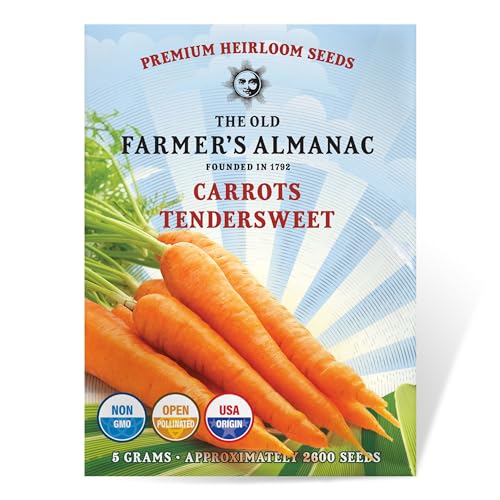
    The Old Farmer's Almanac Heirloom Carrot Seeds (Tendersweet) - Approx 2600 Seeds - Non-GMO, Open Pollinated
    The Old Farmer's Almanac Heirloom Carrot Seeds (Tendersweet) - Approx 2600 Seeds - Non-GMO, Open Pollinated

    Premium Seeds: Tendersweet heirloom carrot variety offering approximately 2600 seeds for extensive garden planting and multiple growing seasons

    VIEW LATEST PRICE

    As an affiliate, we earn on qualifying purchases.

    Danvers Carrot Seeds – Danvers 126 Half-Long Carrots for Planting, High-Yield Heirloom Variety – Non-GMO, Open Pollinated Garden Carrot Seeds – Survival Garden Seeds (1 Pack)
    Danvers Carrot Seeds – Danvers 126 Half-Long Carrots for Planting, High-Yield Heirloom Variety – Non-GMO, Open Pollinated Garden Carrot Seeds – Survival Garden Seeds (1 Pack)

    RELIABLE HEIRLOOM VARIETY - Classic Danvers 126 Half-Long carrots deliver uniform roots with rich, sweet flavor and deep orange color for everyday meals and long-term storage

    VIEW LATEST PRICE

    As an affiliate, we earn on qualifying purchases.

    Succession Planting Method

    When planting carrots for continuous harvest, succession planting is a key technique. This method involves sowing seeds at regular intervals to ensure a steady supply of carrots throughout the growing season. Here’s how you can effectively implement the succession planting method in your backyard:

    • Start Early: Begin by planting the first batch of carrot seeds as soon as the soil is workable in the spring.
    • Regular Intervals: Sow seeds every 2-3 weeks to stagger the maturity of the carrots.
    • Harvest and Replant: As you harvest mature carrots, immediately replant that space with new seeds to fill the gap.
    • Extend the Season: Continue planting until about 10-12 weeks before the first fall frost date to maximize your harvest.
    MUST READ:  Maximize Carrot Pest Control with Companion Planting Strategies
    Key PointDetails
    Starting SeedsBegin as soon as soil is workable
    IntervalSow every 2-3 weeks
    HarvestingReplant immediately after harvest
    End PlantingAbout 10-12 weeks before frost

    Recommended Products

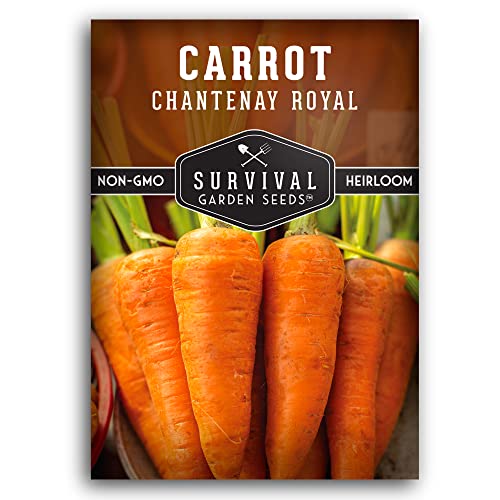
    Royal Chantenay Carrot Seeds for Planting – Heirloom Short Carrots for Heavy Soil – Sweet, Tender Roots for Fall & Winter Harvests – Non-GMO, Open-Pollinated – Survival Garden Seeds (1 Pack)
    Royal Chantenay Carrot Seeds for Planting – Heirloom Short Carrots for Heavy Soil – Sweet, Tender Roots for Fall & Winter Harvests – Non-GMO, Open-Pollinated – Survival Garden Seeds (1 Pack)

    SWEET FLAVOR - Royal Chantenay carrots have rich orange color and a sweet, crisp flavor perfect for roasting, soups, and fresh snacking straight from the garden

    VIEW LATEST PRICE

    As an affiliate, we earn on qualifying purchases.

    Sow Right Seeds - Tendersweet Carrot Seeds for Planting - Non-GMO Heirloom Packet with Instructions to Plant & Grow an Outdoor Home Vegetable Garden - Coreless Market Variety - Makes a Great Gift (1)
    Sow Right Seeds - Tendersweet Carrot Seeds for Planting - Non-GMO Heirloom Packet with Instructions to Plant & Grow an Outdoor Home Vegetable Garden - Coreless Market Variety - Makes a Great Gift (1)

    Beautiful – Large premium packet of Tendersweet Carrot (Daucus var. 'Tendersweet') seed. Sweet, tender, and flavorful, Tendersweet is a deep orange carrot that grows in an attractive tapered shape. The long roots reach 7-9 inches and have a diameter of 1-2 inches. These carrots have a fine-grained texture and are nearly coreless. Minimum of 800 mg per packet (about 525 seeds).
    VIEW LATEST PRICE

    As an affiliate, we earn on qualifying purchases.

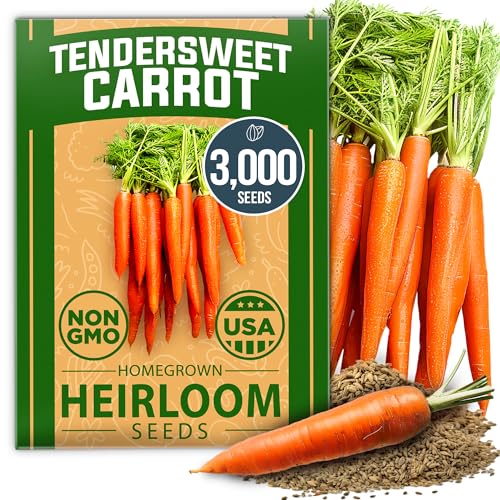
    HOME GROWN Tendersweet Carrots Seeds 3000+ Heirloom Non-GMO Seeds for Planting,High Germination,Sweetest Coreless Root Vegetable, Crunchy Summer Garden,Great for Canning (Daucus carota subsp. sativus)
    HOME GROWN Tendersweet Carrots Seeds 3000+ Heirloom Non-GMO Seeds for Planting,High Germination,Sweetest Coreless Root Vegetable, Crunchy Summer Garden,Great for Canning (Daucus carota subsp. sativus)

    HARVEST VEGETABLES WITH CONFIDENCE - Grow a thriving garden with our carrot seeds for planting. These high-germination vegetable seeds ensure lush and healthy carrot plants. Perfect for creating a robust supply of heirloom carrots, they guarantee success for your fall vegetable seeds for planting.

    VIEW LATEST PRICE

    As an affiliate, we earn on qualifying purchases.

    Proper Soil Preparation

    To achieve a continuous harvest of carrots, Proper Soil Preparation is essential. Here are some key steps you should follow:

    • Ensure the soil is well-drained.
    • Loosen the soil to at least 12 inches deep.
    • Remove any rocks or debris that could impede carrot growth.
    • Incorporate organic matter like compost to improve soil fertility.
    • Avoid using fresh manure, as it can cause forked or stunted carrots.
    MUST READ:  How to Space Carrot Seedlings for Healthy Growth: Best Tips

    By preparing your soil correctly, you create the ideal environment for your carrots to thrive and provide you with a bountiful harvest all season long.

    Recommended Products

    Espoma Organic Raised Bed Mix - All Natural and Organic Potting Soil Mix for Growing Vegetables and Herbs in Raised Garden Beds. for Organic Gardening.1.5 Cubic Foot Bag
    Espoma Organic Raised Bed Mix - All Natural and Organic Potting Soil Mix for Growing Vegetables and Herbs in Raised Garden Beds. for Organic Gardening.1.5 Cubic Foot Bag

    FOR USE: Ideal for raised garden beds and outdoor containers.

    VIEW LATEST PRICE

    As an affiliate, we earn on qualifying purchases.

    HOW TO GROW CARROTS : Beginners Guide to Growing, Caring And Harvesting Carrot At Home And in The Garden (Growing crops and edible blooms in your garden)
    HOW TO GROW CARROTS : Beginners Guide to Growing, Caring And Harvesting Carrot At Home And in The Garden (Growing crops and edible blooms in your garden)
    VIEW LATEST PRICE

    As an affiliate, we earn on qualifying purchases.

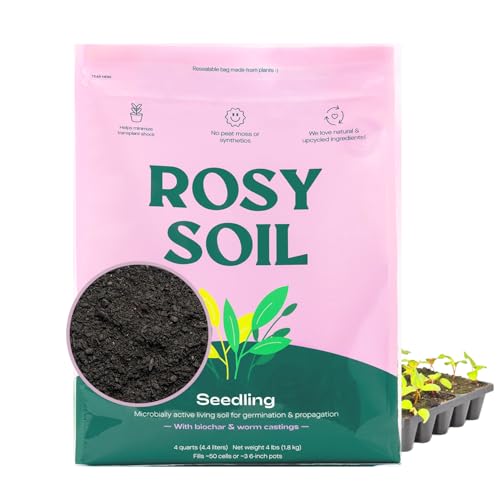
    Rosy Soil Seedling Seed Starter Soil - Peat-Free Organic Potting Mix for Seeds, Cuttings, Microgreens- w/Worm Castings, Root-Boosting Biochar, Less Prone to Gnats, for Germination, Propagation - 4qt
    Rosy Soil Seedling Seed Starter Soil - Peat-Free Organic Potting Mix for Seeds, Cuttings, Microgreens- w/Worm Castings, Root-Boosting Biochar, Less Prone to Gnats, for Germination, Propagation - 4qt

    Ideal Growing Foundation: Our seed starter soil mix is expertly formulated to enhance soil aeration, drainage, and nutrient absorption, providing the perfect environment for strong, healthy seedlings and plants to flourish. This seed starter soil supports vigorous plant development from the very beginning.

    VIEW LATEST PRICE

    As an affiliate, we earn on qualifying purchases.

    Ideal Growing Conditions

    To achieve a continuous harvest of carrots, Ideal Growing Conditions play a crucial role. Here are some key factors to consider:

    • Sunlight: Carrots thrive in full sunlight. Make sure they receive at least 6-8 hours of sunlight daily.
    • Soil pH: Carrots prefer a pH level between 6.0 and 6.8. Test your soil and adjust if needed.
    • Moisture: Maintain consistent moisture levels in the soil. Uneven watering can cause carrot roots to crack.
    • Spacing: Plant your carrots in rows, ensuring 3-4 inches of space between seeds.
    • Temperature: Carrots prefer cool weather. Plant them in early spring or late summer for optimal growth.
    • Weeding: Keep your carrot patch free of weeds. Weeds can compete with carrots for nutrients and stifle growth.
    • Mulching: Mulch around the carrots to regulate soil temperature and retain moisture.
    • Pest Control: Monitor for pests like carrot rust flies and use appropriate pest control methods to protect your crop.
    • Watering: Water deeply and consistently. Carrots need about 1 inch of water per week.
    MUST READ:  Efficient Carrot Harvesting Techniques: Keeping Them Fresh & Flavorful

    Sunlight6-8 hours daily
    Soil pH6.0-6.8
    Spacing3-4 inches
    Watering1 inch per week

    Harvesting for a Continuous Supply

    To ensure a continuous harvest of carrots, strategic planning is essential when it comes to harvesting. Here are some key tips to help you maintain a steady supply of these nutritious root vegetables:

    • Successive Planting: Plant carrot seeds every two to three weeks for a staggered harvest throughout the season.
    • Gentle Harvesting: When pulling carrots from the ground, be gentle to avoid damaging the roots.
    • Storage Matters: Store harvested carrots in a cool, humid place such as the fridge or a root cellar to extend their freshness.
    • Trimming Technique: Trim the green tops of the carrots to around an inch to preserve moisture and prevent wilting.
    • Regular Checks: Check your carrot patch regularly for mature roots to harvest promptly and make space for new plantings.

    By following these practical guidelines, you can sustain a continuous bounty of delicious, homegrown carrots to enjoy throughout the growing season.

    Conclusion

    You’ve learned the key factors for a bountiful carrot harvest: ideal growing conditions, strategic harvesting, and proper care techniques. By ensuring your carrots have the right environment, planning your harvests thoughtfully, and maintaining your crop diligently, you can enjoy a continuous supply of fresh, flavorful carrots all season long. Keep implementing these tips, and you’ll soon be savoring the rewards of your labor with every crunchy bite of your homegrown carrots. Happy growing!

    Frequently Asked Questions

    What are the key factors for ideal growing conditions of carrots?

    Carrots thrive in full sun, well-draining soil with a pH of 6.0-6.8, consistent moisture, spaced 2 inches apart, cool temperatures, weed-free environment, mulching, pest control, and regular watering.

    How can I ensure a continuous harvest of carrots?

    Plan for successive plantings every 2-3 weeks, use gentle harvesting techniques to avoid damage, store harvested carrots in a cool, humid place, trim excess foliage, check for maturity regularly, and make space for new plantings in your garden.

    What is the importance of strategic planning for harvesting carrots?

    Strategic planning ensures a steady supply of fresh carrots throughout the growing season by maximizing space, time, and resources, ultimately leading to a continuous bounty of delicious, homegrown carrots.

    Share. Facebook Twitter Pinterest LinkedIn Tumblr WhatsApp Email
    Previous ArticleHow to Plant Burpless Cucumbers: Essential Care Tips for a Bountiful Harvest
    Next Article How to Maximize Cucumber Plant Growth: Tips for Abundant Harvests
    lucy stone
    Lucy Stone

      Hi, I'm Lucy! As a passionate gardener and writer for Veggie Knowledge, I've dedicated my life to exploring the secrets of successful vegetable growing. My love for gardening blossomed in my grandmother's backyard, where I learned how much joy a single plant can bring. I aim to share that joy through practical tips and insightful advice, helping you cultivate your own thriving garden

      Related Posts

      5 Effective Organic Fertilizers for Growing Carrots: A Complete Guide

      July 9, 2024

      How to Cultivate Prize-Worthy Giant Carrots: Pest Control Tips Included

      July 9, 2024

      Why You See White Spots on Carrot Leaves and How to Prevent Them

      July 9, 2024

      How to Harvest and Enjoy Perfect Carrots from Your Vertical Garden

      July 9, 2024
      Leave A Reply Cancel Reply

      Affiliate Disclosure

      As an Amazon Associate, I earn from qualifying purchases.

      Recommended Reading

      How Deep Do Artichoke Roots Grow? Everything You Need to Know

      Growing Vegetables

      How to Grow a Bean Plant: Complete Beginner’s Checklist

      Growing Vegetables

      How to Harvest Kale: Keep It Growing for Constant Greens

      Growing Vegetables

      How Long to Grow Spinach? Step-by-Step for Beginners

      Growing Vegetables

      How to Grow Edible Ginger: Complete Beginner’s Checklist

      Growing Vegetables

      How Long to Grow a Carrot From a Seed? Diagnostic Guide

      Growing Vegetables

      How Does Loam Help Grow Tomatoes? Everything You Need to Know

      Growing Vegetables

      How to Grow Potatoes in a Tower: Pro Secrets for Big Yields

      Growing Vegetables
      How VeggieKnowledge.com Got Started

      We started this website to share our love of vegetables with the world, and to help people discover the many benefits of growing, cooking, and eating fresh and delicious vegetables.

      Got questions or comments? You can reach us at [email protected].

      Featured Articles

      10 Common Gardening Mistakes (and How to Avoid Them)

      How Much Sun Do Vegetables Really Need?

      Beginner’s Guide to Growing Vegetables: What to Know Before You Start

      Watering 101: How to Keep Your Plants Happy and Healthy

      The Best Vegetables for First-Time Gardeners

      Categories
      • Beets
      • Broccoli
      • Carrots
      • Cucumber
      • Green Beans
      • Tips and Advice
      Veggie Knowledge
      • Home
      • About
      • Contact
      • Privacy Policy
      • Affiliate Disclosure
      • Free eBook
      © 2026 Veggie Knowledge

      Type above and press Enter to search. Press Esc to cancel.