

Struggling to get your carrot seeds to sprout in dry soil? Picture this: you’ve carefully planted your carrot seeds, but the soil is as dry as a desert. Don’t worry, we’ve got your back! In this article, we’ll explore the best methods to rehydrate dry soil and ensure your carrots thrive.
Importance of Proper Soil Moisture for Carrots
Ensuring adequate soil moisture is crucial for carrot growth. Without it, carrot seeds struggle to sprout, resulting in poor yields. Dry soil can hamper the germination process and hinder root development. Here’s why proper soil moisture is essential:
- Nutrient Absorption: Carrots rely on moist soil to take in essential nutrients for healthy growth.
- Water Regulation: Consistent moisture helps regulate water intake, preventing wilting and stunted growth.
- Optimal Growth: Carrots thrive in well-drained soil with even moisture levels, promoting root development and overall plant health.
To achieve optimal soil moisture, consider these tips:
- Watering Schedule: Monitor soil moisture levels and water consistently to maintain even moisture for carrot beds.
- Mulching: Apply a layer of mulch to retain soil moisture and prevent evaporation, especially during dry periods.
- Proper Drainage: Ensure adequate drainage to prevent waterlogging, which can lead to root rot.
Maintaining proper soil moisture sets the stage for successful carrot growth. Experiment with these tips to create an ideal environment for your carrot crop.
Signs of Dehydrated Soil
When soil lacks moisture, there are distinct signs you should look out for.
- Hard and Cracked Surface: The soil might appear dry and have visible cracks.
- Limited Plant Growth: Carrots may struggle to grow properly, with stunted growth and yellowing leaves.
- Slow Germination: Seeds may take longer to sprout, affecting the overall growth cycle.
- Water Runs Off Quickly: When watering, you might notice the water quickly running off instead of being absorbed.
- Wilting Plants: Carrot plants may start to wilt, indicating a lack of water uptake.
- Dry Texture: The soil may feel excessively dry to the touch and have a powdery texture.
To rectify dehydrated soil and promote healthy carrot growth, it’s vital to take action promptly.
Choosing the Right Method for Rehydration
- Watering: Regular and consistent watering is crucial for rehydrating your dry soil. Make sure to water deeply to reach the roots.
- Mulching: Applying a layer of mulch on top of the soil can help retain moisture, preventing it from drying out too quickly.
- Compost: Incorporating compost into the soil can improve its ability to hold moisture, benefiting carrot growth.
- Drip Irrigation: Consider using a drip irrigation system for precise and efficient watering that targets the roots directly.
| Important Tips for Rehydration |
|---|
| Water deeply and consistently. |
| Apply mulch to retain moisture. |
| Incorporate compost for better soil moisture retention. |
| Consider drip irrigation for more precise watering. |
Techniques for Rehydrating Dry Soil
When rehydrating dry soil for your carrots, it’s essential to use the right techniques for optimal results. Here are some practical methods to help you revitalize your soil:
- Regular Watering: Ensure you water your garden consistently. Aim for 1 inch of water per week, adjusting based on weather conditions. Divide your watering sessions to prevent runoff and allow the soil to absorb moisture effectively.
- Deep Watering: When watering, focus on penetrating deep into the soil. This encourages root growth and helps prevent surface evaporation. Watering deeply also aids in reaching the carrot roots effectively for proper hydration.
- Mulching: Apply a layer of mulch around your carrot plants. This helps retain moisture, regulates soil temperature, and prevents water loss through evaporation. Organic mulches like straw or wood chips work well for carrots.
- Compost Incorporation: Mix compost into your soil to improve its moisture retention. Compost adds nutrients and helps enhance soil structure, allowing it to hold water more effectively for carrot growth.
- Drip Irrigation: Consider using drip irrigation for precise and direct watering to the roots. This method reduces water waste and optimizes hydration, ensuring your carrots receive the right amount of water where they need it most.
By implementing these techniques, you can rehydrate your dry soil effectively and create optimal conditions for your carrots to thrive.
Recommended Products

Quick Connect Design: Newly Upgraded Quick Connect Irrigation System Say Goodbye to Complicated Settings! Our upgraded 4-way connectors, tees, and nozzles can now be easily connected directly to 1/4 "irrigation pipes. No more trouble with heating or softening - just plug and play!

【Universal 1/4 Inch Size Set】- Designed for US market compatibility,MIXC new drip irrigation system set uses 1/4 inch (6mm) components to address potential mismatches with standard hoses, unlike some 5/16 inch systems. It includes 2-way connectors, tubing, and 3-way connectors to help users set up DIY garden irrigation more conveniently.

NO MORE HARD INSTALLATION - SET UP IN MINUTES. Tired of struggling with stiff barbed fittings? This drip irrigation system features quick-connect fittings that let you push, lock, and secure tubing effortlessly. No tools, no leaks, just a smooth setup experience. Enjoy a frustration-free installation and get your garden watering system running in minutes.
Best Practices for Maintaining Soil Moisture
Watering Schedule
- Water your carrot patch with 1 inch of water per week to ensure adequate moisture levels.
- Consider deep watering to encourage strong root development and drought tolerance in your carrots.
Mulching for Moisture Retention
- Apply a layer of mulch around your carrot plants to retain soil moisture and prevent evaporation.
Incorporating Compost
- Improve your soil’s water-holding capacity by incorporating compost into the top layer to retain moisture.
- Use drip irrigation systems to deliver water directly to the base of your carrot plants for more efficient absorption.
By following these best practices, you can effectively maintain soil moisture levels in your garden, promoting healthy carrot growth.
Recommended Products

Convenient and portable storage kit contains 102 professional grade universal Drip irrigation parts
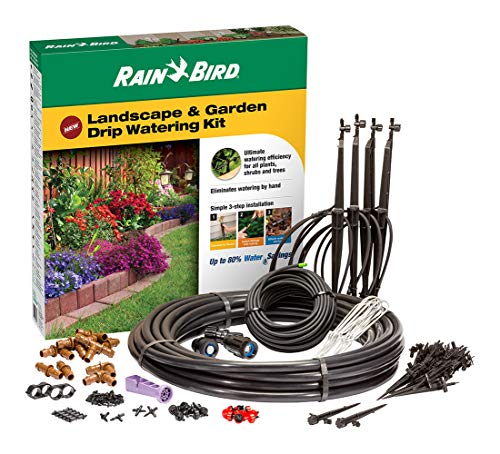
Comprehensive 108-piece kit for flower beds, gardens and landscaped areas; eliminates hand watering, saves time and money
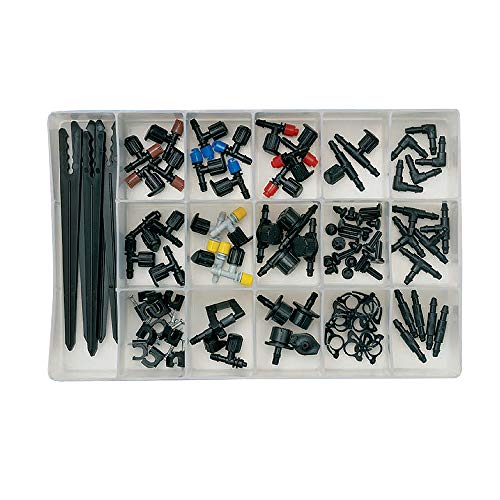
For optimizing plant health by applying water directly at the plant roots
Conclusion
You now have a range of effective techniques to keep your carrot patch thriving. By following these best practices, you can ensure that your soil remains adequately hydrated for your carrots to grow strong and healthy. Remember to water consistently, mulch to retain moisture, incorporate compost, and consider using drip irrigation for efficient watering. By implementing these strategies, you’ll be on your way to cultivating a bountiful carrot harvest in no time. Happy gardening!
Frequently Asked Questions
How much water should I give my carrots per week?
Water your carrot patch with 1 inch of water per week to maintain soil moisture levels and support healthy carrot growth.
Why is deep watering important for carrots?
Deep watering is important for carrots because it encourages strong root development by allowing the roots to grow deep into the soil.
How can mulching help retain soil moisture?
Mulching helps retain soil moisture by reducing evaporation, preventing water loss, and maintaining consistent moisture levels around the carrot plants.
Why is incorporating compost beneficial for soil moisture?
Incorporating compost into the soil is beneficial because it improves the soil’s water-holding capacity, helping it retain moisture for longer periods.
How can drip irrigation systems improve water delivery?
Drip irrigation systems deliver water directly to the base of the plants, minimizing water loss through evaporation and ensuring efficient water distribution for optimal carrot growth.
