

Ever wondered how to fit more carrots in your garden without taking up extra space? Picture this: You’re eager to grow a bountiful carrot harvest, but your garden real estate is limited. What if you could make the most out of every inch of soil available? In this article, we’ll show you clever strategies to maximize space when planting carrots.
Choose the Right Carrot Varieties
When selecting carrot varieties for your garden, opt for miniature or baby carrot varieties as they require less space to grow. Look for “Nantes” or “Chantenay” carrots for a compact garden. These varieties are shorter in length compared to traditional carrots but still pack a flavorful punch.
Consider planting round or cylindrical carrot varieties such as “Paris Market” carrots. Their shape allows them to grow in tight spaces more efficiently. With their compact size, you can maximize the number of carrots grown within a confined area.
Experiment with multicolored carrot varieties like “Rainbow Blend” to add visual interest to your garden while saving space. These colorful carrots come in various shades, making them a delightful addition to any garden while still being space-efficient.
Additionally, baby carrot varieties like “Little Finger” can thrive in small spaces. Their petite size makes them ideal for container gardening or planting in raised beds with limited room for growth.
Explore diverse carrot varieties to find the ones that best suit your space limitations, taste preferences, and aesthetic goals.
Prepare the Soil Efficiently
When it comes to planting carrots in limited spaces, preparing the soil efficiently is crucial. Here are some tips to help you make the most of your space:
- Loosen the Soil: Before planting, ensure the soil is loose and well-drained for optimal root development.
- Remove Debris: Clear the planting area of rocks, sticks, and other debris that can impede carrot growth.
- Add Compost: Incorporate 1-2 inches of compost into the soil to improve fertility and moisture retention.
- Avoid Excess Nitrogen: Carrots prefer soil with moderate nitrogen levels. Avoid using excessive nitrogen-rich fertilizers that can lead to forked roots.
- Consider Raised Beds: If space is limited, raised beds are a great option as they provide deep, loose soil for carrots to grow straight and uniform.
- Space Efficiently: Plant carrot seeds in rows with 2-3 inches between each seed to maximize space utilization.
- Mulch: After planting, apply a layer of organic mulch to retain moisture and suppress weeds, helping carrots thrive in a confined space.
By implementing these soil preparation techniques, you can create an optimal environment for growing carrots even in small or compact garden spaces.
Utilize Vertical Space with Trellises
When space is limited, vertical gardening can be a game-changer. Trellises are excellent for maximizing space as they allow you to grow upwards, using the vertical plane for your carrot plants. By utilizing trellises, you can make the most of limited garden space and increase your overall yield.
Here are some tips on how to effectively utilize trellises for growing carrots in small spaces:
- Choose the Right Trellis: Opt for sturdy trellises that can support the weight of growing carrot plants.
- Vertical Planting: Plant carrots at the base of the trellis and train them to grow upwards along the structure.
- Regular Maintenance: Keep an eye on your plants and adjust their growth as needed to ensure they are properly supported.
- Space Efficiency: Trellises can help you fit more plants in a smaller area, making the most of every inch of your garden.
- Improved Air Circulation: Growing vertically can also help improve air circulation around your plants, reducing the risk of diseases.
With these tips in mind, you can effectively utilize trellises to maximize space and grow healthy, thriving carrot plants in even the smallest of gardens.
Recommended Products

Extra Large & Stable Support Structure Measuring 63" H×47" L×23" W, this garden trellis frame provides ample vertical growing space for climbing plants. The thickened inner-diameter pipes enhance overall stability, helping support heavy vegetables and fruit vines without bending.

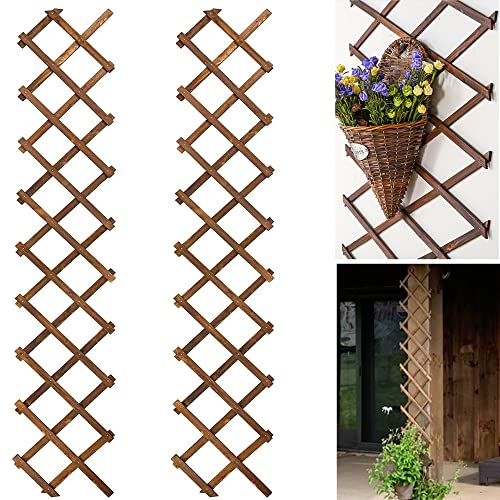
🌲【Natural Wooden Fence】 :Wooden lattice wall planter are perfect for climbing plant and provide them enough places to stretch branches. Besides, they can be used as wall-mounted flower pots shelf, garden fences, and home decorations that can hang family photos or string lights.
Interplant with Companion Plants
When planting carrots, consider interplanting them with companion plants. This method not only maximizes space but also benefits the overall health of your garden. Here are some companion plants that pair well with carrots:
- Lettuce: Grows well with carrots as it has shallow roots and thrives in partial shade.
- Radishes: Help deter pests that typically affect carrots while also breaking up the soil for better root growth.
- Onions: Repel pests that can harm carrots, promoting a healthier environment for both plants.
By strategically interplanting carrots with these companions, you can optimize space and create a harmonious ecosystem in your garden.
Recommended Products

7 Varieties of Premium Seeds: Includes a diverse selection of non-GMO heirloom root vegetables including 3 different onion varieites, carrot, radish, beet, and turnip.
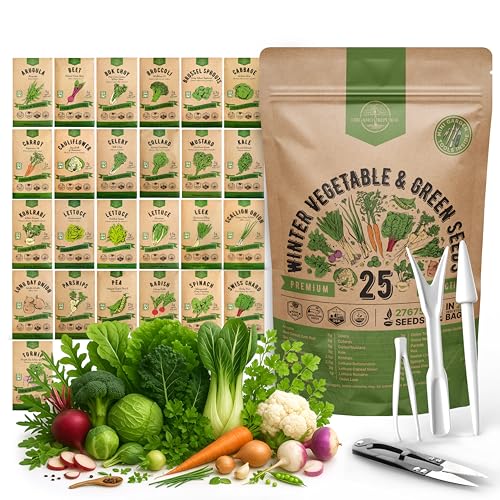
Gardening Kit: 25 Winter Vegetable & Greens Garden Seeds Variety Pack NON GMO Heirloom Seeds LESS THAN $1.00 PER SEED VARIETY PACK 27,675+ seeds including: Arugula, Beet Detroit Dark Red, Bok Choy, Broccoli, Brussel Sprouts, Cabbage, Carrot Imperator 58, Cauliflower, Celery, Collards, Curled Mustard, Kale, Kohlrabi, Buttercrunch, Oakleaf Green, Romaine, Leek, Tokyo Long White Scallion, Walla Walla, Parsnip, Pea, Radish Cherry Belle, Spinach, Swiss Chard, Turnip

COOL WEATHER VEGGIES – Essential spring mix of leafy greens, root vegetables and herbs perfect for both early planting or fall gardens, makes a great gift for gardeners and beginners
Succession Planting for Continuous Harvest
When planning your carrot garden, consider succession planting to ensure a steady supply of carrots throughout the growing season. Here’s how you can implement this technique effectively:
- Plant in Batches: Sow small batches of seeds every few weeks to stagger the maturity dates of your carrots.
- Harvest Strategically: Start harvesting from the first batch once they reach maturity while allowing the others to continue growing.
- Utilize Space Efficiently: As you harvest mature carrots, immediately plant new seeds in the empty spaces to make the most of your garden area.
By practicing succession planting, you can extend the harvest period and enjoy a continuous supply of fresh carrots throughout the season. It’s a simple yet effective strategy to maximize space and yield from your garden.
Conclusion
By implementing succession planting, you can enjoy a continuous harvest of fresh carrots throughout the growing season. This method not only maximizes space in your garden but also ensures a steady supply of delicious carrots for your meals. Remember to plant small batches of seeds at regular intervals to stagger the maturity dates of the carrots. This way, you can strategically harvest while continuously planting new seeds in the available spaces. With this approach, you’ll make the most out of your garden space, optimizing both yield and space efficiency. Happy planting!
Frequently Asked Questions
What is succession planting and how does it benefit carrot harvest?
Succession planting involves planting small batches of carrot seeds every few weeks to stagger maturity dates. This allows for continuous harvest and optimal use of garden space.
How does succession planting help in maximizing garden space and yield?
Succession planting ensures a steady supply of fresh carrots by extending the harvest period. It allows for strategic harvesting and continuous planting in empty spaces, optimizing the garden’s yield and space efficiency.
What is the key advantage of using succession planting for carrot cultivation?
The key advantage of succession planting is the ability to maintain a consistent supply of carrots throughout the growing season. By planting in intervals, you can harvest fresh carrots at different times, ensuring a continuous yield.
