

Ever wondered how to make your garden thrive without the hassle of constant weeding? Picture this: a lush, vibrant garden where green beans not only provide a bountiful harvest but also act as a natural mulch to keep your soil healthy and weed-free. In this article, you’ll discover the secret to using green beans as a living mulch, saving you time and effort while reaping the benefits of a flourishing garden.
Imagine saying goodbye to endless hours spent pulling weeds and hello to a low-maintenance garden bursting with life. By incorporating green beans as a living mulch, you’ll not only suppress weed growth but also improve soil fertility and moisture retention. Get ready to unlock the full potential of your garden while enjoying the convenience and eco-friendly benefits of this simple gardening technique.
Benefits of Using Green Beans as a Living Mulch
When you incorporate green beans as a living mulch in your garden, you’re not just reducing the need for constant weeding. There are many other benefits that come along with this simple gardening technique. Here’s why you should consider using green beans as a living mulch:
- Enhanced soil fertility: Green beans act as a natural mulch, breaking down over time and enriching the soil with essential nutrients.
- Improved moisture retention: By covering the soil surface, green beans help prevent water evaporation, keeping the soil moist for longer periods.
- Weed suppression: The dense foliage of green beans shades the soil, inhibiting weed growth and reducing the competition for nutrients with your main plants.
- Biodiversity: Green beans attract beneficial insects like pollinators and predators that contribute to a healthy garden ecosystem.
| Soil Fertility | Improved Moisture Retention | Weed Suppression | Biodiversity |
|---|---|---|---|
| Natural mulch | Prevents water evaporation | Shades the soil | Attracts beneficial insects |
| Enriches soil | Keeps the soil moist longer | Inhibits weed growth | Contributes to a healthy ecosystem |
Choosing the Right Green Bean Varieties
When selecting green bean varieties for use as living mulch, consider the following factors:
- Bush vs. Pole Beans: Bush beans are compact and don’t need support, making them ideal for smaller spaces, while pole beans require trellises or support but can yield more.
- Dwarf vs. Climbing Beans: Dwarf beans are shorter and more suitable for areas with limited vertical space, whereas climbing beans can make use of vertical space efficiently.
- Varieties: Choose green bean varieties that thrive in your specific climate and soil conditions. Opt for disease-resistant varieties for better success.
When it comes to green bean varieties, look out for:
- Provider: A reliable bush bean variety known for its consistent yields.
- Kentucky Blue: A popular pole bean variety with excellent flavor.
- Blue Lake: Another well-loved bush bean known for its productivity.
Remember to ask at your local nursery or garden center for recommendations tailored to your specific growing conditions.
Recommended Products
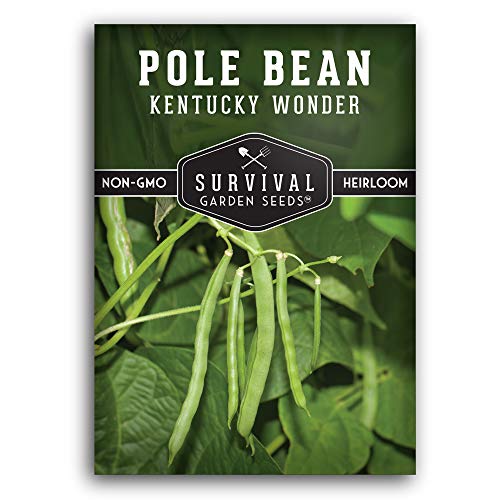
CLIMBING POLE BEANS SEEDS - Kentucky Wonder pole bean (Phaseolus vulgaris) seeds produce vigorous vines that climb trellises, fences, and poles, maximizing vertical space and increasing production in compact garden areas
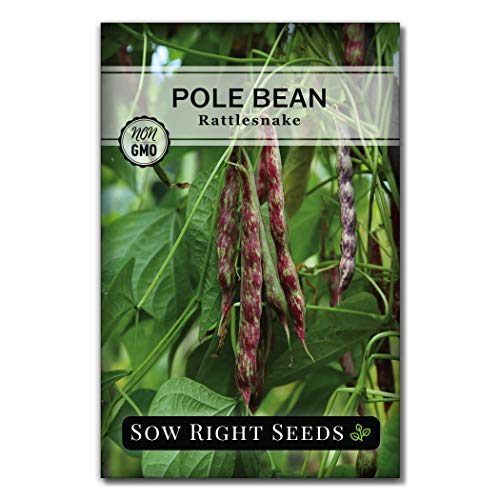
Beautiful - Large premium packet of Rattlesnake Pole Bean (Phaseolus vulgaris) seeds. These vigorous climbing beans will be a focal point in your vegetable garden with the unusual purple streaks on dark green beans. Minimum of 13g per packet (about 40 seeds).
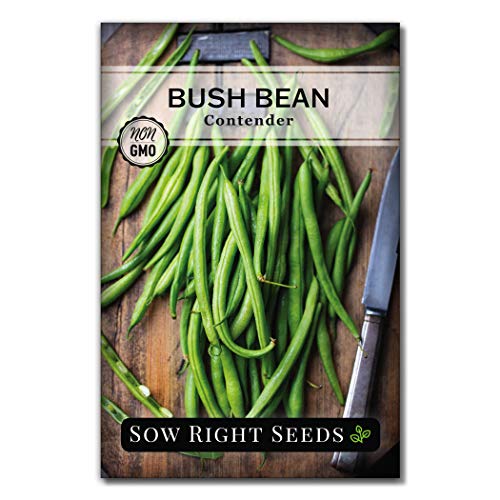
Beautiful - Large premium seed packet of Contender Bush Bean (Phaseolus vulgaris) seeds. Minimum of 16.5g per packet (about 30 seeds). Stringless bush bean that matures early and produces high yields. Adaptable, performing well in short, cool growing seasons or in hot weather. Beans are 5-8" long and retain their flavor when frozen or canned.
Planting Green Beans for Mulching
When planting green beans to use as a living mulch, here are some key steps to keep in mind:
- Spacing: Plant green beans about 4-6 inches apart in rows that are 18-36 inches apart to allow for ample growth and coverage.
- Soil: Make sure the soil is well-drained and rich in organic matter to support healthy bean growth.
- Sunlight: Green beans thrive in full sun, so choose a location in your garden that receives at least 6-8 hours of sunlight per day.
- Depth: Plant green bean seeds about 1-1.5 inches deep in the soil with the pointed tip facing down for optimal germination.
- Watering: Keep the soil consistently moist but not waterlogged, especially during the germination and flowering stages.
- Mulching: Once the green beans have established, consider adding a layer of mulch around the plants to retain moisture and suppress weeds.
By following these guidelines, you can successfully plant green beans as a living mulch in your garden. Remember to tailor your approach based on your specific growing conditions for the best results.
Maintaining Green Beans as a Living Mulch
After planting your green beans as living mulch, regular maintenance is key to ensuring their health and optimal functioning as a natural ground cover. Here are some essential tips to help you maintain your green beans effectively:
- Watering: Ensure consistent watering to keep the soil moist but not waterlogged, especially during dry periods.
- Weeding: Regularly weed around the green beans to prevent competition for nutrients and sunlight.
- Mulching: Consider adding a layer of mulch to help retain moisture, suppress weed growth, and provide additional nutrients.
- Support: Depending on the variety, you may need to provide support for tall-growing green beans to prevent them from sprawling.
- Pest Control: Keep an eye out for common pests like aphids or beetles, and address infestations promptly to protect your green beans.
Remember, maintaining your green beans as living mulch not only benefits the plants themselves but also contributes to the overall health of your garden ecosystem.
Maximizing Garden Productivity with Green Bean Mulch
When it comes to maximizing garden productivity with green bean mulch, you’ll want to keep a few key points in mind:
- Nourishing the Soil: Green beans act as a natural living mulch, shading the soil and helping to retain moisture. This can improve soil structure and increase fertility.
- Weed Suppression: By growing green beans as living mulch, you create a dense ground cover that shades out weeds, reducing competition for nutrients and water.
- Adding Nutrients: As green beans grow, they fix nitrogen into the soil, enriching it naturally. This can benefit other plants in your garden, promoting overall plant growth.
- Promoting Biodiversity: Green beans as living mulch can attract beneficial insects to your garden, helping to create a balanced ecosystem and reduce the need for chemical interventions.
- Enhancing Microbial Activity: Green bean roots host beneficial microbes that contribute to soil health, creating a thriving environment for plants to grow.
| Key Points | Benefits |
|---|---|
| Nourishing the Soil | Improves soil fertility and structure |
| Weed Suppression | Reduces competition for nutrients and water |
| Adding Nutrients | Enriches soil naturally with nitrogen fixation |
| Promoting Biodiversity | Attracts beneficial insects and supports ecosystem |
| Enhancing Microbial Activity | Supports soil health and plant growth |
Conclusion
You’ve now learned how green beans can be a valuable asset as living mulch in your garden. By harnessing their ability to nourish the soil, suppress weeds, attract beneficial insects, and enhance microbial activity, you can create a thriving ecosystem that promotes plant growth and overall soil health. Incorporating green beans into your gardening practices not only boosts productivity but also contributes to a more sustainable and balanced environment. So, why not give green beans a try as living mulch in your garden and reap the benefits of this natural and effective gardening method?
Frequently Asked Questions
How can green beans maximize garden productivity as living mulch?
Green beans can enhance garden productivity by nourishing the soil, suppressing weeds, adding nutrients through nitrogen fixation, promoting biodiversity by attracting beneficial insects, and enhancing microbial activity for overall soil health and plant growth.
What benefits do green beans provide in the garden?
Green beans provide benefits such as nourishing the soil, suppressing weeds, adding nutrients through nitrogen fixation, promoting biodiversity, and enhancing microbial activity for improved soil health and plant growth.
How do green beans contribute to soil fertility and structure?
Green beans contribute to soil fertility and structure by adding nutrients through nitrogen fixation, promoting biodiversity which attracts beneficial insects, and enhancing microbial activity, resulting in improved soil health and plant growth.
