

Testing the Soil pH
When starting your green bean garden, Testing the Soil pH is a crucial step. Here’s what you need to do:
- Soil pH:
- Ideal level: around 6.0 to 7.0.
- Acidic soil: below 6.0.
- Alkaline soil: above 7.0.
- Testing kits:
- Easily available at garden centers.
- Simple to use.
- Follow the instructions provided closely.
- Procedure:
- Take multiple samples from different areas.
- Mix them for an accurate overall reading.
- Follow kit instructions for best results.
- Interpreting results:
- Adjust soil pH if needed.
- Lime for acidic soil.
- Sulfur for alkaline soil.
- Follow recommended amounts.
Clearing the Land
Starting your green bean garden is an exciting journey that begins with preparing the soil. The first step is Clearing the Land to ensure an optimal growing environment for your green beans. Here are some essential tips to help you get started:
- Remove any debris: Clear the area of rocks, weeds, and other debris that could hinder plant growth.
- Level the ground: Smooth out the soil to create a uniform surface for planting your green beans.
- Consider soil drainage: Ensure proper drainage by leveling the ground slightly to prevent waterlogging.
As you clear the land, envision the thriving green bean plants that will soon call this space home. Next up, we’ll dive into soil testing to further prepare the soil for planting.
Tilling the Soil
When preparing the soil for planting green beans, Tilling the Soil is a crucial step in creating a hospitable environment for your plants.
- Begin by removing any rocks, weeds, or large roots from the soil surface to ensure your green beans have ample space to grow.
- Next, use a garden tiller to break up the soil and improve its texture. This process helps loosen compacted soil and allows roots to penetrate the ground more easily.
| Increased aeration and drainage | Improved nutrient absorption |
|---|---|
| Loosening of compacted soil | Enhanced root growth |
Recommended Products
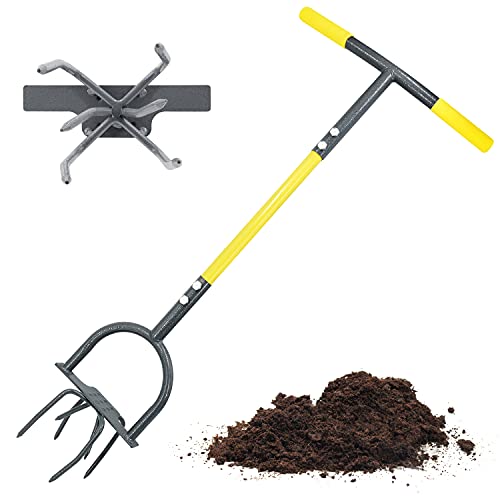
【Anti-Slip Foot Plate - Penetrate Soil with One Tread】- This manual hand tiller comes with anti-slip foot plate, maximize downward force of treading and penetrate into soil easily. The curved handle and long design reduce twisting effort and back strain, ideal for seniors or anyone with joint strain

Sturdy Spring Steel Blades: Crafted from tempered spring steel, the rotary blades offer outstanding strength and flexibility—resisting bending, breaking, and deformation even under heavy pressure. Ideal for breaking soil and uprooting weeds season after season

Efficient Tillage: The hand tiller features a sharp carbon steel tooth design, which can easily loosen, turn and deep tillage the soil, making it easy to handle small and medium-sized gardens, flower beds and planting boxes; the innovative two-step pedal operation makes weeding and loosening the soil simple and efficient
Adding Organic Matter
When it comes to preparing your soil for green beans, adding organic matter is a crucial step. This can include compost, aged manure, or other natural materials rich in nutrients.
Benefits of adding organic matter:
- Enriches the soil with essential nutrients.
- Improves soil structure, promoting better root growth.
- Enhances moisture retention, crucial for plant development.
How to add organic matter effectively:
- Spread a layer of compost or manure over the soil surface.
- Use a garden fork to incorporate the organic matter into the top few inches of the soil.
- Ensure an even distribution to provide balanced nutrition for your green beans.
Remember, adding organic matter is like giving your soil a nutritious boost, setting the foundation for healthy and productive green bean plants.
Planting Green Beans
When it comes to Planting Green Beans, it’s essential to focus on the quality of the soil where they’ll grow. Here’s how you can prepare the soil before planting:
- Clear the Area: Begin by clearing the planting area of any debris, weeds, or rocks. This ensures that the green beans have ample space to grow.
- Loosen the Soil: Use a garden fork to loosen the soil to a depth of about 6 to 8 inches. This helps aerate the soil and allows the roots to penetrate easily.
- Add Organic Matter: Spread a layer of compost or aged manure over the soil surface. This organic matter enriches the soil with nutrients and enhances moisture retention.
- Incorporate the Organic Matter: Use the garden fork to mix the organic matter into the soil thoroughly. This ensures balanced nutrition for the green beans.
- Create Rows: Depending on the variety of green beans you’re planting, create rows with appropriate spacing between them. This allows for proper growth and easy harvesting.
- Plant the Seeds: Follow the recommended planting depth for green beans and space the seeds according to the instructions on the seed packet.
- Water Well: After planting, water the seeds thoroughly. Green beans require consistent moisture for optimal growth.
- Mulch: Consider applying a layer of mulch around the plants to help retain moisture and suppress weed growth.
Conclusion
You’re now equipped with the essential steps to prepare your soil for planting green beans successfully. By following these guidelines, you’ll create an ideal environment for your green beans to thrive. Remember to clear the area, loosen the soil, enrich it with organic matter, create well-spaced rows, plant the seeds correctly, provide adequate water, and mulch to maintain moisture levels. These simple yet crucial steps will set the stage for a bountiful green bean harvest. Happy planting!
Frequently Asked Questions
How should I prepare the planting area for green beans?
Clear the planting area, loosen the soil, add organic matter like compost or aged manure, and incorporate it into the soil.
What is the recommended spacing for planting green beans?
Create rows with proper spacing to allow sufficient room for growth, usually around 4-6 inches apart.
How deep should I plant green bean seeds?
Plant the seeds at the recommended depth, typically around 1-1.5 inches deep.
How often should I water green beans?
Water green beans adequately, ensuring the soil remains consistently moist but not waterlogged.
Should I use mulch for growing green beans?
Yes, mulch around the plants to retain moisture, regulate soil temperature, and prevent weed growth.
