

Growing basil in a greenhouse is an efficient method to ensure a steady supply of this aromatic herb year-round. Proper conditions and techniques can significantly enhance growth and flavor, allowing for a bountiful harvest.
Essential Equipment for Greenhouse Basil Cultivation
Growing basil in a greenhouse requires specific equipment to ensure optimal conditions for healthy plants. From climate control systems to proper containers, having the right tools can significantly enhance your basil cultivation experience. This section outlines the essential gear needed for successful greenhouse basil growth, helping you create the perfect environment for thriving plants.
To successfully grow basil in a greenhouse, you need specific gear and supplies. The right equipment ensures optimal growing conditions and helps prevent common issues. Here is a checklist of essential items:
| Item | Purpose |
|---|---|
| Greenhouse | Provides controlled environment |
| Grow lights | Supplies adequate light for growth |
| Seed trays | Facilitates seed starting |
| Potting soil | Ensures proper drainage and nutrients |
| Fertilizer | Supports healthy plant growth |
| Watering can | Allows for precise watering |
Recommended Products
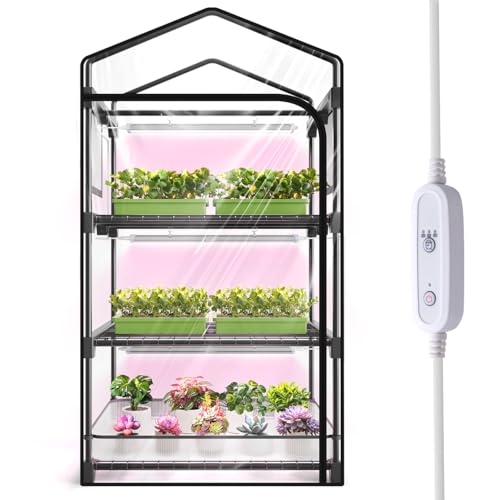
3-Tier Indoor Greenhouse: Each 19" mini greenhouse plant shelf holds plant pots easily. Strong metal frame and mesh support 22 lbs per tier. Ideal for seedlings and indoor plants. 27"L x 19"W x 49"H

FULL-SPECTRUM LED GROW LIGHTS: grow lights spectrum 380 nm - 780 nm, similar to natural sunlight, have a significant impact on plant germination, flowering, fruiting, and chlorophyll synthesis to promote photosynthesis, very suitable for all stages Various plants such as orchids, salads,tomatoes, lemon trees, succulents, seed germination, and aquarium plants such as algae. . Rocoking plant growth lights can be installed in greenhouses,planting tents, even hotels, restaurants, offices...

Full Spectrum Grow Light: This plant light strips have 60 beads per strip, up to 180 LED in total.Configured with 6000K, 660nm lamp beads and emits full wavelength from 380nm to 800nm, just like sunlight. Meet the needs of your plants at all stages.
Optimal Greenhouse Conditions for Basil Growth
Creating the right environment in your greenhouse is crucial for successful basil cultivation. Understanding the optimal conditions, including temperature, humidity, and light, can significantly enhance growth and flavor. This section delves into the specific requirements that will help you maximize your basil harvest.
Creating the ideal environment in your greenhouse is crucial for basil growth. Basil thrives in warm temperatures and requires adequate sunlight. Aim for a temperature range of 70-85°F during the day and no lower than 50°F at night.
Light: Ensure your greenhouse receives at least 6-8 hours of sunlight daily. If natural light is insufficient, use grow lights to supplement.
Humidity: Maintain humidity levels between 40-60%. Too much humidity can lead to mold, while too little can cause stress.
Ventilation: Proper airflow prevents overheating and disease. Install vents or fans to regulate temperature and humidity.
Basil Planting Techniques for Greenhouse Success
Growing basil in a greenhouse offers a controlled environment that can significantly enhance your yield and flavor. Understanding the right planting techniques is crucial for maximizing growth and ensuring healthy plants. This section will explore effective methods for planting basil that will set the foundation for a thriving greenhouse garden.
Planting basil requires attention to detail for optimal results. Follow these steps to ensure successful growth:
Choose seeds: Select high-quality basil seeds suited for your climate.
Fill trays: Use potting soil to fill seed trays, leaving about half an inch from the top.
Sow seeds: Plant seeds about 1/4 inch deep and space them adequately to allow for growth.
Water gently: Use a watering can to moisten the soil without washing away seeds.
Cover trays: Place a plastic cover over the trays to maintain humidity until seedlings emerge.
Essential Maintenance for Thriving Basil
Maintaining a healthy basil crop in your greenhouse requires attention to several key factors. From optimal watering practices to managing humidity and temperature, each element plays a crucial role in ensuring your plants thrive. Understanding these essential maintenance strategies will help you cultivate robust basil, maximizing both flavor and yield.
Once your basil plants are established, ongoing care is essential. Regular maintenance will promote robust growth and enhance flavor.
Watering: Water basil deeply but infrequently. Allow the top inch of soil to dry out between waterings.
Fertilizing: Apply a balanced fertilizer every 4-6 weeks to support growth. Organic options like fish emulsion or compost tea work well.
Pruning: Regularly pinch off the top leaves to encourage bushier growth and prevent flowering, which can alter flavor.
Recommended Products

Reduce Hand Strain: These micro tip snips are built spring-loaded so that they automatically push themselves open without you having to do the work, which greatly reduces hand fatigue and makes these snips great for those with arthritis, carpal tunnel, hand or wrist issues; Comfortable “grip” handles will make it easy to work for long-time use without making you feel hand pain
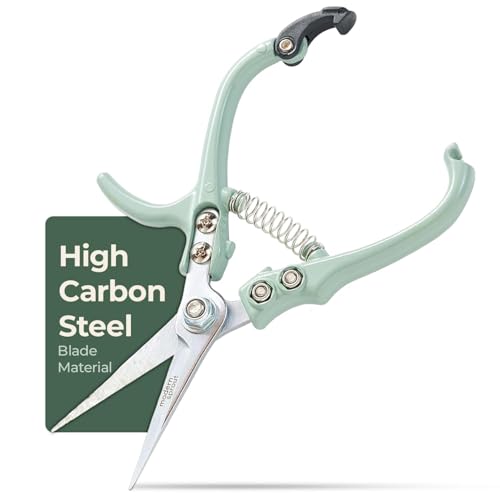
Precision Plant Care: These gardening shears are perfect for trimming herbs & flowers; Their compact, fine-tipped, rust-resistant high-carbon steel blades offer precise cutting in tight spaces; Ideal for daily use in gardens, pots & on delicate stems

Reduce Hand Strain: These micro tip snips are made to reduces hand fatigue which makes them great for those with arthritis, carpal tunnel, hand or wrist issues; Comfortable “grip” handles will make it easy to work for long-time use without making you feel hand pain
Common Basil Pests and Disease Management
Basil is a popular herb that can be susceptible to various pests and diseases, especially when grown in a greenhouse environment. Understanding the common threats to basil plants is crucial for maintaining healthy growth and maximizing yields. This section will explore effective strategies for identifying and managing these issues to ensure your basil thrives.
Basil is susceptible to various pests and diseases. Early detection and intervention are crucial for maintaining plant health. Here are common issues to watch for:
| Issue | Symptoms | Solution |
|---|---|---|
| Aphids | Curling leaves | Spray with insecticidal soap |
| Powdery mildew | White spots on leaves | Improve airflow and reduce humidity |
| Root rot | Wilting plants | Ensure proper drainage and avoid overwatering |
Maximizing Flavor in Basil Harvesting
Harvesting basil at the right time is crucial for maximizing its flavor and aroma. Understanding the optimal conditions and techniques for harvesting can significantly enhance the quality of your basil, ensuring that each leaf bursts with the rich, vibrant taste that makes this herb so beloved in culinary applications. This section will explore effective strategies for achieving the best flavor in your basil harvest.
Harvesting basil correctly ensures you get the best flavor and promotes further growth. Follow these guidelines for optimal harvesting:
Timing: Harvest when plants are at least 6-8 inches tall and before they flower.
Method: Use sharp scissors to cut stems just above a leaf node. This encourages new growth.
Storage: Store fresh basil in a glass of water at room temperature or wrap it in a damp paper towel and refrigerate.
Basil grown in a greenhouse can provide a continuous supply of fresh herbs. Proper preparation, care, and harvesting techniques will maximize flavor and yield.
