

Have you ever wondered if planting lettuce next to onions is a good idea? If you’re trying to maximize your garden space or simply want to get the most out of your veggies, this question might be on your mind.
Many gardeners face challenges when it comes to companion planting. Knowing which plants get along can make a big difference in your garden’s success. In this article, you’ll discover whether lettuce and onions can coexist peacefully and how this pairing can impact your harvest. You’ll gain valuable insights that could help your garden thrive.
Key Takeaways
- Companion Planting Benefits: Understanding plant interactions can enhance growth, deter pests, and optimize garden space, making companion planting crucial for success.
- Pest Control: Onions repel harmful insects like aphids, providing a protective barrier for nearby lettuce and reducing the need for chemical pesticides.
- Space Optimization: The quick growth of lettuce allows for efficient space utilization when interplanted with slower-growing onions, maximizing garden productivity.
- Soil and Nutrient Management: Ensuring adequate soil conditions and nutrition is vital, as both plants draw from different soil layers; regular amendments can help sustain their growth.
- Watering Practices: Consistent watering and mulching are essential for maintaining optimal moisture levels, with cottoning to the specific needs of each plant.
- Staggered Planting: To enhance yield, stagger planting of lettuce to allow for continuous harvests while ensuring adequate space for maturing onions.
Overview of Companion Planting
Companion planting involves cultivating certain plants together to enhance growth, deter pests, and improve flavor. You can influence the success of your garden by understanding which plants benefit each other.
Benefits of Companion Planting
- Pest Control: Some plants repel harmful insects. For example, onions deter aphids. This can protect your lettuce from pest damage.
- Improved Growth: Certain pairings promote healthier plant development. Lettuce thrives in the partial shade of taller plants, giving it ideal growing conditions.
- Nutrient Sharing: Different species can share nutrients. Onions, with their deep roots, can access nutrients from below, beneficial for shallow-rooted lettuce.
Ideal Plant Pairings
- Carrots and Onions: These plants complement each other. Carrots ward off carrot flies while onions repel other pests, creating a protective environment.
- Lettuce and Radishes: Planting these together helps with space utilization. Radishes grow quickly and can provide shade for young lettuce.
- Herbs and Vegetables: Basil or mint near tomatoes can enhance their flavor while driving away pests.
- Plan Your Garden Layout: Design your garden to take advantage of height differences. Position tall plants, like onions, alongside shorter ones, like lettuce.
- Monitor Plant Performance: Observe how different plant pairings affect growth. Adjust your strategy as needed based on your garden’s performance.
- Rotate Crops Annually: Change plant locations yearly to prevent soil depletion and pest build-up.
By applying companion planting principles, you can foster a thriving garden that maximizes the benefits of plant interactions, including the pairing of lettuce and onions.
Benefits of Planting Lettuce and Onions Together
Planting lettuce and onions together offers several advantages that can enhance your gardening experience. This combination can promote healthier plants and optimize your garden space.
Recommended Products

Cold Hardy Bunching Onion: Evergreen white onions seeds produce non-bulbing scallions fresh green onions to 12 inches tall. Perennial onions white tolerate light frost and overwinter well in USDA zones 3–12 outdoor garden.
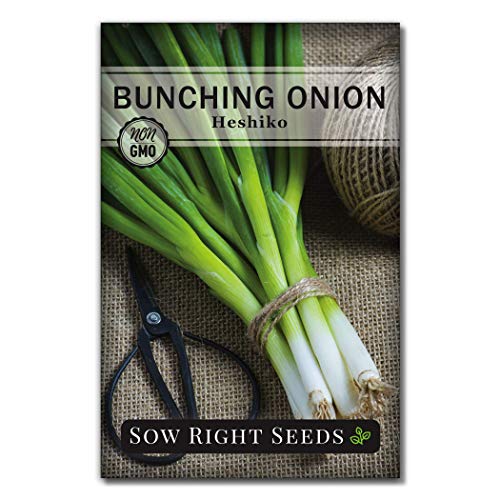
Productive - Green Onions germinate in 10-14 days when soil temps are 68-75°F. Plant 1/4” deep and space 1-2” apart in an area with full sun. This variety will grow 10-14” tall with a spread of 1”. This variety will mature in 60-70 days, plant in USDA zones 2-9.

Beautiful - Large premium packets of Red Creole (Allium var. ‘Red Creole’), Crystal White Wax (Allium var. ‘Crystal White Wax’), and Texas Early Grano (Allium var. ‘Texas Early Grano’) Onion garden seeds. A delicious garden vegetable fit for every occasion. Minimum of 500mg per packet.
Pest Control
Onions act as a natural deterrent to many common garden pests. When planted next to lettuce, they help protect it from aphids and other harmful insects. The strong scent of onions confuses pests, making it harder for them to locate your lettuce. This pest-repellent quality contributes to healthier lettuce plants and can reduce the need for chemical pesticides, creating a more sustainable garden environment.
Space Optimization
Lettuce grows quickly and can be harvested early, making it an ideal crop to interplant with slower-growing onions. By utilizing vertical space effectively, you can maximize your garden’s productivity. The shallow roots of lettuce don’t compete for nutrients with the deeply rooted onions. This symbiotic relationship enables you to cultivate more in a smaller area, allowing for better use of your available garden space.
Potential Challenges
Planting lettuce next to onions presents certain challenges. Understanding these can help you manage your garden more effectively.
Recommended Products

High Germination Rate: Walla yellow onion seeds for planting deliver strong, reliable sprouting in 7–10 days. Ideal vegetable seeds in USDA zones 2–9 with full sun exposure. Long edible green sweet onions fresh stems can be picked and used in culinary.

5-Variety Lettuce Seed Collection - Enjoy a continuous harvest of fresh, flavorful greens! This lettuce seed collection includes Black Seeded Simpson, Iceberg, Buttercrunch, Parris Island Cos, and Lolla Rossa Lettuce.

We grow a variety of edible seasonal seedlings (aka plugs/starts/transplants) that will flourish in your soil or hydroponic garden.
Nutrient Competition
Lettuce and onions require different nutrients. Onions typically draw nutrients from deeper soil layers, while lettuce pulls nutrients from the top few inches. This difference can sometimes lead to competition for available resources. You can mitigate this issue by ensuring adequate soil nutrition through regular amendments, like compost or well-balanced fertilizers. This approach helps sustain both plants.
Growth Rate Differences
Lettuce grows significantly faster than onions. Quick-growing lettuce can reach maturity in about 30 days, while onions often take several months to fully develop. This variance means that by the time onions are ready to harvest, the lettuce may already need succession planting. To optimize yield, stagger your planting. Start planting lettuce every few weeks to maintain continuous harvests while leaving space for growing onions.
Best Practices for Planting
Planting lettuce next to onions can bring great benefits when done correctly. Follow these best practices to maximize your garden’s potential.
Soil Conditions
Choose well-draining soil enriched with organic matter. Onions prefer slightly acidic to neutral pH levels, typically between 6.0 and 7.0, while lettuce thrives best in similar conditions. Mix compost into your soil to enhance nutrient content. Aim for a loose texture, promoting healthy root growth for both plants. Regular soil testing can help maintain these optimal conditions.
Watering Needs
Water both plants consistently to keep the soil evenly moist. Lettuce requires about 1 to 1.5 inches of water per week, while onions need slightly less, around 1 inch. Use a mulch layer to retain moisture and regulate soil temperature. Monitor rainfall and adjust your watering schedule as needed. Water early in the morning to minimize evaporation and prevent fungal diseases.
Conclusion
Planting lettuce next to onions can be a great choice for your garden. The benefits of this pairing often outweigh the challenges. With onions protecting your lettuce from pests and their differing root depths allowing for efficient nutrient use, you’re setting yourself up for success.
By following some simple guidelines like maintaining soil health and staggered planting, you can enjoy a bountiful harvest. Embrace the principles of companion planting and watch your garden thrive. Happy gardening!
Frequently Asked Questions
Can lettuce and onions be planted together?
Yes, lettuce and onions can be effectively planted together. Onions help deter pests that might harm lettuce, while their differing root depths minimize nutrient competition. This companion planting can enhance overall garden health and maximize space utilization.
What are the benefits of companion planting with lettuce and onions?
Companion planting helps improve plant health, reduces pests, and boosts growth. Onions can protect lettuce from pests like aphids, and the quick-growing lettuce can be harvested early, optimizing the garden space alongside slower-growing onions.
Are there challenges to planting lettuce next to onions?
Yes, challenges include potential nutrient competition and differences in growth rates. Onions draw nutrients from deeper soil layers, while lettuce feeds from the top few inches. Regular soil amendments are recommended to maintain nutrient balance.
What soil conditions are best for planting lettuce and onions?
Lettuce and onions thrive in well-draining soil enriched with organic matter. The ideal pH level for both plants is between 6.0 and 7.0. Regular soil testing and adding compost can improve nutrient content for optimal growth.
How often should I water lettuce and onions?
Lettuce needs consistent moisture, about 1 to 1.5 inches per week, while onions require around 1 inch weekly. Using mulch can help retain moisture and regulate the soil temperature, ensuring healthy growth for both plants.
What are some best practices for planting lettuce and onions?
To maximize garden potential, ensure soil is enriched and well-draining. Stagger planting times to accommodate growth rates, maintain consistent watering, and perform regular soil testing to adjust nutrient levels. Incorporating compost can enhance growth as well.
