

Have you ever tossed out the leftover stump of a lettuce head and wondered if you could grow something from it? You’re not alone! Many people are discovering the joy of regrowing kitchen scraps, and lettuce is one of the easiest options to start with.
Key Takeaways
- Utilize Kitchen Scraps: Regrowing lettuce from stumps is an efficient way to minimize waste and maximize food resources.
- Soil Preparation: Use a nutrient-rich soil mix that retains moisture and provides good drainage for optimal lettuce growth.
- Planting Technique: Trim the stump, plant it upright in soil, and ensure it receives adequate light while monitoring moisture levels.
- Care Requirements: Regular watering, occasional fertilization, and pest management are crucial for healthy growth and successful harvests.
- Harvesting Tips: Harvest leaves when they are vibrant and tender, and use clean scissors to avoid damaging the plant, ensuring continued growth.
Understanding Lettuce Stumps
Lettuce stumps are the leftover bases of a lettuce head after cutting off the leafy parts. They can grow new leaves if given the right conditions.
What Are Lettuce Stumps?
Lettuce stumps refer to the bottom portion of a lettuce head that remains after harvesting the edible leaves. Typically, they contain small nodes where new growth can emerge. With sufficient moisture and light, these nodes can sprout new leaves, making them an ideal candidate for regrowing in soil.
- Resource Efficiency: Utilizing vegetable scraps minimizes waste and maximizes the use of food resources.
- Cost-Effective: Growing your lettuce saves money on grocery bills. You can regrow stumps multiple times.
- Freshness: Homegrown lettuce tastes fresher and is free from pesticides, enhancing your meals’ flavor and nutritional value.
- Educational Experience: Cultivating lettuce from stumps provides a hands-on learning opportunity, particularly for children, fostering an appreciation for gardening.
- Extended Harvest: Regularly harvesting new leaves from stumps allows for a continuous supply of fresh lettuce, keeping your salads vibrant and varied.
Preparing the Soil
Preparing the soil is crucial for successfully growing lettuce from a stump. A suitable soil environment encourages healthy growth and robust leaves.
Recommended Products
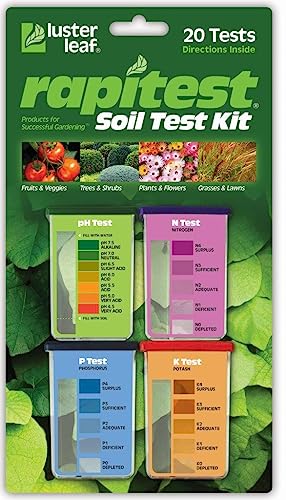
Quick, at home results for Soil pH, Nitrogen, Phosphorous and Potash Innovative and inexpensive soil test kit features an easy-to-use capsule system and patented color comparators

KNOW BEFORE YOU GROW | Grow the healthiest, sustainable lawn and garden with the most accurate and easy to use professional soil test kit on the market

Kindly NOTE: This soil tester can not be applied to test pH value of any other liquid. If the soil is too dry the indicator will not move, and water it before testing.
Choosing the Right Soil Mix
Select a soil mix that retains moisture while allowing for good drainage. A blend of potting soil and compost works well, providing essential nutrients. Look for soil labeled as organic for the best quality. Consider mixing in perlite or vermiculite to improve aeration. If you’re using garden soil, ensure it’s free from contaminants and pests.
Soil pH and Nutrient Considerations
Lettuce prefers slightly acidic to neutral soil, with a pH range of 6.0 to 7.0. Test your soil using a simple pH test kit, available at garden centers. If the pH is too low, add lime; if it’s too high, incorporate sulfur to lower it. Make sure the soil is rich in nutrients. Adding compost or a balanced fertilizer can supply the nutrients your lettuce needs for optimal growth. Regularly monitor moisture levels, as lettuce thrives in consistently moist but not soggy soil.
Planting Lettuce Stumps
Planting lettuce stumps creates an easy and rewarding gardening experience. Follow these steps for effective growth.
Recommended Products

Size: The garden bed measure is 23.6"L x 23.6"W x 17"H. Made of galvanized steel sheet metal with a rust-resistant coating features long-lasting use during kinds of weather.
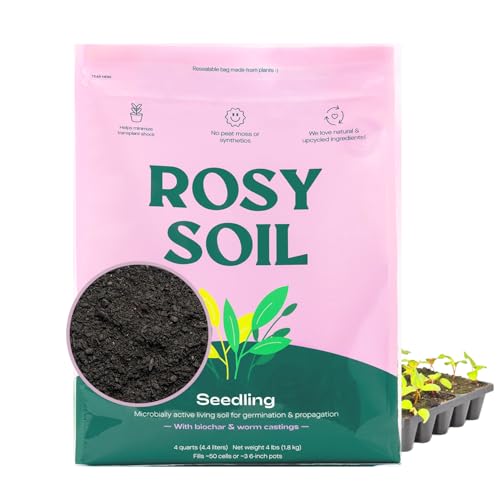
BUILT FOR GERMINATION AND EARLY ROOT GROWTH: Rosy Soil seed starting soil is specifically formulated for the most critical window in a plant's life — when seeds first sprout and roots begin to anchor; balanced aeration, drainage, and moisture retention give seedlings exactly what they need to establish strong, healthy roots from day one
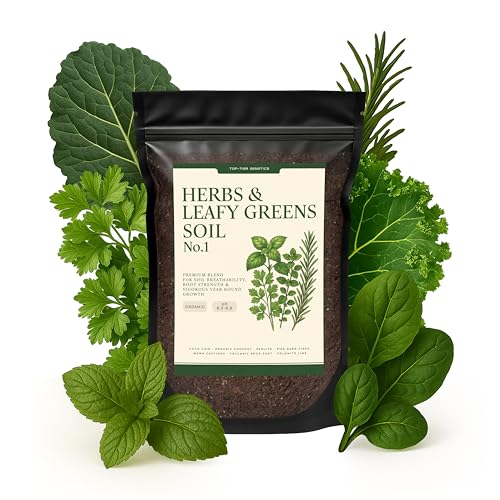
✔ VERSATILE BLEND: Premium potting mix specifically formulated for growing herbs and leafy greens indoors with optimal drainage and aeration
Steps to Plant Lettuce Stumps
- Choose Healthy Stumps: Select fresh, firm stumps with a little bit of green left on top. Ensure no brown, rotting spots.
- Prepare the Soil: Mix potting soil and compost for a nutrient-rich blend. Ensure the mix retains moisture but drains well.
- Cut the Bottom: Trim about half an inch from the bottom of the stump to encourage new growth and remove any old, wilted tissue.
- Place in Soil: Position the stump upright in the prepared soil. Bury it just enough so the base sits in the soil, leaving the top exposed.
- Water Thoroughly: Give the stump a good soak. Consistent moisture is crucial for sprouting new leaves.
- Provide Light: Position the pot in a location that receives plenty of natural light but avoids direct, harsh sunlight.
Ideal Depth and Placement
Lettuce stumps need proper depth to thrive. Aim to plant them about one inch deep in the soil, ensuring the top remains exposed. This placement allows new roots to develop while the upper part gets enough air.
Choose a well-lit area indoors or outdoors. If outdoors, avoid places prone to strong winds. Watch for signs of growth within a week or two, and adjust light and moisture ensuring optimal growth conditions.
Care and Maintenance
Caring for your lettuce stump requires attention to watering, fertilization, and pest management. These factors play a key role in ensuring healthy growth and a bountiful harvest.
Watering Requirements
Water your lettuce stump regularly to maintain consistent moisture. Ensure the soil stays moist but not overly wet. Check the top inch of soil; if it feels dry, it’s time to water. Use room-temperature water for optimal absorption. In warm weather, daily watering may be necessary, while cooler periods could require less frequent watering. Adjust based on rainfall if growing outdoors.
Fertilization Guidelines
Fertilize your lettuce stump to provide essential nutrients. Use a balanced, all-purpose fertilizer with equal parts nitrogen, phosphorus, and potassium. Apply the fertilizer every four to six weeks, following package directions for dilution. If you prefer organic options, consider compost or well-rotted manure. These enrich the soil and promote healthy growth while being gentle on your plants.
Pest and Disease Management
Monitor your lettuce stump for signs of pests and diseases. Common pests include aphids, slugs, and caterpillars. Check the underside of leaves for aphids and use a gentle spray of water to dislodge them. For slugs, hand-picking works well, or you can set up traps with beer. To prevent diseases like downy mildew, ensure good air circulation around your plants by avoiding overcrowding. If disease occurs, remove affected leaves immediately and avoid watering from above to reduce moisture on the foliage.
Harvesting and Enjoying Your Lettuce
Harvesting your lettuce is one of the most rewarding parts of the growing process. Once your lettuce stumps produce fresh leaves, it’s time to enjoy the fruits of your labor.
Signs of Readiness for Harvest
Observe your lettuce leaves closely. You’ll know it’s time to harvest when:
- Leaves are vibrant: Check for deep green color, indicating healthy growth.
- Leaves are large enough: Aim for leaves that are at least 4 to 6 inches long. This size ensures a satisfying crunch.
- Leaves are tender: Taste a leaf. If it’s crunchy and not bitter, your lettuce is ready.
Best Ways to Harvest Lettuce
Harvesting lettuce requires a gentle touch to avoid damaging the plant. Follow these steps:
- Use clean scissors: Sanitize your cutting tool to prevent introducing diseases.
- Cut at the base: Trim the outer leaves first, cutting close to the stump. This encourages more growth from the center.
- Leave the inner leaves: Preserve the core of the stump by not cutting all the way down. This ensures continued growth.
Consider harvesting in the morning when moisture levels are high. This makes the leaves crispier and enhances flavor. Enjoy your fresh lettuce right away, or store it in the refrigerator for later use.
Conclusion
Growing lettuce from a stump is a fun and rewarding project that not only saves money but also brings fresh flavors to your kitchen. With a little patience and the right care, you can enjoy a continuous supply of crisp lettuce right from your home.
Remember to keep an eye on moisture levels and provide the right nutrients to help your lettuce thrive. Whether you’re a seasoned gardener or just starting out, this simple method makes it easy to connect with nature and enjoy the fruits of your labor.
So grab those leftover stumps and get started on your lettuce-growing adventure. You’ll be amazed at how much you can grow from what you once tossed away. Happy gardening!
Frequently Asked Questions
Can you regrow lettuce from kitchen scraps?
Yes, you can regrow lettuce from kitchen scraps, specifically from the stump of a lettuce head. The stump contains small nodes that can sprout new growth if given enough moisture and light.
What type of soil is best for regrowing lettuce stumps?
A soil mix that retains moisture while allowing good drainage is ideal. A blend of potting soil and compost is recommended for growing lettuce stumps effectively.
How often should I water regrowing lettuce?
Water regrowing lettuce regularly to maintain consistent moisture, but avoid sogginess. Adjust the frequency based on weather conditions, ensuring that the soil stays moist but not waterlogged.
What signs indicate that lettuce is ready for harvest?
Lettuce is ready for harvest when it shows vibrant color, appropriate leaf size, and tenderness. Harvesting in the morning can enhance the flavor of your lettuce.
How do I fertilize my regrowing lettuce?
Fertilize regrowing lettuce every four to six weeks using a balanced, all-purpose fertilizer or organic options like compost. This helps ensure the plants get the nutrients they need for healthy growth.
What pests should I watch for when growing lettuce?
Common pests to monitor include aphids and snails. It’s important to check your plants regularly and use gentle methods for removal to protect your lettuce plants.
Can children learn from regrowing kitchen scraps?
Absolutely! Growing lettuce from kitchen scraps offers an educational opportunity for children, teaching them about gardening, sustainability, and the food-growing process.
What are the benefits of regrowing lettuce?
Regrowing lettuce from scraps saves money, enhances freshness and flavor, promotes resource efficiency, and contributes to an extended harvest of fresh leaves, making it rewarding both economically and environmentally.
