

Are you wondering how far apart to plant lettuce in your raised bed? You’re not alone! Many gardeners face this question, especially when trying to maximize space and yield.
Key Takeaways
- Variety-Specific Spacing: Understand that different lettuce varieties require different spacing; leaf lettuce should be spaced 6 to 8 inches apart, while head lettuce needs 12 to 18 inches.
- Maximizing Airflow: Proper spacing promotes healthy airflow, reducing the risk of disease and ensuring optimal growth conditions for lettuce.
- Impact on Yield: Adequate spacing between plants directly influences yield; too close spacing can lead to competition for resources, resulting in smaller heads and stunted growth.
- Pest and Disease Control: Appropriate spacing minimizes humidity and foliage overlap, which helps in controlling pests and fungal diseases, making maintenance easier.
- Soil and Water Management: Preparing well-draining, nutrient-rich soil and maintaining consistent moisture levels are key to successful lettuce growth in raised beds.
Understanding Lettuce Varieties
Different lettuce varieties thrive in your garden, and knowing their specifics helps with spacing. Proper spacing promotes healthy growth and maximizes yield.
Recommended Products

Raised Bed Planter: A classic VegTrug product, Raised Bed Planter is an ergonomically designed versatile planter that offers ample space for your product to grow and bloom. This accessible, lightweight, and irresistible planter is super easy to work with.

8 Grids Garden Bed - This planting garden bed has 8 divided grids, 11.8"L x 11.8"W x 11.8"H for each grid. Holds 8 cubic feet of soil or other planting/potting mix (soil, plants, and seeds not included).

Leaf Lettuce
Leaf lettuce varieties, such as Butterhead and Looseleaf, grow well in tight spaces. Space these plants about 6 to 8 inches apart. This spacing allows ample room for leaves to spread while maintaining good airflow, reducing the risk of disease. For example, a popular Looseleaf variety is Red Romaine, known for its mild flavor. Planting several of these close together creates a lush green patch, perfect for salads.
Head Lettuce
Head lettuce types, including Iceberg and Romaine, require more space due to their denser growth. Space these varieties around 12 to 18 inches apart. This distance ensures that heads develop fully without crowding. Iceberg lettuce, famous for its crisp texture, benefits from this spacing as it allows sufficient sunlight and nutrients to reach each plant. To optimize your raised bed, consider alternating rows of head and leaf lettuce, balancing space and yield effectively.
Importance of Spacing
Spacing plays a crucial role in lettuce growth and health, directly affecting your garden’s yield and overall success. Proper spacing ensures each plant has enough room to develop, receive sunlight, and access nutrients.
Effects on Growth
Growth rates and plant health improve with appropriate spacing. For leaf lettuce varieties, a spacing of 6 to 8 inches allows ample airflow, reducing the risk of rot and promoting quicker growth. Head lettuce, requiring 12 to 18 inches, benefits from this space for full bulb formation. If planted too closely, plants compete for resources, leading to smaller heads and stunted growth.
Pest and Disease Management
Proper spacing also aids in pest and disease control. When lettuce plants are spaced appropriately, there’s less humidity and foliage overlap, which discourages fungal diseases. Additionally, having space allows for easier access during maintenance and harvesting, minimizing plant damage and exposure to pests. Keeping your lettuce spaced out significantly lowers the chances of an infestation, making your gardening experience more enjoyable.
How Far Apart to Plant Lettuce in a Raised Bed
Proper spacing is crucial for lettuce growth in raised beds. It maximizes yield and ensures healthy development for your plants.
Recommended Spacing Guidelines
For planting lettuce, aim for these general spacing guidelines:
- Leaf Lettuce: Space plants about 6 to 8 inches apart. This closer spacing encourages healthy growth and airflow.
- Head Lettuce: Space plants around 12 to 18 inches apart. This extra room allows for full bulb development and prevents crowding.
Using these guidelines, you can achieve an efficient layout that promotes a productive garden.
Adjusting for Different Varieties
Different lettuce varieties have unique spacing requirements. Here are some specific examples:
- Butterhead Lettuce: 6 to 8 inches apart supports good growth in tight spaces.
- Looseleaf Lettuce: 6 to 8 inches apart yields uniform growth and easy harvesting.
- Iceberg Lettuce: 12 to 18 inches apart for optimal bulb formation and protection against disease.
- Romaine Lettuce: 12 to 18 inches apart ensures robust leaves and airflow.
Adjust your planting strategy based on the specific variety you choose. This consideration maximizes both space and yield, enhancing your gardening experience.
Tips for Planting Lettuce in Raised Beds
Planting lettuce in raised beds involves several key steps to ensure healthy growth and optimal yield. Follow these tips for successful growth.
Recommended Products
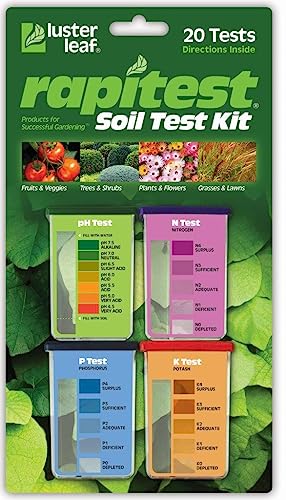
Quick, at home results for Soil pH, Nitrogen, Phosphorous and Potash Innovative and inexpensive soil test kit features an easy-to-use capsule system and patented color comparators

KNOW BEFORE YOU GROW | Grow the healthiest, sustainable lawn and garden with the most accurate and easy to use professional soil test kit on the market

Accurate Soil pH Testing: Dewildetradingco Soil pH Test Strips offer measurements of soil pH levels (pH 3.5-9). As an essential tool for every gardener and grower, these test strips help determine the optimal pH for various plants, such as outdoor plants, indoor plants, gardens, grass lawns, fruit trees, flowers, vegetables, and forest shrubs.
Soil Preparation
Prepare your soil by ensuring it’s loose, well-draining, and rich in organic matter. Mix in compost to improve nutrient levels and enhance soil structure. Aim for a pH between 6.0 and 6.8, ideal for lettuce growth. Test your soil if you’re unsure of its pH. You can use a simple testing kit available at garden centers. If the soil lacks nutrients, consider adding a balanced fertilizer before planting.
Watering and Maintenance
Water your lettuce consistently to keep the soil moist but not soggy. Aim for about 1 to 2 inches of water per week, adjusting based on rainfall. Use a soaker hose or drip irrigation for efficient watering that minimizes leaf wetness, reducing rot risk. Mulch around plants to retain moisture and suppress weeds. Clear away debris and monitor for pests regularly to maintain plant health, addressing any issues promptly to prevent infection or damage.
Conclusion
Getting the spacing right for your lettuce in a raised bed can make all the difference in your gardening success. By knowing the specific needs of each variety you plant you’ll be setting yourself up for a bountiful harvest.
Remember to keep leaf lettuce snugly spaced while giving head varieties plenty of room to flourish. With the right care and attention to spacing you’ll not only enjoy healthier plants but also a more enjoyable gardening experience. Happy planting and may your lettuce thrive!
Frequently Asked Questions
What is the ideal spacing for planting leaf lettuce in raised beds?
Leaf lettuce varieties, like Butterhead and Looseleaf, should be spaced about 6 to 8 inches apart. This tight spacing promotes healthy growth, improves airflow, and reduces the risk of rot.
How far apart should head lettuce types be planted?
Head lettuce types, such as Iceberg and Romaine, need more space and should be planted 12 to 18 inches apart. This spacing allows for full development and optimal bulb formation.
Why is proper spacing important for lettuce?
Proper spacing ensures each plant receives enough sunlight, nutrients, and airflow, significantly impacting growth and yield. It also aids in pest and disease management and makes maintenance easier.
Can I plant leaf and head lettuce together?
Yes, alternating rows of leaf and head lettuce is a great strategy. This approach maximizes both space and yield, letting you enjoy the benefits of both types in your garden.
What soil conditions are best for growing lettuce in raised beds?
Lettuce thrives in loose, well-draining soil rich in organic matter, with a pH between 6.0 and 6.8. Proper soil preparation enhances growth and overall plant health.
How often should I water my lettuce?
It’s recommended to water lettuce regularly, providing about 1 to 2 inches of water per week. This keeps the soil moist and supports healthy growth.
What are some maintenance tips for growing lettuce?
Regular monitoring for pests and quick action on any issues is crucial. Also, using mulch can help retain moisture and suppress weeds, aiding overall plant health.
