

Have you ever wondered if you can plant lettuce and radishes together in your garden? If you’re trying to maximize your space or simply want to experiment with companion planting, this question is more common than you might think. Many gardeners face the challenge of fitting in as many crops as possible while keeping their plants healthy and thriving.
Key Takeaways
- Companion Planting Benefits: Planting lettuce and radishes together promotes healthy growth, pest control, and maximizes garden space.
- Growth Rates & Timing: Radishes mature in 25-30 days, allowing for staggered planting and early harvests before lettuce requires more room.
- Space Requirements: Adequate spacing is crucial; lettuce needs 8-12 inches, while radishes require 2-4 inches apart to ensure proper sunlight and airflow.
- Soil Health: Radishes help aerate and improve soil health by breaking up compacted soil, supporting the root systems of nearby lettuce plants.
- Best Practices: Utilize a well-draining soil with organic matter, maintain consistent moisture, and monitor for pests to enhance growth and yield.
- Optimal Harvesting: Harvest radishes at about 1 inch in diameter and lettuce once it reaches the desired leaf size for best results.
Understanding Companion Planting
Companion planting involves growing different plants together for mutual benefit. This technique promotes healthy growth and effective use of garden space.
Benefits of Companion Planting
- Pest Control: Certain plants deter pests that harm your crops. For example, radishes can repel aphids, which helps protect nearby lettuce.
- Improved Growth: Some plants enhance each other’s growth. Lettuce, when planted with radishes, can benefit from the radishes’ fast growth, creating shade that may prevent lettuce from bolting in heat.
- Optimized Space: Planting different species together makes efficient use of garden space. Fast-growing radishes mature in about 25-30 days, allowing you to harvest them before lettuce requires more room.
- Soil Health: Companion plants can improve soil health. Radishes’ deep roots can break up compacted soil, aiding lettuce’s shallow roots.
- Growth Habits: Understand the growth patterns of your plants. Space lettuce and radishes adequately to reduce competition for sunlight and nutrients.
- Water Requirements: Ensure both plants have similar watering needs. Lettuce prefers consistently moist soil, while radishes tolerate periods of dryness.
- Timing: Plant radishes and lettuce in succession for optimal results. Starting radishes a week before lettuce allows for a staggered harvest.
- Nutrient Needs: Radishes and lettuce have different nutrient requirements. Monitor your soil’s nutrient levels and amend as necessary to support both plants.
Using these principles of companion planting helps you create a thriving garden. Enjoy the process and witness the benefits of planting lettuce and radishes together.
Can You Plant Lettuce and Radishes Together?
Yes, you can plant lettuce and radishes together. This combination promotes healthy growth and maximizes space in your garden.
Recommended Products

FIVE FLAVORFUL VARIETIES FOR A COMPLETE SALAD GARDEN SOLUTION. This lettuce seed pack includes black seeded simpson, red romaine, bibb, buttercrunch, and iceberg. Perfect for salads, wraps, smoothies, and toppings with fresh, homegrown flavors year-round.

Heirloom Non-GMO Seeds: seed pod kit contains 6 kinds of lettuce seeds, they are Red&Green Leaf Lettuce, Romaine, Butter Head, Bibb Lettuce, Boston Lettuce, Buttercrunch Lettuce. Various kinds of lettuce seeds, each one is rich in nutritional value. 100% Non-GMO, open pollinated

Complete Garden Seed Collection: Includes ten premium heirloom vegetable seeds varieties such as Contender Beans, Waltham Broccoli, Blue Scotch Kale, Oregon Sugar Peas, Marglobe Tomatoes; Perfect for creating your own vegetable garden with non GMO seeds
Growth Rates and Timing
Lettuce and radishes grow at different rates, making them excellent companions. Radishes mature quickly, often within 25 to 30 days. This allows you to harvest them before lettuce fully expands. Plan to plant radishes about 2 to 3 weeks before sowing lettuce seeds. By doing this, you can enjoy fresh radishes while providing ample space for lettuce to thrive.
Space Requirements
Both plants have different space needs, which helps them coexist well. Lettuce prefers 8 to 12 inches between plants, while radishes can grow 2 to 4 inches apart. When planting, position radishes in rows with plenty of room for the larger lettuce plants. This arrangement ensures both get adequate sunlight and airflow, reducing the risk of diseases. Consider interplanting radishes in between lettuce rows for optimal space utilization.
Advantages of Planting Lettuce and Radishes Together
Planting lettuce and radishes together offers several benefits that enhance your gardening experience. The two crops complement each other well, promoting healthier growth and maximizing garden space.
Recommended Products
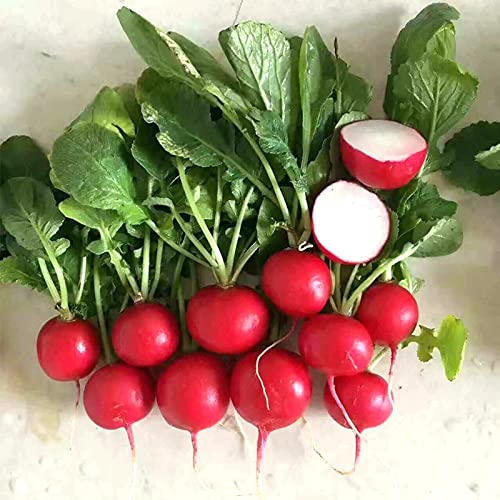
500+ non-GMO heirloom Cherry Belle radish seeds: These seeds are grown from heirloom Cherry Belle radishes, which are known for their crisp, sweet flavor and fast growing qualities. They are also non-GMO, so you can be sure that you are planting seeds that are safe for your family and the environment.

QUALITY - All seeds packaged by Seed Needs are intended for the current and the following growing seasons. All seeds are stored in a temperature controlled facility that is free of significant amounts of moisture.

4 Popular Heirloom Lettuce Varieties: Includes Red Romaine, Bibb Butterhead, Black Seeded Simpson, and Green Ice lettuce seeds to grow crisp, tender, and colorful salad greens with balanced flavor, texture, and visual appeal.
Pest Control
Radishes are effective at repelling common pests, such as aphids and cabbage worms. These pests typically target leafy greens like lettuce. By interplanting radishes with your lettuce, you create a natural barrier that protects your crop from potential infestations. Additionally, the quick growth of radishes allows for early harvests, which further reduces the window of opportunity for pests to affect your lettuce.
Soil Health Improvement
Growing radishes improves soil health by naturally aerating and breaking up compacted soil. Radishes have a taproot that penetrates deep into the ground, allowing water and nutrients to reach deeper soil layers. As radishes mature and are harvested, their holes remain, providing better conditions for lettuce roots. This promotes healthier root systems in your lettuce, enhancing overall growth and yield. Integrating both plants also fosters a more diverse ecosystem, which is critical for soil fertility and overall garden vitality.
Best Practices for Planting
Planting lettuce and radishes together can enhance your garden’s productivity. You’ll enjoy a bountiful yield while maintaining a healthy ecosystem.
Recommended Products

Heirloom Non-GMO Seeds: The seed pod kit contains 6 kinds of lettuce seeds, they are Red&Green Leaf Lettuce, Romaine, Butter Head, Black Seeded Simpson, Red Sail, Marvel of 4 Seasons. Various kinds of lettuce seeds, each one is rich in nutritional value. 100% Non-GMO, open pollinated
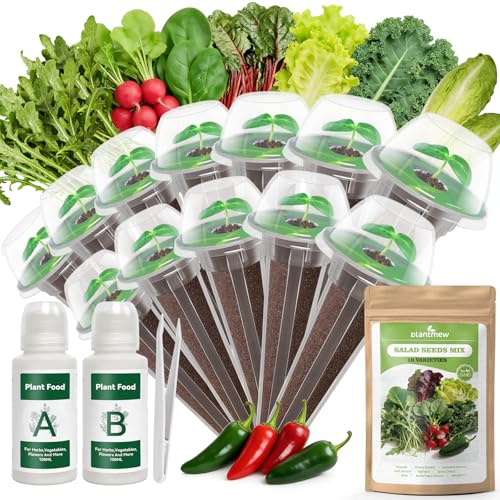
Heirloom Non-GMO Salad Seeds: Boasting over 7500 easy-to-grow heirloom non-GMO seeds, this set covers mixed lettuce, romaine, spinach, kale, arugula, swiss chard, cherry radish, and Mexican chili. Grow fresh greens effortlessly for daily homemade meals.

NUTRIENT-DENSE INDOOR HARVESTS – Grow flavorful microgreens at home in just 7–14 days with this seed variety pack yielding nutrient-rich greens year-round for topping salads, smoothies, sandwiches, and more
Planting Techniques
- Choose the Right Space: Select a garden area with full sun exposure. Both plants thrive in similar conditions, ensuring optimal growth.
- Soil Preparation: Prepare well-draining soil with organic matter. Mix in compost to enrich the soil, improving nutrient content for both crops.
- Seed Depth: Plant radish seeds about ½ inch deep and lettuce seeds ¼ inch deep. This ensures that both plants establish well without competing for resources.
- Spacing: Space radish seeds around 1 inch apart and lettuce seeds at least 6 inches apart. This distance allows for proper air circulation and sunlight exposure.
- Interplanting Strategy: Consider planting radishes between lettuce rows. This method maximizes space and enhances protection against pests.
- Watering: Keep the soil consistently moist. Water deeply but infrequently to prevent root rot and encourage strong growth.
- Mulching: Apply a layer of organic mulch around the plants. Mulch retains moisture, suppresses weeds, and maintains soil temperature.
- Fertilization: Use a balanced fertilizer every few weeks. A nitrogen-rich option helps both lettuce and radishes flourish during their growing periods.
- Pest Monitoring: Regularly check both plants for pests. Active observation allows for prompt action against any potential infestations, ensuring healthy growth.
- Harvest Timing: Harvest radishes when they are about 1 inch in diameter, typically within 25-30 days after planting. Lettuce can be harvested once leaves reach desired size, usually within 30-60 days, depending on the variety.
By following these practices, you’ll create a thriving garden that benefits both lettuce and radishes while maximizing your space effectively.
Conclusion
Planting lettuce and radishes together can be a game changer for your garden. By taking advantage of their complementary growth habits you can create a thriving environment that benefits both crops. With a little attention to detail in planting and care you’ll not only enjoy a bountiful harvest but also a healthier garden ecosystem.
So go ahead and give this duo a try. You might just find that they make the perfect pair in your veggie patch. Happy gardening!
Frequently Asked Questions
What is companion planting?
Companion planting is a gardening technique where different plants are grown together to benefit each other. For instance, certain plants can deter pests, enhance growth, or improve soil health, resulting in a more productive garden.
Why should I plant lettuce and radishes together?
Planting lettuce and radishes together allows radishes to repel common pests that affect lettuce. Additionally, radishes improve soil health, creating an ideal environment for lettuce to thrive.
What are the best practices for planting lettuce and radishes?
Key practices include selecting the right space, preparing the soil properly, ensuring appropriate seed depth and spacing, and employing interplanting strategies to maximize growth and yield.
How do I water lettuce and radishes effectively?
Water both plants regularly, keeping the soil consistently moist but not waterlogged. Ensure that the water reaches the root zone and consider using mulch to retain moisture and reduce weeds.
How can I monitor pests while growing lettuce and radishes?
Regularly inspect your plants for signs of pests and disease. Look under the leaves and around the soil. Implement natural pest control methods, such as introducing beneficial insects or using organic sprays, as needed.
When should I harvest lettuce and radishes?
Lettuce is typically ready to harvest when leaves are about 4-6 inches long. Radishes can be harvested in about 4-6 weeks after planting, depending on the variety. Harvest them promptly for best flavor and to avoid bitterness.
