

Have you ever wondered when and how to trim your tomato plants for optimal growth? Picture this: you’re in your garden, admiring your thriving tomato plants, but unsure if they need a little pruning. Knowing the right techniques can make all the difference in maximizing your plant’s health and yield.
In this article, you’ll discover the essential tips on how and when to trim your tomato plants. By understanding these simple practices, you’ll not only promote better air circulation and sunlight exposure but also encourage stronger stems and more abundant fruit production. Get ready to take your gardening skills to the next level with our expert advice on trimming tomato plants effectively.
Key Takeaways
- Trimming tomato plants can boost fruit size and quality by allowing more energy to be directed into fewer, larger fruits.
- Proper trimming enhances plant health by improving air circulation, reducing the risk of diseases, and encouraging stronger stem development.
- Monitoring plant development stages and seasonal variations helps determine the right time to trim tomato plants for optimal growth.
- Essential tools for trimming include sharp pruning shears, gloves, disinfectant, and stakes or trellises for support.
- Key practices when trimming tomato plants include identifying suckers, removing lower leaves, pruning suckers regularly, controlling plant height, maintaining airflow, and monitoring growth stages.
- Common mistakes to avoid when trimming tomato plants are over-trimming which can harm the plants and incorrect timing that may negatively impact fruit production.
Understanding the Benefits of Trimming Tomato Plants
Trimming your tomato plants offers various advantages that can significantly impact their growth and productivity. Let’s delve into how pruning can benefit your plants in terms of boosting fruit size and quality, as well as enhancing plant health and vigor.
Boosting Fruit Size and Quality
By trimming your tomato plants correctly, you allow them to channel more energy into fewer fruits, resulting in larger and tastier tomatoes. When you remove excess foliage, the plant can direct its resources towards developing plumper fruits with better flavor profiles. This practice also aids in preventing overcrowding, which can lead to smaller and less flavorful tomatoes due to competition for nutrients.
Enhancing Plant Health and Vigor
Properly trimmed tomato plants experience improved air circulation around their foliage, reducing the risk of diseases such as fungal infections that thrive in humid environments. Enhanced airflow helps keep the leaves dry, minimizing the chances of mold or mildew formation. Additionally, trimming encourages stronger stem development by redirecting nutrients to essential areas rather than wasteful growth.
By understanding these benefits of trimming your tomato plants effectively, you can nurture healthier plants and enjoy a bountiful harvest of delicious tomatoes. Proper pruning techniques not only promote optimal growth but also contribute to overall plant vitality throughout the growing season.
Identifying the Right Time to Trim
Knowing when to trim your tomato plants is crucial for their overall health and productivity. Here’s how you can determine the optimal timing:
Recommended Products

Reduce Hand Strain: These micro tip snips are made to reduces hand fatigue which makes them great for those with arthritis, carpal tunnel, hand or wrist issues; Comfortable “grip” handles will make it easy to work for long-time use without making you feel hand pain

GARDENING ESSENTIAL: With these stainless steel blade gardening shears, pruning tasks like cutting flower stems or maintaining your herb garden are easier with fast and clean cuts
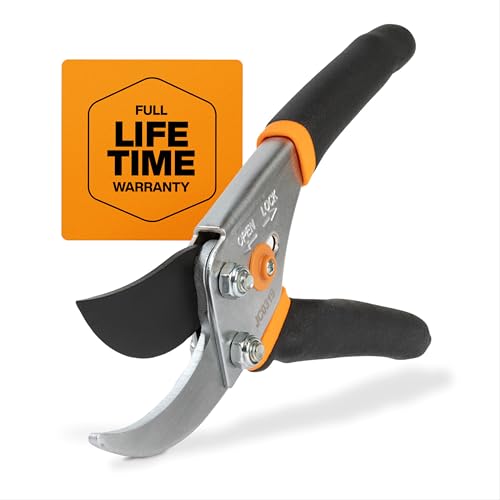
CLEAN CUTS FOR LIVE GROWTH: Bypass blade design is ideal for pruning delicate flower stems and green growth, helping reduce crushing and plant damage while cutting stems and small branches up to 5/8” in diameter
Monitoring Plant Development Stages
Keep a close eye on your tomato plants’ growth stages to identify the right time for trimming. Look out for the following key indicators:
- Early Growth Phase: During the initial growth period, focus on nurturing strong stems and roots.
- Flowering Stage: As your plants start to flower, consider light pruning to encourage fruit development.
- Fruit Setting: Once fruits begin to form, assess plant density and prune overcrowded areas.
By monitoring these development stages, you’ll be able to trim your tomato plants at the most beneficial times.
Seasonal Considerations for Trimming
Consider the season when deciding on trimming your tomato plants:
- Spring: Early spring is ideal for shaping young plants and removing any damaged or diseased branches.
- Mid-Summer: In mid-summer, focus on removing excess foliage to improve air circulation around developing fruits.
- Late Summer/Fall: Towards late summer or fall, trim back overgrown branches that may hinder fruit ripening.
Adapting your trimming schedule based on seasonal changes will help maintain plant vigor and maximize fruit production throughout the growing season.
Keeping track of both plant development stages and seasonal variations will enable you to make informed decisions about when and how to trim your tomato plants effectively.
Step-by-Place Guide on How to Trim Tomato Plants
Trimming your tomato plants is crucial for their optimal growth and productivity. Proper pruning techniques can enhance air circulation, increase sunlight exposure, strengthen stems, and boost fruit production. By directing more energy into fewer fruits, trimming can result in larger, higher-quality tomatoes. Timing is key when it comes to trimming your tomato plants.
Recommended Products

Well-Designed & Easy-to-Use: These gardening scissors are built spring-loaded so that they automatically push themselves open without you having to do the work, significantly reducing hand fatigue

DUAL CUTTING POWER: VERSATILE PRUNING COMBO --- With both Pruning Shears and Pruning Snip, this combo delivers unmatched versatility. Whether you're delicately trimming flowers and shrubs, tackling thicker tree branches, or tending to your vegetable and fruit garden, our combo pack excels in all areas. They're also perfect for landscaping projects and maintaining the health and appearance of indoor plants. With this pack, you have a versatile tool that simplifies your gardening tasks.

GARDENING ESSENTIAL: Steel blade micro-tip plant shears with sheath ideal for pruning flowers, herbs, and more to encourage overall lawn and garden health
Essential Tools for Trimming
When it’s time to trim your tomato plants, having the right tools on hand can make the process easier and more effective. Here are some essential tools you’ll need:
- Sharp Pruning Shears: Ensure clean cuts without damaging the plant.
- Gloves: Protect your hands from thorns or rough stems.
- Disinfectant: Sterilize your tools between cuts to prevent the spread of diseases.
- Stakes or Trellises: Support your plants as you trim them.
- Identify the Suckers: These are small shoots that grow in the crotch where a leaf meets the stem.
- Remove Lower Leaves: Trim off leaves close to the ground to minimize soil-borne diseases.
- Prune Suckers Regularly: Pinch off suckers while they’re still small to encourage stronger main stem growth.
- Control Plant Height: Limit excessive growth by cutting back taller branches gently.
- Maintain Airflow: Remove dense foliage to improve air circulation around the plant.
- Monitor Growth Stages: Trim at key points during plant development like flowering or fruit-setting stages.
Common Mistakes to Avoid When Trimming
When it comes to trimming your tomato plants, avoiding common mistakes is crucial for their health and productivity. Here are some pitfalls to steer clear of:
Recommended Products

Reduce Hand Strain: These micro tip snips are built spring-loaded so that they automatically push themselves open without you having to do the work, which greatly reduces hand fatigue and makes these snips great for those with arthritis, carpal tunnel, hand or wrist issues; Comfortable “grip” handles will make it easy to work for long-time use without making you feel hand pain
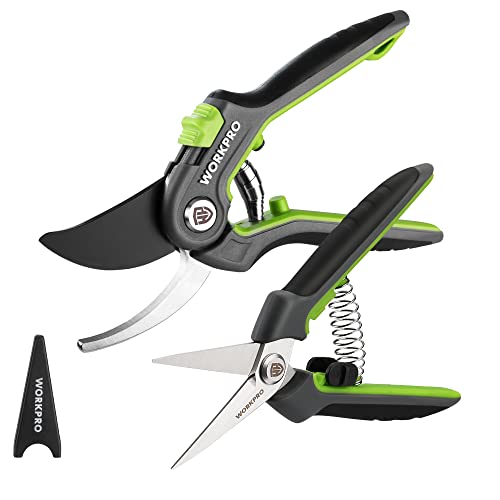
PROFESSIONAL GARDEN TOOLS: Our garden pruning shears set includes a 8" bypass hand pruner and a 6.25'' straight tip gardening pruner that meet most garden trimming works. The bypass pruners are suitable for fresh wood and regular pruning, the straight hand pruner can meet the needs of picking fruits, Pruning and shaping small plants.

Over Trimming
Over-trimming your tomato plants can harm rather than help them. It’s essential not to get too carried away with pruning, as this can lead to stunted growth and reduced fruit production. Remember, a balance is key when it comes to trimming; aim to remove only what’s necessary without going overboard.
Incorrect Timing
Trimming at the wrong time can have negative consequences on your tomato plants. If you prune too early, you risk removing potential fruit-bearing branches. On the other hand, pruning too late in the season may result in cutting off new growth that could develop into fruitful branches. Make sure to trim your tomato plants at the appropriate times based on their growth stage and the season for optimal results.
Conclusion
Trimming your tomato plants is a key practice for achieving healthy growth and abundant fruit production. By following the proper techniques outlined in this article, you can enhance air circulation, sunlight exposure, and stem strength to nurture larger, higher-quality tomatoes. Remember that timing is crucial when it comes to pruning your plants. Be attentive to their growth stages and consider seasonal variations for the most effective trimming results. Avoid common mistakes like over-trimming, which can hinder growth and reduce fruit yield. By maintaining a consistent pruning routine throughout the growing season, you’ll promote healthier plants and enjoy a bountiful harvest of delicious tomatoes. Happy gardening!
Frequently Asked Questions
When is the best time to trim tomato plants?
Trim tomato plants early in the morning when they are well-hydrated to reduce stress and promote faster healing.
What tools do I need to trim tomato plants effectively?
Essential tools for trimming tomato plants include clean pruning shears or scissors to avoid spreading diseases.
How do I identify suckers on tomato plants?
Suckers are small shoots that grow between the main stem and branches, usually found in leaf axils.
Why is it important to remove lower leaves when trimming tomato plants?
Removing lower leaves helps improve airflow around the plant, reducing humidity levels and preventing diseases.
Can over-trimming harm my tomato plants?
Over-trimming can stress the plant, stunt growth, and decrease fruit production, so it’s crucial to prune wisely.
