

Are you struggling to keep your tomato plants thriving? Picture this: you diligently care for your garden, but those tomato plants just don’t seem to flourish as expected. The culprit could be right in front of you – the way you water them.
Key Takeaways
- Understand the signs of overwatering (wilting despite moist soil, yellow lower leaves, mold growth) and underwatering (wilting with dry soil, curling leaves).
- Consider the impact of climate (hot/arid vs. cool/humid) and soil type (sandy vs. clay) on watering frequency for tomato plants.
- Use effective watering techniques like drip irrigation (minimizes evaporation), hand watering at the base, and mulching to retain moisture.
- Monitor soil moisture levels regularly by checking dryness near the plant’s base and water in the morning to prevent fungal diseases.
- Adjust watering based on plant growth stages (seedling, vegetative, flowering/fruit development) and utilize rainwater harvesting or automatic irrigation systems for eco-friendly watering practices.
Understanding Tomato Plant Watering Needs
When caring for your tomato plants, it’s crucial to understand their watering requirements. Here are some key points to help you ensure your tomatoes thrive:
Signs of Overwatering and Underwatering
Overwatering and underwatering can both have detrimental effects on your tomato plants. Here’s how to identify these issues:
- Overwatering: If you notice wilting despite moist soil, yellow lower leaves, or mold growth on the soil surface, you may be overwatering your tomato plants.
- Underwatering: On the other hand, signs of underwatering include wilting with dry soil, curling leaves, and a general lack of growth.
The Role of Climate and Soil Type
The climate and soil type in your area play a significant role in determining how often and how much you should water your tomato plants. Consider the following factors:
- Climate: In hot and arid climates, you may need to water more frequently to prevent dehydration. Conversely, in cooler or humid environments, less frequent watering might be sufficient.
- Soil Type: Sandy soils drain quickly and may require more frequent watering sessions. In contrast, clay soils retain moisture longer, necessitating less frequent watering but ensuring proper drainage is essential.
Understanding these indicators of overwatering and underwatering as well as considering the impact of climate and soil type will help you tailor your watering schedule to meet the specific needs of your tomato plants.
Watering Techniques for Tomato Plants
When it comes to watering your tomato plants, different techniques can help you ensure they receive the right amount of moisture without causing issues like overwatering. Here are some effective methods you can use:
Recommended Products

Adjustable Water Flow: The drip emitter can be adjusted to stop, micro-drip, and spray so that you can use the water drip system to water many kinds of plants in your garden. Moreover, the drip emitters have a support stake for easy placement in the soil

✔Comprehensive Drip Irrigation Kit:MIXC drip irrigation system, equipped with a versatile range of components, caters to all your garden watering needs.Includes essential parts such as 197ft 1/4'' irrigation tube, 33ft 1/2'' irrigation tube, 1/2‘’ Lock Barbed Tee connectors, drip emitter streams, vortex emitters, Blue Mist Nozzles, Quick connection tees, Faucet Connector, and more.

Complete Solution: All-in-one kit waters up to 10 tomato plants with everything included; push-connect fittings require no special tools for quick setup
Drip Irrigation Systems
For a convenient and efficient way to water your tomato plants, consider installing a drip irrigation system. This system delivers water directly to the base of the plants, minimizing evaporation and ensuring that the roots receive a consistent supply of moisture. By using drip irrigation, you can control the frequency and duration of watering, helping prevent both underwatering and overwatering.
Hand Watering Methods
Hand watering remains a popular choice for many gardeners as it allows for precise control over the amount of water each plant receives. When hand watering your tomato plants, aim to water at the base of the plants rather than overhead to avoid wetting the foliage excessively. This method gives you the flexibility to adjust your watering based on specific plant needs and helps you monitor soil moisture levels more closely.
Using Mulch to Retain Moisture
One effective way to retain soil moisture around your tomato plants is by using mulch. Mulching not only helps conserve water by reducing evaporation but also regulates soil temperature and suppresses weed growth. Organic mulches like straw or compost can improve soil structure as they break down over time, providing additional nutrients to support healthy plant growth.
By incorporating these watering techniques into your routine care for tomato plants, you can promote optimal growth while avoiding common pitfalls associated with improper watering practices.
Best Practices for Watering Tomato Plants
When it comes to watering your tomato plants, following best practices is crucial for their health and growth. Here are some essential tips to ensure you water your tomato plants effectively:
Recommended Products

【Instant & Accurate Moisture Reading, No More Guesswork】 This plant moisture meter gives precise soil moisture readings in seconds! The responsive pointer instantly tells you if soil is dry, moist, or wet. It helps avoid overwatering & root rot, letting you water plants like a pro with confidence

Accurate Soil Moisture Detection: The XLUX Soil Moisture Meter can tell you if the soil deep inside your pot or garden is dry, moist or wet; whereas your eyes and fingers can only determine the moisture level of the soil surface. The probe is 5.5 inches (14 cm) longer than regular styles, allowing it to measure the soil moisture at the bottom of larger and deeper flower pots.

STOP OVERWATERING - Our soil moisture meter prevents overwatering or under-watering. Your plants will thank you! Total length of this meter 26 cm (10.24 inch) and probe 7 inch (17.8 cm).
Monitoring Soil Moisture Levels
To determine when to water your tomato plants, you should regularly monitor the soil moisture levels. Stick your finger about an inch into the soil near the base of the plant. If it feels dry to the touch, it’s time to water. Consistent monitoring helps prevent both overwatering and underwatering, which can be detrimental to your plants’ health.
The Best Time of Day to Water
The optimal time of day to water your tomato plants is in the morning. Watering in the morning allows the plants to absorb moisture before the heat of the day evaporates it. This timing also helps prevent fungal diseases that thrive in moist conditions overnight. Avoid watering in the evening as this can leave foliage wet overnight, increasing the risk of diseases.
Advanced Tips for Optimized Watering
When it comes to watering your tomato plants, there are advanced techniques you can implement to ensure they thrive at every stage of growth. Here are some tips to help you optimize your watering practices:
Recommended Products
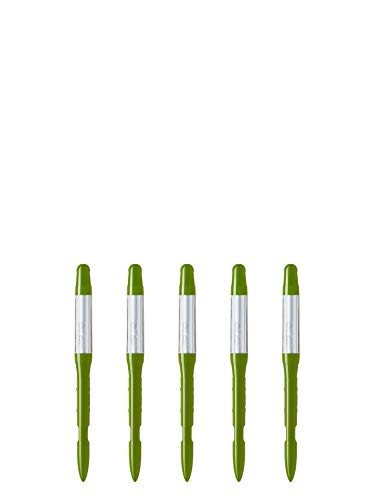
Dimensions: 0.4 x 0.3 x 4.7 inches (small) - Intended for pot sizes of 2, 2.5, and 3 - Ideal for small succulents
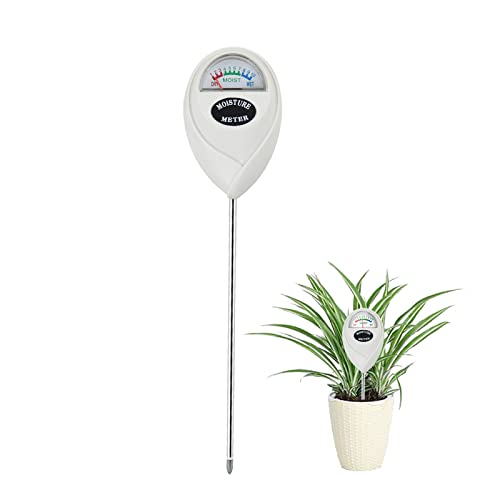
【SAVE YOUR PLANTS】: Over watering can cause problems with your plants or even kill them. This soil moisture meter helps you know the soil is dry, moist or wet.No more over watering!

Dimensions: 7.09 x 0.39 x 0.31 inches (medium) - Intended for pot sizes of 3.5, 4, 5, and 6
Adjusting Water Based on Plant Growth Stages
Tailoring your watering routine to the specific growth stages of your tomato plants is crucial for their development.
- Seedling Stage: During this early phase, focus on keeping the soil consistently moist but not waterlogged. Avoid letting the soil dry out completely as young seedlings are sensitive to fluctuations in moisture.
- Vegetative Stage: As the plants grow larger and develop more foliage, increase the frequency of watering while maintaining a balance to prevent overwatering. Ensure that water reaches the roots deeply for robust root establishment.
- Flowering and Fruit Development: Prioritize consistent moisture levels during flowering and fruit setting to avoid blossom end rot or cracked fruits. Deep, infrequent watering is beneficial at this stage as it encourages strong fruit production.
Utilizing Rainwater and Automatic Systems
Incorporating rainwater harvesting into your gardening routine can be an eco-friendly way to provide water for your tomato plants.
- Rain Barrels: Collect rainwater in barrels placed strategically around your garden area. Use this harvested rainwater for watering your tomatoes, reducing reliance on tap water and minimizing costs.
- Automatic Irrigation Systems: Install drip irrigation or soaker hoses connected to timers that deliver precise amounts of water directly to the plant roots. This automated approach ensures consistent hydration without wastage.
By adjusting your watering schedule according to different growth phases and utilizing alternative water sources like rainwater and automated systems, you can optimize the health and productivity of your tomato plants effectively.
Conclusion
You’ve discovered the key to successful tomato plant care through effective watering strategies. By understanding your plants’ needs and implementing tailored watering routines, you can ensure their optimal growth. Remember to adapt your watering schedule according to the climate and soil conditions for best results. Additionally, consider utilizing eco-friendly methods like rainwater collection or automatic irrigation systems to promote sustainability in your gardening practices. With these advanced techniques, you’re well-equipped to nurture your tomato plants throughout their growth stages and enjoy a bountiful harvest. Happy gardening!
Frequently Asked Questions
How often should I water my tomato plants?
Water your tomato plants deeply once or twice a week, adjusting based on weather conditions and soil moisture levels.
What are the signs of overwatering tomato plants?
Signs of overwatering include wilting leaves, yellowing lower leaves, and waterlogged soil.
How can I prevent underwatering my tomato plants?
Monitor soil moisture regularly and water when the top inch of soil feels dry to the touch.
Should I adjust watering schedules based on climate?
Yes, adjust watering frequency during hot and dry weather to prevent drought stress on tomato plants.
Is rainwater beneficial for watering tomato plants?
Collect rainwater in barrels and use it to water your tomato plants as it is free from chemicals present in tap water.
