

Wondering when the best time to plant tomato seeds is? Imagine eagerly tending to your garden, envisioning plump, juicy tomatoes ready for picking. But hold on – planting at the right time is key to a bountiful harvest. Picture this: you excitedly sow your seeds, only to face stunted growth and disappointment due to mistiming.
Key Takeaways
- Understanding the tomato growing cycle is crucial for successful tomato seed planting.
- Factors like warmth, moisture, light, air circulation, and consistent care are essential for healthy seedling growth.
- Plant tomato seeds based on local frost dates to avoid frost damage or growth limitations.
- Select high-quality tomato seeds suitable for your climate and gardening goals.
- Prepare nutrient-rich soil with proper drainage before planting tomato seeds in containers.
- Care for tomato seedlings by providing adequate sunlight, moisture, temperature, hardening off before transplanting, and selecting a sunny spot with well-draining soil.
Understanding the Tomato Growing Cycle
When it comes to planting tomato seeds, understanding the tomato growing cycle is essential for a successful harvest. Let’s delve into the key stages in tomato growth and the ideal conditions for tomato seed germination.
Key Stages in Tomato Growth
- Germination: This marks the beginning of a tomato plant’s life, where the seed sprouts and transforms into a seedling.
- Seedling Stage: The young plant develops its first sets of true leaves and starts to establish its root system.
- Vegetative Growth: During this stage, the plant focuses on leaf production and overall growth before flowering.
- Flowering: Tomatoes start to produce flowers that will eventually turn into fruit if pollinated successfully.
- Fruit Development: After successful pollination, the flowers give way to small green fruits that gradually ripen into juicy tomatoes.
- Harvesting: Once ripe, you can harvest your tomatoes for consumption or further use in cooking delicious meals.
- Warmth: Tomato seeds require warm temperatures between 70-85°F (21-29°C) to germinate effectively.
- Moisture: Keep the soil consistently moist but not waterlogged during germination to support seedling development.
- Light: While light isn’t necessary for germination, providing adequate light after sprouting helps prevent leggy seedlings.
- Air Circulation: Good air circulation prevents damping off—a common fungal disease affecting young seedlings.
- Consistent Care: Regular monitoring of moisture levels, temperature, and light exposure ensures healthy seedling growth.
When Is the Best Time to Plant Tomato Seeds?
Planting tomato seeds at the right time is crucial for a successful harvest. Let’s explore the optimal timing based on different factors.
Recommended Products

EASIER SEED STARTING: Our Burpee SuperSeed tray with 36 flexible pop-out cells is designed to simplify indoor seed starting for all your favorite vegetables, flowers and herbs. Just add seed starting mix, seeds, water and light to get growing! Rows are labeled alphanumerically for seedling identification with included Plant-o-Gram diagram. Tray dimensions: 11.5" x 10-3/8" x 2-1/4"
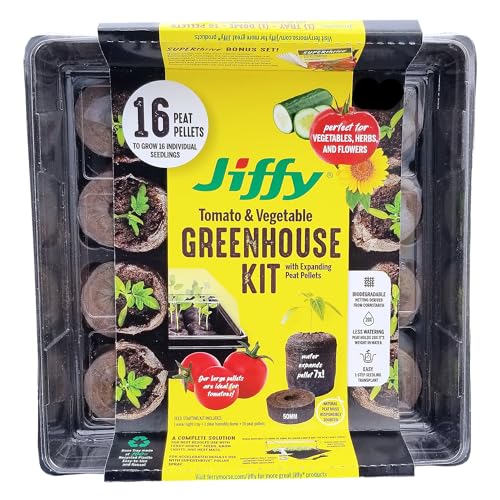
COMPLETE GERMINATION KIT: Includes sixteen 50 mm peat pellets for easy seed starting. Designed for optimal moisture retention and healthy root development in every pellet.

EASIER SEED STARTING: Our Burpee SuperSeed tray with 16 extra-large flexible pop-out cells is designed to simplify indoor seed starting. Just add seed starting mix, seeds, water and light to get growing! Rows are labeled alphanumerically for seedling identification with included Plant-o-Gram diagram.
Considerations by Climate Zone
In determining the best time to plant tomato seeds, consider your climate zone. Different zones have varying temperatures and frost dates that impact seed germination and plant growth.
Timing Based on Local Frost Dates
To ensure your tomato seeds thrive, align your planting schedule with local frost dates. Planting too early can expose seedlings to frost damage, while planting too late may limit their growth potential. Research your area’s average last spring frost date to plan accordingly.
Preparing for Planting
When getting ready to plant your tomato seeds, there are essential steps you should follow to ensure a successful growing season. Here’s what you need to do:
Recommended Products
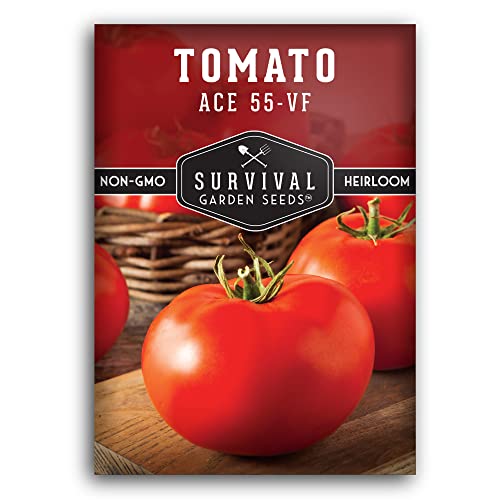
LOW ACID TOMATOES – Enjoy mild, low-acid fruits ideal for those sensitive to acidity; perfect for fresh eating, canning, or making smooth tomato sauces without bitterness

DETERMINATE TOMATO: Superb disease resistance and produce huge yields on determinate vines, beginning about 70 days after transplanting into the outdoor garden. Bred to thrive, these seeds produce healthy 36" tall plants with a 30" spread and a 7oz fruit harvest.

RICH, DARK HEIRLOOM TOMATO – Black Krim tomato seeds grow large, deep purple-red beefsteak tomatoes known for their full-bodied, smoky flavor and rich, old-fashioned sweetness prized by gardeners and chefs
Selecting the Right Tomato Seeds
To start off on the right foot, make sure you choose high-quality tomato seeds that are suitable for your climate and gardening goals. Consider factors like disease resistance, fruit size, and flavor profiles when selecting your seeds. For example, if you live in a cooler climate, opt for varieties that have a shorter time to maturity.
Preparing Soil and Containers
Before planting your tomato seeds, prepare nutrient-rich soil by mixing compost or organic matter into it. Ensure that the soil is well-draining to prevent waterlogging, which can lead to root rot. Additionally, select containers that provide adequate drainage holes to maintain proper soil moisture levels.
By carefully selecting your tomato seeds and preparing the soil and containers appropriately, you set yourself up for a successful tomato planting experience. Following these steps will help optimize seed germination and support healthy plant growth throughout the season.
Caring for Tomato Seedlings
Tomato seedlings require proper care to ensure they grow into healthy plants that yield delicious tomatoes. Here’s how you can take care of your tomato seedlings effectively:
Recommended Products

Reliable Results: The VIVOSUN professional heat mat maintains optimal temperatures around 68-86℉ (20-30℃), perfect for Seedling start and cutting propagation; Made from durable PVC material, it's designed to last

Reliable Results: The VIVOSUN professional heat mat maintains optimal temperatures around 68-86℉ (20-30℃), perfect for Seedling start and cutting propagation; Made from durable PVC material, it's designed to last
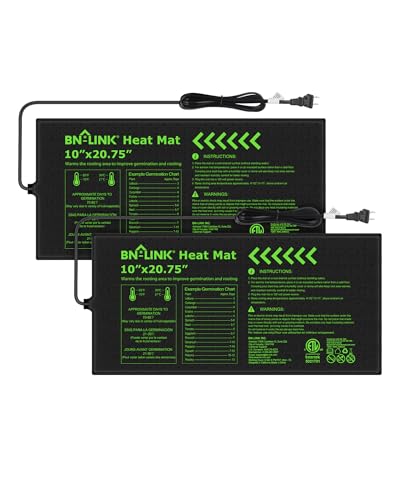
IDEAL GERMINATION TEMPERATURE: The BN-LINK seedling heat mats for seed starting helps maintain temperatures around 70°F to 85°F, the optimal range for seed germination, cutting propagation, and healthy seedling growth. Achieve faster germination and higher growth rates with seed heating mat.
Light, Water, and Temperature Needs
- Provide your tomato seedlings with ample sunlight; they need at least 6-8 hours of direct sunlight daily.
- Keep the soil consistently moist but not waterlogged. Ensure proper drainage to prevent root rot.
- Maintain a temperature range between 65-85°F (18-29°C) for optimal growth. Avoid extreme temperature fluctuations.
- Harden off your tomato seedlings before transplanting them outdoors by gradually exposing them to outdoor conditions over a week.
- Choose a sunny spot in your garden with well-draining soil for transplanting.
- Dig a hole slightly larger than the root ball of the seedling and gently place it in the soil, ensuring it stands upright.
- Water the transplanted seedling thoroughly to help it settle into its new environment.
Taking these steps will help your tomato seedlings thrive and eventually produce bountiful harvests of fresh, flavorful tomatoes.
Conclusion
Timing is key when it comes to planting tomato seeds for a successful harvest. By considering your local climate zones and frost dates, you set the stage for optimal growth. From germination to transplanting and caring for seedlings, each step plays a crucial role in nurturing healthy tomato plants. Remember, providing the right conditions like sunlight, water, and temperature levels is essential for your tomatoes to thrive. Don’t forget to harden off your seedlings before moving them outdoors and choose sunny spots with well-draining soil for planting. With proper care and attention at every stage of the growing cycle, you’ll soon be enjoying delicious homegrown tomatoes straight from your garden!
Frequently Asked Questions
When is the best time to plant tomato seeds?
Plant tomato seeds indoors 6-8 weeks before the last frost date in your area for optimal growth and yield.
What are the key stages in the tomato growing cycle?
The key stages include seed germination, seedling care, transplanting outdoors, and finally harvesting ripe tomatoes.
How can I ensure successful seed germination?
Ensure successful germination by providing warmth, moisture, and adequate light for the tomato seeds to sprout.
What care do tomato seedlings need?
Tomato seedlings require proper light exposure, consistent watering, and suitable temperature levels for healthy growth.
How should I prepare my tomato seedlings for outdoor planting?
Harden off your seedlings gradually by exposing them to outdoor conditions before transplanting them into sunny, well-draining spots.
What is the importance of proper transplanting techniques?
Using proper techniques like digging appropriate holes and watering thoroughly during transplanting ensures healthy growth and abundant harvests.
