

Are you wondering if your tomato seeds require light to sprout successfully? Picture this: eagerly planting your tomato seeds, only to find them struggling to germinate. Understanding the role of light in this process is key to ensuring a bountiful harvest. In this article, we’ll explore the importance of light for tomato seed germination and provide practical tips for optimizing this crucial growth stage.
By clarifying whether tomatoes need light to germinate, you’ll be equipped with the knowledge needed to nurture your seeds effectively. Discovering how light influences the germination process can make a significant difference in the success of your gardening endeavors. Stay tuned as we uncover the relationship between light and tomato seed germination, empowering you to cultivate thriving tomato plants from the very beginning.
Key Takeaways
- Tomatoes do not require light to germinate, but light influences the direction of growth and triggers photosynthesis post-germination.
- Environmental factors like temperature, moisture, and air circulation significantly impact tomato seed germination success.
- Maintaining consistent moisture levels and providing optimal lighting conditions can enhance the germination process for tomato seeds.
- Optimal temperature range for tomato seed germination is between 70-80°F (21-27°C) with well-draining, nutrient-rich soil.
- Light availability affects not only the initial sprouting but also the development of sturdier stems and greener leaves in tomato plants.
- Providing adequate light exposure post-germination can lead to stronger and healthier tomato plants.
Understanding Tomato Seed Germination
When it comes to tomato seed germination, understanding the process is key to successfully growing healthy tomato plants. Let’s delve into the basics of how tomatoes germinate and why environmental factors play a crucial role in this growth stage.
The Basics of Tomato Germination
Tomato germination is the initial stage where a seed sprouts and begins its journey towards becoming a mature plant. During this process, the seed absorbs water, swells up, and activates enzymes that kickstart growth. For tomatoes specifically, optimal germination occurs at temperatures between 70-85°F (21-29°C). It typically takes around 5-10 days for tomato seeds to germinate under ideal conditions.
Importance of Environmental Factors
Environmental factors such as light, temperature, moisture, and air circulation significantly impact tomato seed germination. While light is not essential for tomato seeds to germinate, it does play a role in determining the direction of growth once the seedlings emerge from the soil. Direct sunlight can help prevent leggy or elongated seedlings by promoting sturdy stem development.
Maintaining consistent moisture levels is crucial during germination as dry conditions can inhibit sprouting while excessive water can lead to rotting. Adequate air circulation around the seeds ensures they receive oxygen necessary for growth.
By paying attention to these environmental factors and providing optimal conditions for your tomato seeds, you can enhance the germination process and set your plants up for success from the very beginning.
Light Requirements for Tomato Seeds
Understanding how light affects tomato seed germination is essential for successful plant growth. Let’s explore the impact of light on this critical stage.
How Light Influences Germination
Light plays a crucial role in the germination process of tomato seeds. While not mandatory, light influences the direction of growth after sprouting. Exposure to light signals to the seedling which way is up and helps trigger photosynthesis, supporting healthy development.
Comparing Light Versus Dark Germination Conditions
When comparing germination in light versus dark conditions, seeds planted in darkness may exhibit etiolation—a pale, elongated growth due to the absence of sunlight. On the other hand, seeds germinated in light typically develop sturdier stems and greener leaves as they receive vital energy from photosynthesis right from the start.
By understanding these differences, you can adjust your growing environment to provide optimal lighting conditions for your tomato seeds’ germination and overall growth success.
Optimal Conditions for Growing Tomato Seeds
To ensure successful growth when planting tomato seeds, it’s essential to create the right environment. Here are some key factors to consider:
Recommended Products

Reliable Results: The VIVOSUN professional heat mat maintains optimal temperatures around 68-86℉ (20-30℃), perfect for Seedling start and cutting propagation; Made from durable PVC material, it's designed to last
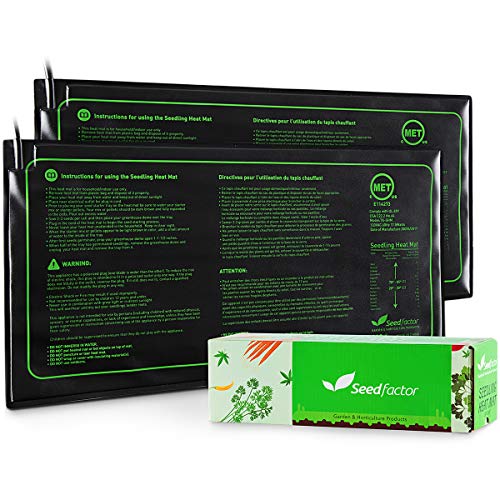
MET safety certified;Comply with UL 499;CSA C22.2 No.64

IDEAL GERMINATION TEMPERATURE: The BN-LINK seedling heat mat helps maintain temperatures around 70°F to 85°F, the optimal range for seed starting, cutting propagation, and healthy seedling growth—helping you achieve faster germination and higher growth rates.
Temperature and Moisture Considerations
Maintaining a consistent temperature is crucial for tomato seed germination. Aim for a warm environment, ideally between 70-80°F (21-27°C), as this range promotes faster and more uniform germination. Additionally, ensure that the soil remains consistently moist but not waterlogged. Soggy conditions can lead to seed rot, while dry soil may hinder germination.
Role of Soil Type and Nutrition
Choosing the right soil type is vital for the healthy development of tomato seeds. Opt for well-draining, nutrient-rich soil that provides a good balance of aeration and moisture retention. Consider using a mix specifically formulated for starting seeds or create your own blend with equal parts peat moss, vermiculite, and perlite. Providing adequate nutrition through compost or organic fertilizers further enhances seedling growth.
By paying attention to these factors and creating optimal conditions for your tomato seeds, you’ll set the stage for successful germination and robust plant development.
Experiments and Studies on Tomato Germination
Key Research Findings
In various studies on tomato germination, researchers have discovered interesting insights into the role of light in the process. While tomatoes can germinate in darkness, exposure to light significantly impacts their growth behavior post-germination. Light serves as a crucial environmental cue that influences seedling orientation and triggers essential processes like photosynthesis. Studies indicate that light availability affects not only the initial sprouting but also the development of sturdier stems and greener leaves in tomato plants. Understanding these research findings can help you optimize your growing conditions for successful tomato germination.
Practical Applications for Gardeners
For gardeners looking to enhance their tomato germination success, incorporating practical applications based on research findings is key. While tomatoes do not strictly require light for germination, providing adequate light during this phase can lead to stronger and healthier plants. Consider placing your seedlings in a well-lit area or using grow lights to ensure they receive sufficient light exposure post-germination. By doing so, you can promote optimal growth direction, encourage robust stem development, and foster vibrant leaf coloration in your tomato plants. Implementing these practical tips derived from research studies can help you achieve better results in your gardening endeavors.
Conclusion
Now that you understand the significance of light in tomato seed germination, you can take practical steps to ensure optimal growth for your plants. While light isn’t a strict requirement for germination, it plays a vital role in shaping the direction of growth after sprouting. By maintaining consistent moisture levels and adequate air circulation, along with providing sufficient post-germination light, you can enhance the strength and health of your tomato plants. Remember, exposure to light influences seedling orientation, triggers photosynthesis, and promotes robust stem development and vibrant leaf coloration. Incorporating these insights into your gardening practices will lead to improved tomato germination success and overall plant development. Happy growing!
Frequently Asked Questions
Q: Why is light important in tomato seed germination?
A: Light influences growth direction post-sprouting, triggers photosynthesis, and leads to sturdier stems and greener leaves.
Q: Are there environmental factors that affect tomato germination?
A: Yes, key factors include light, temperature, moisture, and air circulation for optimal germination.
Q: Is light mandatory for tomato seed germination?
A: While not mandatory, exposure to light significantly impacts tomato growth behavior post-germination.
Q: How can gardeners enhance tomato plant development through light exposure?
A: By providing adequate light post-germination, growers can improve plant strength and health for optimal growth direction.
