

Are you eager to grow fresh, crisp lettuce in your Alabama garden? Timing is everything when it comes to planting this leafy green. If you’ve ever found yourself confused about the right season or temperature, you’re not alone. Many gardeners struggle with knowing when to get started.
Key Takeaways
- Optimal Planting Times: Plant lettuce in Alabama either in early spring (March) or late summer (August to September) to take advantage of cooler temperatures for growth.
- Variety Selection: Choose the right lettuce variety for your climate, such as Butterhead for warmer springs and Iceberg for cooler conditions, to ensure successful growth.
- Soil and Water Requirements: Lettuce thrives in well-drained, rich soil with a pH of 6.0 to 6.8, requiring consistent moisture of about 1 to 1.5 inches of water weekly.
- Temperature Sensitivity: Ideal growing temperatures for lettuce range from 60°F to 70°F; extreme heat can cause bolting, resulting in bitter leaves.
- Sunlight Needs: Ensure your lettuce gets 6 to 8 hours of direct sunlight daily, with some shade during the hottest parts of the day to prevent heat stress.
- Pest Management: Monitor for common pests and use natural methods or row covers to protect young plants, while ensuring proper spacing to prevent disease.
Understanding Lettuce Varieties
Different lettuce varieties thrive in Alabama’s climate, each featuring unique characteristics that cater to specific gardening needs. Choosing the right type impacts growth, flavor, and overall success in your garden.
Recommended Products
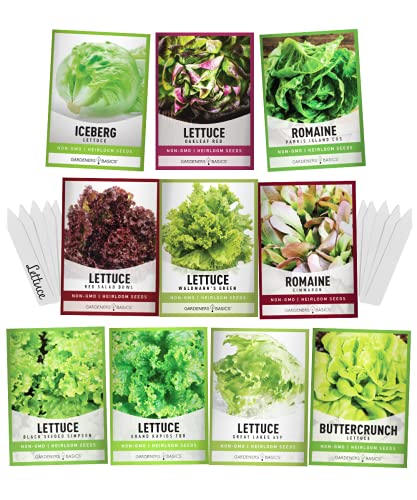
Ten salad greens varieties: Grow Black Seeded Simpson, Buttercrunch, Cimmaron, Grand Rapids, Great Lakes, Iceberg, Red Oakleaf, Parris Island Romaine, Red Salad Bowl, and Waldmann's Green. Each heirloom lettuce variety is packed separately.
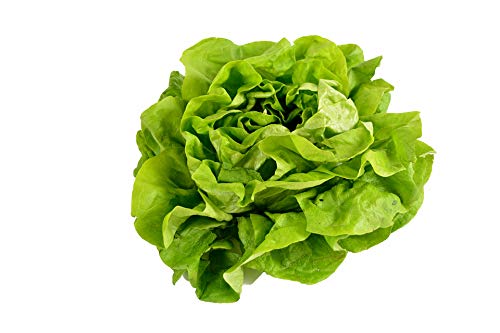
This lettuce is well known for its sweet flavor. Best if harvested in the morning.

YEAR-ROUND GARDEN FAVORITE – Dependable butterhead lettuce that thrives in cool or moderate weather for consistent harvests from spring through fall, even under cover in winter
Popular Varieties for Alabama
- Butterhead: Butterhead offers tender leaves and a sweet flavor. Varieties like ‘Buttercrunch’ perform well in warm temperatures.
- Romaine: Romaine lettuce, including ‘Cos,’ features crisp leaves and sturdy growth. It withstands heat better than other types, making it ideal for late spring.
- Leaf Lettuce: Loose-leaf varieties, such as ‘Red Romaine,’ grow quickly and allow for staggered harvests. Pick individual leaves rather than whole heads for ongoing yield.
- Iceberg: Iceberg lettuce provides crunch and a mild flavor. It prefers cooler temperatures, so plant it early in the spring or in the fall.
- Batavia: Batavia, or French crisp lettuce, combines textures and flavors of both romaine and butterhead. Varieties like ‘Crispino’ resist bolting in heat.
Growth Characteristics
Lettuce grows best in cool weather, with a preference for temperatures between 60°F and 70°F. When temperatures exceed 75°F, many varieties start to bolt, producing flowers and seeds instead of leaves.
- Days to Maturity: Leaf lettuces often mature within 30 to 50 days, while head varieties may take up to 75 days.
- Soil Requirements: Lettuce thrives in well-drained, rich soil with a pH of 6.0 to 6.8. Incorporate organic matter to enhance fertility.
- Water Needs: Consistent moisture is vital. Water deeply once a week, increasing frequency during hot spells.
- Sunlight: Lettuce requires full sun, ideally six to eight hours daily, but can tolerate partial shade, especially in hotter months.
Recognizing these varieties’ growth characteristics helps you tailor your planting and care techniques to ensure a bountiful harvest.
Climate Considerations
Understanding Alabama’s climate is crucial for successful lettuce planting. The state’s warm southern climate influences growing seasons and crop choices.
Typical Weather Patterns
Alabama experiences a humid subtropical climate, characterized by hot summers and mild winters. Average temperatures from March to May range from 60°F to 80°F, offering an ideal window for lettuce growth in spring. During fall, temperatures from September to November also remain suitable, typically between 60°F and 75°F. These milder periods allow for optimal lettuce development, as extreme heat can cause bolting, leading to bitter-tasting leaves.
Soil Temperature Requirements
Soil temperature plays a vital role in lettuce germination and growth. For best results, soil temperatures should stay between 45°F and 65°F. Use a soil thermometer to monitor conditions before planting. When temperatures are consistently below 45°F, planting can lead to slow germination. Conversely, temperatures above 70°F can result in poor seed development. To ensure proper soil temperatures, consider starting seeds indoors or using row covers to maintain warmth during cooler periods.
Planting Times
Knowing the right times to plant lettuce in Alabama helps ensure a successful crop. Here’s a closer look at spring and fall planting.
Recommended Products
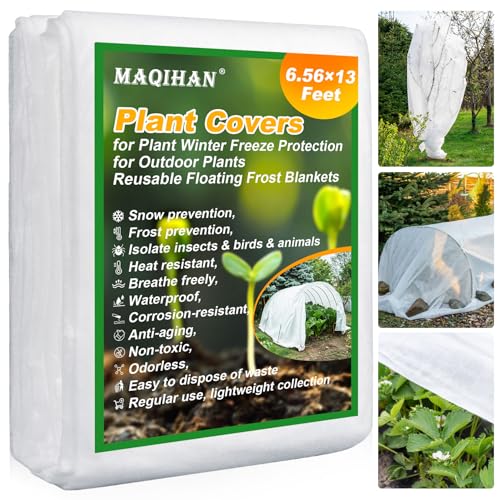
Product Features: Our plant covers are ideal for protecting all plant. Made from premium 1 oz/sq non-woven fabric, their durability and breathability ensuring both insulation against frost and facilitation of sunlight penetration for healthy plant growth
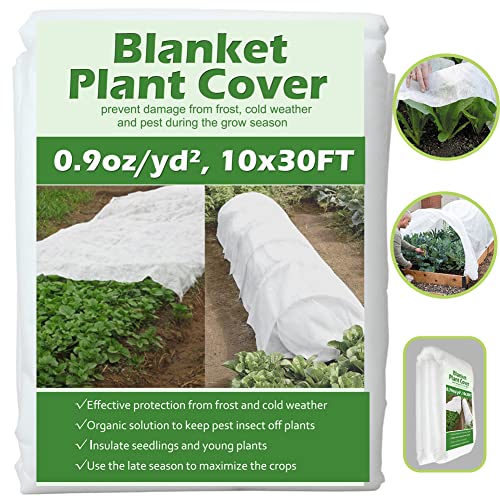
※Big Size to cover large area : The size of our plant cover is 10x30ft, the size can cover large areas. You can cut the plant covers freeze protection into different sizes for different use. You can cover it over the plant such as shrub tomato, pepper, pumpkin, and so on.

THICKER MATERIAL: Our plant freeze protection cover is made of UV stabilized polypropylene. Upgraded thicker 0.9oz./sq.yard lightweight but durable. Soft plant covers are friendly and no harm to your plants. Breathable non-woven fabric allow light, air go through the frost cloths and reach the plants.
Spring Planting
Spring planting usually starts in March. Aim for planting seeds about 2 to 4 weeks before the last expected frost. This timeframe allows your lettuce to thrive in cooler temperatures, ideal for proper growth. Lettuce germinates best in soil temperatures between 45°F and 65°F. If you start seeds indoors, transplant them once the temperatures are consistently above 60°F.
For a staggered harvest, consider planting every two weeks in early spring. This method keeps your garden producing fresh lettuce throughout the season. For direct sowing, press seeds lightly into prepared soil, spacing them about 1 inch apart. Cover the seeds lightly and keep the soil moist.
Fall Planting
Fall planting generally starts in late August or early September. This window allows lettuce to grow in cooler temperatures, often between 60°F and 75°F. Plant seeds about 6 to 8 weeks before the first expected frost date in your area. Check local frost dates to plan accordingly.
Use row covers to protect your young plants from cooler nights and potential frost. This technique extends the growing season, allowing you to harvest fresh lettuce into November. Just like in spring, ensure seeds are about 1 inch apart when directly sowing. Keep the soil consistently moist until they sprout.
By timing your planting correctly, you’ll enjoy delicious, crisp lettuce from your Alabama garden throughout the year.
Growing Tips for Success
Successful lettuce cultivation in Alabama requires attention to sunlight, water, and pest management. Follow these tips for a thriving harvest.
Recommended Products
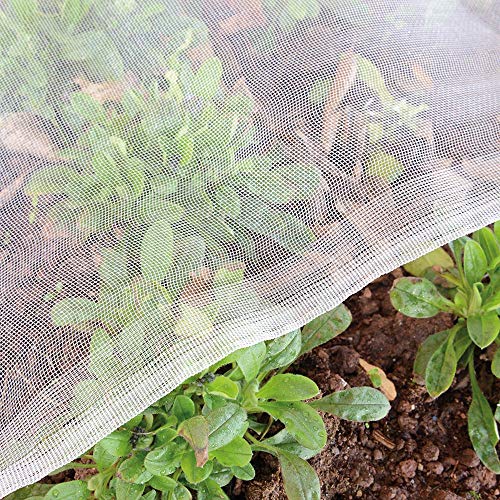
🥬Effective Bug Barrier: Protecting plants and vegetables from a wide range of pest insects and animals, such as cicadas, carrot fly and many species of aphids, you will get a healthier and happier garden

Cover Large Area: Select from an extensive range of sizes tailored to meet your gardening requirements; The frost plant covers are available in 10x10FT, 10x20FT, 10x30FT, and 10x50FT, ensuring a snug fit for gardens of every dimension; The frost blankets are durable and easy to cut to provide the perfect coverage for gardens of all shapes and sizes

Durable Material: Our bird netting for garden is made of good mesh cloth and PE material, waterproof and sun-proof, not easy to deform or break, and can be used for a long time outdoors to protect your orchard
Sunlight and Water Needs
Lettuce thrives in full sun, requiring at least 6 to 8 hours of direct sunlight daily. If temperatures soar, partial shade during the hottest part of the day can prevent bolting.
Watering is crucial; lettuce prefers consistent moisture. Aim for about 1 to 1.5 inches of water each week, either from rainfall or irrigation. Water early in the morning to minimize evaporation and encourage deep root growth. Consider using drip irrigation or soaker hoses to deliver moisture directly to the soil.
Pest and Disease Management
Pests can threaten your lettuce crop. Common offenders include aphids, caterpillars, and slugs. Keep watch for signs of damage and encourage beneficial insects, like ladybugs, to naturally control populations. Use row covers to protect young plants from pests while they’re most vulnerable.
Disease prevention involves proper spacing and air circulation. Overcrowded plants are at a higher risk of fungal diseases. Rotate crops each year to disrupt disease cycles in the soil. Regularly inspect your plants for any symptoms of disease, like wilting or discoloration, and remove affected leaves immediately.
Conclusion
With the right timing and care you can enjoy a bountiful lettuce harvest in Alabama. Keep an eye on those temperatures and remember to plant during the optimal windows in spring and fall. By choosing the right varieties and following the tips for sunlight and moisture you’ll set yourself up for success.
Don’t forget to monitor your plants for pests and diseases to keep them healthy. With a little patience and attention you’ll be rewarded with fresh and crisp lettuce right from your garden. Happy gardening!
Frequently Asked Questions
When is the best time to plant lettuce in Alabama?
Lettuce grows best in Alabama during spring and fall. Plant in early spring from March to May, sowing seeds 2 to 4 weeks before the last frost. For fall, plant from late August to early September, 6 to 8 weeks before the first frost.
What temperature is ideal for growing lettuce?
Lettuce thrives in cool weather, ideally between 60°F and 70°F. Soil temperatures should range from 45°F to 65°F for optimal germination and growth.
What are the best lettuce varieties for Alabama?
Popular lettuce varieties for Alabama include Butterhead, Romaine, Leaf Lettuce, Iceberg, and Batavia. Each variety has unique flavors and growth characteristics suited to the state’s climate.
How often should I water lettuce?
Lettuce needs consistent moisture, requiring about 1 to 1.5 inches of water weekly. Early morning watering or drip irrigation is recommended to maintain soil moisture without over-saturating the plants.
Can extreme heat affect lettuce growth?
Yes, extreme heat can cause lettuce to bolt, leading to bitter leaves. It’s crucial to monitor temperatures and provide partial shade during hot days to prevent this issue.
How can I protect young lettuce plants from the cold?
Consider using row covers to protect young lettuce plants from cooler nights in spring and fall. This helps maintain warmth and extends the growing season.
What are some pest management tips for lettuce?
Monitor for pests like aphids and caterpillars. Encourage beneficial insects and consider using row covers for added protection. Regular inspections and proper spacing are essential to prevent diseases.
