

Are you eager to kickstart your broccoli garden but unsure when to plant in South Carolina? Picture this: standing in your backyard, envisioning rows of vibrant broccoli ready to harvest. In this article, you’ll discover the perfect timing for planting broccoli in SC. By the end, you’ll be equipped with the knowledge to nurture your broccoli crop successfully. Ready to delve into the world of broccoli planting and cultivate a thriving garden this season?
Overview of Broccoli
Broccoli is a nutrient-packed vegetable that thrives in cool weather. It belongs to the cabbage family and is rich in vitamins and fiber. Broccoli can be a rewarding addition to your garden, not just for its health benefits but also for its delicious flavor.
- Varieties: Broccoli comes in different varieties, such as Calabrese and Sprouting broccoli. Each type may have unique characteristics, so choose based on your preferences.
- Planting Time: The ideal time to plant broccoli in South Carolina is in late summer to early fall for a fall harvest or in late winter to early spring for a spring harvest.
- Soil and Sunlight: Broccoli thrives in well-draining soil with a pH level between 6.0 and 7.0. Ensure your plants get at least 6 hours of sunlight daily for optimal growth.
- Spacing: When planting broccoli, space the seedlings about 18-24 inches apart to allow room for the heads to develop properly.
- Caring for Broccoli: Keep the soil consistently moist, adding a layer of mulch to retain moisture and suppress weeds. Fertilize the plants every 3-4 weeks with a balanced fertilizer.
- Pests and Diseases: Keep an eye out for common pests like aphids and cabbage worms. Use natural remedies or pesticides if necessary. Rotate your crops yearly to prevent diseases.
Climate and Soil Conditions in South Carolina
In South Carolina, broccoli thrives in moderately cool temperatures and requires well-draining soil enriched with organic matter.
- Climate: South Carolina has a humid subtropical climate with mild winters and hot summers. Broccoli grows best in temperatures between 60°F to 70°F.
- Soil: Loamy soil with a pH level between 6.0 to 7.0 is ideal for broccoli cultivation.
Ensure your broccoli plants receive full sun (at least 6 hours of direct sunlight daily) for optimal growth and irrigate consistently to keep the soil moist but not waterlogged.
| Climate | |
|---|---|
| Temperature | 60°F to 70°F |
| Sunlight | 6 hours daily |
| Soil Conditions | |
|---|---|
| Soil Type | Loamy |
| pH Level | 6.0 to 7.0 |
Recommended Products

Quick, at home results for Soil pH, Nitrogen, Phosphorous and Potash Innovative and inexpensive soil test kit features an easy-to-use capsule system and patented color comparators

PROFESSIONAL-GRADE ACCURACY: Engineered specifically for soil pH testing, delivering results quickly (in about 60 seconds). With a 3rd Generation, 3-pad ph tester strips design, our soil ph test kit ensures consistent, repeatable results for all your lawn, landscape and garden needs.

Accurate Soil pH Testing: Dewildetradingco Soil pH Test Strips offer measurements of soil pH levels (pH 3.5-9). As an essential tool for every gardener and grower, these test strips help determine the optimal pH for various plants, such as outdoor plants, indoor plants, gardens, grass lawns, fruit trees, flowers, vegetables, and forest shrubs.
Best Time of Year to Plant Broccoli
When to plant broccoli in South Carolina? The best time of year to plant broccoli in your garden is during the cool seasons. Broccoli thrives in moderately cool temperatures, making fall and early spring the ideal periods to sow your broccoli seeds or transplant seedlings.
Fall Planting
- September to October is the perfect time for fall planting. Sow your seeds directly in the garden or transplant seedlings for a bountiful harvest later on.
Spring Planting
- For spring planting, aim for a timeframe between March and April. Starting your broccoli in early spring sets the stage for a successful growth season.
- Ensure your plants have enough time to mature before the extreme heat of summer sets in.
- Broccoli loves cool weather, so planting too late in spring might lead to early bolting.
For optimal broccoli growth in South Carolina, timing is key. Plan your planting schedule accordingly to yield a plentiful broccoli harvest.
Tips for Successful Broccoli Planting
Planting broccoli in South Carolina can be a rewarding experience if done right. Here are some tips to help you achieve success:
- Choose the Right Variety:
- Opt for heat-tolerant varieties like Green Magic or Imperial to thrive in South Carolina’s warm climate.
- Prepare the Soil:
- Ensure your soil is well-drained and rich in organic matter to promote healthy root growth.
- Plant at the Right Time:
- Aim to plant your broccoli 4-6 weeks before the last frost in fall or 6-8 weeks before the first frost in spring for optimal growth.
- Provide Adequate Sunlight:
- Broccoli thrives in full sun, so choose a planting location that receives at least 6-8 hours of sunlight daily.
- Water Regularly:
- Keep the soil consistently moist, especially during dry periods, to prevent stunted growth or bitter-tasting florets.
- Mulch Around Plants:
- Use mulch to retain soil moisture, regulate soil temperature, and reduce weed growth around your broccoli plants.
- Fertilize Wisely:
- Apply a balanced fertilizer or compost at planting and side-dress your plants with nitrogen-rich fertilizer during the growing season.
- Monitor for Pests:
- Keep an eye out for common pests like cabbage worms and aphids, and take proactive measures like hand-picking or using organic pest control methods.
- Harvest on Time:
- Harvest your broccoli when the heads are compact and tight, typically about 60-90 days after planting, for the best flavor and texture.
Remember, successful broccoli planting in South Carolina requires careful attention to timing, soil preparation, and consistent care throughout the growing season. By following these tips, you can enjoy a bountiful harvest of fresh, homegrown broccoli.
Recommended Products
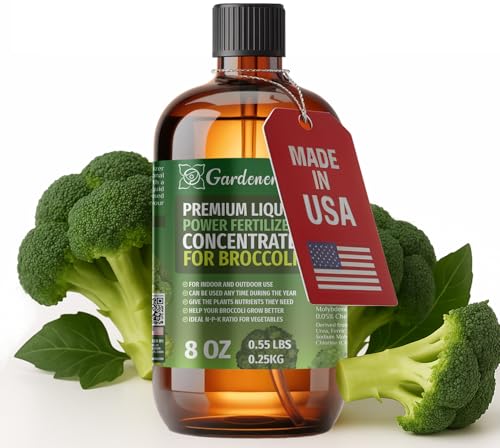
🥦 CUSTOMIZED FOR BROCCOLI DEVELOPMENT – Gardenera LIQUID POWER Broccoli Fertilizer is specially formulated to promote vigorous growth, tight crown formation, and bold green heads across all broccoli types including Calabrese, Romanesco, and sprouting varieties.
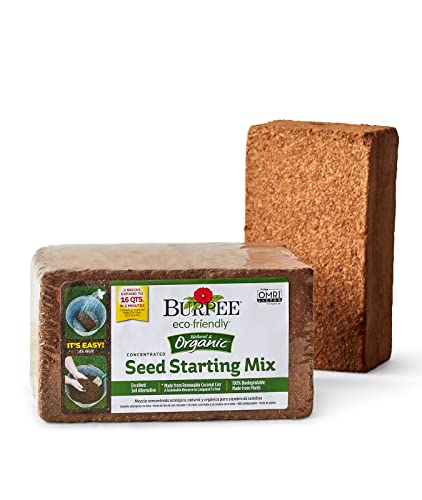
ORGANIC COCONUT COIR: Made from recycled coconut husks, coir is a light, sustainable growing medium that holds the perfect amount of moisture for starting seeds. 100% biodegradable soil alternative. Environmentally-friendly and a renewable alternative to peat moss. OMRI listed and certified organic.

Easy-to-apply, includes pre-measured ingredients
Conclusion
You now have the key insights for successful broccoli planting in South Carolina. By selecting the right variety, prepping the soil, planting before frost, ensuring sunlight, watering, mulching, fertilizing wisely, monitoring pests, and harvesting on time, you’re on your way to a fruitful broccoli yield. Remember, timing, soil quality, and consistent care are crucial for a thriving broccoli garden in South Carolina. Happy planting!
Frequently Asked Questions
What are the key factors to consider for successful broccoli planting in South Carolina?
For successful broccoli planting in South Carolina, consider choosing the right variety, preparing the soil with organic matter, planting before frost, ensuring adequate sunlight, regular watering, mulching, wise fertilization, pest monitoring, and timely harvesting.
When is the best time to plant broccoli in South Carolina?
The optimal time to plant broccoli in South Carolina is 2 to 3 weeks before the last expected frost date, typically in early spring or late summer for a fall harvest.
How important is sunlight for growing broccoli in South Carolina?
Sunlight is crucial for broccoli growth in South Carolina as it ensures proper development and quality of the broccoli heads. Aim for at least 6 hours of direct sunlight daily.
Why is mulching important for broccoli plants in South Carolina?
Mulching helps retain soil moisture, suppress weeds, and regulate soil temperature for broccoli plants in South Carolina, promoting healthy growth and productivity.
How often should I water my broccoli plants in South Carolina?
Broccoli plants in South Carolina generally require about 1 to 1.5 inches of water per week, ensuring consistent moisture without waterlogging the soil.
What fertilization practices are recommended for broccoli cultivation in South Carolina?
Use a balanced fertilizer rich in nitrogen for broccoli cultivation in South Carolina, applying it at planting and during the growing season as needed to promote vigorous plant growth.
How can I effectively monitor and manage pests when growing broccoli in South Carolina?
Regularly inspect broccoli plants for common pests like aphids, cabbage worms, and beetles in South Carolina. Implement cultural and organic pest control methods to manage pest infestations effectively.
At what stage should I harvest broccoli in South Carolina for the best taste and quality?
Harvest broccoli in South Carolina when the heads are tight, compact, and reach a desirable size. Cut the main head first, and then side shoots for continual harvesting.
