

Ever wondered when to plant broccoli for a bountiful harvest? Picture this: you’re eager to grow your own delicious and nutritious broccoli, but unsure about the perfect timing. Don’t fret – you’re not alone in this dilemma.
Best Time to Plant Broccoli
If you’re wondering when the Best Time to Plant Broccoli is, you’ll be pleased to know that broccoli is a cool-season vegetable. This means it thrives when temperatures are in the mild to cool range.
Here are some key points to keep in mind for planting broccoli successfully:
- Early Spring: Plant your broccoli in early spring for a bountiful harvest.
- Fall Planting: For those in milder climates, consider planting broccoli in late summer for a fall harvest.
- Temperature Control: Broccoli grows best in temperatures between 65°F to 75°F.
Remember, broccoli plants are hardy and can tolerate light frosts, making them an excellent choice for early spring or fall planting.
Choosing the Right Location
When planting broccoli, selecting the proper location is crucial for a successful harvest. Here are some key tips to help you choose the right spot for your broccoli plants:
- Sunlight: Ensure your broccoli patch gets full sun. Broccoli thrives in at least 6 hours of sunlight each day.
- Soil Quality: Opt for well-draining soil rich in organic matter. Broccoli prefers a pH level between 6.0 to 7.0.
- Avoid Crowding: Plant broccoli in an area with ample space to allow for proper growth and air circulation.
- Protection from Wind: Shield your broccoli plants from strong winds that can damage their delicate heads.
- Consider Companion Planting: Broccoli does well when planted alongside carrots, onions, or lettuce, as they can benefit each other and repel pests.
Remember, a prime location sets the stage for robust broccoli growth and a bountiful harvest.
Preparing the Soil
When planting broccoli, Preparing the Soil is a crucial step in ensuring a successful harvest. Follow these steps to get your soil ready for your broccoli plants:
- Test Your Soil: Start by testing your soil to determine its pH level and nutrient content. Broccoli thrives in slightly acidic soil with a pH between 6.0 and 7.0. If needed, amend your soil with lime or sulfur to adjust the pH.
- Add Organic Matter: Work compost or well-rotted manure into the soil to improve its structure, fertility, and water retention capabilities. This will provide your broccoli plants with the necessary nutrients to grow strong and healthy.
- Ensure Good Drainage: Broccoli plants don’t like to sit in waterlogged soil. Make sure your garden bed has adequate drainage by adding organic matter and creating raised beds if necessary.
- Weed Control: Before planting your broccoli, make sure to remove any weeds from the planting area. Weeds can compete with your broccoli plants for nutrients and water, so it’s essential to keep the area weed-free.
- Consider Cover Crops: If you’re preparing your soil in advance, consider planting cover crops like clover or hairy vetch to improve soil health and prevent erosion. These cover crops can be tilled into the soil before planting your broccoli.
Recommended Products

Quick, at home results for Soil pH, Nitrogen, Phosphorous and Potash Innovative and inexpensive soil test kit features an easy-to-use capsule system and patented color comparators

Kindly NOTE: This soil tester can not be applied to test pH value of any other liquid. If the soil is too dry the indicator will not move, and water it before testing.

Accurate Soil pH Testing: Dewildetradingco Soil pH Test Strips offer measurements of soil pH levels (pH 3.5-9). As an essential tool for every gardener and grower, these test strips help determine the optimal pH for various plants, such as outdoor plants, indoor plants, gardens, grass lawns, fruit trees, flowers, vegetables, and forest shrubs.
Sowing Broccoli Seeds
Now that you’ve prepared the soil, let’s dive into the next step: sowing your broccoli seeds. Here’s what you need to know:
- Timing: Plant broccoli seeds indoors about 6-8 weeks before the last frost date in your area.
- Containers: Use seedling trays or small pots filled with moistened seed-starting mix. Plant 2-3 seeds per container.
- Planting Depth: Sow the seeds about 1/4 inch deep in the soil.
- Light and Temperature: Place the containers in a sunny spot with a temperature of around 60-70°F.
- Watering: Keep the soil evenly moist, but not waterlogged.
- Transplanting: Once the seedlings have 3-4 true leaves, they are ready to be transplanted into the garden.
- Hardening Off: Before moving them outside, gradually expose the seedlings to outdoor conditions to acclimate them.
- Spacing: When transplanting, space the broccoli plants about 18-24 inches apart in rows spaced 12-18 inches apart.
- Mulching: Consider adding a layer of mulch around the plants to retain moisture and suppress weeds.
- Care: Maintain consistent watering, provide fertilizer as needed, and watch out for common pests like cabbage worms.
Broccoli seeds require attention and care in the initial stages to ensure healthy plants that produce a plentiful harvest.
Recommended Products

Miracle-Gro Indoor Potting Mix for Seed Starting grows stronger roots for seeding success (vs unfed when used as directed)

EASIER SEED STARTING: Our Burpee SuperSeed tray with 36 flexible pop-out cells is designed to simplify indoor seed starting for all your favorite vegetables, flowers and herbs. Just add seed starting mix, seeds, water and light to get growing! Rows are labeled alphanumerically for seedling identification with included Plant-o-Gram diagram. Tray dimensions: 11.5" x 10-3/8" x 2-1/4"

【Biodegradable Material】The seed trays are crafted from environmentally friendly materials, ensuring sustainability from seed to harvest
Caring for Broccoli Plants
Caring for Broccoli Plants
In the care of your broccoli plants, consistency is key. Here are some essential steps to ensure your plants thrive:
- Watering: Broccoli plants need consistent moisture. Water deeply, allowing the soil to dry slightly between waterings.
- Fertilizing: Provide a balanced fertilizer when the plants are about 3-4 weeks old to promote healthy growth.
- Pest Control: Keep an eye out for cabbage worms. Handpick them if you spot any to prevent damage to your plants.
- Harvesting: Harvest your broccoli when the heads are firm and tight to enjoy the best flavor.
| Timing | Broccoli plants usually mature in 60-100 days. |
|---|
- Patience and consistent care are key to a successful broccoli harvest.
Recommended Products

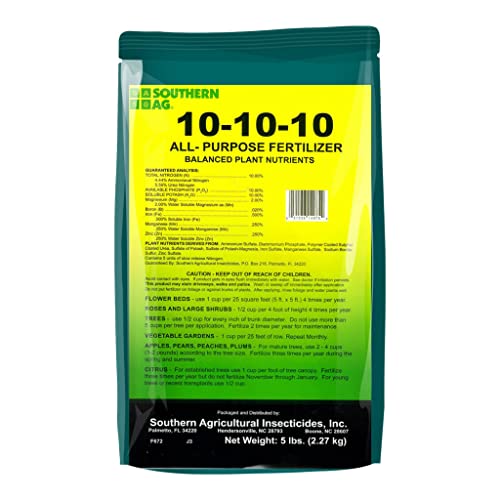
COMPREHENSIVE PLANT NUTRITION: The 10-10-10 in our liquid plant fertilizer signifies a balanced blend of Nitrogen (N), Phosphorus (P), and Potassium (K), each contributing 10% to the total composition. Nitrogen is essential for promoting lush, vibrant foliage and overall growth, while Phosphorus is integral to root development and crucial for blooming and fruiting. Potassium is responsible for overall plant health
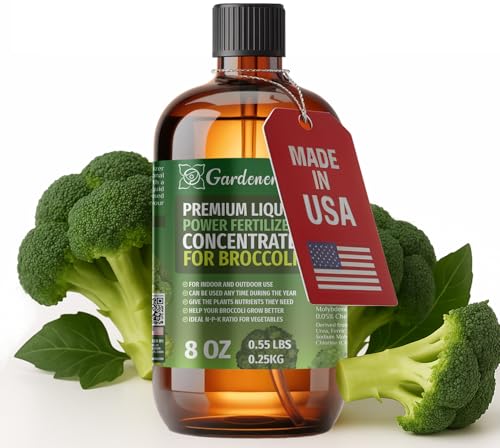
🥦 CUSTOMIZED FOR BROCCOLI DEVELOPMENT – Gardenera LIQUID POWER Broccoli Fertilizer is specially formulated to promote vigorous growth, tight crown formation, and bold green heads across all broccoli types including Calabrese, Romanesco, and sprouting varieties.
Conclusion
You’ve learned the key steps to growing healthy broccoli plants. By maintaining a watering schedule, providing balanced fertilization, staying vigilant against pests, and harvesting at the right time, you’re on your way to a successful broccoli harvest. Remember, patience is key as broccoli plants take time to mature. Keep up the good work in caring for your broccoli plants, and you’ll soon enjoy the delicious rewards of your efforts. Happy gardening!
Frequently Asked Questions
How often should I water my broccoli plants?
Broccoli plants require consistent moisture, so aim to deep water them at least once per week, providing around 1-1.5 inches of water.
What is the best way to fertilize broccoli plants?
For optimal growth, use a balanced fertilizer to feed your broccoli plants every 3-4 weeks, following the package instructions.
How can I protect my broccoli plants from pests like cabbage worms?
Keep a close eye on your plants for any signs of cabbage worms and remove them by hand, or use organic pesticides if necessary.
When is the right time to harvest broccoli?
Harvest your broccoli when the heads are firm and tight, typically within 60-100 days after planting.
Any additional tips for successful broccoli cultivation?
Be patient and consistent in providing care to your broccoli plants throughout their growth stages for a bountiful harvest.
