

Have you ever wondered if you missed the perfect window to plant lettuce? You’re not alone. Many gardeners face the dilemma of timing when it comes to this delicious leafy green. Whether you’re a seasoned pro or just starting out, knowing when to plant can make all the difference in your harvest.
Key Takeaways
- Ideal Planting Times: Plant lettuce in early spring or late summer for optimal growth, as it thrives in cool temperatures between 60°F to 70°F (15°C to 21°C).
- Germination Conditions: Ensure soil temperature is between 40°F to 75°F (4°C to 24°C) for effective germination. Maintain consistent moisture to enhance sprouting rates.
- Signs of Too Late: Monitor local weather; if temperatures regularly exceed 80°F (27°C) or frost is expected, it may be too late to plant lettuce.
- Fast-Maturing Varieties: For late planting, select quick-growing lettuce types like Butterhead or Looseleaf, which mature in 30 to 60 days.
- Best Practices: Use season extenders like row covers or cold frames, prepare nutrient-rich soil, and thin seedlings to promote healthy growth.
- Alternatives to Lettuce: If it’s too late for lettuce, consider planting other greens like spinach and arugula or start planning for the next growing season to ensure a bountiful harvest.
Understanding Lettuce Growth Cycles
Understanding lettuce growth cycles helps you determine the best time to plant. Lettuce thrives in cool temperatures, with an ideal range of 60°F to 70°F (15°C to 21°C).
Germination Stage
- Germination starts within 7 to 14 days after planting seeds.
- Soil moisture is crucial, as dry conditions can delay sprouting.
- Providing consistent moisture improves germination rates.
Vegetative Stage
- The vegetative stage follows germination and lasts 30 to 50 days.
- This stage features leafy growth, accumulating light and nutrients.
- Fertilizing with nitrogen boosts leaf development during this time.
Maturity
- Lettuce typically reaches maturity between 55 to 80 days after planting.
- Temperature influences maturity, so cooler conditions can extend this period.
- Harvesting at the right time ensures the best flavor and texture.
Timing Considerations
- Plant lettuce in early spring or late summer for optimal results.
- If temperatures rise above 80°F (27°C), lettuce may bolt, leading to a bitter taste.
- Indoor planting can extend your growing window, especially in colder areas.
Conclusion
By understanding these growth cycles, you can strategically plan your planting. Adjust your schedule based on local climate conditions for a successful lettuce harvest.
Factors Affecting Planting Time
Understanding the factors that affect planting time helps you make informed decisions for growing lettuce. Two critical factors include climate considerations and soil temperature.
Climate Considerations
Climate plays a crucial role in determining when to plant lettuce. Lettuce thrives best in cooler climates, with ideal air temperatures between 60°F to 70°F (15°C to 21°C). If your area tends to have hot summers, consider planting in early spring or late summer to avoid the heat. Monitor local weather patterns and frost dates; planting too late in the fall can expose seedlings to unexpected frost, which can damage them. Additionally, consider regions with shorter growing seasons. Choose fast-maturing lettuce varieties like Butterhead or Leaf lettuce to maximize your harvest.
Soil Temperature
Soil temperature significantly influences seed germination and plant growth. For lettuce seeds to sprout effectively, soil temperatures should range between 40°F to 75°F (4°C to 24°C). Use a soil thermometer to check your garden soil before planting. If soil temperatures exceed 75°F (24°C), germination may slow, and lettuce may bolt. If you’re planting late in the season, ensure the soil remains cool enough by mulching or planting in shaded areas. Keeping an eye on soil temperature helps you time your planting just right for a successful lettuce harvest.
Signs It May Be Too Late to Plant
Recognizing when it’s too late to plant lettuce helps in making informed gardening choices. Here are key indicators:
Recommended Products
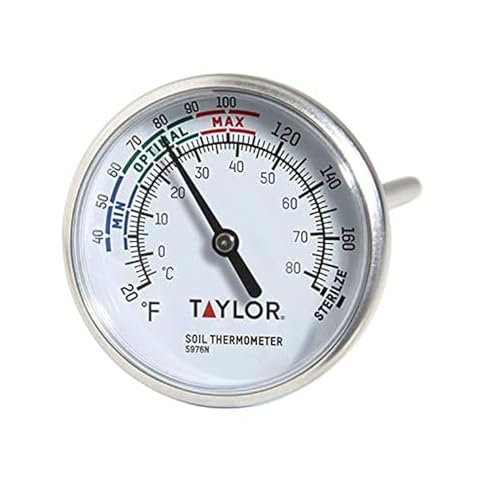
PRECISE SOIL TEMPERATURE READINGS: Measures soil temperatures from 20 degrees F to 180 degrees F (0 degrees C to 80 degrees C) with a large, easy-to-read analog dial face - no batteries or digital screens needed for reliable results every time

Easy-to-read green, yellow, and red tick marks for easy monitoring
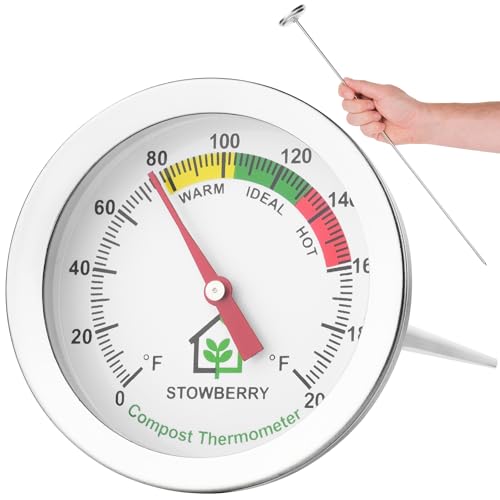
COMPOST THERMOMETER FOR ACCURATE TEMPERATURE MONITORING: Easily track compost temperature levels with this 20 Inch stainless steel probe that reaches deep into piles for precise core readings
Weather Patterns
Monitoring weather patterns is essential. If you’re consistently experiencing temperatures averaging above 80°F (27°C), it’s too late to plant lettuce, as high temperatures lead to bolting. Check local forecasts for unexpected heatwaves, especially when your planned planting time approaches. Look for signs of frost in the fall; if nighttime temperatures drop below 32°F (0°C), it’s best to hold off on planting. Additionally, a lack of rainfall may signal too dry conditions for successful germination.
Plant Health Indicators
Assessing plant health indicators can help determine if planting is advisable. If existing plants are wilting or showing signs of stress, the environment might not support new seedlings. Check for pests or diseases affecting nearby crops; if they are present, your soil may harbor problems that impact new growth. Also, consider the state of your soil. If it’s become compacted or depleted of nutrients, it’ll hinder proper development of lettuce plants. If the soil temperature remains below 40°F (4°C) or above 75°F (24°C), it’s not suitable for sprouting lettuce seeds.
Best Practices for Late Planting
When considering late planting for lettuce, follow these best practices to improve your chances of success.
Recommended Products
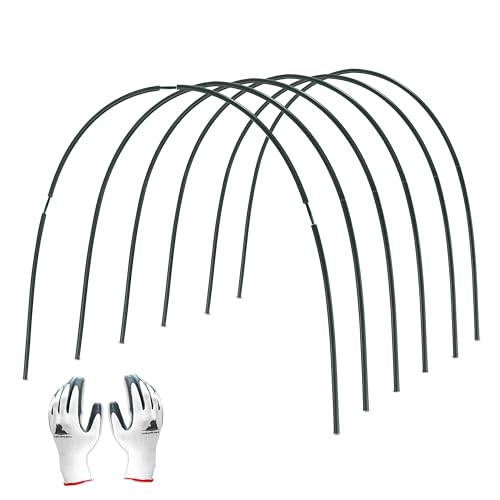
Durable PP Material: Crafted from high quality polypropylene to resist rust and oxidation; provides sturdy support for all weather garden protection; safe to handle without risk of skin irritation

Durable PP Material: Crafted from high quality polypropylene to resist rust and oxidation; provides sturdy support for all weather garden protection; safe to handle without risk of skin irritation
Choose Fast-Maturing Varieties
Opt for fast-maturing lettuce varieties like Butterhead, Leaf, or Looseleaf. These types typically mature within 30 to 60 days, making them suitable for late planting.
Utilize Season Extenders
Employ season extenders to protect your late-planted lettuce. Using row covers or cold frames helps maintain warmer temperatures, shielding plants from frost and extending your growing season.
Monitor Soil Temperature
Check soil temperatures carefully. Ideal soil temperatures for germination range between 40°F to 75°F (4°C to 24°C). Use a soil thermometer to ensure conditions are right for planting.
Prepare the Soil
Prepare your soil before planting. Amend with compost to enrich nutrient levels and improve moisture retention. Loose, well-aerated soil aids young seedlings in establishing roots quickly.
Water Adequately
Maintain consistent soil moisture post-planting. Water lightly yet frequently, ensuring the top inch of soil remains moist. Avoid overwatering, as this can lead to rot.
Thin Seedlings Promptly
Thin seedlings to prevent overcrowding. Space them 6 to 12 inches apart after they develop a few true leaves. This spacing promotes healthy growth and reduces competition for nutrients.
Observe Weather Patterns
Keep an eye on local weather conditions. If temperatures rise above 80°F (27°C), your plants may bolt. Planting later in the season helps avoid this issue, but monitor forecasts for unexpected heat.
Harvest at the Right Time
Harvesting should occur before conditions become unfavorable. Leafy varieties benefit from early picking, as younger leaves taste sweeter and are more tender. Aim to harvest in the morning for the best flavor.
By following these best practices, you enhance your chances of a successful late harvest of lettuce. Adjust your techniques based on local climate conditions to optimize growth and yield.
Alternatives to Late Planting
If it’s too late to plant lettuce, consider these alternatives to still cultivate fresh greens.
Recommended Products
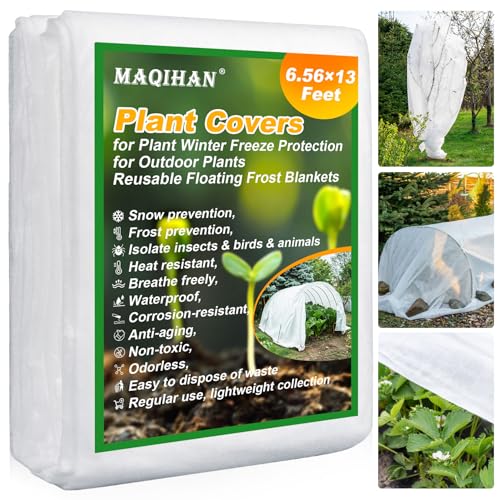
Product Features: Our plant covers are ideal for protecting all plant. Made from premium 1 oz/sq non-woven fabric, their durability and breathability ensuring both insulation against frost and facilitation of sunlight penetration for healthy plant growth

THICKER MATERIAL: Our plant freeze protection cover is made of UV stabilized polypropylene. Upgraded thicker 0.9oz./sq.yard lightweight but durable. Soft plant covers are friendly and no harm to your plants. Breathable non-woven fabric allow light, air go through the frost cloths and reach the plants.
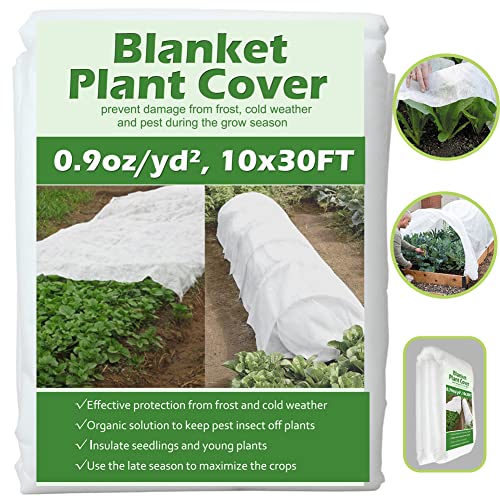
※Big Size to cover large area : The size of our plant cover is 10x30ft, the size can cover large areas. You can cut the plant covers freeze protection into different sizes for different use. You can cover it over the plant such as shrub tomato, pepper, pumpkin, and so on.
Choose Fast-Maturing Varieties
- Select varieties: Opt for fast-maturing types like Butterhead or Looseleaf. These take only 30 to 60 days to reach maturity.
- Verify seed packets: Check the days to maturity listed on packaging to ensure quick growth.
Utilize Season Extenders
- Row covers: Use lightweight row covers to shield young plants from frost. This extra protection can extend your growing season.
- Cold frames: Consider building cold frames using materials like old windows. These structures help trap heat and create a favorable environment for late planting.
Plant in Containers
- Use pots: Consider container gardening for late plantings. Choose pots with good drainage and fill them with high-quality potting soil.
- Moveable: Position containers in sunny areas to maximize warmth and growth.
Explore Other Greens
- Salad mixes: Try other leafy greens that thrive in cooler temperatures. Options include spinach, arugula, and mustard greens. These plants mature quickly and can be harvested in succession.
- Herbs: Plant herbs like cilantro or parsley, which grow well in cooler weather. They can complement your lettuce harvest next season.
- Plan ahead: Start planning your next planting season. Make a timeline based on local climate conditions and frost dates.
- Improve soil health: Amend your soil now with compost or organic matter. Healthy soil helps subsequent plantings thrive.
By implementing these strategies, you can still enjoy fresh greens from your garden. Adjusting your approach ensures productive growing, even late in the season.
Conclusion
Knowing when it’s too late to plant lettuce can make all the difference in your gardening success. By paying attention to temperature and local weather patterns you can make informed decisions that lead to a bountiful harvest. If you find yourself running out of time don’t fret—there are fast-maturing varieties and season extenders that can help you maximize your growing potential.
Remember to stay flexible and explore other leafy greens or herbs if the window for lettuce has closed. With a little planning and care you can enjoy fresh greens throughout the season. Happy gardening!
Frequently Asked Questions
When is the best time to plant lettuce?
The best times to plant lettuce are early spring and late summer. This timing allows the lettuce to thrive in cooler temperatures, ideally between 60°F to 70°F (15°C to 21°C), which promotes healthy growth and prevents bolting.
How long does it take for lettuce to germinate?
Lettuce typically germinates within 7 to 14 days after planting. Ensuring proper soil moisture during this time is essential for successful sprouting and healthy seedling development.
What factors affect lettuce planting time?
Key factors include climate, soil temperature, and local weather patterns. Lettuce prefers cooler climates and should be planted when soil temperatures are between 40°F to 75°F (4°C to 24°C) for optimal germination.
What are signs it’s too late to plant lettuce?
It’s too late to plant lettuce if temperatures consistently exceed 80°F (27°C), leading to bolting. Other indicators include frost signs in the fall and the health of existing plants, such as wilting or stress.
What can I do if it’s too late to plant lettuce?
If it’s too late for lettuce, you can choose fast-maturing varieties, use season extenders like row covers, or switch to other leafy greens such as spinach or arugula, which are better suited for cooler temperatures.
