

Wondering what to plant next to your broccoli to maximize your garden’s potential? Have you ever faced the challenge of deciding which companion plants can work wonders for your broccoli crop? In this article, discover the perfect companions for your broccoli that not only enhance growth but also protect against pests.
Imagine a harmonious garden where your broccoli thrives alongside plants that support its growth and flavor. Picture a scenario where planting the right companions not only benefits your broccoli but also creates a beautiful and functional garden space. This article will guide you through the process of selecting the ideal plants to complement your broccoli and create a thriving garden ecosystem.
By exploring the best companion plants for your broccoli, you’ll unlock the secrets to a bountiful harvest and a flourishing garden. Stay tuned to uncover the perfect plant pairings that will elevate your broccoli-growing experience to new heights.
Understanding Companion Planting
When it comes to companion planting, think of it like creating a garden squad where plants support each other in various ways. Here are some key points to understand this concept:
- Diverse Plant Pairings: Companion planting involves pairing specific plants based on the benefits they offer each other. For instance, some plants may repel pests that target others nearby.
- Enhanced Growth: Certain companion plants can enhance the growth of broccoli by improving soil quality or providing necessary nutrients.
- Pest Control: One of the primary advantages of companion planting is natural pest control. By strategically placing plants together, you can deter pests without harsh chemicals.
- Attract Beneficial Insects: Some companion plants attract beneficial insects that help pollinate crops or prey on harmful pests in the garden.
- Maximizing Space: Companion planting also allows for efficient use of garden space by growing plants that complement each other’s growth habits.
- Complementing Nutrient Needs: Pairing broccoli with compatible plants can help balance soil nutrients and reduce the risk of depleting specific minerals.
- Visual Appeal: Beyond the practical benefits, companion planting can also enhance the visual appeal of your garden by creating a diverse and vibrant landscape.
By understanding the principles of companion planting, you’ll be able to create a harmonious garden ecosystem where each plant plays a vital role in supporting the growth and well-being of others.
Benefits of Companion Planting for Broccoli
When it comes to growing broccoli, companion planting can be incredibly beneficial. Here are some advantages:
- Natural Pest Control: Certain companion plants help repel pests that commonly affect broccoli, such as aphids and cabbage worms.
- Enhanced Growth: Planting compatible species alongside broccoli can boost its growth by providing the right conditions and support.
- Attracting Beneficial Insects: Some companion plants attract beneficial insects like ladybugs and lacewings, which prey on pests harmful to broccoli.
- Complement Nutrient Needs: By planting specific companion plants, you can enhance soil health and provide essential nutrients that broccoli thrives on.
| Key Points |
|---|
| Natural pest control with companion plants |
| Enhanced growth and soil health |
| Attracting beneficial insects to the garden |
Plants that Enhance Broccoli Growth
Have you considered companion plants that can boost your broccoli’s growth? Planting certain companions alongside your broccoli can significantly improve its health and yield. Here are some plant allies to help your broccoli thrive:
- Sage: Enhances broccoli’s flavor and helps repel pests.
- Nasturtiums: Attract beneficial insects like bees and deter pests.
- Marigolds: Serve as natural pest repellents and add nutrients to the soil.
- Lettuce: Provides shade to the soil, conserving moisture for broccoli roots.
- Alyssum: Lures insects that prey on pests harmful to broccoli.
Consider interplanting these companions with your broccoli for a more robust and productive garden.
Recommended Products

Beautiful - Large premium packet of Waltham 29 Broccoli (Brassica oleracea) seeds. A reliable heirloom that produces 5-6" blue-green heads and an abundance of side shoots. Waltham 29 is adapted for both drought and cold tolerance. Minimum of 750 mg per packet (about 200 seeds).

HEIRLOOM BROCCOLI VARIETIES – Three traditional broccoli heirlooms (Brassica oleracea var. italica)Calabrese, Waltham 29, and Purple Sprouting Broccoli, plus Romanesco broccoli (Brassica oleracea var. botrytis), and San Marzano Raab (Brassica rapa)
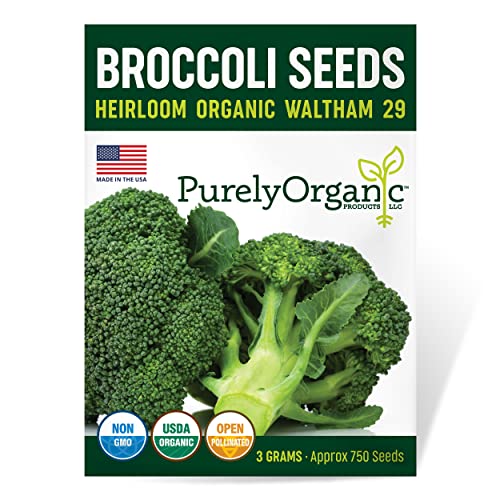
Brassica Oleracea Var. Italica: These finest quality, non-GMO, USDA Organic Waltham 29 Broccoli seeds produce crisp, crunchy, dark greenish-blue florets, leaves and stems that are packed with flavor and vitamins. They’re great on a plate!
Plants that Protect Broccoli Against Pests
When it comes to safeguarding your broccoli from pesky intruders, companion planting can be your best ally. Here are some beneficial plants to consider adding to your garden to ward off unwanted pests:
- Dill: Planting dill next to broccoli can deter spider mites and cabbage worms, keeping your broccoli plants free of infestations.
- Chamomile: This fragrant herb not only enhances the flavor of broccoli but also repels pests like cabbage moths and aphids.
- Basil: With its strong aroma, basil is a natural insect repellent, helping to protect your broccoli from common pests like whiteflies.
- Thyme: Planting thyme near broccoli can discourage harmful insects like cabbage loopers and imported cabbage worms from feasting on your plants.
- Rosemary: Known for its culinary uses, rosemary can also act as a natural pest repellent for your broccoli, keeping pests like carrot rust flies at bay.
By strategically incorporating these protective companions alongside your broccoli, you can create a diverse and resilient garden ecosystem that thrives without the need for harmful chemical interventions.
| Plant | Pest Protection |
|---|---|
| Dill | Spider mites, cabbage worms |
| Chamomile | Cabbage moths, aphids |
| Basil | Whiteflies |
| Thyme | Cabbage loopers, imported cabbage worms |
| Rosemary | Carrot rust flies |
Recommended Products


African Crackerjack Marigold Seeds Mix – Exclusive Selection: Premium Heirloom (USA): Non-GMO, Untreated seeds, High germination rate. Architectural scale, grand plasticity and textural luxury of inflorescences, palette expression. Status: designer landscaping for conceptual eco-gardens. Botanical resource of the highest order, colossal starting energy, and varietal superiority.
Conclusion
You now have a variety of options for companion plants to grow alongside your broccoli. By incorporating herbs like dill, chamomile, basil, thyme, and rosemary into your garden, you can create a natural defense system against common pests. These companion plants not only help protect your broccoli but also contribute to a more diverse and balanced garden environment. Experiment with different combinations to find what works best for your garden. Happy planting!
Frequently Asked Questions
What are companion plants for protecting broccoli from pests?
Companion plants like dill, chamomile, basil, thyme, and rosemary can protect broccoli from pests. Dill deters spider mites and cabbage worms, chamomile repels cabbage moths and aphids, basil acts as an insect repellent against whiteflies, thyme discourages harmful insects like cabbage loopers, and rosemary keeps pests like carrot rust flies away.
How do companion plants help create a resilient garden ecosystem?
By strategically intercropping protective companion plants like dill, chamomile, basil, thyme, and rosemary with broccoli, a diverse and resilient garden ecosystem can be established. These companion plants deter pests naturally, reducing the need for harmful chemicals and creating a balanced environment where beneficial insects thrive alongside crops.
Why is avoiding harmful chemicals important in gardening?
Avoiding harmful chemicals in gardening is crucial for preserving soil health, protecting beneficial insects, and promoting environmental sustainability. Chemical pesticides can harm wildlife, contaminate water sources, and disrupt the delicate balance of ecosystems. Using natural pest deterrents like companion plants not only safeguards the health of your garden but also contributes to a healthier planet for future generations.
