

Are you tired of battling weeds, conserving moisture, and protecting your tomato plants from extreme temperatures? Picture this: a lush garden bursting with ripe, juicy tomatoes just waiting to be picked. But the path to tomato success isn’t always smooth. That’s where mulching comes in.
By mulching your tomatoes, you’re not only keeping those pesky weeds at bay but also locking in essential moisture for your plants. Imagine spending less time weeding and watering, and more time enjoying the fruits of your labor – literally! In this article, we’ll explore the benefits of mulching for your tomato plants and why it might just be the secret ingredient to a bountiful harvest.
Key Takeaways
- Mulching tomatoes helps retain soil moisture, suppress weeds, and regulate soil temperature for healthier plant growth and fruit development.
- Organic mulches like straw or compost aid in moisture retention, weed control, and temperature regulation around tomato plants.
- Inorganic mulches such as plastic provide durability, weed suppression, and soil protection benefits for tomatoes.
- Properly apply 2-3 inches of mulch around the base of each tomato plant after the soil warms up to support optimal growth throughout the season.
- Be cautious of potential fungal diseases and insect infestations that may arise from excessive moisture retention or organic mulches when considering whether to mulch your tomato plants.
Benefits of Mulching Tomatoes
Mulching your tomato plants comes with several advantages that can contribute to healthier plants and a more bountiful harvest. Let’s explore the benefits in detail:
Recommended Products

Natural Coconut Fiber Tree Protection Rings: Made from 100% natural coconut coir fibers, these sturdy rings provide superior soil moisture retention, promote nutrient absorption, and offer excellent tree protection. Perfect for plants, gardens, planters, flower pots, shrubs, and landscaping projects.

BEST MULCH: Wheat straw makes amazing mulch for your strawberry patch or veggie garden to reach its true potential. Supress weeds naturally, helps hold moisture and breaks down naturally feeding the soil and plants critical nutrients.

Natural Coconut Fiber Tree Protection Rings: Made from 100% natural coconut coir fibers, these sturdy rings provide superior soil moisture retention, promote nutrient absorption, and offer excellent tree protection. Perfect for plants, gardens, planters, flower pots, shrubs, and landscaping projects.
Improved Soil Moisture Retention
By mulching your tomato plants, you help the soil retain moisture more effectively. This means that even during hot, dry spells, the mulch acts as a barrier, reducing water evaporation from the soil. As a result, your tomato plants have consistent access to moisture, promoting healthy growth and fruit development.
Weed Control Enhancement
Mulching serves as a natural weed suppressant for your tomato plants. The layer of mulch blocks sunlight from reaching weed seeds in the soil, preventing them from germinating and competing with your tomatoes for essential nutrients. This helps maintain a cleaner garden bed and reduces the need for frequent weeding, allowing your tomato plants to thrive without unnecessary competition.
Temperature Regulation for Roots
Another benefit of mulching tomatoes is its role in regulating soil temperature around the plant roots. During extreme weather conditions, such as heatwaves or cold snaps, mulch provides insulation that helps stabilize the soil temperature. This buffer protects the delicate root systems of your tomato plants from sudden temperature fluctuations, ensuring they can continue to grow healthily and produce flavorful fruits.
By understanding these benefits of mulching tomatoes, you can take proactive steps to support the growth and productivity of your beloved tomato plants.
Types of Mulch for Tomatoes
When choosing mulch for your tomato plants, consider the different types available. Here’s a breakdown to help you make an informed decision:
Recommended Products

Packaging May Vary: Same great Seeding Mulch with updated packaging!

ORGANIC PROCESSED STRAW With TACKIFIER – Premium Processed Straw with a bonding agent (Tackifier) that gives straw a tackiness which holds it together. This natural bonding agent is biodegradable and helps to protect grass seed from heavy washout and wind.
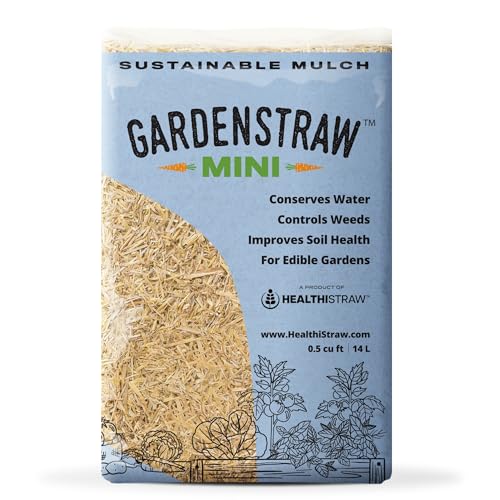
All-Natural & Clean Mulch —Sustainably sourced 100% non-GMO wheat straw is naturally filtered to remove dust, dirt, and as many seeds as possible for a clean, pure mulch.
Organic Mulches
Organic mulches consist of natural materials like straw, grass clippings, compost, or shredded leaves. They offer several benefits for your tomato plants:
- Moisture Retention: Organic mulches help the soil retain moisture by reducing evaporation, ensuring your tomatoes have consistent access to water.
- Weed Control: By forming a barrier over the soil, organic mulches suppress weed growth around your tomato plants naturally.
- Temperature Regulation: These mulches act as insulation, protecting the roots from extreme temperatures and maintaining a stable environment for optimal growth.
Inorganic Mulches
Inorganic mulches include materials such as plastic or landscape fabric. While they differ from organic options, they also provide advantages for your tomatoes:
- Longevity: Inorganic mulches are durable and can last multiple seasons without needing replacement.
- Weed Suppression: Similar to organic mulches, inorganic options inhibit weed growth by blocking sunlight and preventing weed seeds from germinating.
- Soil Protection: They shield the soil from erosion and compaction while still allowing water penetration to reach the roots efficiently.
Consider these factors when selecting the type of mulch that best suits your gardening needs and helps you achieve healthy, thriving tomato plants throughout the growing season.
How to Properly Apply Mulch to Tomato Plants
When it comes to mulching your tomato plants, knowing how and when to apply mulch is crucial for their health and productivity. Here’s a guide on properly applying mulch to your tomato plants.
Recommended Products

100% Natural Cocoa Mulch – Made from the outer shells of cocoa beans, this premium mulch is free from added dyes or fragrances and delivers a rich, natural chocolate aroma straight from the garden.

Natural Biodegradable Material: MUGVELL tree mulch ring has crafted from organic natural coconut fiber, which is environmentally friendly and biodegradable. The fibers are evenly distributed and sturdy help to retain soil moisture, ensuring your plants stay hydrated and healthy. Sustainable gardening solution with naturally regulates soil moisture while promoting healthy root development, making them an environmentally conscious choice for plant care.

Natural Organic Tree Ring: These tree mulch rings are made of natural coconut fiber, which is very thick, the fiber is evenly distributed, and sturdy, it can keep the soil moisture in the pot well, they can also prevent weeds from growing arbitrarily
When to Mulch
It’s best to apply mulch around your tomato plants after the soil has warmed up in late spring or early summer. This timing helps retain soil moisture during the hotter months, regulates soil temperature, and suppresses weed growth. Once your tomato plants are well-established, usually a few weeks after planting, you can begin mulching.
How Much Mulch to Use
For tomato plants, aim for a layer of mulch about 2-3 inches thick around the base of each plant. Ensure that the mulch doesn’t touch the stem directly as this can lead to rot or fungal issues. Maintain this thickness throughout the growing season by periodically replenishing any decomposed or displaced mulch. The right amount of mulch will help retain moisture, prevent weeds from sprouting, and protect the roots from extreme temperatures.
Potential Drawbacks of Mulching Tomatoes
Mulching tomatoes offers numerous benefits, but there are also some potential drawbacks to consider. Be mindful of the following factors when deciding whether to mulch your tomato plants:
Risk of Fungal Disease
While mulching helps retain moisture, it can create a damp environment around the base of tomato plants, increasing the risk of fungal diseases like blight. These diseases thrive in moist conditions, so if you notice any signs of discoloration or wilting leaves on your tomatoes, it might be due to excessive moisture retention from mulch.
Insect Infestation Concerns
Another drawback of mulching tomatoes is the potential for attracting insects. Certain types of mulch, especially organic materials like straw or compost, can provide hiding spots and breeding grounds for pests that may damage your tomato plants. Keep an eye out for any unusual insect activity around your mulched tomato beds and take prompt action if needed to prevent infestations.
By being aware of these drawbacks and monitoring your tomato plants regularly, you can make informed decisions about whether to mulch them based on your specific growing conditions and preferences.
Conclusion
You’ve learned about the benefits and drawbacks of mulching tomatoes. While mulching can enhance soil moisture, control weeds, and regulate root temperature, it may also pose risks like fungal diseases and attracting insects. Remember to keep an eye on your plants for any issues that may arise. Ultimately, the decision to mulch your tomato plants depends on your unique growing conditions and preferences. Consider the pros and cons discussed here to make an informed choice that suits your gardening needs. Happy gardening!
Frequently Asked Questions
Why should I mulch my tomato plants?
Mulching tomato plants helps retain soil moisture, control weeds, and regulate root temperatures, leading to healthier plants and better yields.
What are the different types of mulch for tomatoes?
You can use organic mulches like straw and compost or inorganic options such as plastic mulch. Each type offers specific benefits for your tomato plants.
Are there any drawbacks to mulching tomatoes?
Yes, one drawback is the increased risk of fungal diseases due to excess moisture retention. Organic mulches like straw can also attract insects to your garden.
How can I prevent issues when mulching tomatoes?
Monitor your plants regularly for signs of problems and adjust your mulching practices based on your unique growing conditions and preferences.
