

Ever wondered how to kickstart your cucumber garden from scratch? Picture this: you’ve got the perfect spot in your backyard, but those cucumber seeds just won’t sprout. Fret not, as we’ve got your back! In this article, we’ll walk you through the simple yet rewarding process of germinating cucumber seeds.
Have you ever dreamt of harvesting fresh cucumbers straight from your garden? Imagine the satisfaction of growing your own produce, knowing exactly where it came from. With our expert tips and guidance, you’ll soon be on your way to enjoying homegrown cucumbers that are as delicious as they are nutritious.
Choosing the Right Cucumber Seeds
When selecting cucumber seeds, consider the following factors to ensure a successful germination process:
- Variety: Choose a cucumber variety that suits your preferences: from slicers to picklers and specialty types.
- Climatic Needs: Opt for seeds that match your climate zone to promote healthy growth.
- Seed Quality: Select high-quality seeds from reputable suppliers for better germination rates.
Preparing the Germination Environment
To successfully germinate cucumber seeds, you need to create a conducive environment. Here’s how:
- Temperature: Ensure the germination area is consistently warm, ideally around 70-85°F.
- Light: Provide ample sunlight or use grow lights for 12-16 hours a day.
- Humidity: Maintain a humid environment by covering trays with a plastic dome or using a misting system.
- Air Circulation: Use a small fan to promote air circulation and prevent mold growth.
- Moisture: Keep the growing medium moist but not waterlogged to prevent rot.
Recommended Products

Grow Domes Grow Domes Hydroponic Plastic Dome for Plants Seed Pod Domes for Ahopegarden Grow Domes for Growell Dome Germination Dome for Ahopegarden Domes
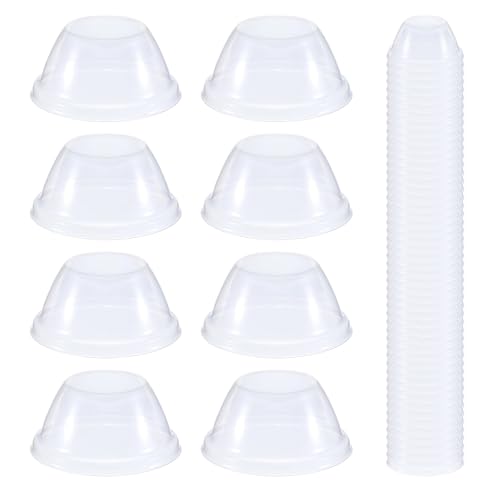
Package includes: You will receive 50 transparent plant humidity covers, sufficient quantity and suitable size to meet your daily use and replacement needs

Upgraded with Adjustable Ventilation - Gardzen seed starter tray has been newly upgraded with two air vents added to the top, allowing you to easily adjust the ventilation for optimal seed growth. Say goodbye to stagnant air and hello to thriving plants!
Planting the Cucumber Seeds
When it’s time to plant your cucumber seeds, here are the key steps to follow:
- Seed Depth: Plant the seeds about 1 inch deep in the soil.
- Spacing: Keep each seedling 6 inches apart to allow ample room for growth.
- Watering: Ensure the soil is moist but not waterlogged.
- Sunlight: Place your plant in an area that gets 6-8 hours of sunlight per day.
- Support: Cucumber plants may require trellises or cages for support as they grow.
Providing Proper Care During Germination
To ensure successful germination, here are key tips to follow:
- Moisture: Keep the soil consistently moist, but avoid overwatering which can cause seeds to rot.
- Temperature: Maintain a warm environment, ideally around 70-85°F.
- Light: Provide indirect sunlight or artificial light for about 16 hours per day to aid germination.
- Ventilation: Ensure proper air circulation to prevent mold growth.
For optimal results, monitor the seeds closely and make adjustments as needed.
Recommended Products
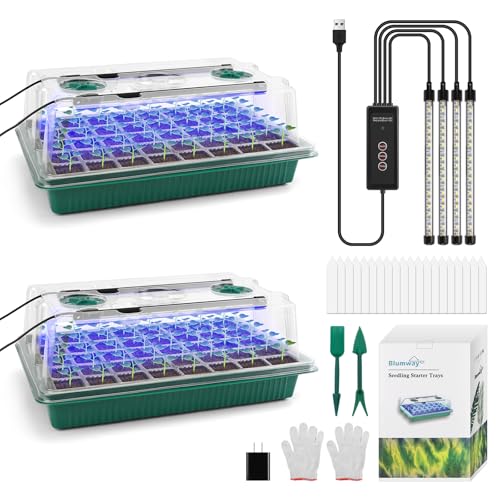
【360°Spectrum Seed Starter Tray with Grow Light】 The Larger 360°full-spectrum plant grow light in our seed start tray promotes healthier roots, faster germination, stronger seedlings. Seed starter kit with 4 full spectrum strip, mounted on the dome of garden plant starter kit. White & blue grow light helps seedlings grow faster and healthier. 3 lighting modes, 3 timer settings (3H/6H/12H), 5 brightness modes fully adjustable to your plants' needs. Your journey from seed to harvest starts here!

Clear Plastic Dome for Protecting New Seedlings

【5" Tall Humidity Domes for Stronger Seedlings】Our seed starter kit features 5-inch high domes that securely hold small nursery pots during transport. Acting like a mini tabletop greenhouse, it's perfect for seed starting, seedling propagation, mushroom growing, and container gardening. Give your plants a cozy, protected home and watch them thrive!
Troubleshooting Common Issues
When germinating cucumber seeds, you may encounter some common issues. Here are some practical tips to help you troubleshoot:
Problem: Seeds not Sprouting
- Ensure the soil is consistently moist.
- Check if the environment is warm enough for germination.
- Seeds may be planted too deep; adjust planting depth if needed.
Problem: Mold Growth
- Improve air circulation around the seeds.
- Avoid overwatering the soil.
- Consider using a fungicide if the issue persists.
- Provide adequate light for around 16 hours per day.
- Adjust light source to prevent seedlings from becoming leggy.
- Maintain proper distance between the light source and seedlings.
| Issue | Solution |
|---|---|
| Seeds not Sprouting | Ensure consistent soil moisture, provide warmth, adjust planting depth if necessary. |
| Mold Growth | Improve air circulation, avoid overwatering, consider using a fungicide. |
| Leggy Seedlings | Provide enough light for about 16 hours daily, adjust light source and distance accordingly. |
Recommended Products

✓ Consistent & Uniform Heating: BN-LINK seedling heat mat for seed starting maintains temperatures around 70–85℉, creating ideal conditions for seed starter and cutting propagation, speeding up seed germination and accelerating seedlings growth. The advanced heating film with double insulation layers ensures even heat and prevents scorching roots.

Reliable Results: The VIVOSUN professional heat mat maintains optimal temperatures around 68-86℉ (20-30℃), perfect for Seedling start and cutting propagation; Made from durable PVC material, it's designed to last

IDEAL GERMINATION TEMPERATURE: The BN-LINK seedling heat mats for seed starting helps maintain temperatures around 70°F to 85°F, the optimal range for seed germination, cutting propagation, and healthy seedling growth. Achieve faster germination and higher growth rates with seed heating mat.
Conclusion
You’ve now equipped yourself with valuable insights on troubleshooting common issues that may arise while germinating cucumber seeds. Remember, maintaining consistent soil moisture, warmth, and adequate light are crucial for successful germination. By adjusting planting depth, improving air circulation, and avoiding overwatering, you’ll set the stage for healthy seedlings. Consider fungicide use if needed and ensure your seedlings receive 16 hours of daily light. Keep a close eye on your seeds, making necessary adjustments along the way. With these practical tips, you’re well-prepared to navigate any challenges that may come your way during the germination process. Happy gardening!
Frequently Asked Questions
Why are my cucumber seeds not sprouting?
Cucumber seeds may not sprout due to insufficient moisture or incorrect planting depth. Ensure consistent soil moisture by misting regularly and verify the recommended planting depth on the seed packet before planting.
How can I prevent mold growth on my cucumber seedlings?
To prevent mold growth, provide good air circulation by using a fan, avoid overwatering, and consider using a fungicide as a preventative measure.
What should I do if my cucumber seedlings are leggy?
If your cucumber seedlings are leggy, provide adequate light for 16 hours daily, adjust the light source and distance to prevent legginess, and monitor closely for improvements.
