

Do you struggle to get your indoor tomato plants to thrive and produce juicy fruits? Picture this: lush green leaves but no sign of those red, ripe tomatoes you’ve been eagerly waiting for. If this sounds familiar, fret not! In this article, we’ll explore the simple yet crucial practice of fertilizing your indoor tomato plants.
Key Takeaways
- Fertilizing indoor tomato plants is crucial for healthy growth and fruitful harvests.
- Essential nutrients like nitrogen, phosphorus, and potassium are vital for indoor tomato plants’ development.
- Recognize signs of nutrient deficiency in your plants to adjust the fertilization regimen promptly.
- Choose between synthetic and organic fertilizers based on your plant’s needs and long-term goals.
- Look for a balanced fertilizer with nitrogen for leafy growth, phosphorus for root development, and potassium for overall plant health when fertilizing tomatoes indoors.
- Avoid common mistakes like over-fertilization or inadequate fertilizing to ensure optimal growth and productivity of indoor tomato plants.
Understanding Fertilization Needs for Indoor Tomato Plants
Fertilizing your indoor tomato plants is crucial to ensure they receive the necessary nutrients for healthy growth and fruitful harvests. Let’s delve into the specifics of fertilization to help you optimize your plant care routine.
Recommended Products
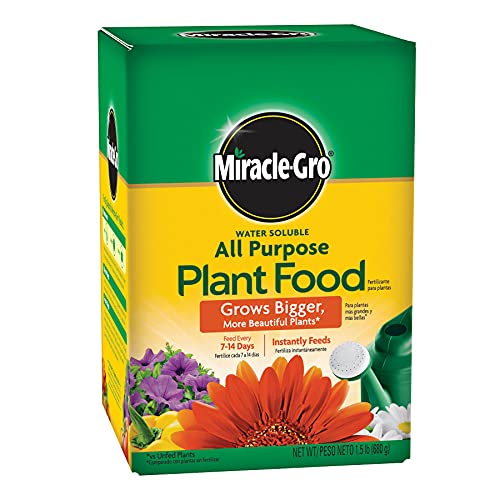
FEEDS ALL PLANTS: Miracle-Gro Water Soluble All Purpose Plant Food is a plant fertilizer that feeds all outdoor, in-ground and indoor plants, including roses, flowers, houseplants, vegetables, and trees

ORGANIC PLANT FOOD: This liquid fertilizer for tomatoes & vegetables provides nutrients to ensure superior results.

The Old Farmer's Almanac Plant Food Mini Spikes provide fast acting, long lasting, robust nutrition to feed indoor and outdoor tomatoes, vegetables, fruits, berries, herbs and other crops.
The Importance of Nutrients
Indoor tomato plants, like all plants, require essential nutrients to thrive. These nutrients play a vital role in various plant functions, such as photosynthesis, root development, and fruit production. When growing tomatoes indoors, it’s important to provide a balanced fertilizer that includes nitrogen, phosphorus, and potassium (N-P-K) in the right proportions.
Signs of Nutrient Deficiency
Recognizing signs of nutrient deficiency in your indoor tomato plants is key to addressing any issues promptly. Common symptoms include yellowing leaves, stunted growth, and poor fruit development. By closely monitoring your plants and being aware of these signs, you can adjust your fertilization regimen accordingly to ensure optimal plant health and productivity.
Choosing the Right Fertilizer
When selecting a fertilizer for your indoor tomato plants, you’ll want to consider whether to use synthetic or organic options. Each type has its advantages and considerations.
Recommended Products
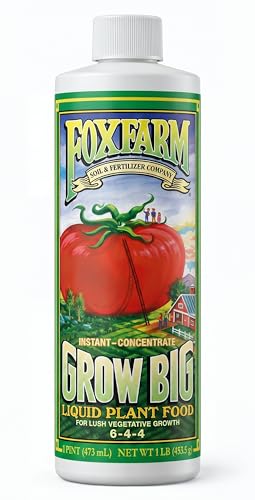
WATCH YOUR PLANTS FLOURISH: This plant food for vegetables is designed to support growth. Enhance plant size and structure, promoting abundant fruit, flower, and bud development

🌿 Balanced 10-10-10 Granular Fertilizer for Outdoor & Indoor Plants: All-purpose plant food with 10% Nitrogen, 10% Phosphorus, and 10% Potassium. Perfect for outdoor vegetable gardens, fruit trees, evergreens, shrubs, lawns, and flowers. Also great for potted plants and indoor gardening. One solution for all your plant needs!

COMPREHENSIVE PLANT NUTRITION: The 10-10-10 in our liquid plant fertilizer signifies a balanced blend of Nitrogen (N), Phosphorus (P), and Potassium (K), each contributing 10% to the total composition. Nitrogen is essential for promoting lush, vibrant foliage and overall growth, while Phosphorus is integral to root development and crucial for blooming and fruiting. Potassium is responsible for overall plant health
Synthetic vs. Organic Fertilizers
Synthetic fertilizers are chemical-based and provide nutrients in a readily available form for plants. They are fast-acting and can deliver precise amounts of essential nutrients. On the other hand, organic fertilizers are derived from natural sources and work more slowly as they need to be broken down by soil organisms before plants can absorb them.
For indoor tomato plants, synthetic fertilizers may offer a quick nutrient boost, especially during crucial growth stages. However, organic alternatives promote long-term soil health and microbial activity, supporting sustainable plant growth over time.
Key Ingredients in Tomato Fertilizers
Tomato plants have specific nutrient requirements for optimal growth and fruit production. When choosing a fertilizer, look for key ingredients like nitrogen (N), phosphorus (P), and potassium (K).
Nitrogen is vital for leafy green growth early on; phosphorus supports root development and flower formation; while potassium aids in overall plant health and fruit quality. Ensuring the right balance of these nutrients will help your indoor tomato plants thrive throughout their growing season.
How to Fertilize Indoor Tomato Plants
When it comes to fertilizing your indoor tomato plants, proper soil preparation and application techniques are crucial for their growth and fruit production. Here’s how you can ensure your plants receive the nutrients they need:
Preparing the Soil
To start, make sure you use a well-draining potting mix rich in organic matter for your indoor tomato plants. Consider adding compost or aged manure to enrich the soil with essential nutrients. Mix the fertilizer into the soil thoroughly before planting your tomatoes to provide a good nutrient base.
Application Techniques and Timing
For optimal results, consider using a balanced fertilizer with equal parts nitrogen, phosphorus, and potassium (N-P-K ratio of 10-10-10 or similar). Apply the fertilizer according to package instructions but generally aim for once every two weeks during the growing season. Water your plants after fertilizing to help distribute the nutrients evenly in the soil.
By following these steps and providing your indoor tomato plants with the right nutrients at the right time, you’ll support healthy growth and bountiful harvests throughout the season.
Common Mistakes to Avoid in Fertilizing
When it comes to fertilizing your indoor tomato plants, there are some common mistakes you should steer clear of to ensure their healthy growth and fruitful harvests.
Over-Fertilization Issues
Over-fertilizing your indoor tomato plants can do more harm than good. Excessive fertilization can lead to nutrient imbalances, root burn, and even plant damage. Remember, more isn’t always better when it comes to feeding your plants. It’s essential to follow the recommended dosage instructions on the fertilizer packaging and avoid the temptation to overfeed your tomatoes.
Inadequate Fertilizing
On the flip side, inadequate fertilization can also hinder the growth and productivity of your indoor tomato plants. Without sufficient nutrients, the plants may struggle to develop properly, leading to stunted growth and poor fruit production. Make sure you’re providing your tomatoes with a balanced fertilizer containing nitrogen, phosphorus, and potassium in the right proportions. Regularly monitor your plants for signs of nutrient deficiencies and adjust your fertilization schedule as needed.
By avoiding these common mistakes in fertilizing your indoor tomato plants, you’ll set them up for success and enjoy a bountiful harvest of delicious homegrown tomatoes.
Conclusion
Make sure to give your indoor tomato plants the right nutrients they need to thrive. By understanding the importance of nitrogen, phosphorus, and potassium and choosing between synthetic or organic fertilizers, you can support healthy growth and fruitful harvests. Remember to prepare your soil properly, use a well-draining potting mix, and fertilize every two weeks during the growing season for optimal results. Be cautious of common mistakes like over-fertilization or under-fertilization that can hinder plant development. With proper care and balanced fertilization practices, you’ll set yourself up for success in cultivating vibrant indoor tomatoes ready for your table.
Frequently Asked Questions
What are the essential nutrients required for indoor tomato plants to produce ripe fruits?
Indoor tomato plants require essential nutrients like nitrogen, phosphorus, and potassium for producing ripe fruits.
What is the difference between synthetic and organic fertilizers for indoor tomato plants?
Synthetic fertilizers provide a quick nutrient boost, while organic fertilizers improve soil health in the long term.
How often should indoor tomato plants be fertilized during the growing season?
Fertilize indoor tomato plants every two weeks during the growing season for optimal growth and fruit production.
What are some common mistakes to avoid when fertilizing indoor tomato plants?
Avoid over-fertilization leading to nutrient imbalances and inadequate fertilization causing stunted growth in indoor tomato plants.
How can growers ensure successful growth of indoor tomato plants with balanced fertilization?
By providing proper soil preparation, using well-draining potting mix, and following recommended application techniques, growers can achieve successful growth and abundant harvests of homegrown tomatoes.
