

Have you ever wondered how to keep your lettuce fresh and thriving while enjoying its crisp leaves? Cutting your lettuce plant the right way can make all the difference. Whether you’re growing your own at home or picking some up from the store, knowing how to properly harvest can help you get the most out of your greens.
Key Takeaways
- Understand Lettuce Types: Familiarize yourself with various lettuce types—Romaine, Iceberg, Butterhead, Leaf, and Oakleaf—to enhance your gardening and culinary experience.
- Ideal Growing Conditions: Provide 6-8 hours of sunlight, well-drained soil with a pH of 6.0-7.0, consistent moisture, and cool temperatures (60-70°F) for optimal lettuce growth.
- Recognize Harvest Readiness: Look for leaves that are 4-6 inches long, deep green in color, and firm to the touch. Most varieties are ready to cut between 30 to 70 days after planting.
- Use Proper Tools: Equip yourself with sharp garden scissors or a knife, a harvesting basket, and gloves to ensure a clean and efficient cutting process.
- Cutting Techniques: Trim outer leaves for continuous growth or cut the whole head at the base for a complete harvest. Make clean cuts to avoid damage and encourage freshness.
- Storage Tips: Store cut lettuce in an airtight container, dry thoroughly, use paper towels to absorb moisture, and refrigerate promptly to maintain freshness for 3 to 5 days.
Understanding Lettuce Plants
Lettuce plants are popular in home gardens and kitchens. Knowing the different types and their growing conditions helps you grow and harvest them successfully.
Types of Lettuce
Several types of lettuce exist, each with distinct characteristics. Familiarizing yourself with these types can enhance your gardening experience:
- Romaine: Romaine is tall with dense, crunchy leaves. It’s perfect for salads and has a sweet flavor.
- Iceberg: Iceberg features tightly packed, crisp leaves. It’s known for its mild taste and is often found in burgers and salads.
- Butterhead: Butterhead has soft, tender leaves that are buttery in texture. It adds a gentle flavor to salads.
- Leaf: Leaf lettuce is loose and comes in various colors, such as green and red. It’s quick to grow and ideal for salads or wraps.
- Oakleaf: Oakleaf has lobed leaves resembling oak leaves. It offers a mild flavor and adds visual interest to dishes.
Understanding these types helps you choose what best fits your culinary needs.
Ideal Growing Conditions
Lettuce thrives in specific conditions, ensuring healthy growth. Consider these key elements:
- Sunlight: Lettuce needs 6-8 hours of sunlight daily. Partial shade during the hottest part of the day can prevent bolting.
- Soil: Well-drained, rich soil with a pH between 6.0 and 7.0 supports optimal growth. Adding organic matter improves soil quality.
- Temperature: Lettuce prefers cool weather, with ideal temperatures between 60-70°F. Hot temperatures can cause it to bolt.
- Watering: Regular watering keeps the soil consistently moist but not soggy. Aim for about 1 to 2 inches of water per week.
By providing these ideal conditions, you can cultivate robust lettuce plants that yield fresh greens.
When to Cut Lettuce Plants
Cutting lettuce at the right time ensures you enjoy the best flavor and texture. Recognizing when to harvest can make a significant difference in your gardening success.
Recommended Products

Fast & Efficient Cabbage Shredding: Super easy-to-use cabbage shredder with stainless steel blade for shredding cabbage or vegetables for making homemade coleslaw or sauerkraut. Simply place the cabbage on the table and cut it with this knife. Material: stainless steel Dimensions: Length: 32.5 cm (12.8 inches) Width: 8.8 cm (3.46 inches)

Novelty Silicone Thumb Knife: The blade is made of grade A imported stainless steel, easy to cut in, easy to clean, easy and labor-saving. With a special silicone finger cover, the unique elasticity makes you feel comfortable when you wear it
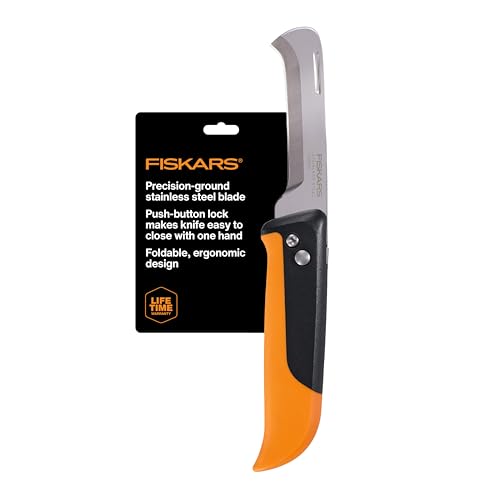
FOLDING PRODUCE KNIFE: Ideal for clean, precise harvesting of smaller garden stalks and stems
Signs of Readiness
- Leaf Size: Look for leaves that reach at least 4 to 6 inches in length. This size typically indicates that the lettuce is mature enough for a harvest.
- Color: Observe the color of the leaves. Deep green or vibrant shades usually signal optimal maturity, while fading colors may indicate they’re past their prime.
- Firmness: Gently squeeze the head of the lettuce. A firm head indicates freshness, while a soft or squishy feel suggests it’s overripe.
- Timeframe: Be aware of the growth period. Most lettuce varieties are ready to cut within 30 to 70 days after planting, depending on the type.
- Temperature: Monitor air temperatures. Lettuce thrives in cooler weather, typically between 60°F and 70°F. High temperatures can lead to bolting, where the plant scatters seeds and becomes bitter.
- Growing Season: Harvest in spring or fall for the best results. Lettuce grown in the heat of summer may not flavor as well and may bolt sooner.
- Frost: Be cautious of light frosts. Lettuce can be cut just before the first frost for the best taste, as cool temperatures enhance the flavor.
- Duration: After cutting, consider replanting after about 30 days for continuous harvests, as most varieties will produce new growth when cut properly.
Tools Needed for Cutting Lettuce
Using the right tools simplifies the cutting process and ensures a fresh harvest. Prepare the following tools before heading to your lettuce patch:
Recommended Products
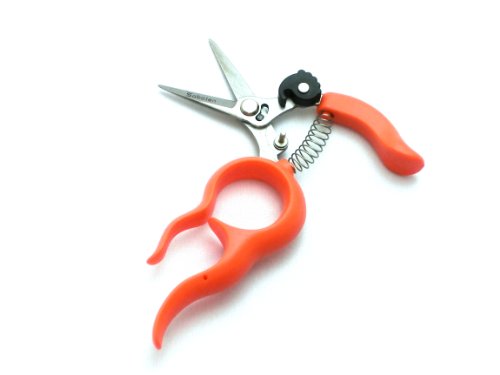
[Caution] Picture shown is 1318S.

HERB GARDENING ESSENTIAL: Stainless steel blade plant shears with sheath ideal for harvesting herbs outdoors or with a window herb garden for kitchen; encourages overall lawn and garden health, or perfect gift to go with any indoor herb garden kit

K115 Crop Harvest Knife, 7.25-Inch Blade, is designed for trimming lettuce, greens, and soft-stemmed vegetables.
Recommended Tools
- Sharp Garden Scissors: Use sharp scissors for clean cuts. Dull blades can damage the plant.
- Garden Knife: A small, sturdy knife works well for slicing through thick stems and roots.
- Harvest Basket: Use a basket to collect the cut lettuce. This keeps your harvest organized and intact.
- Potting Soil and Seedlings: If you’re considering replanting, have potting soil and seedlings ready for immediate replanting.
- Wear Gloves: Protect your hands from soil and potential irritants by wearing gardening gloves.
- Use Caution with Sharp Tools: Handle scissors and knives carefully to avoid cuts. Always cut away from your body.
- Stay Hydrated: Drink water before and during the harvesting process, especially in warm weather. Staying hydrated keeps you focused.
These tools and precautions contribute to a successful lettuce cutting experience, maintaining the quality of your harvest.
Techniques for Cutting Lettuce Plants
Cutting lettuce plants correctly promotes freshness and encourages healthy growth. Use the following methods to cut your lettuce effectively.
Recommended Products

【✂ Superb Quality】: Besides a beautiful finish, top quality build, professional design and ultra sharp blades make it feel comfortable, light and effortless while easily outperforming all other shears. It is made from premium, durable, top grade stainless steel that is rust and corrosion resistance, sharper and stronger.
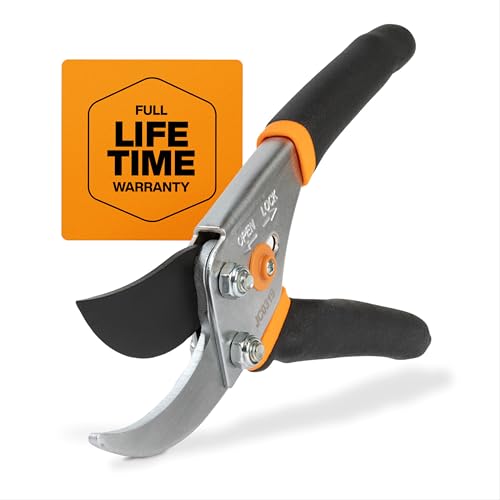
CLEAN CUTS FOR LIVE GROWTH: Bypass blade design is ideal for pruning delicate flower stems and green growth, helping reduce crushing and plant damage while cutting stems and small branches up to 5/8” in diameter

DUAL CUTTING POWER: VERSATILE PRUNING COMBO --- With both Pruning Shears and Pruning Snip, this combo delivers unmatched versatility. Whether you're delicately trimming flowers and shrubs, tackling thicker tree branches, or tending to your vegetable and fruit garden, our combo pack excels in all areas. They're also perfect for landscaping projects and maintaining the health and appearance of indoor plants. With this pack, you have a versatile tool that simplifies your gardening tasks.
Cutting Methods
- Cutting Leaves: Use sharp scissors or a knife to trim individual leaves. Focus on the outer leaves, cutting just above the base. This method allows the inner leaves to continue growing.
- Harvesting Whole Heads: For a complete harvest, cut the entire head at the base. Ensure the knife remains sharp for a clean cut. This technique is best for mature lettuce when the leaves are firm and full.
- Ragged Cuts: Make clean cuts to minimize damage. Avoid tearing the leaves, as ragged cuts can lead to faster wilting and spoilage.
- Timing of Cuts: Harvest in the morning when temperatures are cooler. This timing helps retain moisture in the leaves, resulting in a crisper texture.
- Leave Some Leaves: After cutting, leave a few outer leaves on the plant. This strategy allows the plant to photosynthesize and supports continued growth.
- Watering and Feeding: Provide adequate water post-harvest. Apply a balanced fertilizer to nourish the plant for future growth.
- Monitor Conditions: Watch for pests and diseases. Keeping an eye on plant health ensures a successful regrowth. If conditions worsen, consider replanting fresh seedlings.
- Follow-Up Harvesting: Plan for successive cuts every few weeks. You’ll enjoy a continuous supply of fresh lettuce throughout the growing season. Adjust your harvesting based on the plant’s growth rate.
Storing Cut Lettuce
Storing cut lettuce properly preserves freshness and quality. Follow these guidelines to ensure your lettuce remains crisp and vibrant.
Best Practices for Storage
- Use a Clean Container: Select an airtight container or resealable plastic bag to store the cut lettuce.
- Dry Thoroughly: Remove excess moisture from leaves using a salad spinner or paper towels. Wet leaves lead to wilting.
- Layer with Paper Towels: Place a paper towel at the bottom and sandwich additional towels between layers of lettuce. This absorbs moisture and prolongs freshness.
- Refrigerate Promptly: Store the container in the refrigerator immediately after cutting to slow down spoilage.
- Keep Away from Ethylene Producers: Store lettuce away from fruits like bananas and apples, which emit ethylene gas that speeds up deterioration.
- Use within a Few Days: Consume cut lettuce within 3 to 5 days for optimal freshness. The longer it sits, the more nutrients degrade.
- Check Regularly: Inspect stored lettuce for any signs of browning or sliminess. Discard compromised leaves to prevent spoilage.
- Revive Wilted Leaves: If lettuce wilts, soak it in cold water for 10 to 15 minutes. This often restores its crispness.
Conclusion
Harvesting your lettuce plants can be a rewarding experience that keeps your garden thriving. By following the right techniques and timing your cuts properly you’ll enjoy fresh and crisp leaves right from your backyard. Remember to care for your plants after harvesting to ensure they continue to grow and provide you with more delicious greens.
Storing your cut lettuce properly will help maintain its freshness so you can savor that garden goodness for days to come. With a little attention and care your lettuce will keep on giving, bringing vibrant flavors to your meals. Happy harvesting!
Frequently Asked Questions
What is the best time to harvest lettuce?
It’s best to harvest lettuce in the morning when moisture levels are high. This can help maintain freshness and crispness. Look for signs like leaf size, color, and firmness to determine the right timing.
How do I know when my lettuce is ready to harvest?
Indicators of ready-to-harvest lettuce include appropriate leaf size, vibrant color, and firm texture. The overall growth timeframe can also guide you, but it’s vital to observe your plants closely.
What are effective cutting techniques for harvesting lettuce?
You can cut lettuce by harvesting whole heads or snipping individual leaves. Avoid ragged cuts to maintain freshness. Use a sharp knife or scissors to ensure clean cuts which can help prevent damage to the plant.
How should I care for lettuce after harvesting?
After cutting, leave a few leaves on the plant for continued growth. Water and feed the remaining plant, monitor for pests, and plan for consecutive harvests for ongoing fresh produce.
How should I store cut lettuce?
Store cut lettuce in clean containers, ensuring they’re thoroughly dried. Layer with paper towels, refrigerate, and avoid placing near ethylene-producing fruits. Consume within a few days and check for spoilage regularly.
Can I revive wilted lettuce leaves?
Yes! To revive wilted lettuce, place the leaves in a bowl of cold water for several minutes. This helps restore crispness. Remember to store any leftover lettuce properly for extended freshness.
