

Ever wondered how long it takes for those tiny lettuce seeds to sprout? If you’ve ever planted seeds and eagerly awaited their growth, you know the anticipation can be thrilling yet frustrating.
Key Takeaways
- Lettuce seeds typically take 7 to 14 days to sprout under ideal conditions, influenced by factors like temperature, moisture, and light.
- Optimal soil temperature for germination is between 60°F and 70°F; too hot or too cold can delay sprouting.
- Maintaining consistent soil moisture is crucial; it should be moist but not soggy to avoid seed rot.
- Different varieties of lettuce (Butterhead, Romaine, Leaf) can have varying germination times, so check seed packets for specific details.
- Ensure proper seed placement by lightly covering seeds with soil, allowing light to penetrate for optimal germination.
- Monitor the seeds daily for progress, and be prepared to thin seedlings for better airflow and growth once they sprout.
Understanding Lettuce Seeds
Lettuce seeds come in various types, each affecting germination time and growth. Common types include Butterhead, Romaine, and Leaf lettuce. These seeds generally take 7 to 14 days to sprout under ideal conditions.
Germination Conditions
Lettuce seeds germinate best with:
- Temperature: Aim for a soil temperature between 60°F and 70°F. Warmer soil promotes faster sprouting.
- Moisture: Keep the soil consistently moist but not soggy. Overwatering can hinder growth.
- Light: Provide indirect sunlight or fluorescent light as seeds begin to sprout. Too much direct sunlight can dry them out.
Seed Placement
Plant lettuce seeds on the soil surface or lightly cover them with a thin layer of soil. They need light for optimal germination.
Monitoring Progress
Check your seeds daily for moisture and sprouting. Once the seeds begin to germinate, maintain consistent care. Thinning seedlings may be necessary to ensure proper airflow and prevent overcrowding.
Potential Issues
If seeds don’t sprout within 14 days, consider these factors:
- Temperature Fluctuations: Ensure the environment remains stable.
- Soil Quality: Use high-quality seed-starting mix for the best results.
- Seed Viability: Check the expiration date on seed packets; old seeds may have lower germination rates.
By following these guidelines, you can enjoy successful lettuce seed germination and lush future harvests.
Factors Affecting Germination Time
Germination time for lettuce seeds varies based on several factors. Understanding these elements helps you optimize your planting process.
Recommended Products
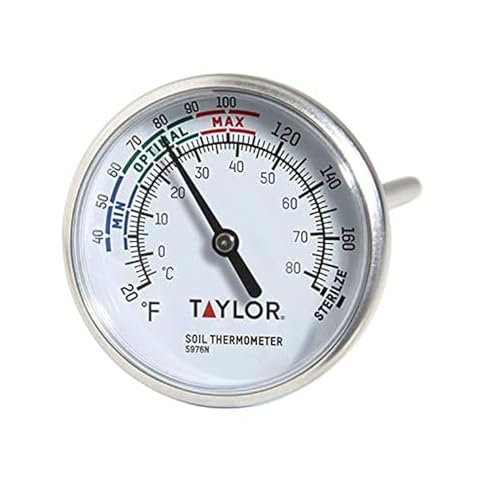
PRECISE SOIL TEMPERATURE READINGS: Measures soil temperatures from 20 degrees F to 180 degrees F (0 degrees C to 80 degrees C) with a large, easy-to-read analog dial face - no batteries or digital screens needed for reliable results every time

Easy-to-read green, yellow, and red tick marks for easy monitoring
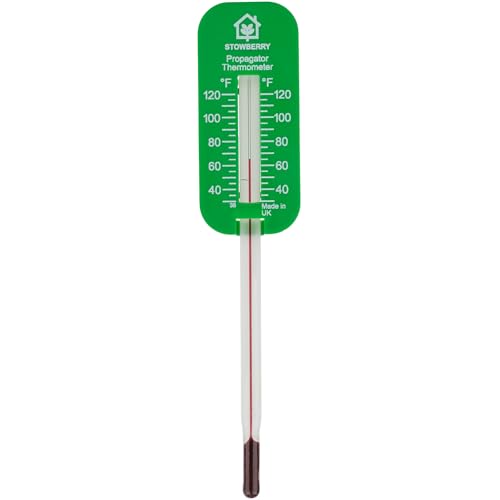
ACCURATE SOIL TEMPERATURE READINGS – Ensure the perfect growing environment for seeds and plants with this greenhouse soil thermometer, designed to give reliable and precise temperature measurements.
Temperature
Temperature plays a crucial role in the germination of lettuce seeds. Ideal soil temperature ranges from 60°F to 70°F. At this range, seeds sprout quickly, typically within 7 to 14 days. If temperatures drop below 50°F or exceed 75°F, germination slows significantly. Try using a soil thermometer to monitor temperature closely.
Moisture Levels
Watering is essential for seed germination. Lettuce seeds require consistent moisture to sprout effectively. Keep the soil evenly moist but not waterlogged. Overwatering can lead to rot, while underwatering can dry out seeds. A light misting every day ensures the soil stays damp. Using seedling trays with drainage holes also helps manage moisture levels.
Seed Variety
Different varieties of lettuce seeds may germinate at varying rates. Butterhead, Romaine, and Leaf lettuce can all take 7 to 14 days, but some fast-growing varieties may sprout sooner. Check the seed packet for specific information about your chosen variety. This knowledge allows you to plan your planting schedules more efficiently.
Average Germination Time
Lettuce seeds typically sprout within 7 to 14 days under ideal conditions. Variations in temperature and soil conditions can influence this timeframe.
Common Lettuce Varieties
Different lettuce varieties exhibit slightly different germination times. For instance:
- Butterhead Lettuce: Germinates in about 7 to 10 days.
- Romaine Lettuce: Takes around 10 to 14 days.
- Leaf Lettuce: Typically sprouts in 6 to 12 days.
Consulting seed packets can provide specific germination times for each variety.
Optimal Conditions for Sprouting
To ensure your lettuce seeds germinate successfully, follow these optimal conditions:
- Soil Temperature: Maintain a temperature between 60°F and 70°F for best results.
- Moisture: Keep the soil evenly moist, avoiding overwatering or underwatering. Use a spray bottle for gentle moisture.
- Light: Provide indirect sunlight after germination; avoid direct sunlight that can dry out seedlings.
- Seed Placement: Plant seeds on the soil surface or lightly cover them with a thin layer of soil to allow light penetration.
Monitoring these conditions helps prevent delays in germination and encourages healthy seedling growth.
Tips for Successful Germination
Achieving successful germination of lettuce seeds involves a few essential steps. You can improve your chances by paying attention to seed preparation, soil conditions, and watering techniques.
Recommended Products

NUTRIENT-RICH, NATURAL, AND ORGANIC SOIL: Grow a bountiful garden in your home with the Back to the Roots All-Purpose Natural and Organic Peat-Free 3-in-1 Seed Starting Mix, packed with the nutrients needed for your plants, flowers, and vegetables to thrive

CONTAINS: This organic Seed Stating soil mix is a rich blend of sphagnum peat moss & perlite with yucca extract and lime to ensure correct pH.

Miracle-Gro Indoor Potting Mix for Seed Starting grows stronger roots for seeding success (vs unfed when used as directed)
Seed Preparation
Starting with quality seeds makes a difference. Choose fresh seeds from a reputable source. If using older seeds, perform a germination test: place a few seeds between damp paper towels and wait for a week. Count how many sprout. If the number is low, consider buying new seeds. Lightly nicking the seed coat with a knife or soaking seeds in water for a few hours can also enhance germination.
Soil Conditions
Soil quality impacts seed sprouting significantly. Use a well-draining seed-starting mix, rich in nutrients. Aim for soil temperatures between 60°F and 70°F during the germination period. A soil thermometer can help monitor these levels. Ensure the soil is loose and crumbly, allowing air to reach the seeds. You can also incorporate compost into the mix to boost nutrient content.
Watering Techniques
Consistent moisture is vital for germination. Water the soil lightly before planting the seeds, ensuring it is damp but not soggy. After planting, mist the soil daily with a spray bottle to maintain moisture without overwatering. Avoid using watering cans or hoses directly on the seeds, as this may displace them. Once seedlings emerge, switch to less frequent watering, ensuring the top inch of soil dries between waterings.
Conclusion
Watching your lettuce seeds sprout is an exciting journey. With a little patience and the right conditions, you’ll soon see those tiny shoots breaking through the soil. Remember to keep the soil moist and maintain the right temperature for the best results.
Every variety has its own timeline but sticking to the guidelines can make a big difference. Keep an eye on your seeds and enjoy the process. Before you know it, you’ll be ready to enjoy fresh, homegrown lettuce in your salads and sandwiches. Happy gardening!
Frequently Asked Questions
How long do lettuce seeds take to germinate?
Lettuce seeds typically take 7 to 14 days to sprout, depending on the variety and conditions. Butterhead lettuce usually germinates in about 7 to 10 days, Romaine takes around 10 to 14 days, and Leaf lettuce can sprout in 6 to 12 days.
What are the ideal conditions for lettuce seed germination?
To promote optimal germination, maintain soil temperatures between 60°F and 70°F, keep the soil consistently moist, and provide indirect sunlight. Additionally, planting seeds on the soil surface or lightly covering them enhances sprouting success.
How can I ensure my seeds germinate successfully?
Start with quality seeds and check their viability. Use a well-draining, nutrient-rich seed-starting mix, maintain consistent moisture levels without overwatering, and monitor soil temperature to create the best environment for germination.
What factors can affect the germination time of lettuce seeds?
Temperature fluctuations, soil quality, and seed viability can all impact germination time. Ideal soil temperatures encourage quicker sprouting, while extremes can slow the process. Consistent moisture is essential to foster successful sprouting.
Should I cover lettuce seeds after planting?
Lettuce seeds can be planted on the surface or lightly covered with soil. Covering them too deeply may hinder germination, as lettuce seeds require light to sprout properly. Always check specific instructions for the seed variety you are using.
How can I avoid overwatering or underwatering my seeds?
To prevent overwatering, ensure the soil has good drainage and only water when the top layer feels dry. Use seedling trays with drainage holes and monitor the moisture daily, adjusting your watering routine accordingly.
