

Ever wondered how long it takes for those crunchy cucumbers to grow in your backyard? Picture this: you’re eagerly waiting to pluck those fresh cucumbers for your salad, but the waiting game seems never-ending. Don’t worry, we’ve got you covered. In this article, you’ll discover the timeline of cucumber growth and all the juicy details that come with it.
Have you ever planted cucumber seeds only to find yourself constantly checking for any signs of growth? It’s a common dilemma for many garden enthusiasts. But fret not, understanding the growth stages of cucumbers can ease your impatience and help you plan your harvest better. Join us as we delve into the fascinating world of cucumber cultivation and unveil the secrets to successful growth.
Understanding Cucumber Growth Stages
When it comes to cucumber growth stages, there are a few key phases you need to be aware of to ensure a successful harvest. Let’s break it down for you:
- Germination: This marks the beginning of your cucumber’s journey. Seeds germinate within 4 to 10 days after planting, depending on temperature and soil conditions.
- Seedling Stage: In this phase, your cucumber plant will start to develop its first true leaves. It usually lasts for 2 to 3 weeks after germination.
- Vining Stage: As your cucumber plant matures, it will enter the vining stage, where it focuses on growing long vines to support fruit production. This stage typically lasts for 2 to 4 weeks.
- Flowering Stage: Here’s where the magic happens! Your cucumber plant will begin to produce beautiful yellow flowers, which will eventually turn into cucumbers. This stage can last anywhere from 1 to 3 weeks.
- Fruiting Stage: Once pollination occurs, your plant will start producing cucumbers. Depending on the variety, cucumbers can be ready for harvest in as little as 50 to 70 days from planting.
Understanding these cucumber growth stages will help you plan your harvest effectively and enjoy a bountiful cucumber yield.
Germination Stage: From Seed to Sprout
When planting cucumber seeds, you’ll start by preparing a well-draining soil bed. After planting, you should expect to see the first seedlings sprouting in about 7-14 days. During this stage, you’ll notice the initial set of leaves emerging from the soil.
To ensure successful germination, you’ll want to keep the soil consistently moist but not waterlogged. It’s important to provide ample sunlight or use grow lights if indoors. A warm environment, around 70-85°F, is ideal for seedling growth.
As the seeds break through the soil and transform into seedlings, you can gradually introduce fertilization to support their growth. Ensuring the right balance of nutrients is crucial at this early stage to nurture healthy plants.
Remember, each seedling’s progress may vary, but typically, cucumbers take about 2-3 weeks to fully transition from seeds to sturdy young plants ready for the next stage.
Recommended Products

Reliable Results: The VIVOSUN professional heat mat maintains optimal temperatures around 68-86℉ (20-30℃), perfect for Seedling start and cutting propagation; Made from durable PVC material, it's designed to last
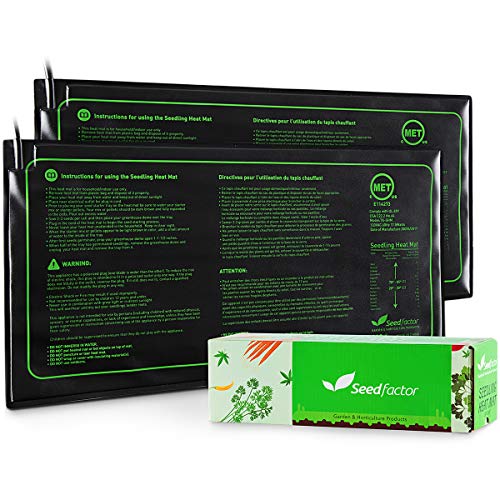
MET safety certified;Comply with UL 499;CSA C22.2 No.64

✓ Consistent & Uniform Heating: BN-LINK seedling heat mat for seed starting maintains temperatures around 70–85℉, creating ideal conditions for seed starter and cutting propagation, speeding up seed germination and accelerating seedlings growth. The advanced heating film with double insulation layers ensures even heat and prevents scorching roots.
Vine Development: The Unfolding of Cucumber Plants
As your cucumber plants grow, they enter the vine development stage, a crucial period that determines the plant’s overall health and fruit production. Here’s what you need to know:
- Vine Growth: Cucumber plants start to produce vines that trail and climb, requiring support to prevent fruit from weighing down and potentially damaging the plant.
- Flowering Process: Cucumber vines begin to flower, a sign that pollination is occurring and fruit will soon follow. Monitor these flowers closely as they develop into the cucumbers you’ll harvest.
- Pollination: Bees are essential for pollinating cucumber flowers. If you’re growing cucumbers indoors, consider hand-pollinating using a small brush to transfer pollen between flowers.
| Key Fact | Data |
|---|---|
| Pollination rate without bees | 10-20% |
| Pollination rate with bees | 80-100% |
- Pruning: Properly prune your cucumber vines to maintain airflow, reduce disease risk, and focus the plant’s energy on fruit production. Remove any yellowing leaves or unhealthy growth to promote vigorous vine development.
- Fruit Setting: After successful pollination, cucumbers begin to form and grow at a rapid pace. Ensure consistent moisture, sunlight, and support for the developing fruit.
- Harvest Time: Depending on the cucumber variety, harvesting typically begins 50-70 days after planting. Be ready to pick your cucumbers when they reach the desired size and firmness for optimal taste and texture.
Remember, attentive care and proper maintenance during the vine development stage are key to enjoying a bountiful cucumber harvest.
Flowering and Pollination: Precursors to Cucumber Formation
When it comes to cucumber growth, understanding the flowering and pollination stages is crucial. Here’s what you need to know:
- Flowering Stage:
- Cucumber plants typically start flowering about 3-4 weeks after planting.
- Keep an eye out for yellow flowers on the vines, signaling the beginning of the flowering stage.
- Importance of Pollination:
- Pollination is essential for fruit development in cucumbers.
- Bees are primary pollinators, but for indoor growing, you may need to consider hand-pollination to ensure successful fruit production.
- Tips for Successful Pollination:
- Gently shake the cucumber plant to mimic the buzz of bees for natural pollination.
- If hand-pollinating, use a small brush to transfer pollen between flowers.
- Fruit Formation:
- After successful pollination, you’ll start to notice tiny cucumbers forming behind the flowers.
- Rapid growth will follow, and the cucumbers will mature and lengthen over the next few weeks.
- Keep an Eye Out:
- Monitor your plants regularly during the flowering and fruiting stages for any signs of pests or diseases.
- Proper care at this stage ensures a bountiful cucumber harvest in the near future.
Remember, knowing the ins and outs of flowering and pollination will set the stage for a successful cucumber growing journey.
Maturation Period: Waiting for the Perfect Harvest
Now that you’ve witnessed the flowering and pollination stages of your cucumber plants, it’s time to sit back and observe the magic of growth unfold. Understanding the maturation period is crucial as cucumbers generally take 50-70 days from pollination to harvest.
During this critical period, your cucumbers will undergo steady growth and development. Be sure to monitor them closely as they transform from tiny, finger-sized fruits to plump, ready-to-pick cucumbers. Stay vigilant against common cucumber pests like aphids, spider mites, and cucumber beetles that could jeopardize your harvest.
As your cucumbers near maturity, keep an eye out for the telltale signs of readiness. Harvest cucumbers when they reach 6-9 inches in length, depending on the variety you planted. Remember, an overripe cucumber can turn bitter and seedy, so timing is key.
To ensure a bountiful harvest, maintain consistent watering and provide adequate sunlight and nutrients to support the plants during this crucial stage. With proper care and attention, you’ll soon be enjoying fresh, homegrown cucumbers straight from your garden.
Conclusion
You’ve learned about the growth timeline of cucumber plants and the key factors to consider for a successful harvest. Monitoring your plants’ progress and recognizing the signs of readiness are vital steps in ensuring a fruitful outcome. Remember to provide your cucumbers with the right conditions, including adequate sunlight, water, and nutrients. By following these guidelines, you’ll soon be enjoying the satisfaction of picking fresh cucumbers from your own garden. Happy gardening!
Frequently Asked Questions
How long does it take for cucumbers to mature after pollination?
Cucumbers typically take 50-70 days to mature after successful pollination.
How can I tell if a cucumber is ready for harvesting?
Cucumbers are ready for harvesting when they reach a length of 6-9 inches and have a firm texture.
What are some common pests that can affect cucumber plants?
Common pests that can affect cucumber plants include aphids, cucumber beetles, and spider mites.
What are the key factors to ensure a successful cucumber harvest?
Consistent watering, ample sunlight, and proper nutrients are essential for a successful cucumber harvest.
Why is monitoring the growth and development of cucumbers important?
Monitoring helps in recognizing signs of readiness for harvesting and addressing any issues early for a bountiful harvest.
