

Ever wondered if your feathered friends can munch on cucumber seeds? Picture this: you’re in your backyard, chickens clucking happily, and you’re left with a pile of cucumber seeds after snack time. Can they peck away at those tiny seeds or should you keep them away?
Curious about the dos and don’ts of feeding chickens cucumber seeds? You’re in the right place! In this article, we’ll explore whether these seeds are a treat or a big no-no for your flock. Stay tuned to discover how to keep your chickens healthy and happy with the right snacks.
Benefits of Cucumber Seeds for Chickens
When it comes to your chickens, variety in their diet is key for nutrition and entertainment. Here are some benefits of incorporating cucumber seeds into their snacks:
- Nutrient-rich: Cucumber seeds are packed with vitamins and minerals that can contribute to your chickens’ overall health.
- Natural wormers: These seeds contain cucurbitacin, which may help combat intestinal worms in your flock.
- Source of protein: They also offer a protein boost, essential for your chickens’ growth and egg production.
Consider these benefits when deciding whether to treat your flock with cucumber seeds.
Risks of Feeding Cucumber Seeds to Chickens
Exploring potential risks when feeding cucumber seeds to your chickens can help you make informed decisions about their diet.
- Choking Hazard: Small and hard, cucumber seeds can be a choking hazard, especially for younger chickens.
- Digestive Issues: Cucurbitacin, found in cucumber seeds, can lead to digestive discomfort in some chickens.
- Overconsumption: Excessive consumption of cucumber seeds may disrupt your chickens’ balanced diet.
| Key Point | Details |
|---|---|
| Choking Hazard | Small, hard seeds can pose a risk, especially to younger chickens. |
| Digestive Issues | Cucurbitacin content in seeds may cause gastrointestinal problems. |
| Overconsumption | Excessive intake can disrupt your chickens’ diet balance. |
Recommended Products

FRESH GREENS YOUR FLOCK WILL ACTUALLY EAT - Grow a dense mat of carotenoid-rich microgreens from four clean seeds: alfalfa, clover, sunflower, and wheatgrass. Feed it straight from the tray in 8 days. Live nutrition, no pellets, no processing.

Versatile Growing Conditions: Whether you're a big farmer or a homeowner looking to enhance your backyard, this mixture adapts well to various soil types and climates
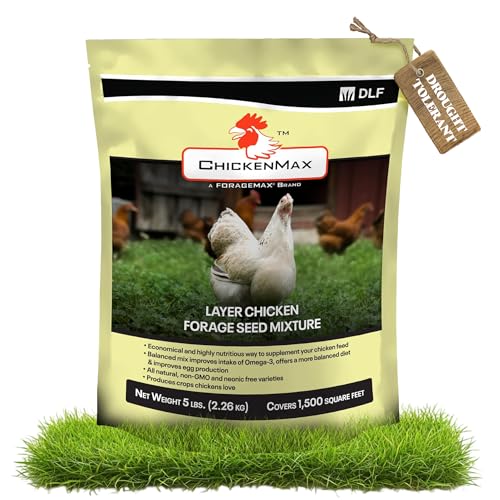
NUTRITIOUS Forage Seed to Supplement Chicken Feed - DLF'S balanced mix, including annual ryegrass, crimson clover, and flax, offering a high-protein, nutritious diet that supports improved egg production and the overall health of your laying hens.
How to Prepare Cucumber Seeds for Chickens
So, you’re considering adding cucumber seeds to your chickens’ diet. Here’s how you can prepare them to ensure your feathered friends stay healthy and happy:
- Harvesting: Collect ripe cucumbers from your garden or local market.
- Extraction: Scoop out the seeds and pulp from the cucumber.
- Rinsing: Wash the seeds thoroughly to remove any traces of pulp.
- Drying: Spread the seeds on a paper towel and let them air dry for a day or two.
- Storage: Store the dried seeds in a cool, dry place until feeding time.
Want to incorporate cucumber seeds into your chickens’ meals? Follow these steps to safely introduce this treat to their diet.
Alternatives to Cucumber Seeds for Your Flock
If you’re looking for varied treats to offer your feathery friends, there are several alternatives to cucumber seeds that you can consider for your flock:
- Fruits: Apples, berries, and watermelon are all popular options that chickens typically enjoy.
- Vegetables: Carrots, pumpkins, and leafy greens like spinach are nutritious choices for your chickens.
- Grains: Oats and wheat provide energy for your flock and can be scattered for them to peck at.
Adding diversity to your chickens’ diet ensures they get a range of nutrients and keeps them excited about their snacks.
Recommended Products

Vegetable seeds variety pack: Grow 35 varieties of leafy greens, root vegetables, tomatoes, peppers, beans, peas, squash, melons, and more. Includes 16,000+ vegetable seeds for planting outdoors in raised beds, garden rows, or containers.

Includes 30 Different Varieties! 30 Packs of Seeds!
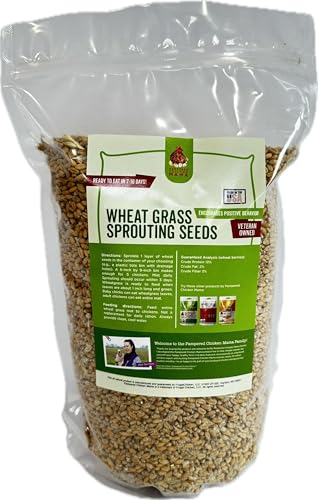
Easy to grow chicken forage seed mix of wheat grass berries. Ready to eat in just a few days. Add water, cover your chicken forage seed mix, and watch the grass grow! Great as a tortoise pasture mix and as a cat grass, as well.
Conclusion
You now have a better understanding of the risks associated with feeding cucumber seeds to your chickens and how to properly prepare them as a treat. Remember to follow the steps of harvesting, rinsing, drying, and storing the seeds before offering them to your flock. If you decide to explore other options, fruits like apples and berries, vegetables such as carrots and pumpkins, and grains like oats and wheat can provide a nutritious and exciting variety for your chickens. By diversifying their diet, you can ensure your feathered friends stay healthy and happy. Experiment with different treats to keep them engaged and thriving. Enjoy watching your chickens delight in their snacks while maintaining their well-being.
Frequently Asked Questions
Can chickens eat cucumber seeds?
Yes, chickens can eat cucumber seeds as an occasional treat, but there are risks of choking and digestive issues associated with them. It is crucial to prepare the seeds properly by harvesting ripe cucumbers, rinsing, drying, and storing them before feeding them to your chickens.
How should I prepare cucumber seeds for chickens?
To prepare cucumber seeds for chickens, harvest ripe cucumbers, extract the seeds, rinse them thoroughly to remove any residue, dry them completely, and store them in a cool, dry place. Introduce the seeds gradually as a treat in moderation to prevent digestive problems in chickens.
Are there alternatives to cucumber seeds for chickens?
Yes, there are several alternative treats for chickens, including fruits like apples and berries, vegetables such as carrots and pumpkins, and grains like oats and wheat. Offering a variety of treats ensures a diverse nutrient intake for chickens and keeps them excited about their snacks.
