

Ever wondered if your lettuce and cucumbers could be the ultimate dynamic duo in your garden? Picture this: you’re aiming for a bountiful harvest, but you’re not sure if these two veggies can thrive side by side. What if I told you that planting them together could be the game-changer you’ve been looking for?
Imagine the convenience of having your salad essentials growing harmoniously in one spot. In this article, you’ll uncover the secrets behind successfully planting lettuce and cucumbers together. Say goodbye to the guesswork and hello to a flourishing garden that offers both taste and efficiency.
Ready to unlock the potential of your garden bed? Let’s dive into the world of companion planting with lettuce and cucumbers and watch your greens thrive like never before.
Benefits of Companion Planting
When you plant lettuce and cucumbers together, you’re not just saving space – you’re also maximizing the potential of your garden in numerous ways. Here are some key benefits to consider:
- Pest Control: Some plants naturally repel pests that are harmful to others. By companion planting lettuce and cucumbers, you can create a dynamic duo that helps deter unwanted insects.
- Nutrient Sharing: Different plants have varying nutrient needs. Lettuce and cucumbers, when grown together, can contribute to soil health by taking up different nutrients and preventing depletion of specific elements.
- Space Optimization: With companion planting, you can make the most of your garden space. By placing lettuce and cucumbers together, you can achieve a dense, productive garden without overcrowding.
- Beneficial Interactions: The proximity of lettuce and cucumbers can enhance each other’s growth. For example, the shade provided by lettuce can help keep the soil cool for the cucumbers, promoting ideal growing conditions.
- Biodiversity Boost: Planting a variety of crops together can enhance biodiversity in your garden. By growing lettuce and cucumbers side by side, you encourage a healthy ecosystem that supports different beneficial organisms.
- Environmental Sustainability: Companion planting lettuce and cucumbers can promote sustainable gardening practices. By harnessing the natural synergies between these plants, you reduce the need for chemical inputs while promoting a balanced garden ecosystem.
Understanding Lettuce and Cucumber Compatibility
When it comes to planting lettuce and cucumbers together, you may wonder about their compatibility. Here’s a breakdown to help you understand how these two veggies can thrive side by side:
Recommended Products

Exceptional Germination Rates - Achieve a lush garden effortlessly with our Butter Crunch Lettuce seeds, boasting high germination rate. Ideal for both beginners and experienced gardeners, ensuring a successful harvest every time.


4 Popular Heirloom Lettuce Varieties: Includes Red Romaine, Bibb Butterhead, Black Seeded Simpson, and Green Ice lettuce seeds to grow crisp, tender, and colorful salad greens with balanced flavor, texture, and visual appeal.
Benefits of Companion Planting
- Lettuce and cucumbers complement each other by maximizing space and supporting growth.
- Lettuce acts as a ground cover for cucumbers, helping retain moisture and prevent weed growth.
- Cucumbers, on the other hand, provide vertical support for lettuce, protecting it from direct sunlight.
Nutrient Sharing
- Lettuce and cucumbers have different nutrient needs, reducing competition for resources in the soil.
- Lettuce, being a heavy feeder, benefits from cucumber’s nitrogen-fixing abilities, enhancing its growth.
Pest Control
- Companion planting can help repel pests naturally.
- Lettuce and cucumbers are known to deter pests that target each other, promoting a healthy garden environment.
Space Optimization
- Planting lettuce and cucumbers together allows you to make the most of limited space in your garden.
- You can harvest fresh salads with ease and efficiency by having both veggies within arm’s reach.
- By combining lettuce and cucumbers, you support biodiversity in your garden ecosystem.
- This reduces the need for chemical inputs, promoting a more sustainable gardening approach.
Remember, growing lettuce and cucumbers together not only benefits the plants but also contributes to a harmonious and thriving garden environment for you to enjoy.
Ideal Growing Conditions for Lettuce and Cucumbers Together
To successfully grow lettuce and cucumbers together, you should consider the following ideal growing conditions:
- Sunlight: Ensure your chosen spot receives at least 6 hours of sunlight per day for optimal growth.
- Soil Quality: Well-draining soil rich in organic matter is essential. Aim for a pH level of 6.0-6.8 for both vegetables to thrive.
- Watering: Maintain consistently moist but not waterlogged soil. Water deeply to encourage strong root systems.
- Temperature: Both lettuce and cucumbers prefer moderate temperatures. Aim for 60-75°F for lettuce and 70-85°F for cucumbers.
- Spacing: When planting, allow for 12-18 inches between lettuce plants and 36 inches between cucumber plants to prevent overcrowding.
- Companion Planting: Take advantage of the benefits of companion planting by growing herbs like dill or basil near cucumbers for pest control.
- Mulching: Mulch around plants to reduce evaporation, suppress weeds, and maintain soil temperature.
- Fertilization: Use a balanced organic fertilizer high in nitrogen for lettuce and a phosphorus-rich fertilizer for cucumbers during the growing season.
- Pest Control: Stay vigilant for common pests like aphids and cucumber beetles. Remove any affected foliage promptly.
- Harvesting: Regularly harvest mature lettuce leaves from the outside inwards. Pick cucumbers when they reach a desirable size to encourage continuous production.
By meeting these ideal growing conditions, you can foster a thriving garden where lettuce and cucumbers complement each other’s growth.
Recommended Products

COMPACT SPACE-SAVING PLANTS – Dwarf bush cucumbers grow just 2–3 feet long, perfect for container gardening and small outdoor spaces
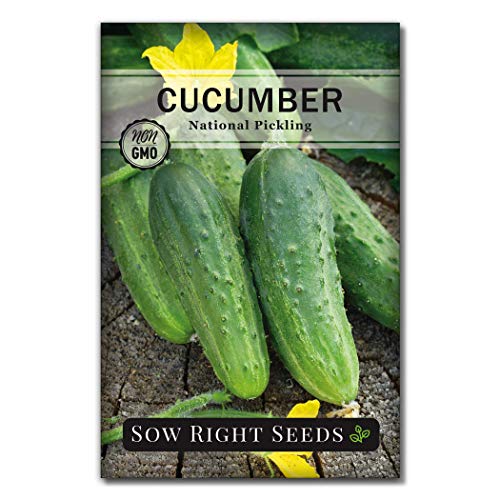
Beautiful - Full-color packet of National Pickling Cucumber seeds (Cucumis Sativus), a heavy producing self-pollinating variety that is burpless and wonderful for pickles or eating fresh. Sweet skins do not need to be peeled. Minimum of 1g per packet (about 39 seeds).

Boston Pickling Cucumber seeds garden seeds vegetable seeds bulk
Tips for Maximizing Growth and Yield
- Proper Spacing:
- Plant lettuce and cucumbers at least 12-18 inches apart in rows to ensure ample room for growth.
- Opt for vertical training methods like trellising for cucumbers to save space.
- Sunlight Exposure:
- Ensure your garden gets 6-8 hours of direct sunlight daily for optimal growth of both lettuce and cucumbers.
- Watering Needs:
- Keep the soil consistently moist but not waterlogged. Aim to water deeply to encourage strong root development.
- Mulching Benefits:
- Use organic mulch like straw or compost to retain moisture, prevent weeds, and regulate soil temperature.
- Fertilization:
- Prioritize nitrogen-rich fertilizers for lettuce and cucumbers to promote healthy leafy growth.
- Pest Control:
- Implement companion planting with herbs like dill or basil to deter pests naturally without harsh chemicals.
- Harvesting Techniques:
- Harvest lettuce by cutting the outer leaves when mature, and pick cucumbers early and often to encourage more fruiting.
Recommended Products
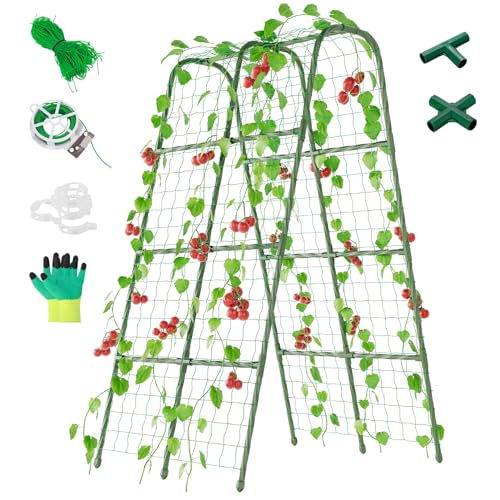
Versatile U-Shaped Trellis for Multiple Plants: Firm U-shaped design supports cucumbers, cherry tomatoes, beans, peas and more—perfect for raised beds, backyard gardens, and vertical growing.

Assembles in Minutes, No Tools or Frustration - Say goodbye to complicated setups. Our A-frame trellis includes easy-connect joints and step-by-step instructions for fast, hassle-free assembly for plant trellis

【Package included】:Crafted from robust hollow steel, this garden stakes features a fade-resistant green plastic coating, offering reliable protection against wind, rain, and rust. This Trellis for Climbing Plants Outdoor comes complete with everything you need to get started: 17pcs metal stakes, 8pcs T shape connect pipe, 2 A-shaped connectors, and a 0.9x1.8meter bird net.
Harvesting and Maintaining Lettuce and Cucumbers
Planting lettuce and cucumbers together not only maximizes your garden space but can also be a rewarding experience. Here are some tips to help you maintain and harvest your lettuce and cucumbers successfully:
- Consistent Watering: Ensure your plants receive 1-1.5 inches of water per week to support their growth and prevent issues like bitterness in lettuce leaves.
- Mulching Benefits: Use organic mulch to retain soil moisture, suppress weeds, and regulate soil temperature for healthier plants.
- Fertilization: Apply a nitrogen-rich fertilizer every 3-4 weeks to promote vigorous growth and abundant harvests.
- Vertical Training for Cucumbers: Implementing vertical trellises or stakes for cucumbers saves space, improves air circulation, and makes harvesting easier.
- Harvesting Lettuce: Cut outer leaves at the base when they reach a desirable size to encourage continuous growth and prolong the harvest season.
- Harvesting Cucumbers: Pick cucumbers early and frequently to ensure they stay tender, flavorful, and encourage the development of more fruits.
By following these tips, you can maintain the health of your lettuce and cucumber plants, leading to a bountiful harvest.
Conclusion
You now have the tools to successfully grow lettuce and cucumbers together in your garden. By following the advice on watering, mulching, fertilizing, and harvesting, you can ensure healthy plants and a bountiful harvest. Remember to water consistently, use organic mulch, apply nitrogen-rich fertilizers, set up vertical trellises for cucumbers, and harvest your crops with care. These simple practices will help you enjoy a thriving garden filled with delicious produce. Happy gardening!
Frequently Asked Questions
Can lettuce and cucumbers be grown together in a garden?
Yes, lettuce and cucumbers can be grown together in a garden. It is important to provide consistent watering, use mulch to retain soil moisture, and apply nitrogen-rich fertilizers to support their growth.
What are some tips for maintaining lettuce and cucumbers when grown together?
To maintain lettuce and cucumbers when grown together, water plants adequately, use organic mulch to retain moisture, fertilize regularly with nitrogen-rich fertilizers, and implement vertical trellises for cucumbers to support their growth.
How should lettuce and cucumbers be harvested when grown together?
Harvest lettuce by cutting outer leaves as needed and pick cucumbers early and frequently to encourage continuous growth. Following these harvesting techniques will help ensure the health of the plants and yield a successful harvest.
