

Ever wondered why your cucumber plants seem to be struggling, despite your best efforts? Picture this: you diligently water them every day, yet they still look thirsty. What’s the deal? Do cucumber plants need a lot of water to thrive and produce those crisp, refreshing veggies you crave?
Understanding Cucumber Water Needs
Water is pivotal for cucumber growth. These plants have shallow root systems, meaning they need water more frequently. Avoid overwatering, though, as it can lead to root rot. Here are key points to understand cucumber water needs:
- Consistent Moisture: Cucumbers thrive with even moisture levels. Dry spells can cause bitterness in the fruit.
- Watering Frequency: Aim for about 1 inch of water weekly. Adjust based on weather and soil conditions.
- Mulching: Mulch helps retain moisture and regulate soil temperature. It’s especially useful in hot climates.
- Morning Watering: Water in the morning to allow foliage to dry before evening, reducing disease risks.
- Container Growing: Containers dry out quicker, so monitor and water as needed.
- Signs of Dehydration: Wilting, yellowing leaves, and stressed plant appearance indicate the need for water.
| Watering Tip | Frequency |
|---|---|
| 1 inch per week | Adjust based on climate |
| Mulch to retain moisture | Monitor container plants |
Remember, striking a balance with watering is key to healthy cucumber plants. Experiment and observe your plants for the best results.
Recommended Products

Accurate Soil Moisture Detection: The XLUX Soil Moisture Meter can tell you if the soil deep inside your pot or garden is dry, moist or wet; whereas your eyes and fingers can only determine the moisture level of the soil surface. The probe is 5.5 inches (14 cm) longer than regular styles, allowing it to measure the soil moisture at the bottom of larger and deeper flower pots.

Trusted Since 2015: Become one of the many plant lovers who rely on the proven accuracy of XLUX. Established in 2015, our soil moisture meter has earned over 60,000+ verified ratings for its consistent performance. While many many newer brands come and go, we provide the long-term reliability and quality that American households have trusted for over a decade.
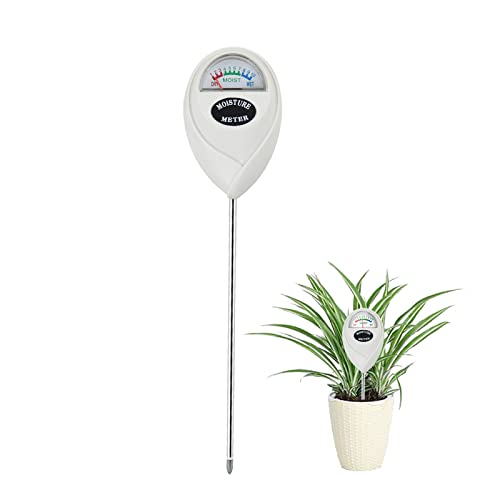
【SAVE YOUR PLANTS】: Over watering can cause problems with your plants or even kill them. This soil moisture meter helps you know the soil is dry, moist or wet.No more over watering!
Signs of Overwatering Cucumber Plants
If you’re seeing yellow leaves that feel mushy to the touch, this could be a sign of overwatering. Stunted growth and wilting are also indicators that your cucumber plants might be receiving too much water. Soil that’s constantly wet can lead to root rot, which further stresses the plants.
Examine the soil’s drainage and moisture levels to determine if your cucumber plants are receiving too much water. If the soil feels consistently soggy and does not dry out between watering, you might need to adjust your watering routine.
Consider using a soil moisture meter to accurately gauge the soil’s moisture content and ensure you’re not overwatering your cucumber plants. Proper drainage is key to preventing overwatering, especially if you’re growing cucumbers in containers.
If you notice these signs of overwatering, it’s crucial to take action promptly to prevent further damage to your cucumber plants and adjust your watering practices accordingly.
Signs of Underwatering Cucumber Plants
When cucumber plants don’t receive enough water, they can exhibit clear signs that indicate their distress. Some common symptoms of underwatering to watch out for include:
- Wilting leaves, which may appear dry or crispy.
- Yellowing or browning of leaves, particularly at the edges.
- Slow growth or development of small fruits.
- Dry soil that feels hard to the touch.
To help prevent underwatering, it’s crucial to monitor soil moisture regularly and adjust your watering schedule accordingly. Remember to water deeply but less frequently, ensuring that the entire root zone receives adequate hydration.
Tips for Properly Watering Cucumber Plants
When it comes to watering cucumber plants, it’s essential to strike the right balance. Here are some tips to help you ensure your plants receive adequate hydration:
- Check Soil Moisture Regularly: Stick your finger into the soil up to your knuckle. If it feels dry, it’s time to water.
- Water at the Right Time: Early morning is the best time to water your cucumber plants to avoid excess evaporation.
- Focus on the Root Zone: Water at the base of the plant to ensure the roots receive the water they need.
- Deep Watering: Ensure the water soaks deep into the soil to encourage roots to grow deeper.
- Frequency: Water cucumber plants deeply but less frequently to prevent waterlogging.
Remember, the key to healthy cucumber plants is maintaining consistent and adequate moisture levels.
Conclusion
Remember, maintaining proper soil moisture is key to keeping your cucumber plants healthy. By following the tips outlined in this article, such as checking soil moisture regularly, watering in the early morning, focusing on the root zone, and deep watering, you can ensure that your cucumber plants get the water they need to thrive. Consistency is key when it comes to watering, so make sure to monitor your plants’ moisture levels and adjust your watering routine accordingly. With the right amount of water and attention to detail, your cucumber plants will thank you with bountiful harvests.
Frequently Asked Questions
How often should I water my cucumber plants?
To maintain healthy cucumber plants, water them deeply but less frequently. Aim to provide consistent moisture levels without waterlogging the soil.
When is the best time to water cucumber plants?
Watering cucumber plants in the early morning is ideal as it helps reduce evaporation throughout the day, ensuring the plants have ample moisture.
How do I know if my cucumber plants need watering?
Regularly check the soil moisture by feeling the soil. If the top layer feels dry to the touch, it’s time to water the cucumber plants.
Where should I focus the watering on cucumber plants?
Focus your watering efforts on the root zone of the cucumber plants to ensure that the water reaches the area where it is most needed for absorption.
Why is deep watering important for cucumber plants?
Deep watering encourages root growth by prompting the roots to grow deeper into the soil in search of water, making the plants more resilient and better able to withstand dry periods.
