

Ever wondered why your cucumbers aren’t thriving as you expected? How much water do cucumbers really need to flourish? Picture this: you diligently care for your cucumber plants, but they seem to be wilting no matter what you do. Fret not, as we’ve got you covered!
In this article, we’ll unravel the mystery of watering cucumbers. You’ll discover the perfect watering routine to ensure your cucumbers grow healthy and abundant. Say goodbye to the guessing game and hello to a bountiful cucumber harvest!
Understanding Cucumber Water Needs
When it comes to watering your cucumber plants, it’s crucial to strike the right balance. Cucumbers are composed of 95% water, making hydration a top priority for their growth. Here’s what you need to know to meet their specific water needs:
Recommended Products

【Instant & Accurate Moisture Reading, No More Guesswork】 This plant moisture meter gives precise soil moisture readings in seconds! The responsive pointer instantly tells you if soil is dry, moist, or wet. It helps avoid overwatering & root rot, letting you water plants like a pro with confidence

STOP OVERWATERING - Our soil moisture meter prevents overwatering or under-watering. Your plants will thank you! Total length of this meter 26 cm (10.24 inch) and probe 7 inch (17.8 cm).

Accurate Soil Moisture Detection: The XLUX Soil Moisture Meter can tell you if the soil deep inside your pot or garden is dry, moist or wet; whereas your eyes and fingers can only determine the moisture level of the soil surface. The probe is 5.5 inches (14 cm) longer than regular styles, allowing it to measure the soil moisture at the bottom of larger and deeper flower pots.
Factors Affecting Water Requirements
- Temperature: Hotter weather means cucumbers will need more water to stay hydrated.
- Soil Type: Well-draining soil helps prevent waterlogged roots, which can harm cucumbers.
- Plant Size: Larger and more mature cucumber plants require more water.
Signs of Overwatering and Underwatering
- Yellowing leaves and wilting can indicate overwatering.
- Drooping leaves or a bitter taste in the cucumbers may be signs of underwatering.
Tips for Watering Success
- Check the Soil: Stick your finger into the soil up to your knuckle to check for moisture.
- Consistent Schedule: Water deeply but infrequently to encourage deep root growth.
- Morning Watering: Watering in the morning helps avoid excess moisture overnight.
Ideal Watering Routine
Follow this watering schedule as a general guide:
| Stage of Growth | Frequency | Amount |
|---|---|---|
| Seedling Stage | Daily | Light |
| Vegetative Stage | Every 2-3 days | Moderate |
| Fruit Development | Every 1-2 days | Adequate |
Remember, adjusting based on weather and plant condition is key to ensuring your cucumbers thrive.
Factors Affecting Cucumber Water Requirements
When it comes to cucumber water needs, several factors play a crucial role in determining how much water your plants require. Understanding these factors can help you optimize your watering practices and ensure healthy growth for your cucumbers. Here are some key considerations:
- Temperature: Hotter temperatures often lead to increased water loss through evaporation. During peak summer months, your cucumbers may need more frequent watering to combat dehydration.
- Soil Type: Different soil types have varying water retention capacities. Sandy soil drains quickly and may require more frequent watering, while clay soil retains moisture better but can lead to waterlogged conditions if overwatered.
- Plant Size: Larger, more established cucumber plants typically have higher water requirements compared to younger seedlings. As the plant grows, its root system expands, necessitating more water to support its increased size and fruit production.
- Humidity Levels: Dry, arid conditions can accelerate moisture loss from the soil, prompting the need for more frequent watering sessions. High humidity can help retain soil moisture for longer periods, reducing the frequency of watering.
By considering these key factors, you can tailor your watering regimen to meet your cucumber plants’ specific needs and promote optimal growth.
Recommended Products
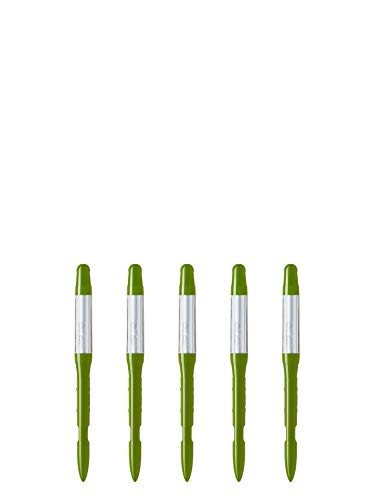
Dimensions: 0.4 x 0.3 x 4.7 inches (small) - Intended for pot sizes of 2, 2.5, and 3 - Ideal for small succulents
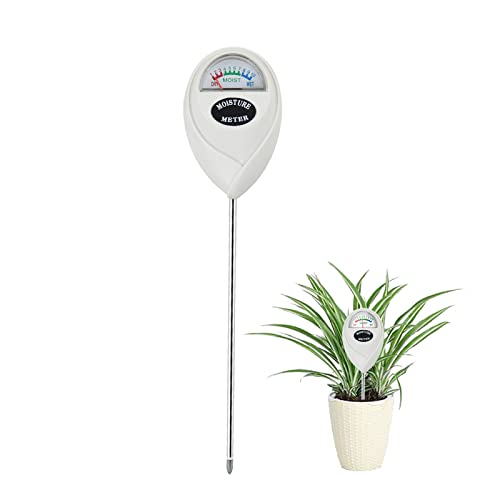
【SAVE YOUR PLANTS】: Over watering can cause problems with your plants or even kill them. This soil moisture meter helps you know the soil is dry, moist or wet.No more over watering!
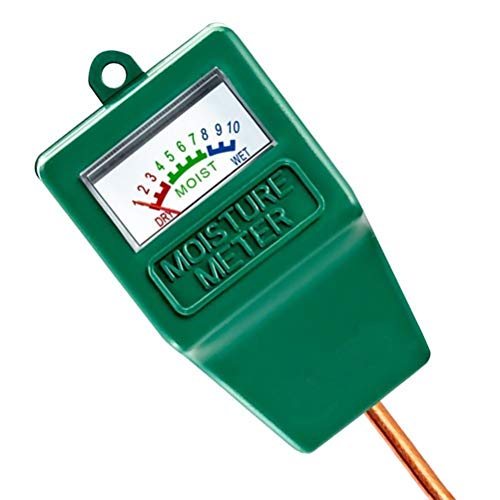
Soil Moisture Meter: This single probe soil moisture meter is specially designed for testing the moisture level in the soil, helps you decide whether the plants need water or not, helps to keep plants alive.
Signs of Overwatering Cucumbers
If you notice these signs, your cucumbers might be getting too much water:
- Yellowing leaves
- Wilting plants
- Mold growth
- Root rot
To avoid overwatering, make sure you adjust your watering schedule according to the specific needs of your cucumber plants.
Signs of Underwatering Cucumbers
If you notice wilting leaves, slow growth, dry and crispy foliage, and shriveled fruits, your cucumbers might be underwatered. To prevent this, deeply water your plants to reach the roots adequately.
- Wilting leaves
- Slow growth
- Dry and crispy foliage
- Shriveled fruits
Remember to adjust your watering routine based on the specific needs of your cucumber plants to ensure they receive the appropriate amount of water for healthy growth.
Optimal Watering Practices for Cucumber Plants
When it comes to watering cucumber plants, finding the right balance is crucial for their growth and productivity. Here are some optimal watering practices to keep in mind:
- Consistent Watering Schedule: Ensure your cucumbers receive 1-2 inches of water per week, either through rainfall or manual watering.
- Deep Watering: Water your plants deeply to encourage strong root development. Focus on watering at the root zone to avoid wetting the foliage.
- Morning Watering: It’s best to water your cucumber plants in the morning to allow any excess moisture to evaporate during the day.
- Mulching: Mulch around your plants to retain soil moisture and reduce water evaporation.
- Monitoring Soil Moisture: Check the soil moisture regularly by inserting your finger into the soil. If it feels dry about 2 inches below the surface, it’s time to water.
- Avoid Overwatering: Excess water can lead to root rot and other issues. Make sure the soil has proper drainage to prevent waterlogging.
By following these best practices, you can ensure that your cucumber plants receive the right amount of water for healthy growth and a bountiful harvest.
Recommended Products

✔️Accurate - A helpful tool of water meter for indoor plants which senses the moisture in the soil around plants. No more guess if the plant needs more or less water
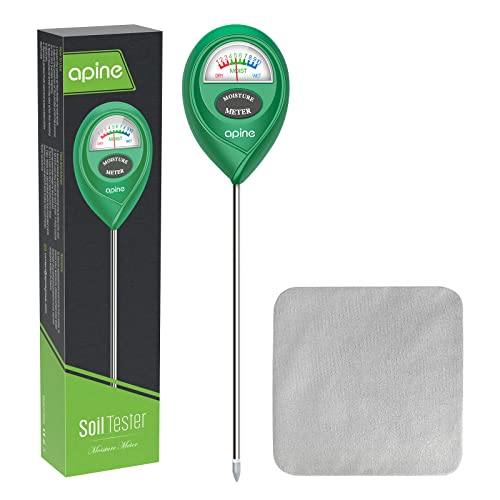
Quick Measurement:Just insert the probe of the plant water meter into the soil about two to four inches,wait a few seconds,you can get the soil moisture immediately.The color division of the dial is simple and clear,and the elderly can easily use it

Dimensions: 7.09 x 0.39 x 0.31 inches (medium) - Intended for pot sizes of 3.5, 4, 5, and 6
Conclusion
Ensuring your cucumber plants receive the right amount of water is key to their success. By following a consistent watering schedule, deep watering at the root zone, and mulching to retain moisture, you can support healthy growth. Remember, morning watering is ideal for optimal evaporation, and regular monitoring of soil moisture levels is essential. Be cautious of overwatering, as it can lead to root rot. Proper drainage is crucial to prevent waterlogging. By implementing these watering practices, you can help your cucumber plants flourish and produce a bountiful harvest.
Frequently Asked Questions
How often should I water my cucumber plants?
Water your cucumber plants consistently, aiming to keep the soil evenly moist but not waterlogged. Typically, watering every 1-2 days is beneficial, adjusting based on weather conditions and plant needs.
Is deep watering important for cucumber plants?
Yes, deep watering is crucial as it encourages root growth. Focus on watering at the root zone rather than the foliage to ensure the roots receive adequate moisture.
When is the best time to water cucumber plants?
Morning is the optimal time to water cucumber plants. This allows excess moisture to evaporate during the day, reducing the risk of fungal diseases.
How can mulching benefit cucumber plants?
Mulching helps retain soil moisture, regulates soil temperature, and suppresses weed growth. Use organic mulch like straw or compost around cucumber plants.
What should I do to prevent overwatering my cucumber plants?
Monitor soil moisture levels regularly to avoid overwatering. Ensure proper drainage in the planting area to prevent waterlogged soil, which can lead to root rot.
