

Ever wondered why your carrots end up stunted or misshapen? Picture this: struggling to grow straight, vibrant carrots in your garden. What if I told you there’s a simple solution that can transform your carrot cultivation game? Building raised beds could be the key to your carrot success. In this article, you’ll discover the secrets to constructing raised beds tailored specifically for growing plump, juicy carrots. Get ready to elevate your gardening skills and yield a bountiful carrot harvest like never before.
Benefits of Raised Beds for Carrot Cultivation
When it comes to carrot cultivation, raised beds offer numerous advantages that can significantly improve your gardening experience. Here’s why opting for raised beds can be a game-changer for your carrot harvest:
- Improved Soil Quality: Raised beds allow you to have better control over the soil composition, leading to loose, well-draining soil that carrots love.
- Enhanced Drainage: Carrots thrive in moist but not waterlogged soil. By elevating the plant bed, raised beds ensure optimal drainage, preventing root rot and other water-related issues.
- Weed Suppression: The raised structure helps to reduce weed growth, saving you time and effort on weed management and allowing your carrots to grow without competition.
- Warmer Soil: The soil in raised beds tends to warm up faster in the spring, providing your carrot seeds with a cozy environment to germinate quicker and kickstart their growth.
- Easier Maintenance: Tending to your carrot plants is much more comfortable when you can work at a comfortable height. Raised beds make tasks like watering, weeding, and harvesting less strenuous on your back.
- Extended Growing Season: With improved soil conditions and better temperature regulation, raised beds can extend your growing season, letting you enjoy fresh carrots for a more extended period.
- Pest Control: Elevating your carrot plants can help deter pests like carrot flies, as well as other critters that might nibble on your crop.
Choosing the Right Location for Your Raised Beds
When selecting a spot for your raised beds, consider these key factors:
- Sunlight: Aim for at least 6-8 hours of sunlight daily for optimal carrot growth.
- Accessibility: Ensure the location is easily accessible for watering, weeding, and harvesting.
- Soil Type: Choose an area with well-draining soil to prevent waterlogging and root rot.
For successful carrot cultivation, it’s crucial to pick the right location that meets these requirements.
Selecting the Best Materials for Building Raised Beds
When building raised beds for your carrot cultivation, choosing the right materials is essential for the success of your gardening venture. Here are some key factors to consider when selecting materials:
- Wood: Opt for durable, untreated wood such as cedar or redwood to prevent chemical leaching into the soil.
- Composite Materials: Consider using composite materials made from recycled plastics and wood fibers for a longer lifespan.
- Concrete Blocks: Ideal for a more permanent structure, concrete blocks provide excellent stability and can withstand harsh weather conditions.
- Bricks or Stones: These materials add a decorative touch to your garden while offering sturdiness and longevity.
Keep in mind the following tips while selecting the materials for your raised beds:
- Avoid Pressure-Treated Wood: It may release harmful chemicals into the soil over time.
- Ensure Proper Drainage: Choose materials that allow excess water to drain properly.
- Consider Aesthetic Appeal: Select materials that complement your garden’s overall look and feel.
Remember, the materials you choose will not only impact the longevity of your raised beds but also the health and growth of your carrot plants. Choose wisely to create a thriving environment for your crops.
Building and Filling Your Raised Beds
When constructing your raised beds for carrot cultivation, choose materials that promote healthy plant growth. Here’s how you can build and fill your raised beds effectively:
- Assembly:
Use durable, untreated wood like cedar or redwood for a natural look. Consider composite materials for longevity. - Size and Depth:
Create beds that are at least 12 inches deep to accommodate carrots’ long roots. Ensure the width allows easy access for planting and harvesting. - Drainage:
Add a layer of gravel at the bottom before filling with soil to prevent waterlogging. - Soil Mixture:
Mix topsoil with compost for a nutrient-rich blend. Ensure the soil is loose and well-draining. - Fertilization:
Consider adding organic fertilizers to enrich the soil and support carrot growth. - Planting:
Space carrot seeds evenly in rows, following the recommended planting depth. - Maintenance:
Water consistently, especially during dry periods, and monitor for pests or diseases.
| Raised Bed Size: | 12 inches deep or more |
|---|---|
| Ideal Materials: | Untreated wood, composite materials |
| Key Step: | Ensure proper drainage with gravel |
Recommended Products

HEAVY-DUTY DRIVEWAY WEED BARRIER FABRIC: 5 oz dual-layer woven & needle-punched construction for gravel driveways, parking pads & high-traffic paths. Outlasts standard landscape fabric under load.

Eco-Friendly Recycled Smart Gravel: Made in the USA from 100% recycled plastics to help reduce environmental waste and plastic pollution

SOIL WILL NOT BE WASHED AWAY: Fabric garden bed is deep enough for suitable root growth. Grow bags provides additional protection for your garden bed, preventing soil from being washed away and avoiding the surrounding environment to become dirty and messy.
Maintaining Your Raised Beds for Carrot Cultivation
To ensure a successful carrot harvest, maintaining your raised beds is crucial. Here are some helpful guidelines to keep your beds in optimal condition:
- Weeding: Regularly remove weeds to prevent them from competing with your carrots for nutrients and moisture.
- Mulching: Applying a layer of mulch helps retain moisture, regulate soil temperature, and suppress weed growth.
- Feeding: Consider fertilizing your soil with organic options to provide essential nutrients for healthy carrot growth.
- Watering: Ensure your carrots receive consistent watering, especially during dry periods, to promote proper development.
- Pest Control: Keep an eye out for common pests like carrot rust flies and aphids, and take preventative measures to protect your crop.
- Soil Maintenance: Periodically check and replenish your soil with compost or organic matter to maintain its fertility and structure.
Recommended Products
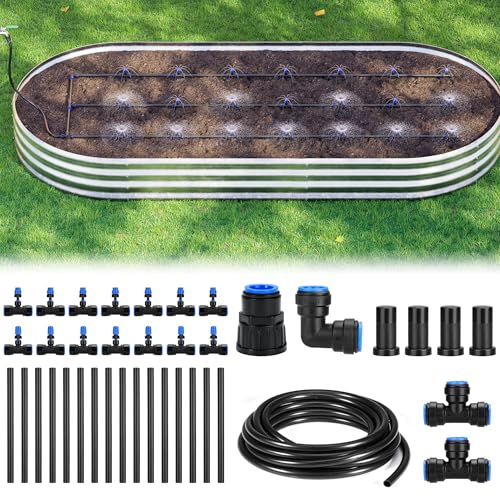
Adjustable Drippers: The irrigation kit includes two drippers with different water delivery patterns, 8-holes Dripper and vortex Dripper. each with adjustable water flow, allowing for custom watering for your raised beds, and flower beds
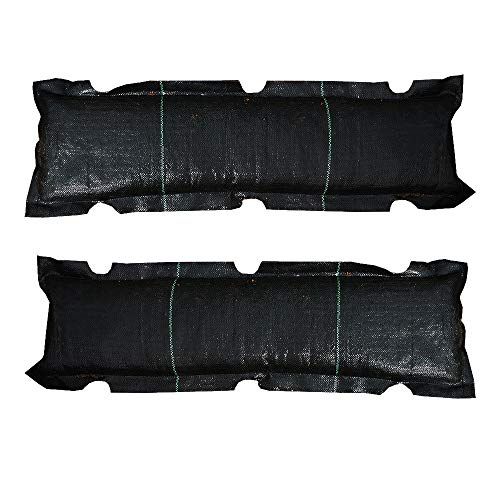
Automatic recharging rain/irrigation water (Almost maintenance free!)

ERGONOMIC DESIGN: Reasonable height design reduces the need for bending or kneeling to operate, reduces the burden on the body, and makes gardening activities more comfortable and convenient.
Conclusion
You’ve learned how to construct raised beds for growing carrots successfully. By using quality materials and maintaining proper depth and soil conditions, you’re setting yourself up for a thriving carrot harvest. Remember to stay on top of weeding, mulching, feeding, watering, pest control, and soil upkeep to ensure your carrots flourish. With these tips in mind, you’re well-equipped to enjoy a plentiful supply of fresh, homegrown carrots. Happy gardening!
Frequently Asked Questions
What materials are recommended for building raised beds for cultivating carrots?
Cedar or redwood are ideal choices due to their durability and resistance to rot, ensuring longevity for the raised beds.
How deep should the raised beds be for cultivating carrots?
Maintain raised beds at a depth of at least 12 inches to provide ample space for carrot roots to grow deeply.
What is essential for the soil mixture in raised beds for carrots?
Ensure a nutrient-rich soil mixture to support healthy carrot growth, incorporating compost and organic matter for optimal results.
How should raised beds for carrots be maintained for successful cultivation?
Regular maintenance tasks include weeding, mulching, organic fertilization, consistent watering, pest control, and soil upkeep for thriving carrot plants.
