

Ever wondered if you can grow green beans and corn together in your garden? Picture this: a vibrant patch of green beans intertwining with tall, swaying corn stalks under the warm sun. Exciting, right? In this article, you’ll discover the secrets to successfully cultivating these two crops side by side.
Benefits of Companion Planting Green Beans and Corn
When growing green beans and corn together, you’re not just saving space in your garden; you’re also benefiting your crops in a variety of ways.
- Nitrogen Fixation: Green beans are legumes that fix nitrogen in the soil. They form a symbiotic relationship with bacteria, converting atmospheric nitrogen into a form that plants can use. This process enriches the soil for the corn.
- Pest Control: By planting green beans alongside corn, you can naturally deter pests. The beans act as a natural pest repellent, reducing the need for chemical pesticides.
- Support and Structure: Corn provides a natural trellis for the climbing vines of the green beans. This support system helps the beans grow vertically, maximizing space and sunlight exposure for both crops.
- Improved Yield: The complementary growth patterns of green beans and corn can result in a higher overall yield than growing them separately. They each thrive in the presence of the other, creating a synergistic effect.
- Biodiversity: Planting green beans and corn together promotes biodiversity in your garden. This diversity can attract beneficial insects, improve soil health, and create a more balanced ecosystem.
- Visual Appeal: Beyond the practical benefits, the visual appeal of green bean vines entwining with tall corn stalks creates a beautiful and dynamic garden that is as aesthetically pleasing as it is functional.
Recommended Products
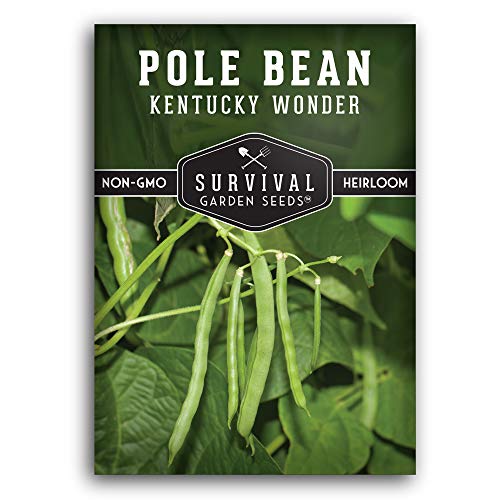
CLIMBING POLE BEANS SEEDS - Kentucky Wonder pole bean (Phaseolus vulgaris) seeds produce vigorous vines that climb trellises, fences, and poles, maximizing vertical space and increasing production in compact garden areas
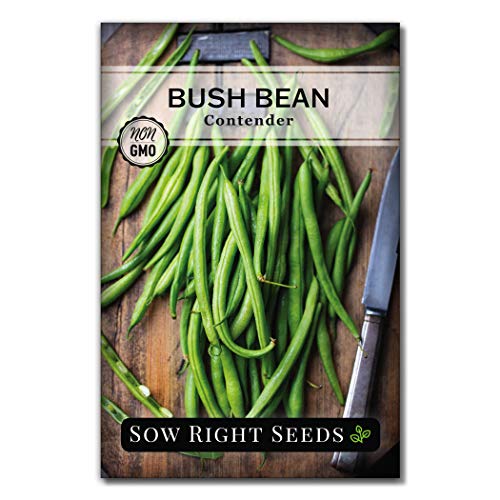
Beautiful - Large premium seed packet of Contender Bush Bean (Phaseolus vulgaris) seeds. Minimum of 16.5g per packet (about 30 seeds). Stringless bush bean that matures early and produces high yields. Adaptable, performing well in short, cool growing seasons or in hot weather. Beans are 5-8" long and retain their flavor when frozen or canned.
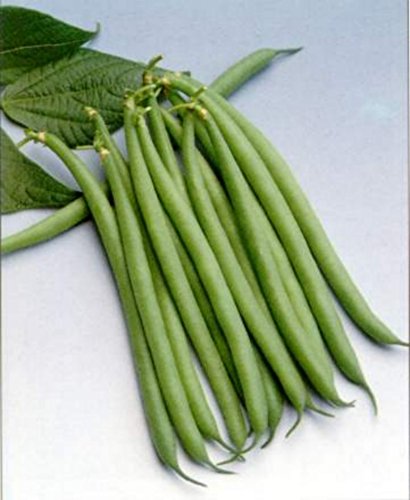
Bush Plant, No Strings: This variety is a bush-type plant with no strings, making harvesting easier
Understanding the Compatibility Between Green Beans and Corn
When green beans and corn are planted together, they form a beneficial relationship that enhances the growth of both plants. This gardening practice is known as companion planting, where certain plants are grown together to promote each other’s growth. Here’s a breakdown of why green beans and corn thrive when planted side by side:
Nitrogen Fixation and Complementary Growth
- Green beans are known for their ability to fix nitrogen in the soil, improving its fertility. This benefits corn by providing it with essential nutrients for growth.
- Corn, on the other hand, provides support for the climbing green bean vines to grow, creating a mutually beneficial growing environment.
Natural Pest Control and Increased Yield
- Green beans repel certain pests that are harmful to [corn](#], acting as a natural pest control method.
- The combination of green beans and corn leads to increased yields due to their complementary growth patterns, maximizing space and resources in the garden.
- Companion planting green beans and corn promotes biodiversity in the garden, which can help create a more balanced ecosystem.
- Additionally, the intertwining vines of the green beans with the tall corn stalks create a visually appealing garden landscape.
By understanding the compatibility between green beans and corn, you can leverage these benefits to create a thriving garden that not only looks beautiful but also produces a bountiful harvest.
Planting Techniques for Green Beans and Corn Together
When planting green beans and corn together, there are a few key techniques to keep in mind to ensure a successful harvest. Proper spacing is crucial to avoid competition for resources between the two crops. Green beans should be planted around corn once it reaches a height of about 6 inches.
Here are some tips for planting green beans and corn together effectively:
- Plant corn in blocks: This helps with wind pollination and stability for the bean vines.
- Interplant: Alternating corn and bean seeds in the same row allows for better support and nutrient sharing.
- Consider succession planting: Sow beans a few weeks after the initial planting to extend your harvest.
Remember, when grown together, green beans and corn create a mutually beneficial environment that boosts yields and promotes healthy growth for both crops.
Maintaining the Health and Yield of Green Beans and Corn
When growing green beans and corn together, proper maintenance is key to ensuring healthy plants and a bountiful harvest. Here are some tips to help you maintain the health and yield of your green beans and corn:
- Watering: Regular and consistent watering is crucial for both green beans and corn. Ensure that the soil remains moist but not waterlogged.
- Weed Control: Regularly remove weeds around your green beans and corn to prevent competition for nutrients and sunlight.
- Fertilization: Fertilize your plants with a balanced fertilizer to promote growth and maximize yields.
- Support: Provide support for your green beans to prevent them from trailing on the ground. Staking or using a trellis can help keep the plants upright.
- Pest Management: Monitor your plants for pests regularly. Early detection can help prevent infestations that could damage your crops.
- Harvesting: Harvest your green beans when they are young and tender for the best flavor. For corn, harvest when the kernels are plump and release a milky liquid when punctured.
- Rotation: Consider rotating your crops each season to improve soil health and reduce disease.
By following these guidelines, you can maintain the health and maximize the yield of your green beans and corn throughout the growing season.
Harvesting Tips for Growing Green Beans and Corn Together
When it comes to harvesting your green beans and corn, timing is crucial for optimal flavor and freshness. Here are some helpful tips to ensure a successful harvest:
- Harvesting Green Beans:
- Pick green beans regularly once they reach about 3-4 inches in length for the best tenderness and flavor.
- Gently snap or cut the pods from the plant to avoid damaging the vines.
- Harvest in the morning when the beans are crisp and full of moisture.
- Aim to pick green beans every 2-3 days to encourage continuous production throughout the season.
- Harvesting Corn:
- Check for ripeness by gently peeling back the husk and piercing a kernel with your fingernail; if a milky substance squirts out, it’s ready.
- Harvest corn when the silk turns brown and dry, and the husks are still green.
- Twist and pull each ear downward to detach it from the stalk.
- For the best flavor, cook or freeze freshly harvested corn as soon as possible.
Conclusion
Harvesting green beans and corn together requires attention to detail. Remember to pick your green beans when they’re tender, and your corn when the silk turns brown. By following these simple tips, you’ll enjoy a bountiful harvest of fresh produce from your garden. Happy gardening!
Frequently Asked Questions
Q: What are the recommended harvesting techniques for green beans?
A: Harvest green beans when they reach 3-4 inches in length, snap or cut the pods carefully, pick in the morning, and harvest every 2-3 days for continuous production.
Q: How should corn be harvested properly?
A: Check corn for ripeness by piercing a kernel, harvest when the silk turns brown, and twist each ear to detach it from the stalk.
Q: What should be done after harvesting corn for the best flavor?
A: Cook or freeze freshly harvested corn promptly to preserve its flavor and freshness.
