Close Menu
    Veggie Knowledge
    • Home
    • Growing Vegetables
      • Beets
      • Broccoli
      • Carrots
      • Cucumber
      • Green Beans
    • Tips and Advice
    • Free eBook
    • About
      • Contact
      • Privacy Policy
    Veggie Knowledge
    Home»Green Beans»Comparing Green Beans as Cover Crops: Benefits, Cost, and Best Practices
    Green Beans

    Comparing Green Beans as Cover Crops: Benefits, Cost, and Best Practices

    Lucy StoneBy Lucy StoneMay 28, 20244 Mins Read
    Facebook Twitter Pinterest LinkedIn Tumblr WhatsApp VKontakte Email
    Share
    Facebook Twitter LinkedIn Pinterest Email

    Ever wondered if green beans could do more than just fill your plate? Picture this: a vibrant field of green beans not just for your table, but for your soil too. Curious to know if green beans can work double-duty as a cover crop in your garden? In this article, we’ll explore the potential benefits and practicalities of using green beans to nurture your soil.

    Contents show
    1 Benefits of Using Green Beans as a Cover Crop
    2 How Green Beans Improve Soil Health
    3 Planting and Managing Green Beans as Cover Crops
    4 Green Beans vs. Traditional Cover Crops
    5 Conclusion
    6 Frequently Asked Questions
    6.1 Are green beans better than traditional cover crops for gardening?
    6.2 What benefits do green beans provide for soil health?
    6.3 How can I decide between green beans and traditional cover crops?

    Benefits of Using Green Beans as a Cover Crop

    • Improved Soil Fertility:
    • Nitrogen-fixing properties enrich the soil with essential nutrients.
    • Weed Suppression:
    • Dense foliage shades out weeds, reducing competition for resources.
    • Soil Erosion Prevention:
    • Robust root systems help hold the soil in place, protecting against erosion.
    • Biodiversity Promotion:
    • Attracts beneficial insects, creating a balanced ecosystem.
    • Cost-Effective Solution:
    • Budget-friendly alternative to commercial cover crops.
    FactData
    Nitrogen fixation rate50-150 lbs/acre
    Weed suppression rate80-90% reduction
    Expected cost$3-5 per pound

    Recommended Products

    Seed Needs Top Crop Bush Bean 170 Bean Seeds Non GMO Bulk Pack
    Seed Needs Top Crop Bush Bean 170 Bean Seeds Non GMO Bulk Pack

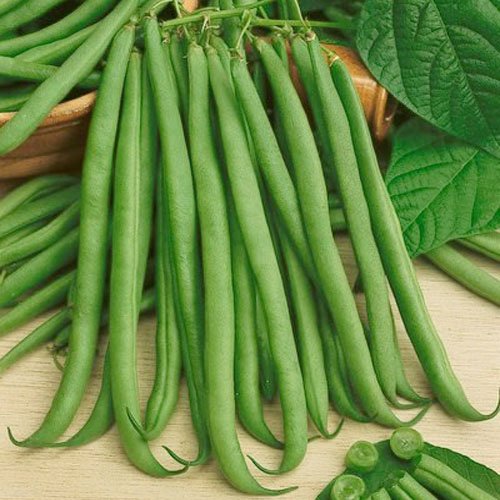
    Early Maturing: Topcrop beans are known for their quick growth cycle, reaching maturity in about 48 to 60 days, making them ideal for regions with shorter growing seasons.
    VIEW LATEST PRICE

    As an affiliate, we earn on qualifying purchases.

    MUST READ:  Optimize Green Bean Growth: Mastering Soil Moisture Management
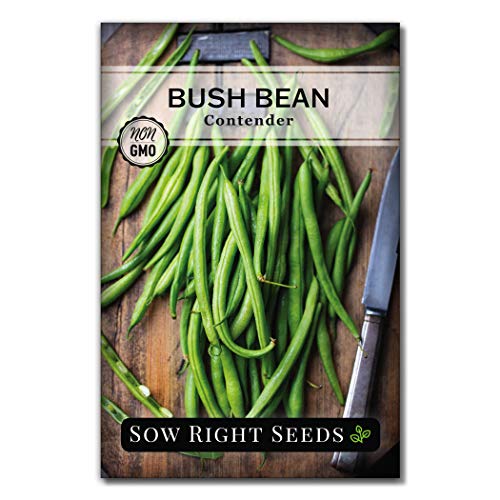
    Sow Right Seeds - Contender Bush Green Bean Seeds for Planting - Non-GMO Heirloom Seed Packet - Stringless Variety to Plant an Outdoor Home Vegetable Garden - Abundant Harvest, Great for Kids (1)
    Sow Right Seeds - Contender Bush Green Bean Seeds for Planting - Non-GMO Heirloom Seed Packet - Stringless Variety to Plant an Outdoor Home Vegetable Garden - Abundant Harvest, Great for Kids (1)

    Beautiful - Large premium seed packet of Contender Bush Bean (Phaseolus vulgaris) seeds. Minimum of 16.5g per packet (about 30 seeds). Stringless bush bean that matures early and produces high yields. Adaptable, performing well in short, cool growing seasons or in hot weather. Beans are 5-8" long and retain their flavor when frozen or canned.

    VIEW LATEST PRICE

    As an affiliate, we earn on qualifying purchases.

    Topcrop Bush Bean Seed - 1 Lb - Non-GMO, Heirloom Green Snap Bean Seeds - Vegetable Garden Seeds
    Topcrop Bush Bean Seed - 1 Lb - Non-GMO, Heirloom Green Snap Bean Seeds - Vegetable Garden Seeds

    Bean Seeds - Bush - Topcrop - 1 Lb - Phaseolus vulgaris

    VIEW LATEST PRICE

    As an affiliate, we earn on qualifying purchases.

    How Green Beans Improve Soil Health

    • Nitrogen Fixation: Green beans play a vital role in improving soil fertility by fixing nitrogen from the air into the soil.
    • Weed Suppression: Their dense foliage helps suppress weeds, reducing competition for nutrients.
    • Preventing Soil Erosion: The robust root systems of green beans help prevent soil erosion, keeping your soil in place.
    • Biodiversity Promotion: By attracting beneficial insects, green beans can support a diverse ecosystem in your garden.
    • Cost-Effective Solution: Green beans are a cost-effective option compared to commercial cover crops, providing excellent benefits at a lower cost.
    MetricData
    Nitrogen FixationHigh
    Weed SuppressionEffective
    CostAffordable

    Planting and Managing Green Beans as Cover Crops

    When it comes to planting and managing green beans as cover crops, here are the key steps you should follow:

    • Planting Green Beans:
    • Directly sow green beans in well-drained soil after the last frost date.
    • Ensure seeds are spaced adequately for proper growth.
    • Managing Green Beans:
    • Provide sufficient water, especially during dry spells.
    • Mulch around the plants to retain moisture and suppress weed growth.
    • Regularly monitor for pests and diseases.
    MUST READ:  Effective Ways to Manage Snails and Slugs on Green Beans: Expert Tips

    By following these steps, you can effectively utilize green beans as cover crops in your gardening practices.

    Green Beans vs. Traditional Cover Crops

    When comparing green beans with traditional cover crops, it’s important to consider several factors:

    • Nutrient Fixation: Green beans, like other legumes, have the ability to fix nitrogen in the soil, enriching it with this essential nutrient.
    • Weed Suppression: Both green beans and traditional cover crops help suppress weeds, aiding in maintaining a healthy garden ecosystem.
    • Soil Erosion Control: Green beans, with their dense foliage, contribute to preventing soil erosion, much like conventional cover crops.
    • Cost-Effectiveness: Green beans can be a more cost-effective option compared to purchasing traditional cover crop seeds.

    In terms of biodiversity and soil health, green beans offer a unique blend of benefits when used as cover crops. However, traditional cover crops may have their own advantages based on specific needs and goals in gardening practices.

    Remember, when deciding between green beans and traditional cover crops, consider factors like your soil type, climate, garden size, and overall objectives to make the best choice for your gardening endeavors.

    Recommended Products
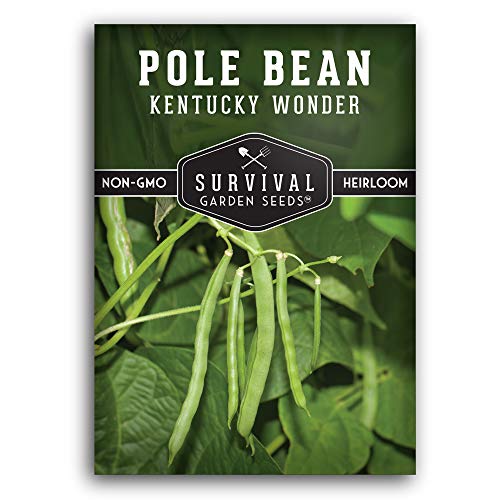
    Kentucky Wonder Pole Bean Seeds for Planting (1 Pack)
    Kentucky Wonder Pole Bean Seeds for Planting (1 Pack)

    CLIMBING POLE BEANS SEEDS - Kentucky Wonder pole bean (Phaseolus vulgaris) seeds produce vigorous vines that climb trellises, fences, and poles, maximizing vertical space and increasing production in compact garden areas

    VIEW LATEST PRICE

    As an affiliate, we earn on qualifying purchases.

    Bean, Top Crop Bush, Heirloom, 50 Seeds, Great Tasting Fresh or Cooked, COUNTRY CREEK ACRES
    Bean, Top Crop Bush, Heirloom, 50 Seeds, Great Tasting Fresh or Cooked, COUNTRY CREEK ACRES

    Great Tasting

    MUST READ:  Best Green Bean Varieties for Efficient Drying & Storage
    VIEW LATEST PRICE

    As an affiliate, we earn on qualifying purchases.

    The Vegetable Gardening Book: Your complete guide to growing an edible organic garden from seed to harvest
    The Vegetable Gardening Book: Your complete guide to growing an edible organic garden from seed to harvest
    VIEW LATEST PRICE

    As an affiliate, we earn on qualifying purchases.

    Conclusion

    Green beans can indeed be a valuable option as a cover crop in your garden. They offer benefits such as enriching the soil with nitrogen, suppressing weeds, and preventing soil erosion, all while being a cost-effective choice. However, it’s essential to consider factors like soil type, climate, and your specific gardening objectives when deciding between green beans and traditional cover crops. By weighing these factors, you can make an informed decision that best suits your gardening needs. So, whether you opt for green beans or traditional cover crops, remember that both choices have their unique advantages, and the decision ultimately depends on what works best for you and your garden.

    Frequently Asked Questions

    Are green beans better than traditional cover crops for gardening?

    Yes, green beans offer advantages like nitrogen enrichment, weed suppression, and cost-effectiveness, making them a beneficial choice for gardening.

    What benefits do green beans provide for soil health?

    Green beans, as legumes, enrich the soil with nitrogen, suppress weeds, and prevent soil erosion, improving soil health.

    How can I decide between green beans and traditional cover crops?

    Consider factors like soil type, climate, garden size, and objectives to make the best decision for your gardening practices.

    Share. Facebook Twitter Pinterest LinkedIn Tumblr WhatsApp Email
    Previous ArticleHow to Plant Beet Seeds: Expert Tips for Seedling Care Success
    Next Article How to Store Fresh Green Beans: Expert Tips for Freezing and Preserving
    lucy stone
    Lucy Stone

      Hi, I'm Lucy! As a passionate gardener and writer for Veggie Knowledge, I've dedicated my life to exploring the secrets of successful vegetable growing. My love for gardening blossomed in my grandmother's backyard, where I learned how much joy a single plant can bring. I aim to share that joy through practical tips and insightful advice, helping you cultivate your own thriving garden

      Related Posts

      Top Green Bean Varieties for Thriving Container Gardens

      July 11, 2024

      Expert Tips for Collecting and Storing Green Bean Seeds like a Pro

      July 11, 2024

      Identifying and Treating Bacterial Blight in Green Beans: A Comprehensive Guide

      July 11, 2024

      Effective Methods to Preserve Green Beans: From Pickling to Dehydrating

      July 11, 2024
      Leave A Reply Cancel Reply

      Affiliate Disclosure

      As an Amazon Associate, I earn from qualifying purchases.

      Recommended Reading

      Rhonda Patrick Broccoli Sprouts: How to Grow for Maximum Health

      Growing Vegetables

      How to Grow Beefsteak Tomatoes in Pots: Pro Secrets Revealed

      Growing Vegetables

      How to Grow Winter Squash: Complete Beginner’s Planting Guide

      Growing Vegetables

      How to Grow Winter Giant Spinach: Pro Tips for a Bountiful Harvest

      Growing Vegetables

      How to Grow Potatoes From a Potato (Simple Homeowner Hack)

      Growing Vegetables

      How to Grow Celery From Seed: Step-by-Step for Beginners

      Growing Vegetables

      How to Stake Tomatoes in Grow Bags: Professional Finish

      Growing Vegetables

      How to Grow Pickling Cucumbers (A Complete A-to-Z Guide)

      Growing Vegetables
      How VeggieKnowledge.com Got Started

      We started this website to share our love of vegetables with the world, and to help people discover the many benefits of growing, cooking, and eating fresh and delicious vegetables.

      Got questions or comments? You can reach us at [email protected].

      Featured Articles

      10 Common Gardening Mistakes (and How to Avoid Them)

      How Much Sun Do Vegetables Really Need?

      Beginner’s Guide to Growing Vegetables: What to Know Before You Start

      Watering 101: How to Keep Your Plants Happy and Healthy

      The Best Vegetables for First-Time Gardeners

      Categories
      • Beets
      • Broccoli
      • Carrots
      • Cucumber
      • Green Beans
      • Tips and Advice
      Veggie Knowledge
      • Home
      • About
      • Contact
      • Privacy Policy
      • Affiliate Disclosure
      • Free eBook
      © 2026 Veggie Knowledge

      Type above and press Enter to search. Press Esc to cancel.