

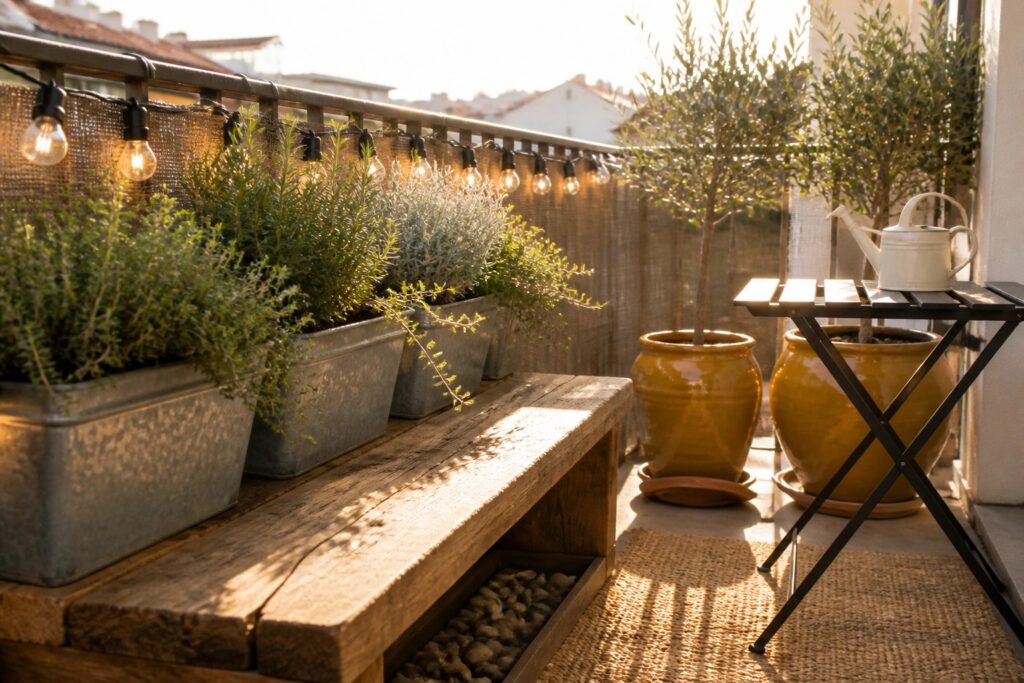
When I first tried container gardening on my narrow patio, the biggest surprise was how quickly poor placement made the whole space feel smaller than it already was.
Blank line
Plants that looked fine in photos ended up blocking the path to my chair or casting shade where I wanted morning light instead.
Blank line
I learned to test every spot by actually sitting there for a while before committing.
Blank line
Over the years the setups that lasted were the ones I could shift around without much effort when the weather changed or when friends came over.
Blank line
That practical side is what turns a few pots into a space that fits how I really live outside.
Mount Planters Along the Railing

Mounting containers along the railing is a simple way to add more plants without losing floor space. It turns an empty edge into growing room and still leaves room for a bench or chairs underneath.
This setup works best on balconies and small terraces where every inch counts. Use sturdy brackets, keep the pots fairly light, and water carefully so nothing drips onto the space below.
Use A Ladder Shelf For Vertical Pots
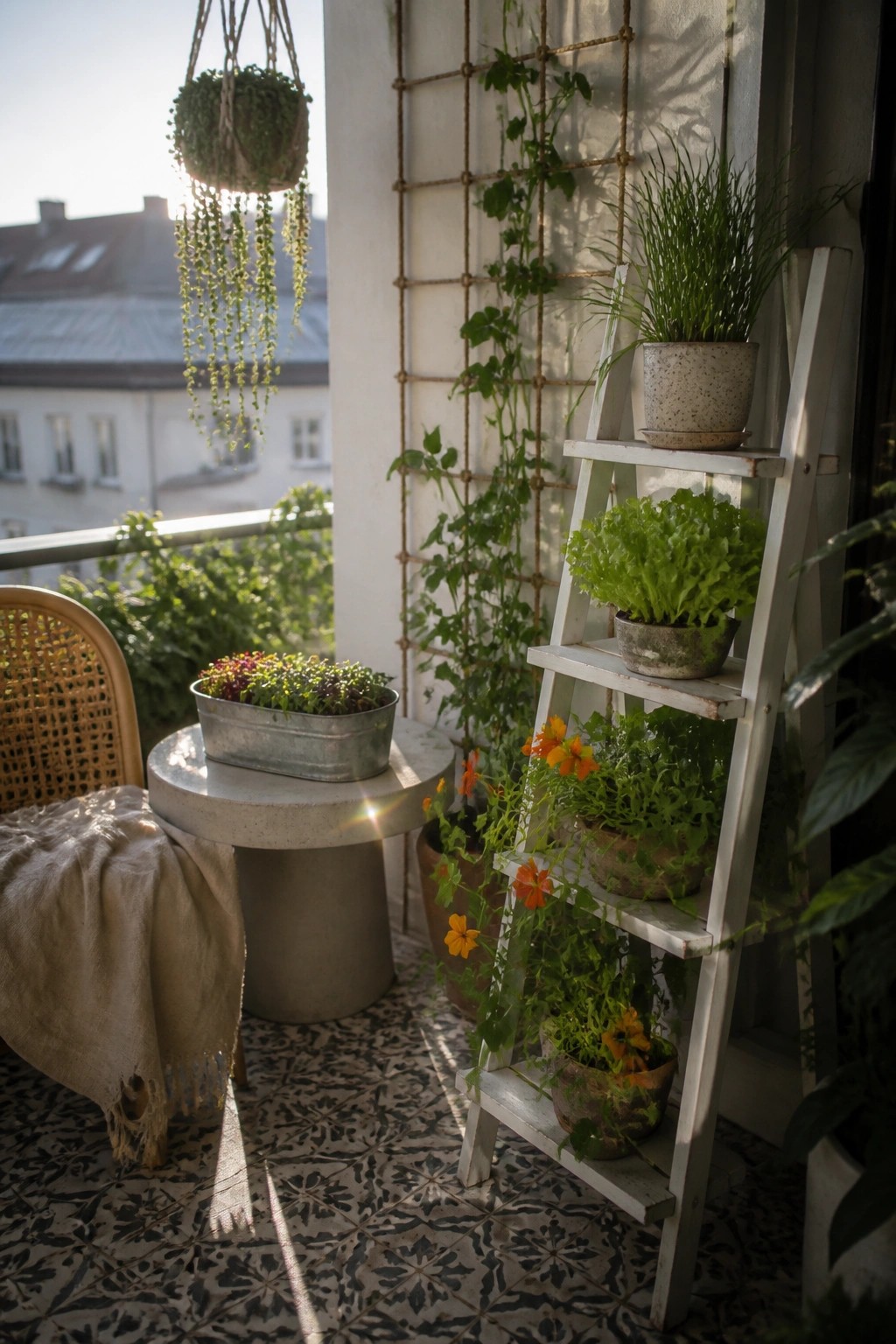
A simple wooden ladder turned into a plant shelf gives you several levels for containers without taking up much floor space. This works especially well on balconies where you want to fit more plants but still keep the area open for sitting.
It suits small outdoor spots best when placed against a wall so the steps can hold pots of different sizes. Keep the bottom clear for larger containers and use the upper rungs for lighter ones that need less water.
Wheeled Planters For Easy Movement
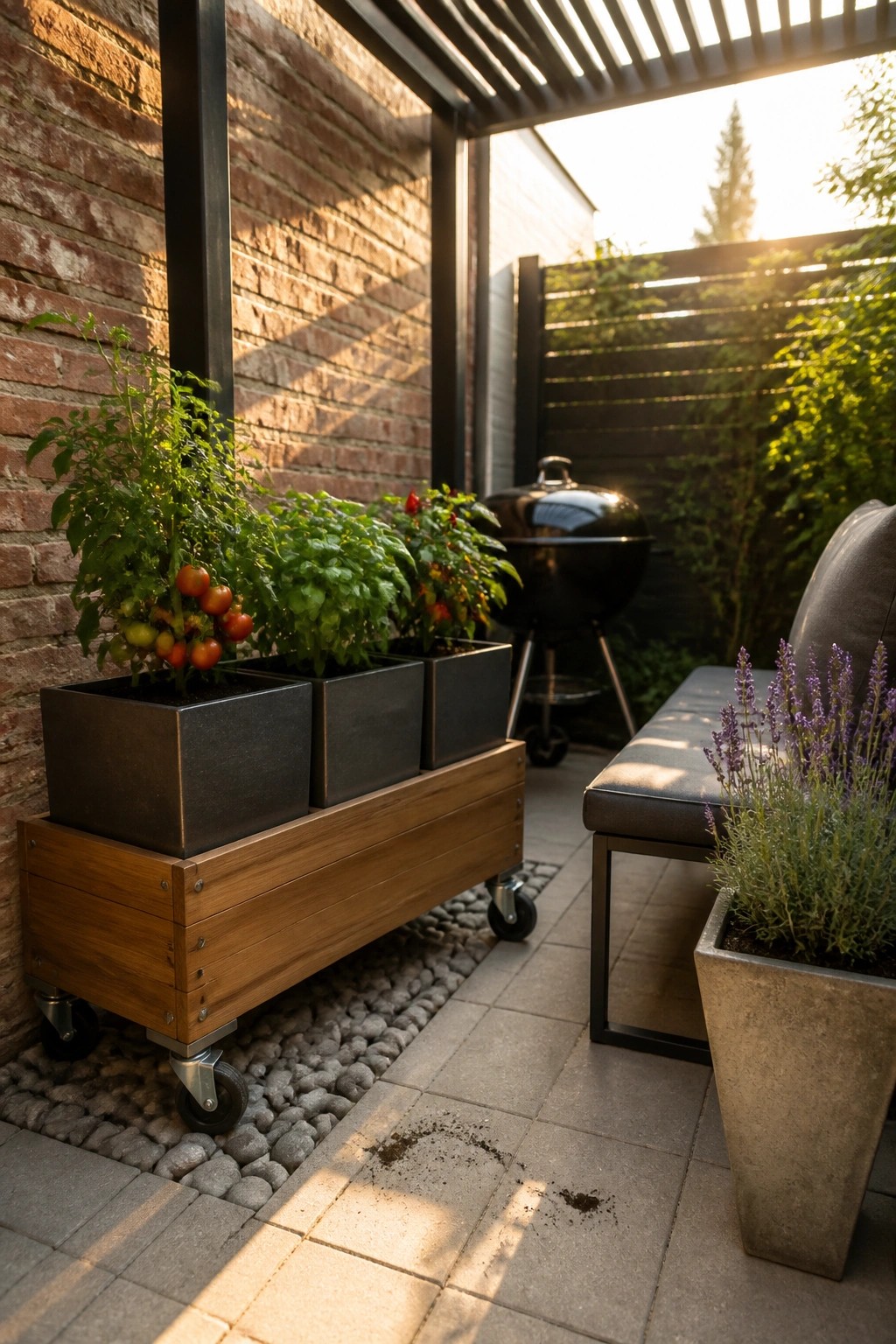
Wheeled planters give you a simple way to shift plants around without lifting heavy pots. On a small patio this matters because you can roll them into better sun or move them aside when you want more open space.
They suit decks and paved areas where permanent beds are not an option. Just check that the wheels lock and the wood frame can handle the weight once the soil is wet.
Place Pots Along Your Steps
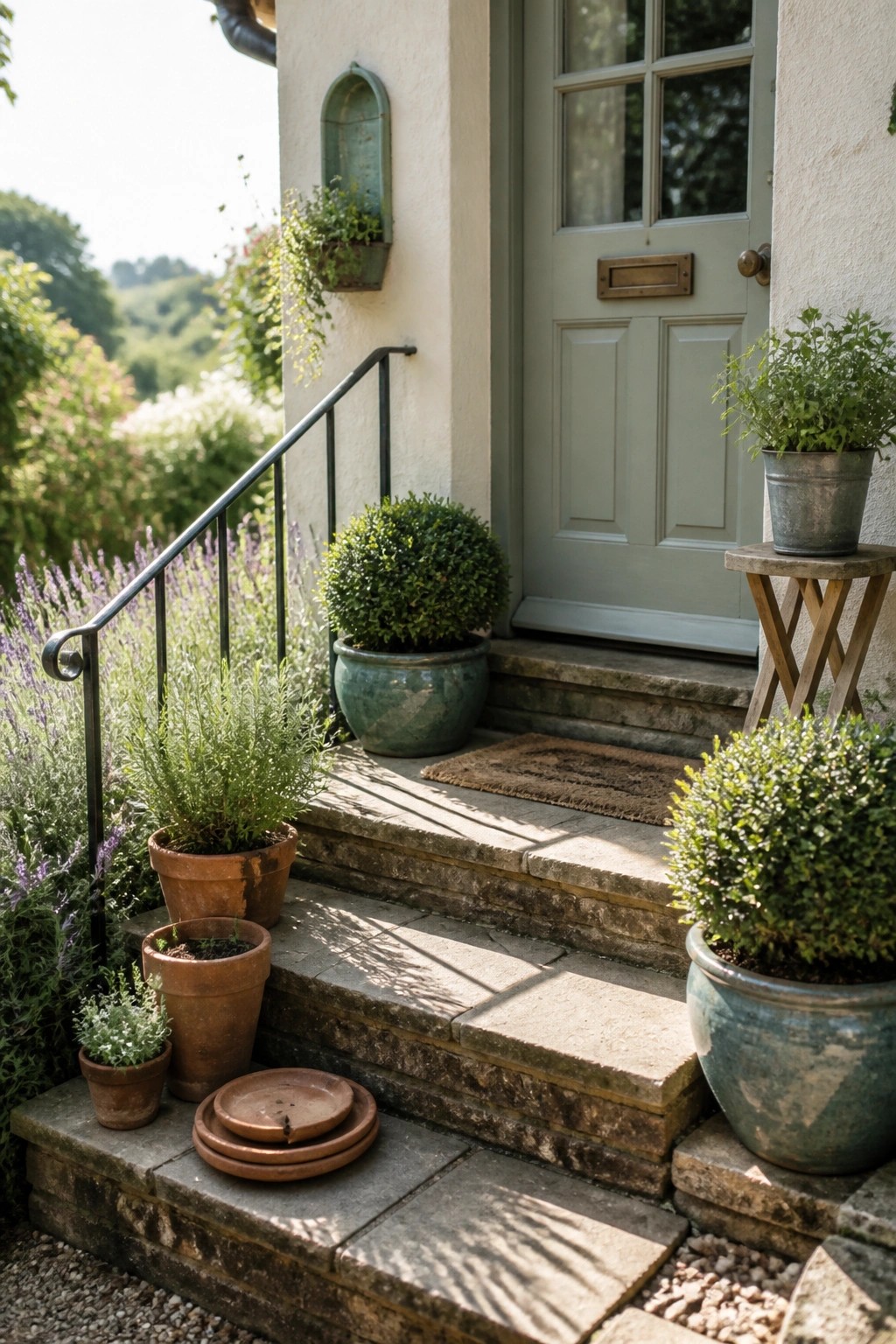
Putting a few containers on the front steps is one of the simplest ways to bring greenery right up to the door. It works well because the steps already give you different levels, so the plants feel layered without any extra building or big beds. The mix of terracotta and glazed pots in different sizes keeps things from looking too neat or planned.
This setup suits small entries or homes with limited ground space. Start with two or three larger pots at the bottom and work up to smaller ones higher on the steps. Just make sure nothing blocks the path or sits where it could tip over.
Hang Containers On Fences For Extra Planting Space

Narrow yards often run out of ground space quickly, especially along side paths or fences. Hanging containers on the fence itself adds another level of planting without crowding the beds or walkway below.
This setup works best on solid wood fences that can take the weight. Use lightweight pots and secure hooks, and pick plants that tolerate a little less direct sun if the fence casts shade.
Mix Floor And Wall Planters Together
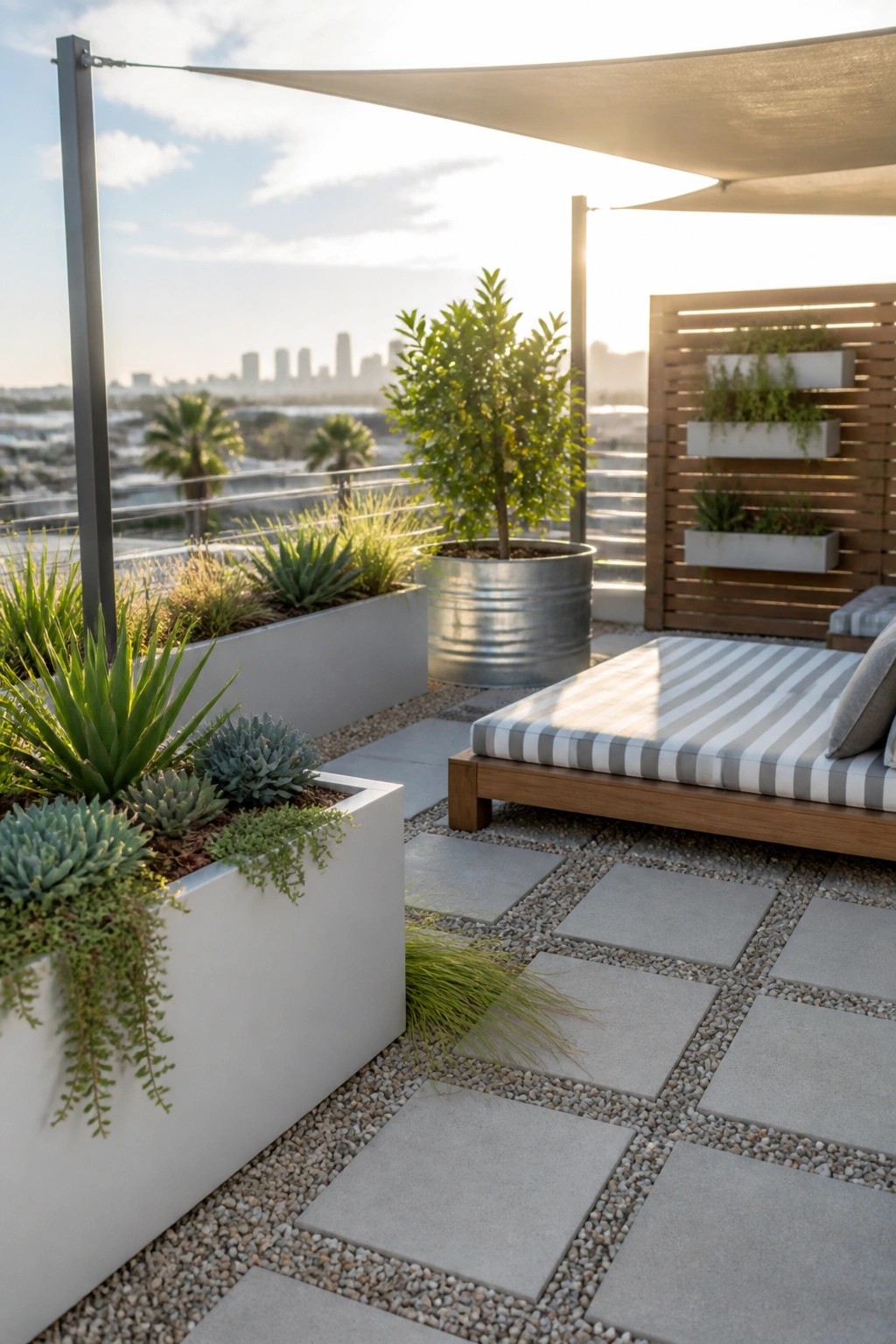
One easy way to fit more plants into a small terrace is to combine a few larger containers on the floor with some smaller ones mounted on a wall or screen. This approach keeps the main walking area open while still giving you room for a good mix of greenery without crowding everything at ground level.
It works well on rooftops or balconies where space is tight and you want to keep the floor clear for seating. Just make sure the wall or screen can support the weight, and choose planters that match the style of your outdoor furniture so the whole setup feels pulled together.
Turn an Old Pallet Into a Vertical Garden
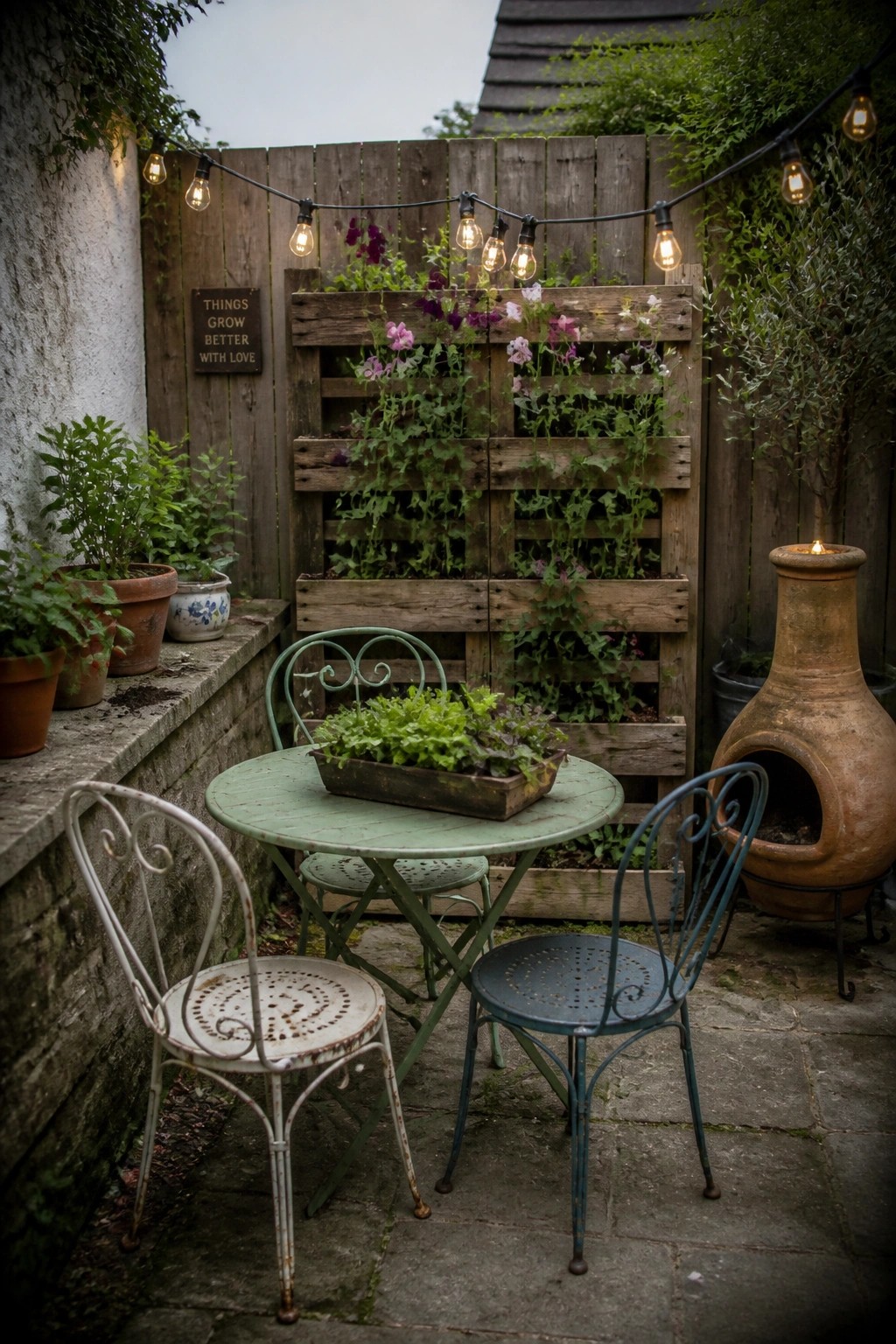
One easy way to add more growing room in a small yard is to mount a pallet planter on the fence. It lets you grow flowers or herbs upward instead of spreading pots across the ground.
This setup works best on patios or side yards where floor space is tight. Secure the pallet well and add a liner so the soil stays put through the season.
Railing Mounted Containers Maximize Balcony Space
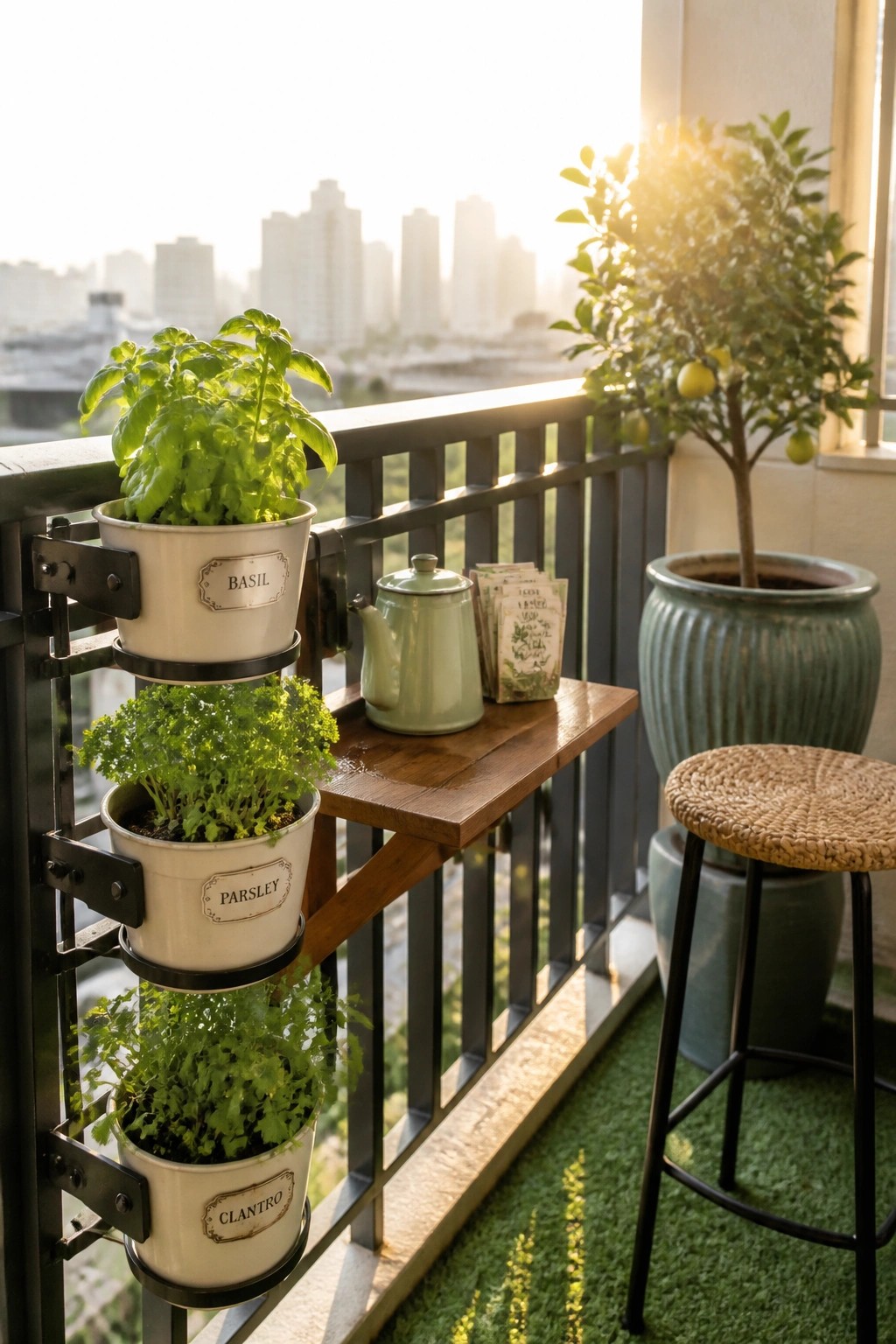
Mounting pots directly on the railing keeps the floor clear while still giving you room for several plants. This setup works especially well on narrow balconies where every inch counts. It also puts the plants at a comfortable height for watering and harvesting.
The approach suits apartment living and small outdoor areas that get decent sun. Stick with lighter pots and secure brackets so nothing shifts in wind. Grouping herbs together makes daily use simple and keeps the whole thing looking tidy.
Large Containers Add Height In Tight Spaces
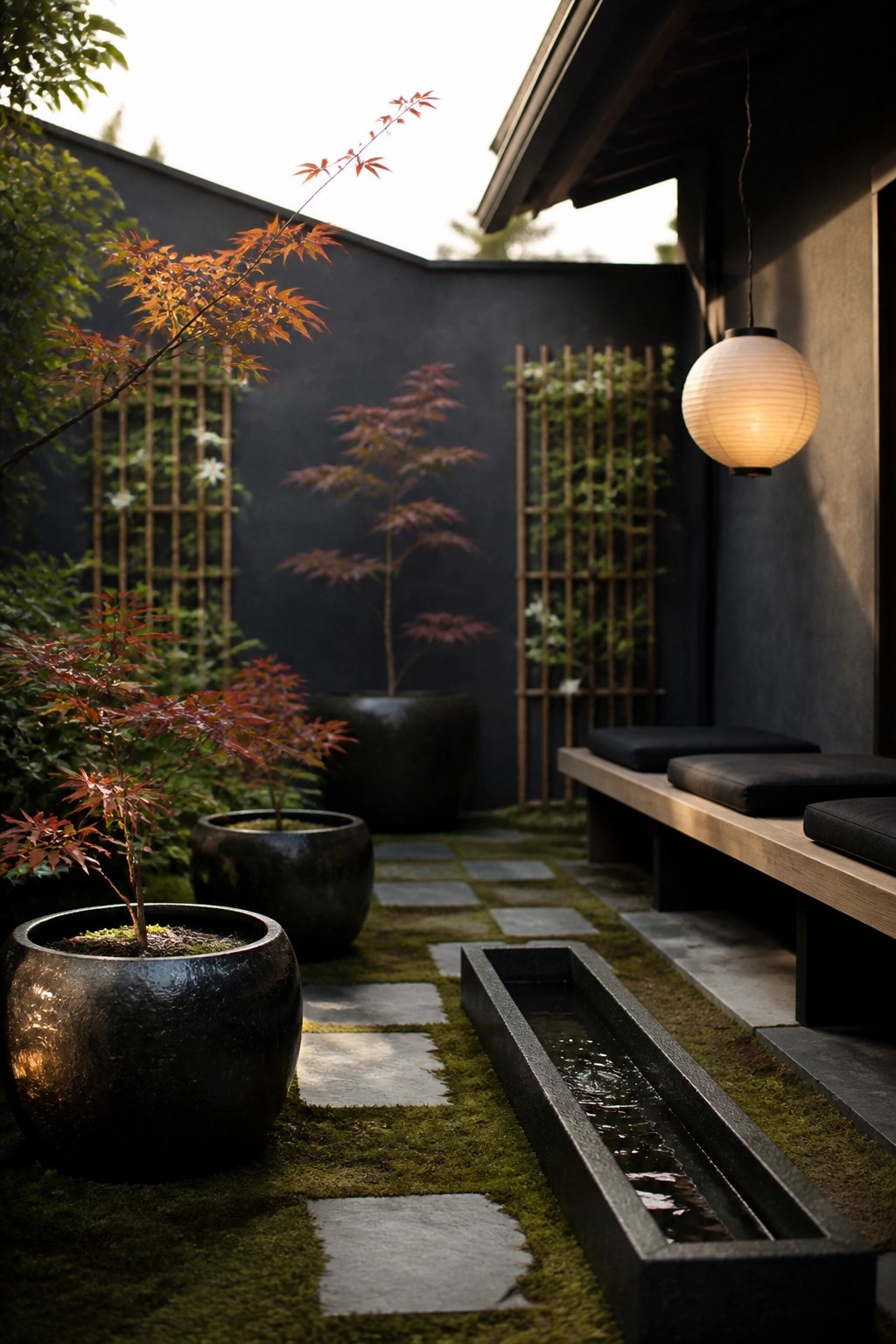
Large containers make it easy to bring trees and taller plants into a small courtyard without needing much ground space. They create layers and structure that keep the area from feeling flat or cramped.
Group a few oversized pots along a path or near seating to guide movement and soften walls. This setup suits urban yards or paved areas where permanent beds are not possible.
Mount Crates On The Wall For Vertical Growing
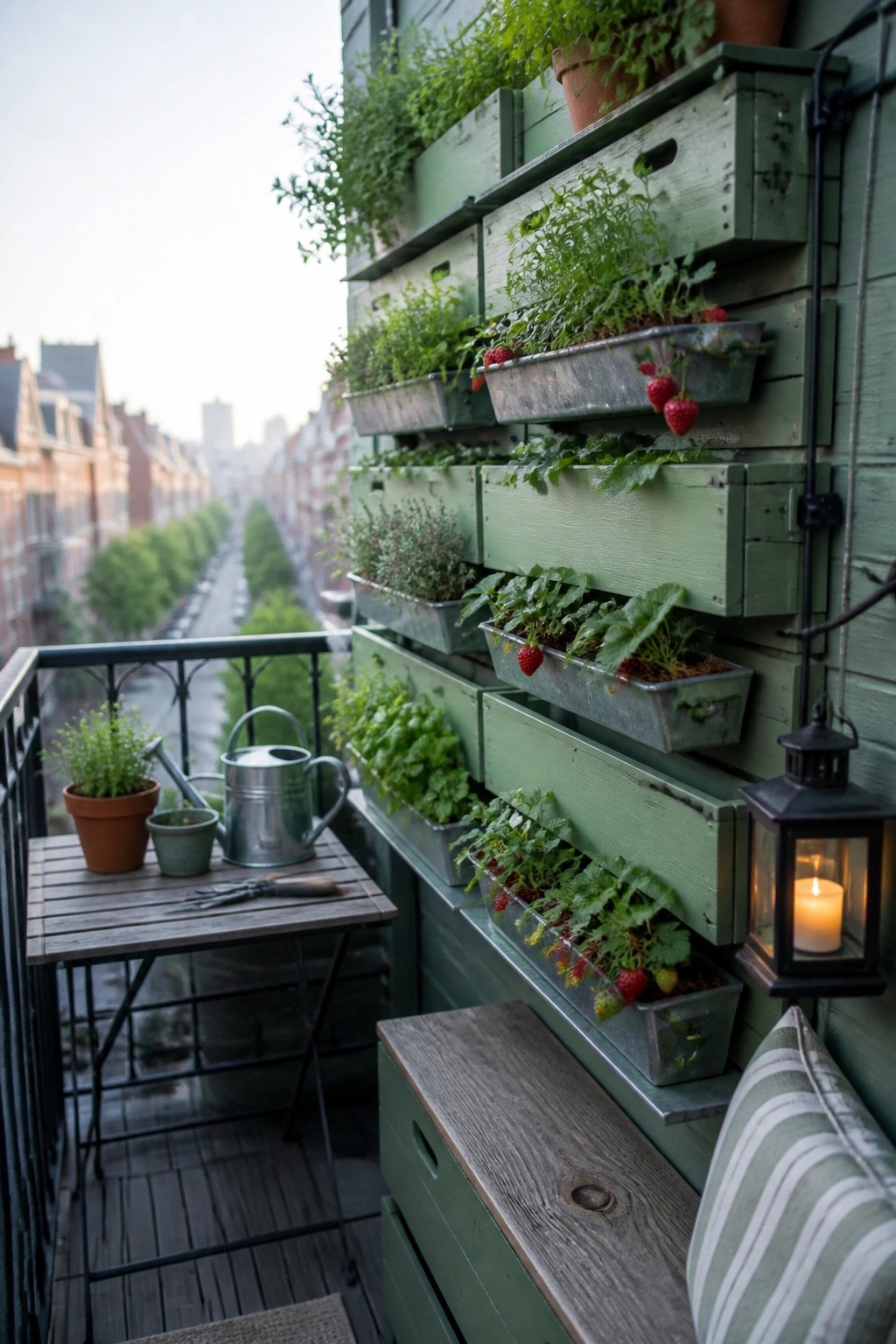
Small balconies often run out of floor space fast, which makes it hard to grow much without crowding the area. Mounting wooden crates or boxes straight onto the wall turns that unused vertical space into room for herbs, strawberries, and greens while keeping the deck clear for a table and chairs.
This setup works best on balconies or narrow patios where you want more plants but cannot spread out. Secure the crates well, use lightweight containers, and water carefully so drips do not run down the wall.
Line Paths with Mixed Containers
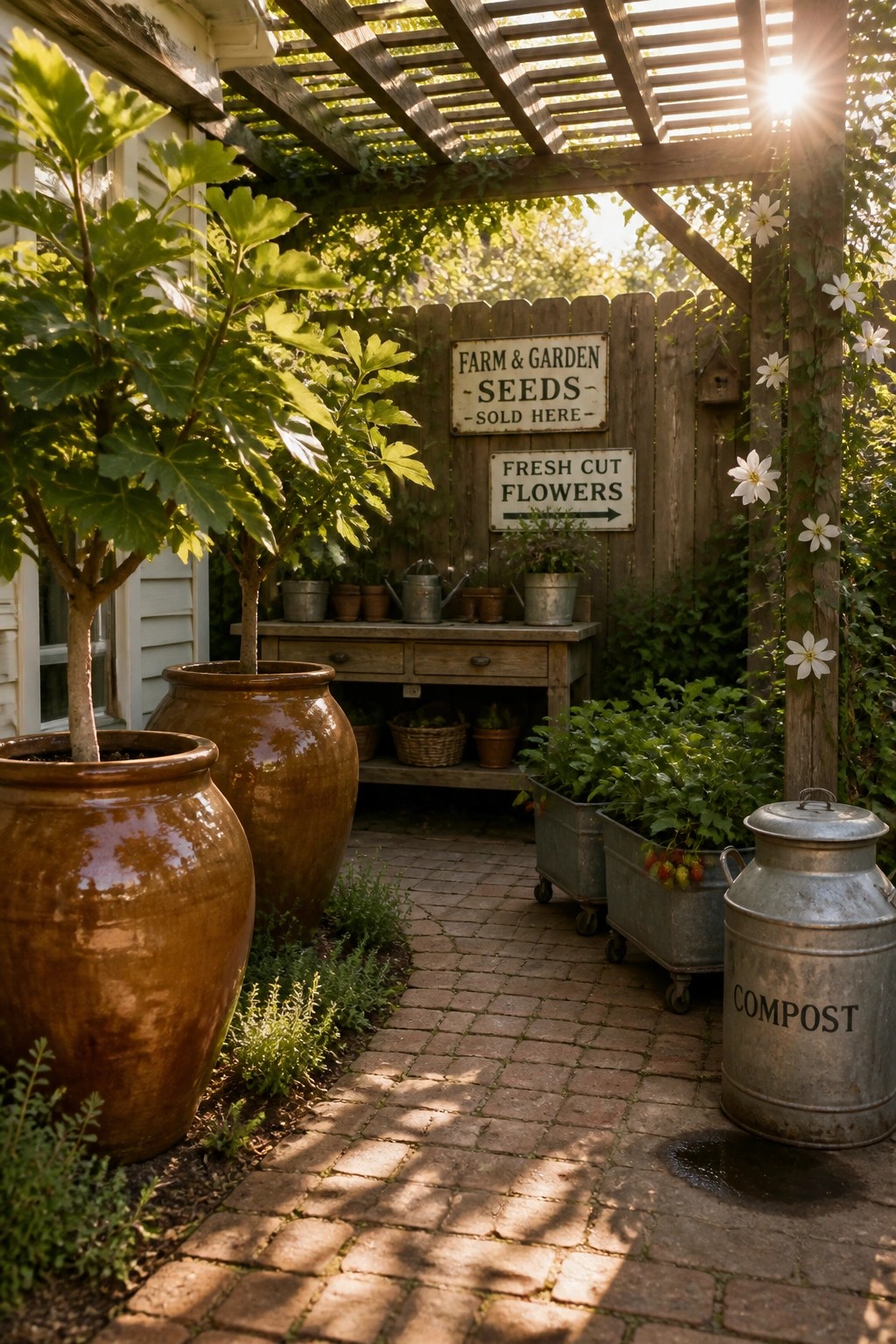
Many people like lining a narrow path with containers because it turns unused edges into growing space without needing big beds. Large pots, metal tubs, and bins on wheels let you pack in more plants while keeping the walkway clear.
This setup works best in side yards or small back gardens where space is tight. Use a few oversized pots for bigger plants and wheeled bins for herbs or vegetables so you can roll them into sun or shade as the seasons change.
Combine Floor Pots And Wall Planters
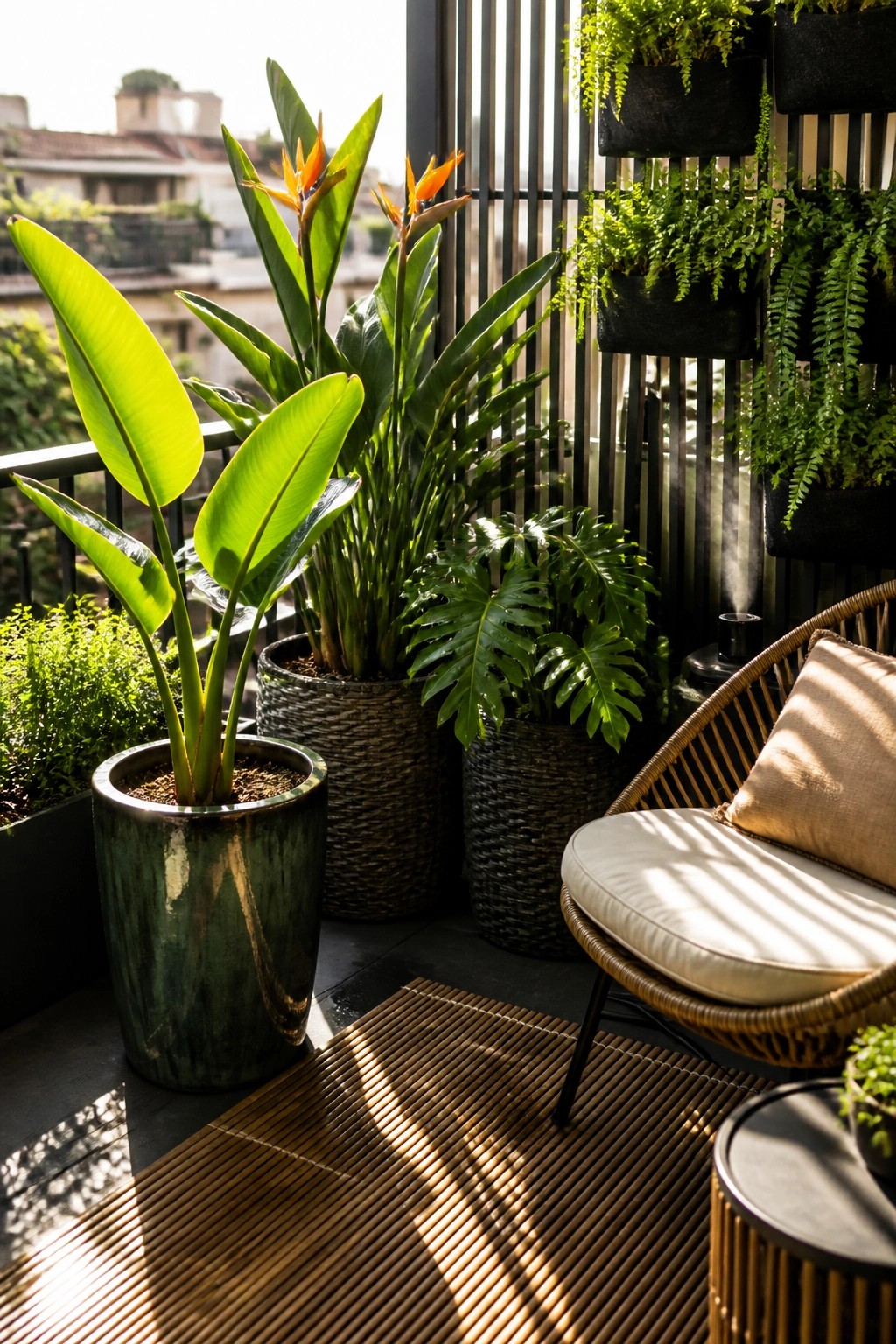
Mixing large floor pots with wall-mounted planters gives you a lot more growing space without crowding the floor. The big pots hold bigger plants that need room for roots, while the wall units let you tuck in ferns and smaller greenery up high where they still get light.
This setup works especially well on balconies or small patios where floor space is limited. Keep the wall planters in a darker material so they blend into the background, and choose pots in a few different sizes so the whole area feels full but not cramped.
Mount Planters On A Wall For Vertical Growing

Many small yards run out of ground space quickly, so mounting planters on a fence or wall gives you extra room without crowding the ground. Rows of boxes let you grow different crops at easy heights while keeping everything together in one spot.
This approach works best on a sunny wall that you can reach for daily care. Make sure each box drains well and stays secured, especially if you add heavier soil or taller plants over time.
Pollinator Pocket Gardens In Containers
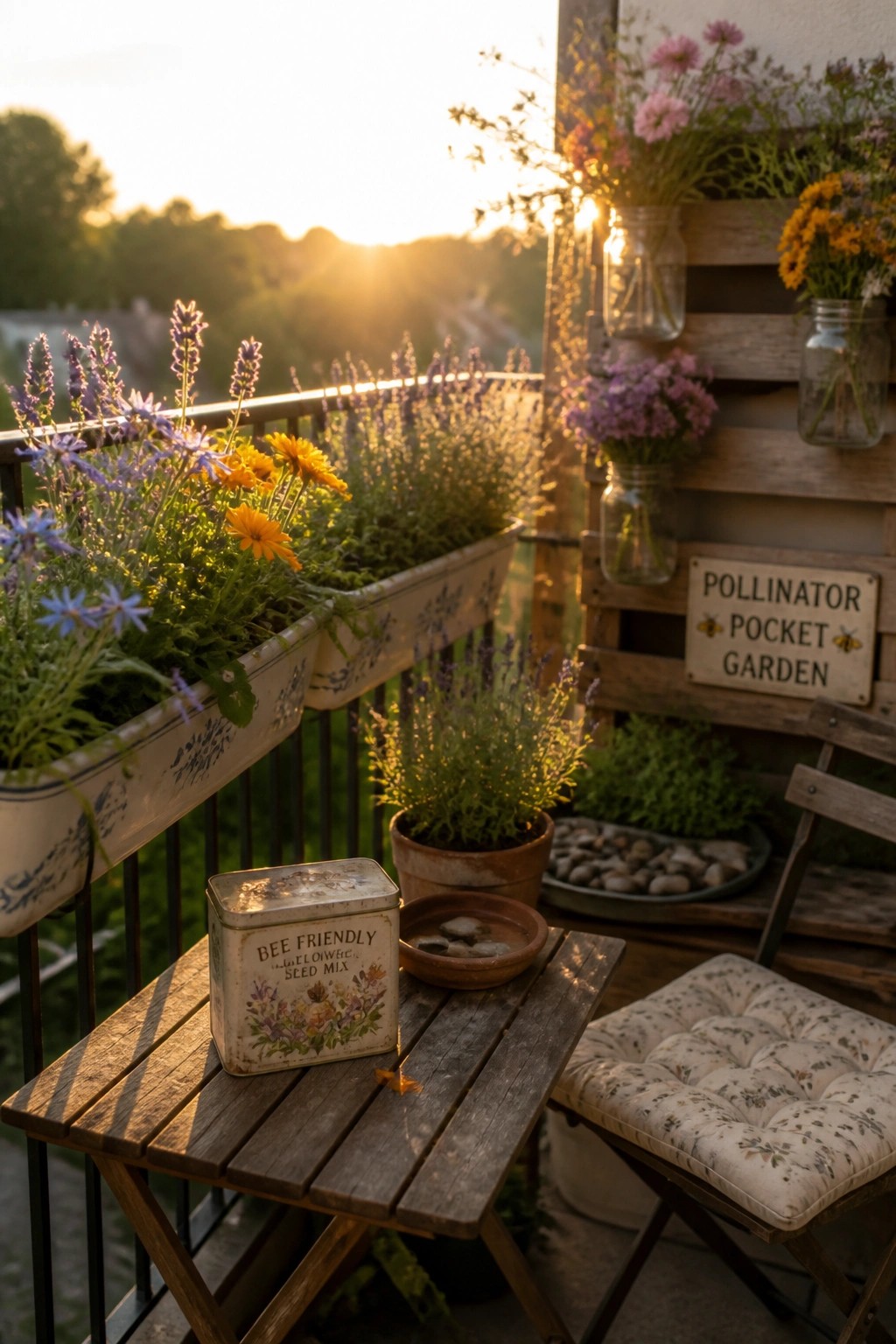
Many people are adding small pollinator gardens to their balconies by grouping containers in one area. This keeps the space useful for bees and butterflies even when there is no ground to plant in.
A wooden pallet mounted on the wall works well for holding extra jars and pots at different heights. It suits urban balconies or tiny patios where every inch counts and lets you change the plants easily with the seasons.
Use Tall Containers With Trellises for Vertical Growing
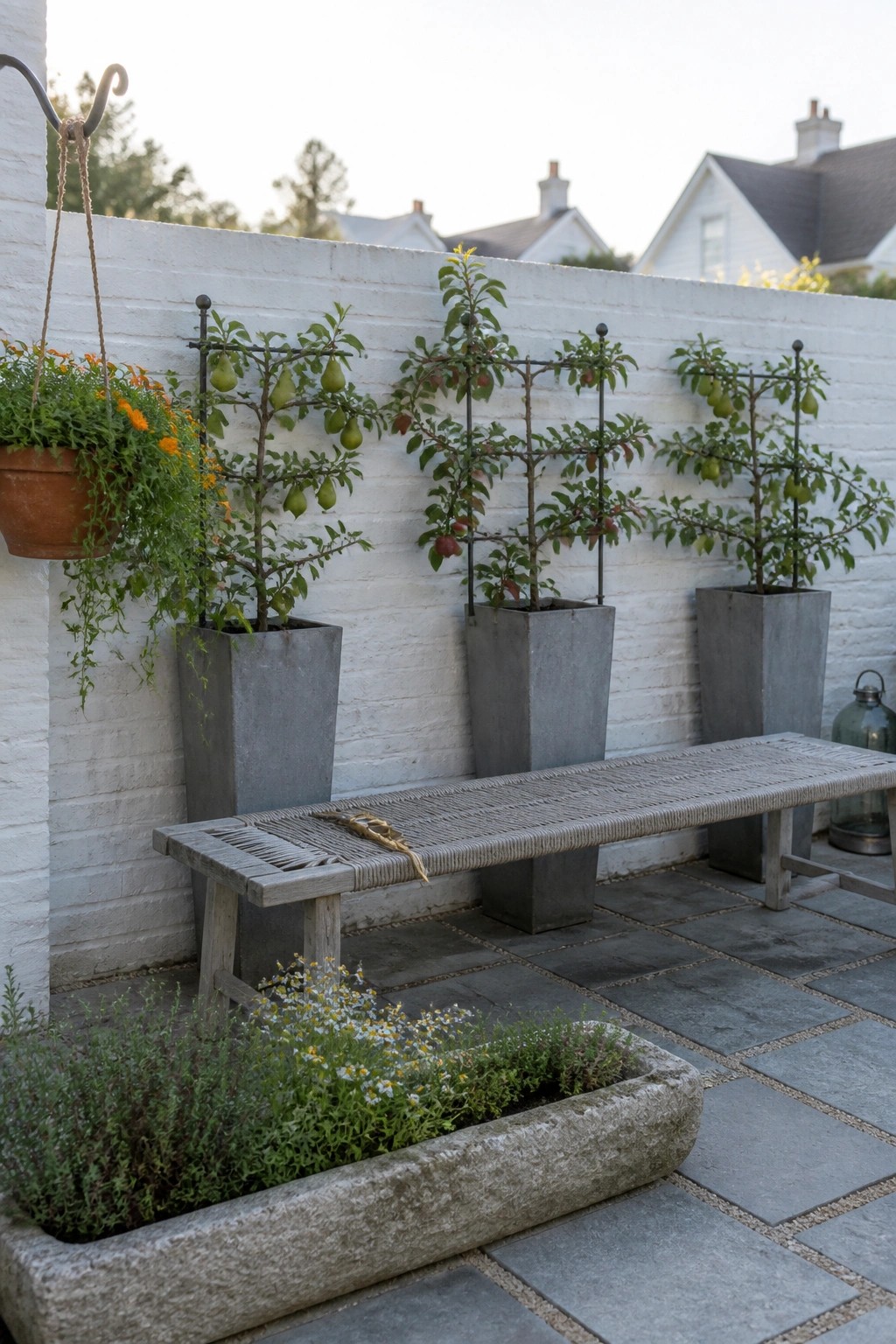
Small outdoor spaces often lack room for spreading plants, so tall containers with built-in trellises offer a simple fix. They let you grow fruit trees or climbers straight up against a wall instead of taking up floor space.
This approach works best on patios or balconies with a solid backing like brick or fencing. Pick narrow, sturdy pots that can handle the weight and choose plants that tolerate pruning and training on a frame.
Vertical Towers For Narrow Outdoor Spots

Vertical towers let you grow a surprising amount of food without taking up much floor space. In tight patios or side yards, these stacked planters turn empty vertical areas into productive growing spots while keeping the walkway clear.
They work especially well on paved surfaces where in-ground beds are not an option. Place them along a wall or fence, choose a sunny location, and water from the top so it trickles down through each level. Just watch that the towers stay stable in wind.
Line A Narrow Path With Metal Planters
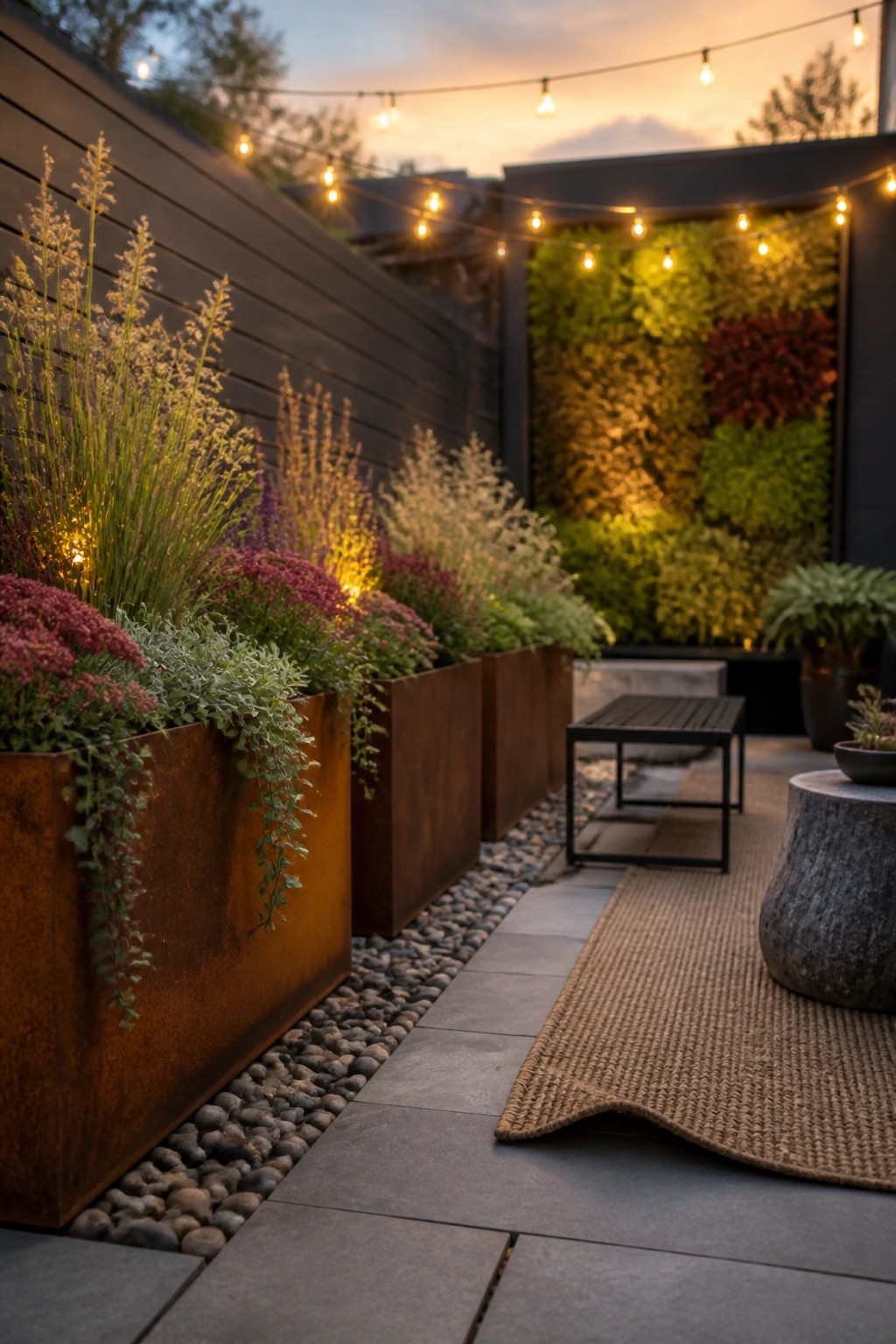
Large metal planters give you a simple way to add plants along a tight walkway without needing to build raised beds. They keep the path clear while still bringing in height and texture through a mix of grasses and trailing greens.
These containers suit small urban yards or side areas where soil is limited. Set them on gravel or pavers so water drains well, and choose a few repeating plant types to keep the look from feeling scattered.
Group Containers on a Simple Table
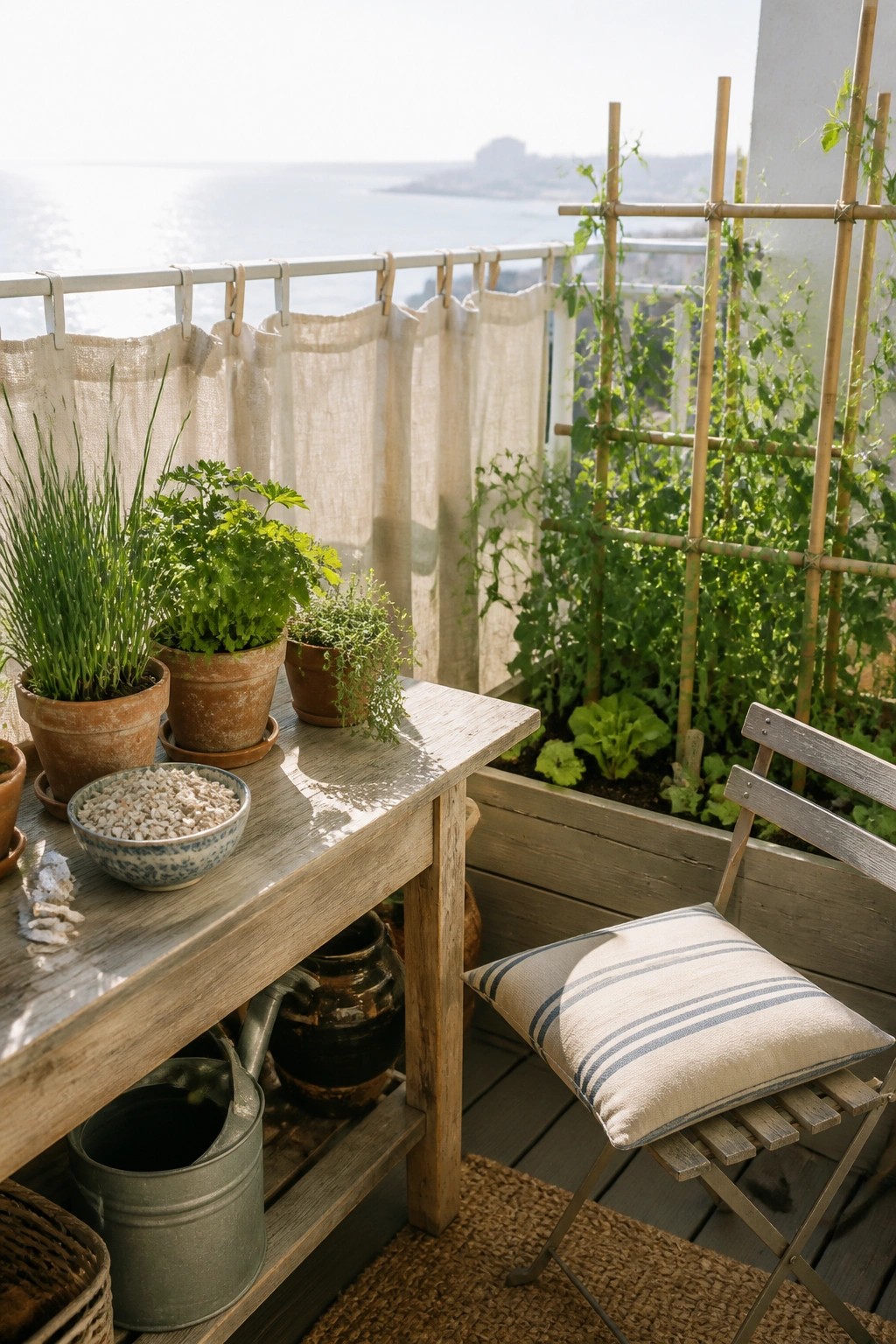
Placing several pots together on one table makes a small balcony feel more organized and easier to care for. You can move things around as needed, water everything in one spot, and keep herbs or small vegetables within reach without taking over the floor.
This works best on balconies or narrow decks where space is tight. Choose a sturdy table that can handle the weight, and leave a little room between pots so air can move around the plants.
Group Containers Along a Path
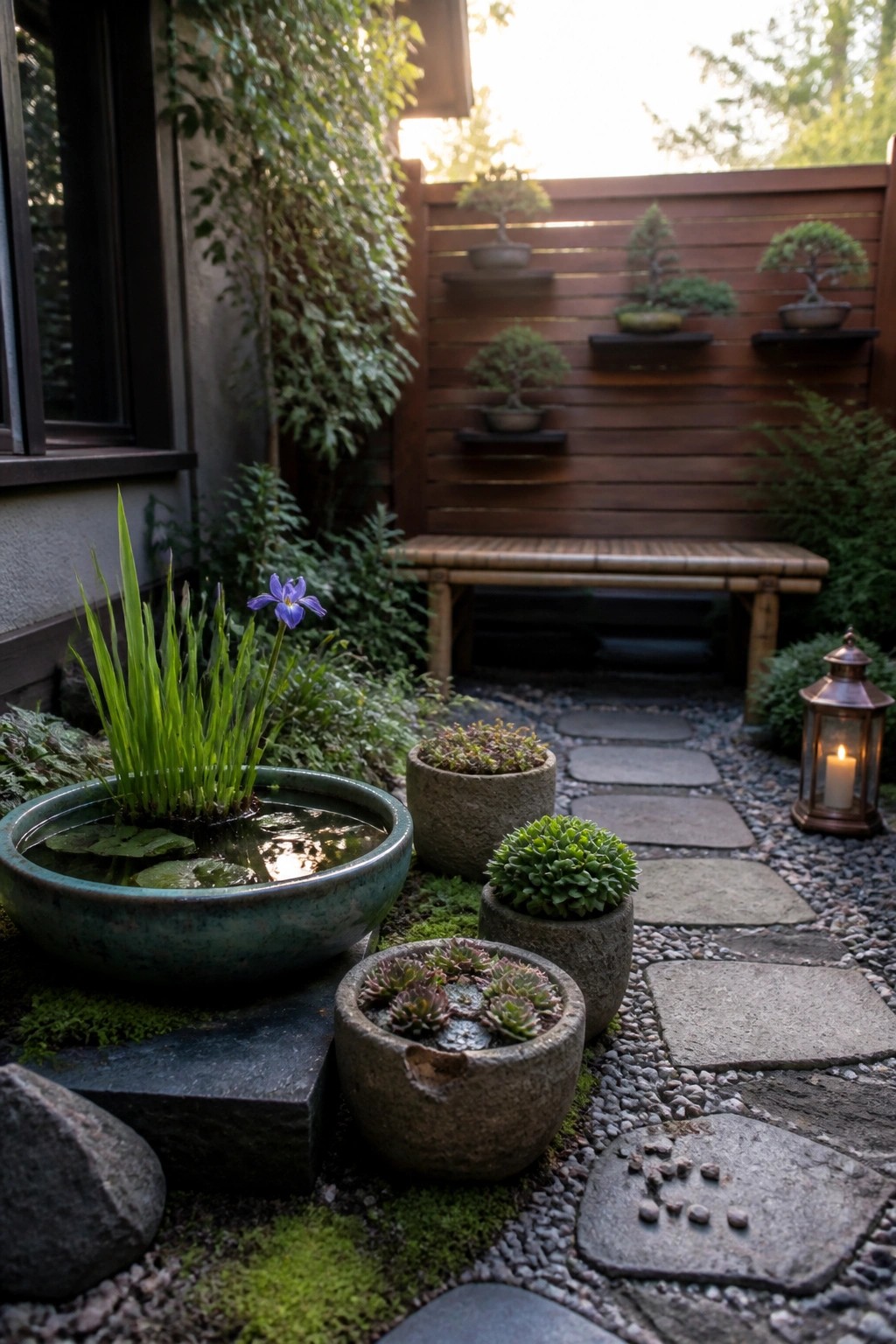
Many small outdoor spaces feel more put together when containers line a simple path. The pots create structure without needing built beds or permanent changes, and you can shift them as plants grow or seasons change.
This approach works best in narrow side yards or gravel corners where a full garden would crowd the area. Mix a few larger bowls with smaller pots so the line stays varied but easy to maintain, and keep the path clear for walking.
Frequently Asked Questions
Q: Can I really grow tomatoes in a small container on my patio? A: Choose a compact variety and give it a pot at least twelve inches wide. Water whenever the top inch of soil feels dry and feed it monthly with a balanced liquid fertilizer. One healthy plant can still give you a handful of tomatoes through the summer.
Q: How do I keep the soil from drying out so fast in hot weather? A: Mix in some water retaining crystals when you plant. Water early in the morning so the roots get a good drink before the heat hits. A thin layer of mulch on top helps hold moisture longer too.
Q: What works if my balcony only gets morning light? A: Leafy greens and herbs will still grow fine with just a few hours of sun. Place the pots where they catch the brightest part of the day and turn them every few days so growth stays even.
Q: Do I need to bring everything inside for a light frost? A: Move tender plants against the house wall or under an overhang the night before. Most hardy herbs and greens can handle a quick dip near freezing.
