


When I lay out a garden I always notice how the height of the beds affects whether I keep tending them after the first busy month.
Raised beds at waist level let you work without kneeling on damp ground or reaching awkwardly across wide planks, which changes how the whole space gets used day to day.
Paths between the beds need to stay clear for a cart or a chair, and the soil depth has to hold moisture without drying out too fast in summer heat.
I have watched low beds turn into a chore once plants fill in and the edges start to crumble.
A couple of the builds here look worth sketching onto my own yard to see how the spacing would work with the existing slope.
Raised Beds At A Comfortable Height
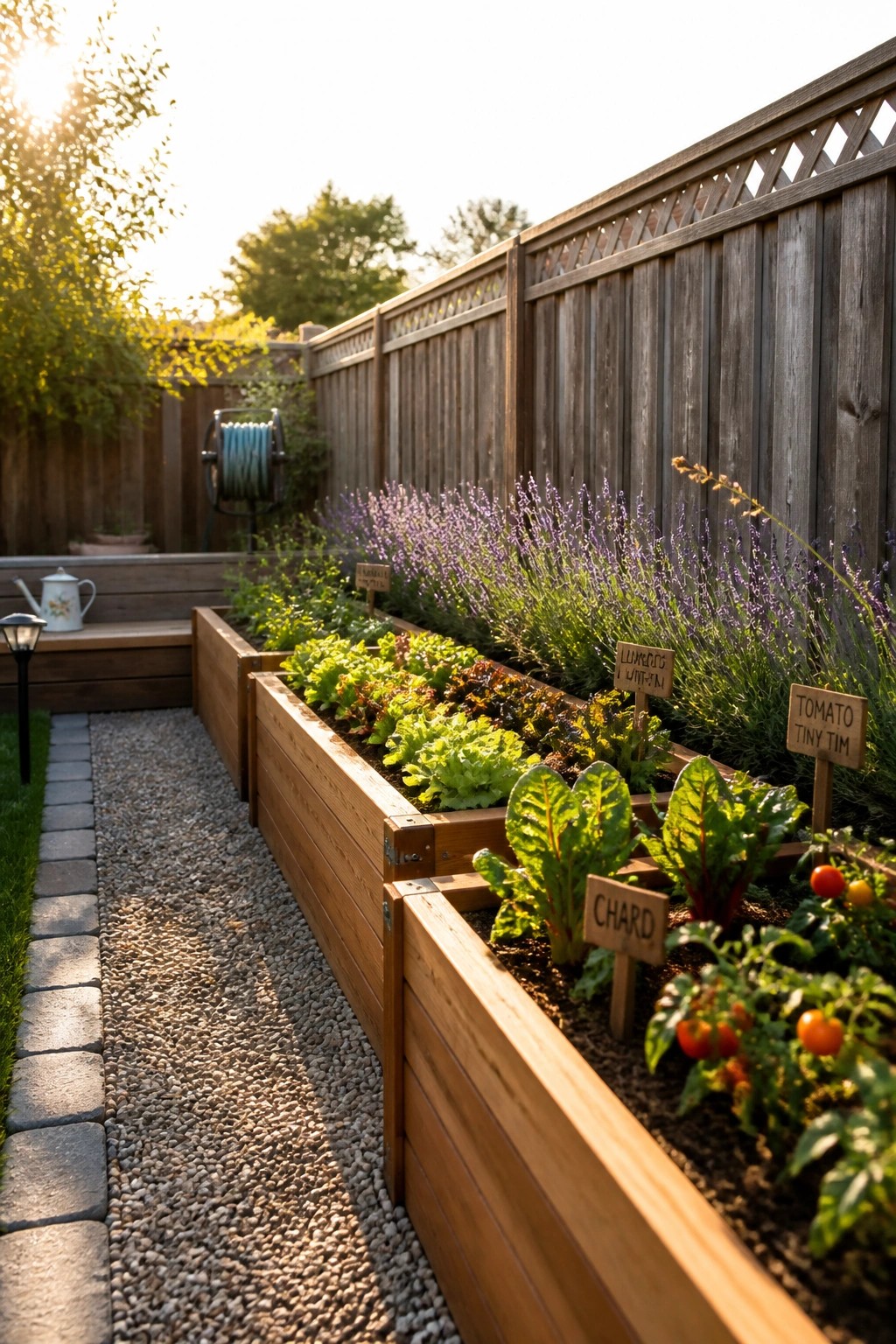
Raised beds built at waist height let you work without bending or kneeling for long periods. This approach makes regular garden tasks easier on the back and knees, which is why many people choose them for daily maintenance.
Wood frames like the ones shown here fit well along a fence and keep the soil contained at a steady level. They work best in smaller yards or narrow side spaces where you want productive beds without taking up much room.
Stone Terraces Keep Raised Beds At A Good Height
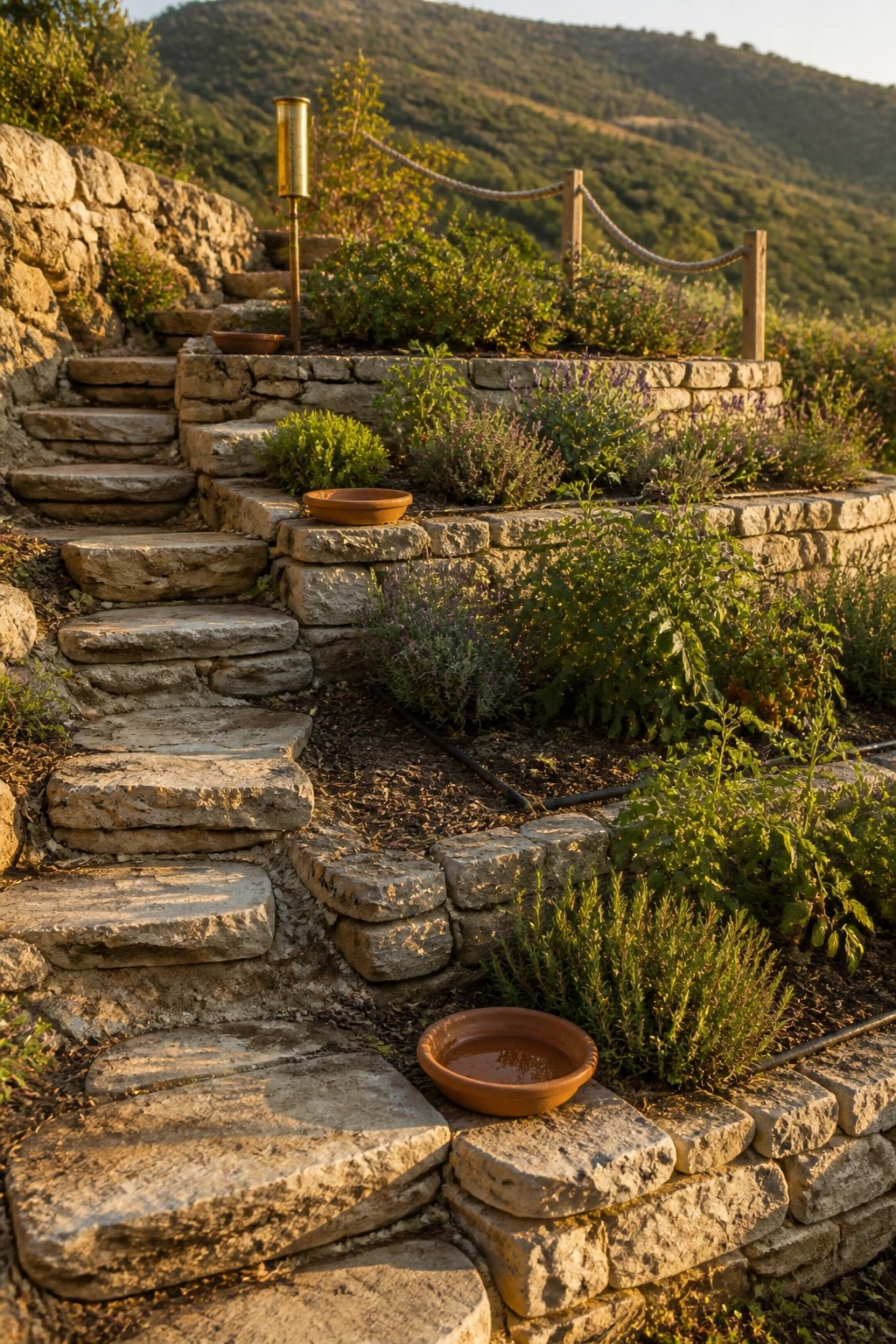
Stone walls stacked into terraces let you build raised beds on a slope without hauling in extra soil or lumber. The stone holds everything in place and creates planting areas that sit higher than ground level, so you spend less time bending over to weed or harvest.
This approach works well on hillsides or uneven yards where flat beds would need a lot of leveling. Keep the top of the wall around waist height where you reach most often, and use wider stones on the lower courses for stability. The stone also blends into the landscape over time and needs little upkeep once the plants fill in.
Raised Metal Beds Keep Gardening Comfortable
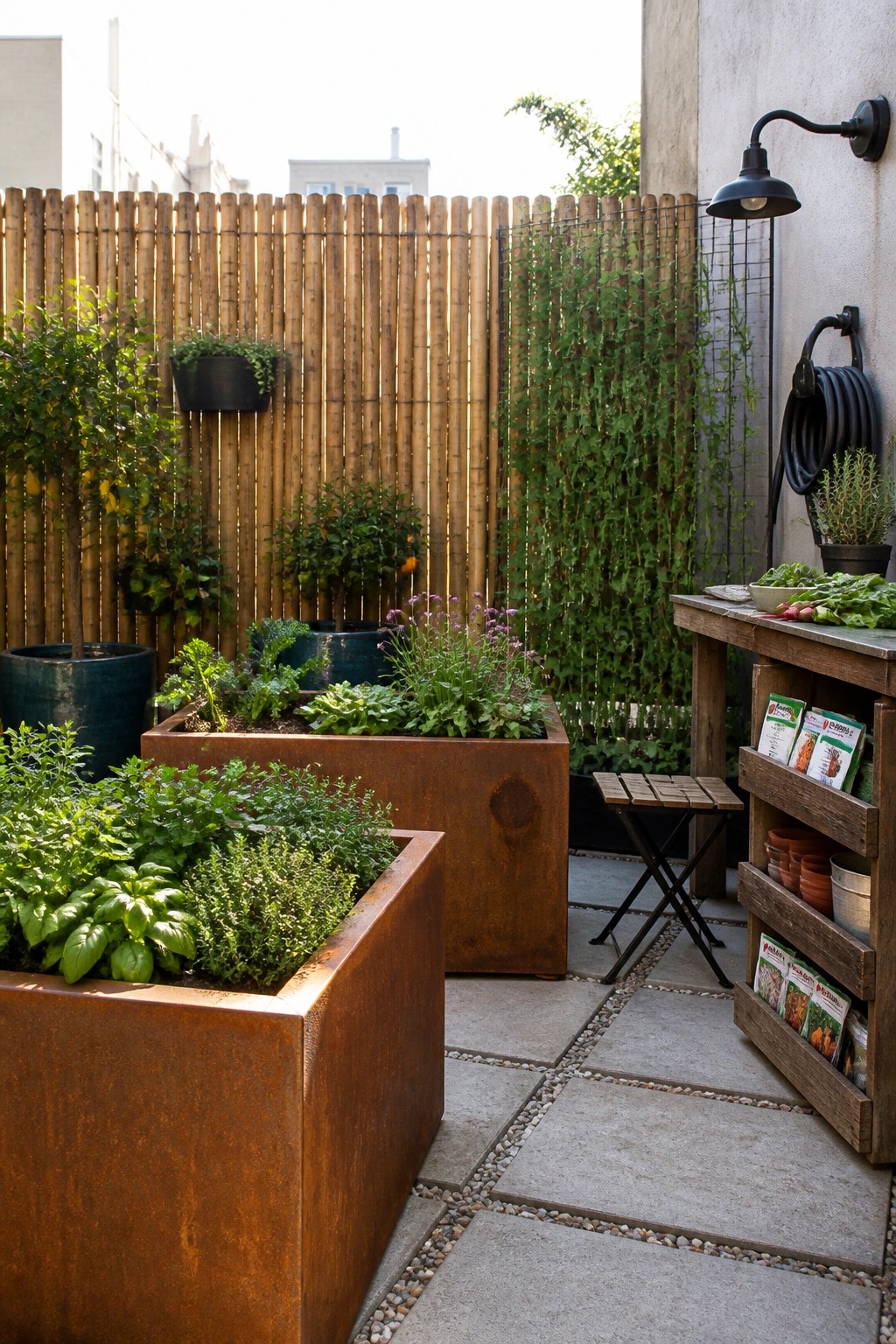
Many gardeners like waist-high beds because they reduce the need to bend or kneel during daily tasks. Metal versions hold their shape well and give a clean edge that works on paved surfaces without looking temporary.
These beds suit smaller yards or patios where space is limited and soil quality needs improvement. Choose a width that lets you reach the center easily from either side, and allow room around the beds for a chair or stool if you prefer to sit while working.
Waist-High Raised Beds Simplify Maintenance
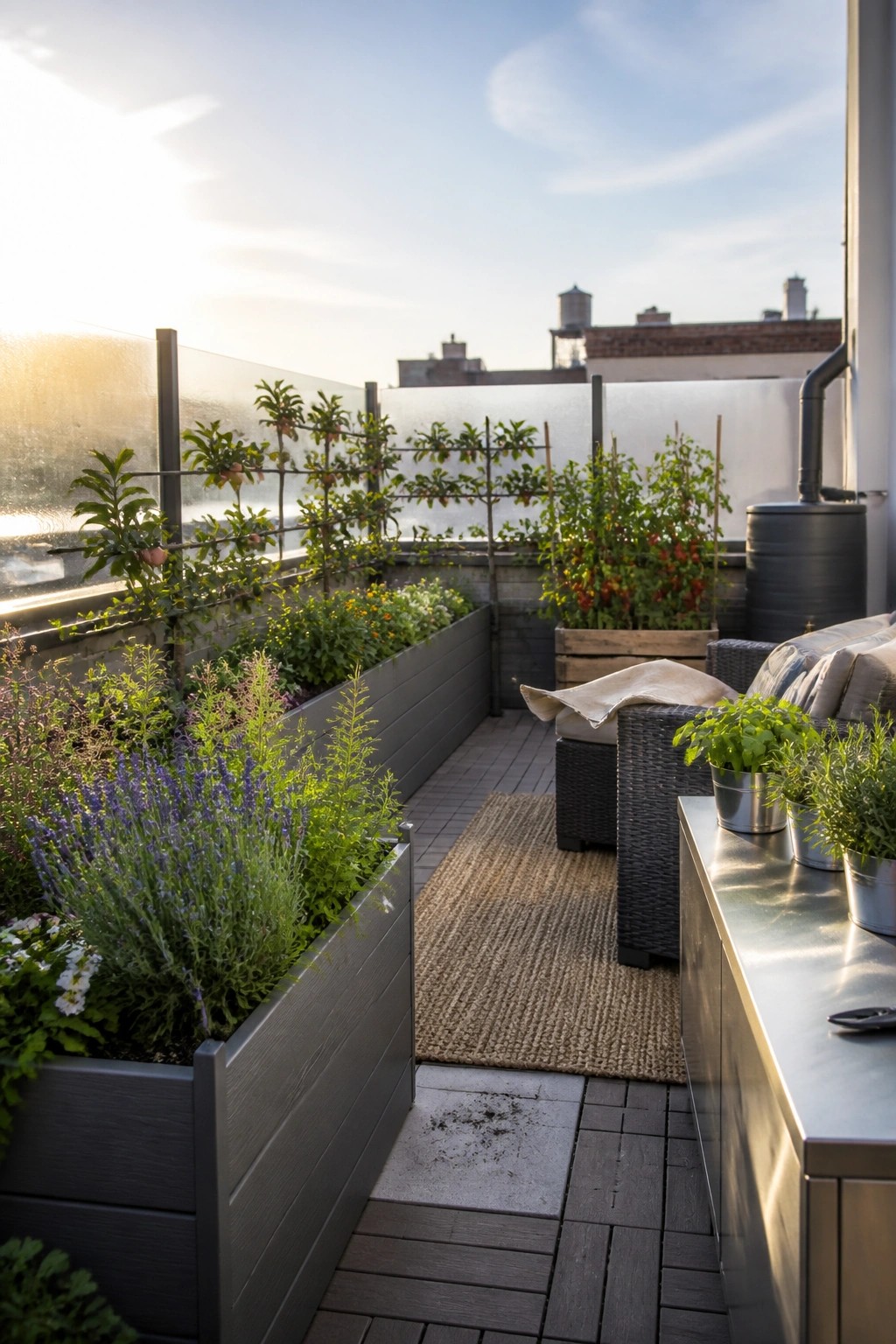
Raised beds built to waist height let you reach plants without bending or kneeling much at all. That small change makes watering, weeding, and harvesting feel easier on the back, especially during longer sessions.
They fit well on rooftops, decks, or patios where ground soil is not an option. Use sturdy materials and keep the width narrow enough to reach across without strain.
Raised Beds Along Paths Simplify Garden Care

Placing waist-high raised beds along a walkway brings the plants up to a comfortable height. This makes weeding, watering, and harvesting much easier without constant bending or kneeling on the ground.
The approach works well in smaller yards or along entry paths where you want a clear route but still need room for flowers or herbs. Keep the beds narrow enough to reach across and use simple materials like wood so the whole setup stays low-maintenance over time.
Waist-High Raised Beds Make Harvesting Easier

Raised beds built to waist height let you tend plants without constant bending or kneeling. This height keeps the work comfortable for longer sessions and makes it easier to spot weeds or harvest vegetables quickly.
The design works especially well in smaller yards or for anyone who wants to garden without strain. Add a simple bench along one side so you have a place to sit while you work, and keep the bed width narrow enough to reach across from either side.
Waist-High Raised Beds For Easier Reach
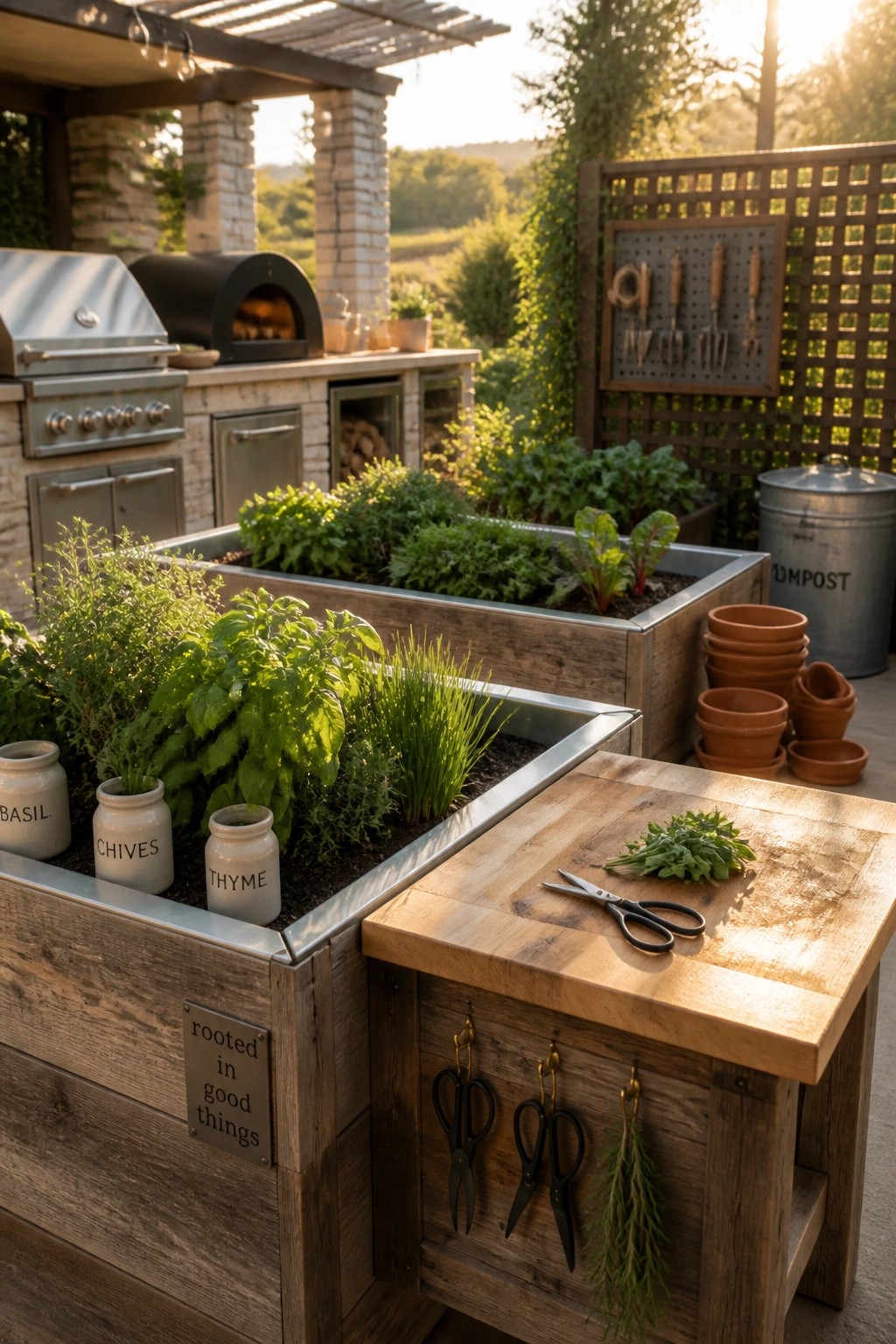
Raised beds at this height let you tend plants without constant bending or kneeling. The design works well for anyone who wants to garden longer without strain on the back or knees. Wood sides with a metal lip give the beds a finished look while keeping the soil contained at a practical level.
This approach fits small yards or patios where space is limited and access matters. Place the beds near a water source and tool storage so daily care stays simple. Make sure the width stays narrow enough to reach the center from either side.
Waist-High Raised Beds Keep Gardening Comfortable
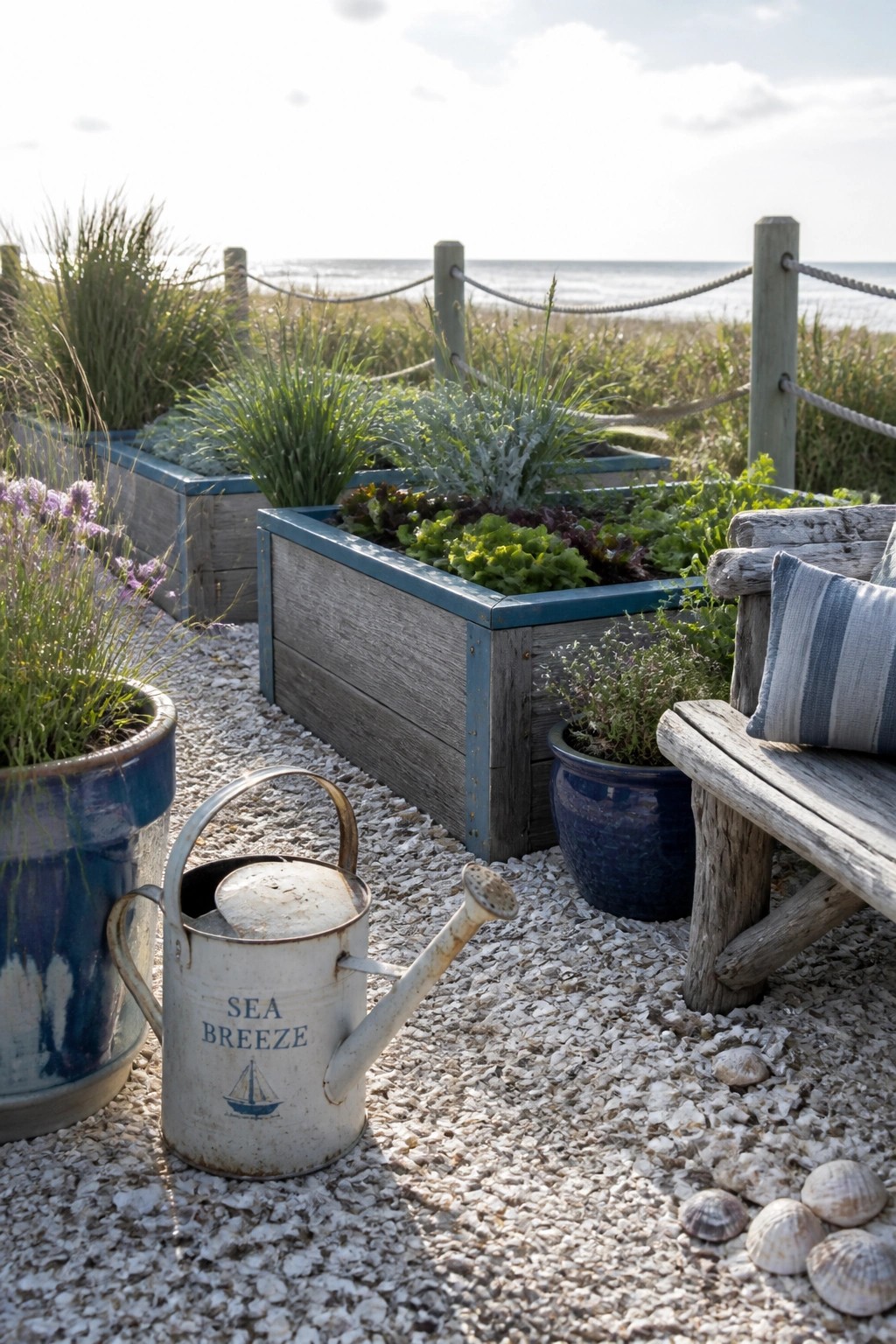
Raised beds built at waist height let you reach plants without bending or kneeling for long periods. This height works especially well if you garden often or want to avoid strain on your back and knees.
Set them on gravel or a similar surface so water drains well and you can move around the beds easily. Wood frames hold up outdoors and can be finished to blend with nearby seating or fencing.
Raised Beds At Waist Height For Smaller Yards

Many people like waist-high beds because they let you work without kneeling or bending down each time. The soil stays within easy reach, so routine tasks like watering and trimming feel less tiring over time.
These beds suit smaller yards or anyone who wants to keep gardening as they get older. Set them along a path so you can stand beside them and tend the plants without extra effort or special tools.
Waist High Pots Simplify Garden Upkeep
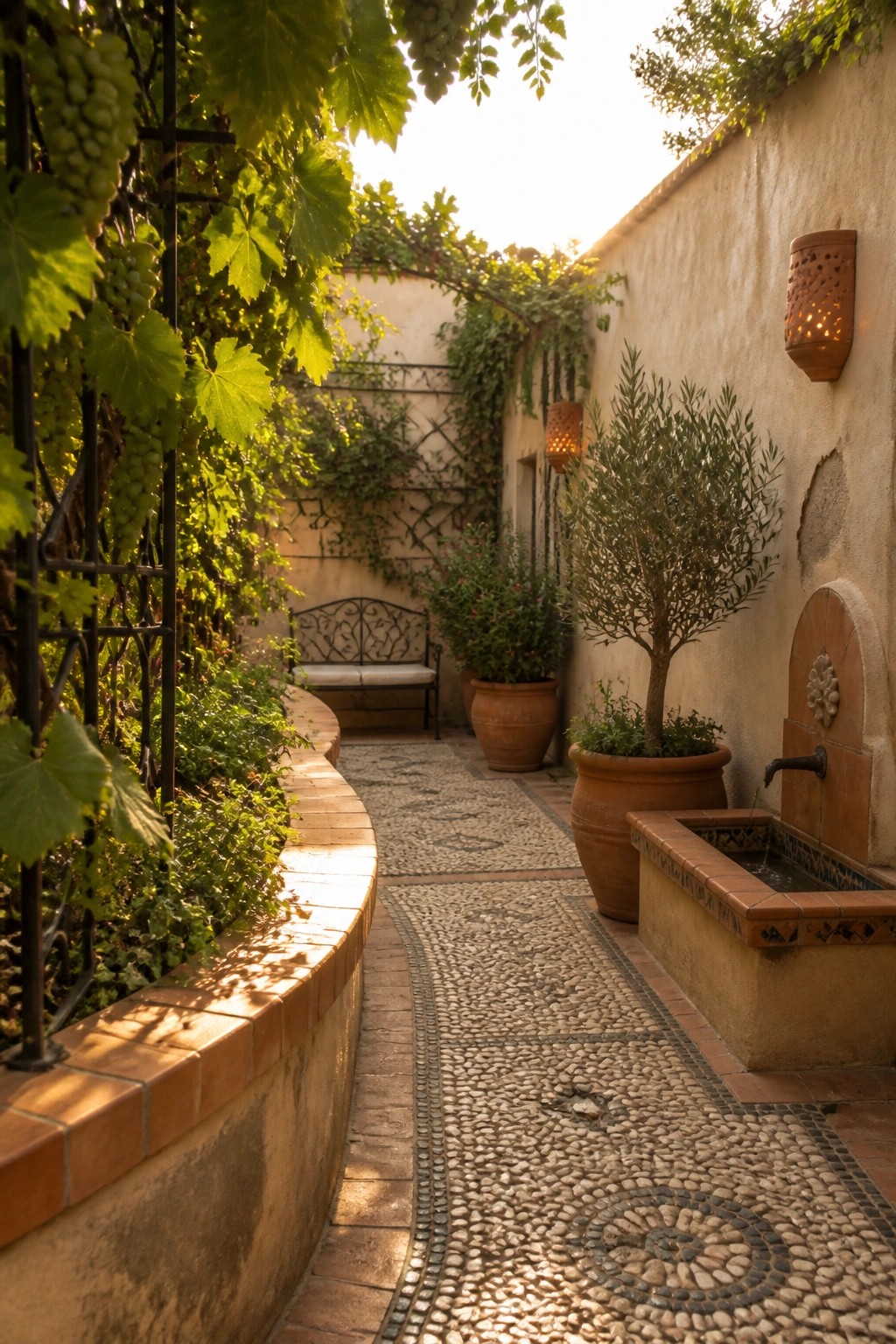
Large containers set at a comfortable height let you reach plants without kneeling or bending far. This approach works especially well in tight spaces like side yards or courtyards where a full raised bed might not fit.
Place the pots along a path or against a wall so you can water and prune while standing. Terracotta or similar sturdy materials hold up outdoors and give the plants room to grow without extra framing.
Waist-High Raised Beds For Comfortable Gardening

Waist-high raised beds let you tend plants without kneeling or bending over. This height keeps the soil at a comfortable level so weeding, watering, and harvesting stay simple even after an hour or two outside.
They work best in smaller yards or for anyone who wants to avoid back strain. Set them on level ground with good sun and drainage, and you can add a narrow path around the edges for easy movement.
Waist-High Concrete Beds Reduce Bending
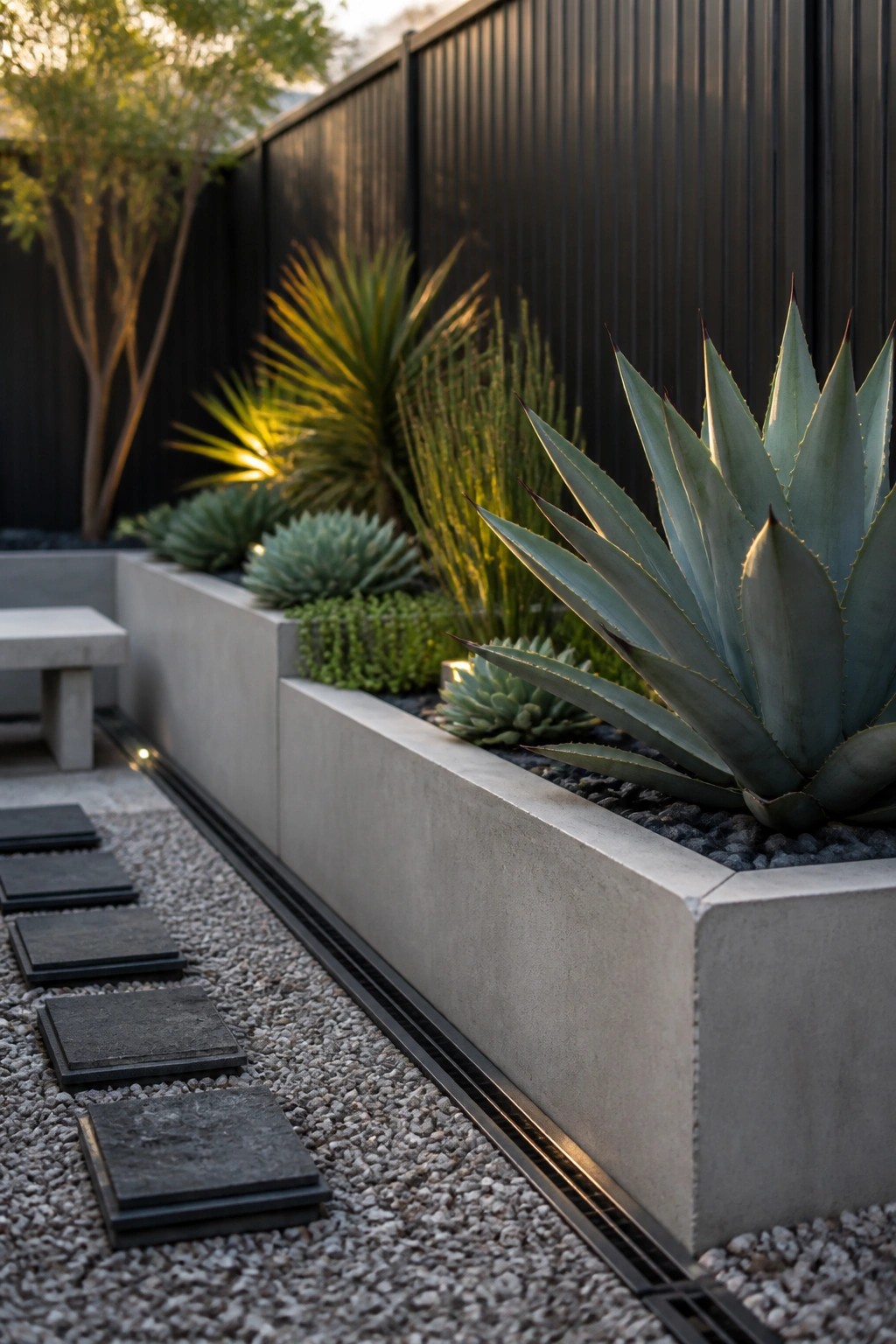
Concrete raised beds built to waist height let you tend plants without kneeling or straining your back. The solid walls hold soil well and keep everything contained, which cuts down on weeding and makes watering simpler.
These beds suit narrow side yards or spots along a fence where space is tight. They also pair nicely with gravel paths since the material stays cool and drains easily after rain.
Stone Block Raised Beds For Easier Access

Raised beds built with stacked stone blocks put the planting surface at a height that reduces bending and kneeling. This approach works especially well when you want to keep weeding, watering, and harvesting comfortable for longer periods.
The blocks can be stacked to whatever height feels best for the people using the garden. They also create clean edges that help keep gravel paths tidy and make the beds last for years with little upkeep.
Railing Planters Keep Everything Within Easy Reach

Railing planters give you a simple way to add growing space without taking up floor room. They sit at a comfortable height so you can water, prune, and harvest without bending down or kneeling.
This approach works best on balconies and small decks where ground beds are not an option. Secure the planters firmly to the railing and choose lightweight soil mixes to avoid excess weight.
Waist-High Raised Beds Along a Path

Raised beds built at waist height make a big difference when you want to garden without constant bending or kneeling. Placing them on either side of a path gives you easy access from both sides and keeps the whole area feeling open instead of cramped.
This layout works especially well in smaller yards or for anyone who needs to avoid too much reaching. Stick with simple wood construction and leave enough room between the beds for comfortable walking and basic tools.
Raised Beds Built At Waist Height
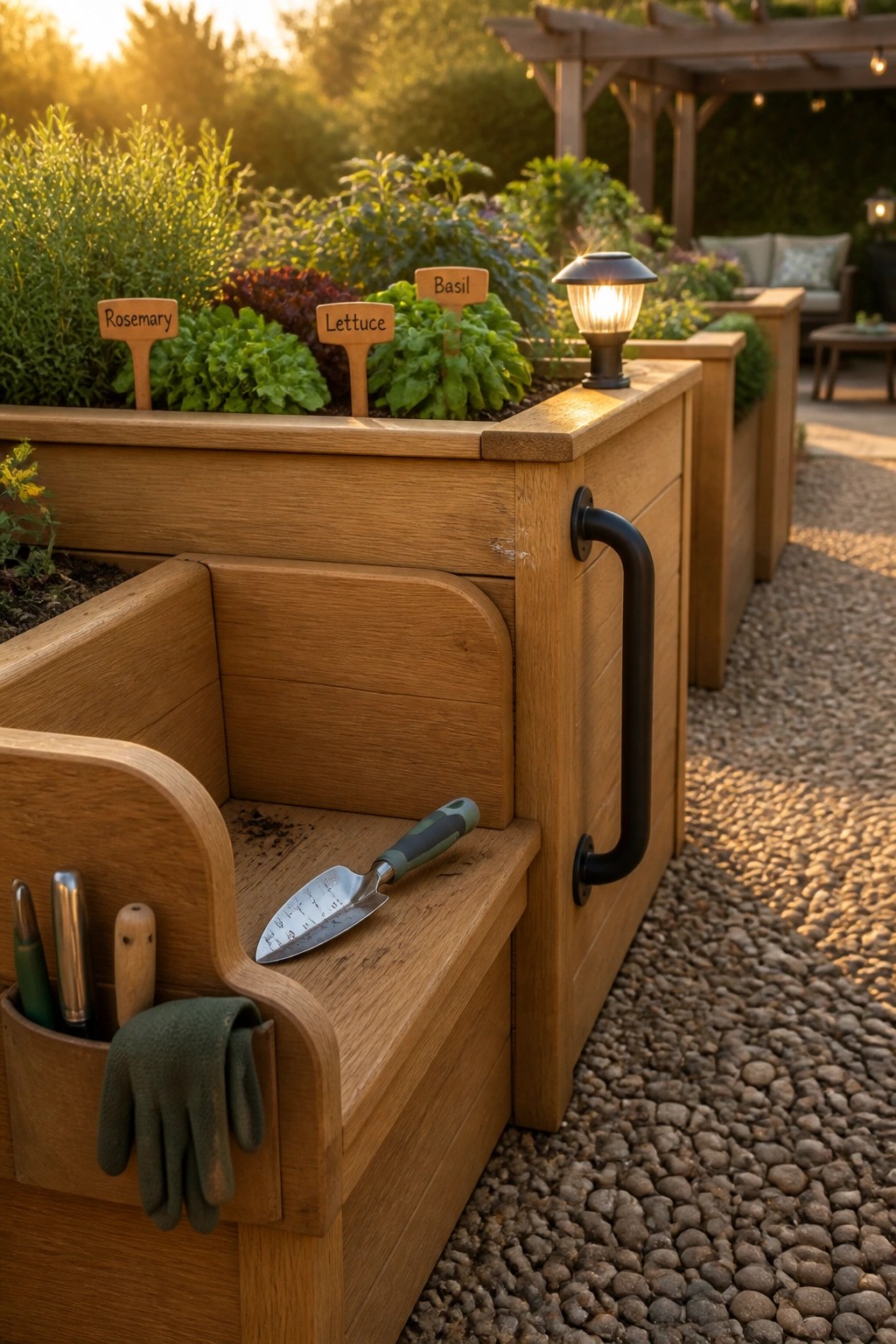
Many gardeners get tired of bending or kneeling just to tend their plants. Waist high beds fix that by keeping the soil at a level where you can work while standing, which makes daily care much simpler.
These beds suit smaller yards, patios, or anyone who wants to keep gardening without strain on the back or knees. Add a side shelf or handle if you need a spot for tools, and keep the width narrow enough to reach across easily.
Waist High Beds Simplify Daily Care
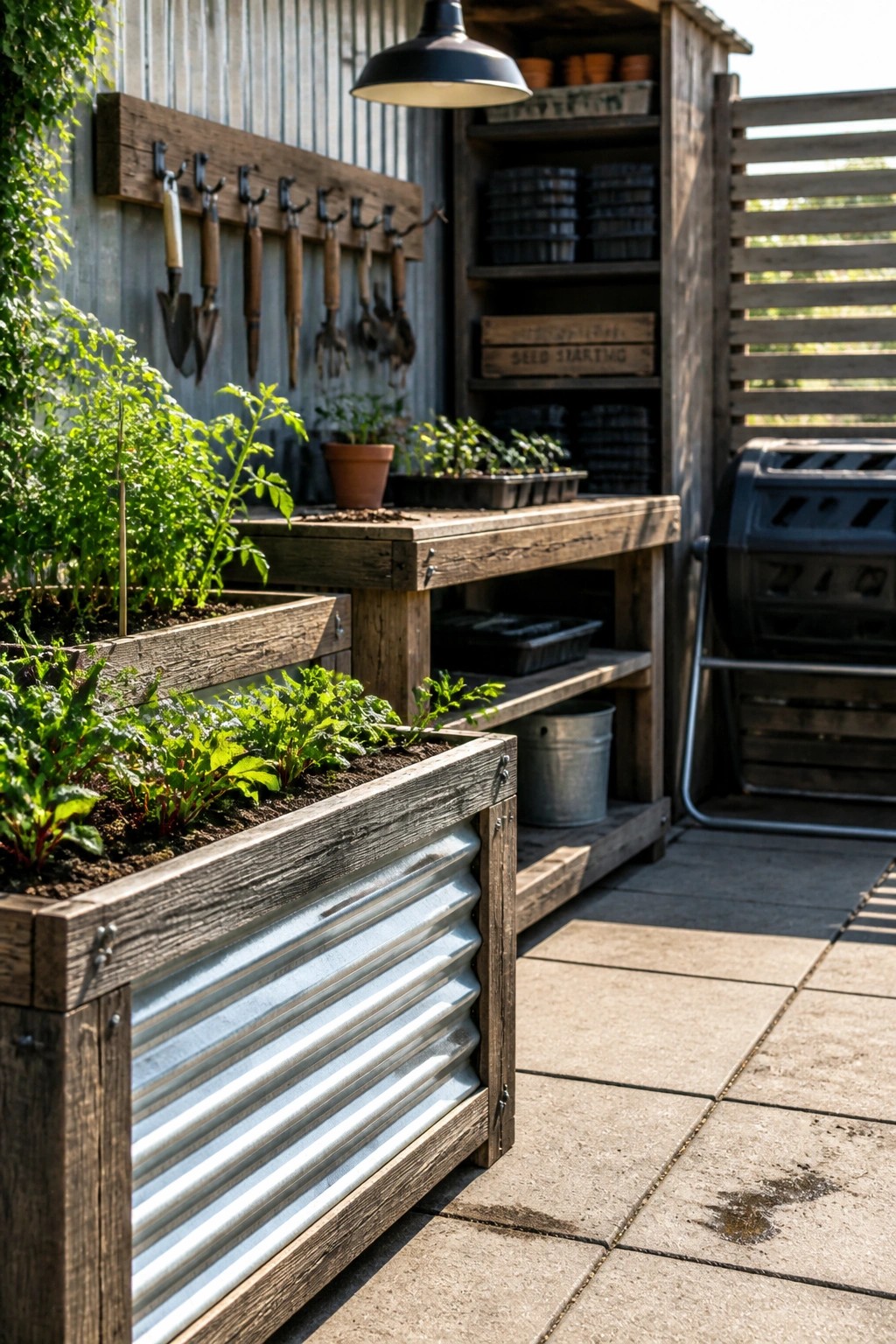
Many people prefer raised beds that sit at waist level because they cut down on bending and kneeling. This height makes it easier to reach plants for watering, weeding, and harvesting without putting extra strain on your back or knees.
These beds fit well along a patio or garden path where you already spend time. Add a simple work surface nearby so supplies stay close at hand during regular tasks.
Raised Beds Built From Stone

Stone makes a strong choice for raised beds because it lasts for years without rotting and holds the soil firmly in place. The solid walls also let you build the beds high enough to reach plants without much bending.
This style works best along paths or in larger yards where you want clear access on all sides. Keep the tops flat and wide enough to sit on while you work, and use a simple mulch path between beds to avoid stepping on the soil.
Frequently Asked Questions
Q: How do I keep the soil from washing out the bottom over time? A: Add a layer of hardware cloth or sturdy landscape fabric across the base before filling. This holds everything in place while still letting excess water escape freely. Most people find it cuts down on refilling chores later.
Q: Will these beds work on a sloped patio without tipping? A: Shim the shorter legs with scrap wood or leveling feet until the top sits flat. A quick check with a carpenter square saves headaches once the soil and plants add weight.
Q: How often do I really need to weed these raised beds? A: Pull anything you spot during your normal watering rounds. The height makes it easy to spot trouble early so small weeds never turn into a big job.
