

Growing a herb garden is achievable even for those with little gardening experience. Start with easy-to-grow herbs like basil, parsley, and mint to build confidence and skills. With the right supplies and techniques, anyone can cultivate a thriving herb garden.
Essential Supplies for Successful Herb Gardening
Starting a herb garden requires the right tools and materials to ensure success, even for those who may not have a green thumb. This section outlines the essential supplies you’ll need to cultivate a thriving herb garden, providing a solid foundation for your gardening journey. Equip yourself with these basics to enhance your growing experience and yield flavorful herbs.
Before starting a herb garden, gather the necessary supplies to ensure success. Having the right tools and materials can significantly impact your gardening experience. Here’s a checklist of essential items you will need:
| Supply Item | Purpose |
|---|---|
| Planting Pots | Contain soil and plants |
| Potting Soil | Provides nutrients and drainage |
| Watering Can | Delivers water efficiently |
| Gardening Gloves | Protect hands from dirt and injury |
| Trowel | Helps with planting and soil management |
Investing in quality supplies will lay a solid foundation for your herb garden.
Recommended Products

🌿 【Complete 15-Herb Culinary Kit】 - Everything included to start growing! Contains 15 popular herb seed varieties (Genovese Basil, Mint, Cilantro, Parsley, Rosemary, Thyme, Oregano & more), 15 biodegradable pots, 6 nutrient-rich soil, plant markers, and a detailed guide. Your indoor garden starts here.

Complete All-In-One Kit - No need to buy separate supplies. This herb starter set comes with 4 plastic planter pots, 4 soil discs, 4 plant markers 4 heirloom herb seed packets, and essential planting tools—everything you need to start your indoor herb garden immediately.

Universal Compatibility:Our Hydroponic pods kit Compatible with Aerogarden and most Hydroponics Growing System or greenhouse hydroponic machines. this indoor herb garden starter kit Great for beginners.
Choose the Right Location for Your Herbs
Selecting the ideal location for your herb garden is crucial for ensuring healthy growth and abundant yields. Factors such as sunlight, accessibility, and protection from harsh weather can significantly impact your herbs’ development. Understanding these elements will help you create a thriving environment, even if you consider yourself a novice gardener.
Selecting the right location is crucial for the growth of your herbs. Most herbs thrive in full sunlight, requiring at least six hours of direct light daily. Consider the following factors when choosing a spot:
Sunlight Exposure: Look for south-facing areas for maximum light.
Wind Protection: Choose a sheltered location to protect delicate plants.
Accessibility: Ensure easy access for watering and harvesting.
A well-chosen location can enhance growth and yield.
Optimal Soil Preparation for Herbs
Preparing the right soil is crucial for a thriving herb garden, especially for those who may not have a green thumb. Understanding the specific needs of herbs will help you create an ideal growing environment. This section will guide you through the essential steps for optimal soil preparation, ensuring your herbs flourish from the very start.
Proper soil preparation is essential for healthy herb growth. Begin by ensuring good drainage and nutrient content. Follow these steps for optimal soil preparation:
Select Quality Potting Soil: Use a mix designed for herbs or vegetables.
Add Organic Matter: Incorporate compost to improve soil fertility.
Check pH Levels: Aim for a pH between 6.0 and 7.0 for most herbs.
Well-prepared soil promotes robust root development and plant health.
Effective Herb Planting Techniques
Growing a herb garden can be a rewarding experience, even for those who consider themselves to have a black thumb. Understanding effective planting techniques is crucial for ensuring your herbs thrive. This section will explore practical methods to help you cultivate a flourishing herb garden, regardless of your gardening experience.
Planting herbs requires attention to detail to ensure successful germination and growth. Follow these steps to plant your herbs effectively:
Fill Pots with Soil: Leave about an inch of space at the top.
Create Small Holes: Use your finger or trowel to make holes for seeds or seedlings.
Plant Seeds or Seedlings: Place seeds or seedlings in the holes and cover lightly with soil.
Water Gently: Use a watering can to moisten the soil without washing away seeds.
Proper planting techniques set the stage for a thriving herb garden.
Herb Watering Techniques for Optimal Growth
Watering is a crucial aspect of herb gardening that can significantly impact plant health and yield. Understanding the right techniques for watering your herbs ensures they receive the moisture they need without the risk of overwatering or underwatering. This section will explore effective methods to keep your herb garden thriving.
Regular watering and maintenance are vital for the health of your herb garden. Overwatering can lead to root rot, while underwatering can stunt growth. Consider these guidelines:
Water Frequency: Water when the top inch of soil feels dry.
Mulching: Apply a layer of mulch to retain moisture and suppress weeds.
Fertilizing: Use a balanced fertilizer every 4-6 weeks during the growing season.
Consistent care will yield a bountiful harvest.
Recommended Products

Accurate Soil Moisture Detection: The XLUX Soil Moisture Meter can tell you if the soil deep inside your pot or garden is dry, moist or wet; whereas your eyes and fingers can only determine the moisture level of the soil surface. The probe is 5.5 inches (14 cm) longer than regular styles, allowing it to measure the soil moisture at the bottom of larger and deeper flower pots.
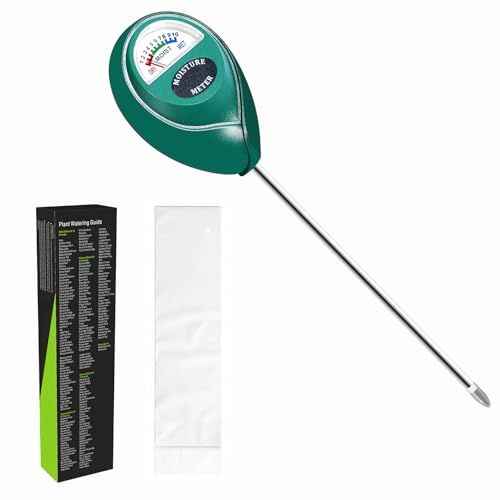
Trusted Since 2015: Become one of the many plant lovers who rely on the proven accuracy of XLUX. Established in 2015, our soil moisture meter has earned over 60,000+ verified ratings for its consistent performance. While many many newer brands come and go, we provide the long-term reliability and quality that American households have trusted for over a decade.

【4 in 1 function】This is a 4-in-1 multifunctional soil tester.Our soil tester fastly to measure soil moisture, pH, temperature and sunlight to help you take better care of flowers and plants.You can know when you need to water your soil by measuring moisture and pH & Temperature value of the soil and sunlight level of plants with it.
Herb Gardening Issues and Solutions
Growing a herb garden can be rewarding, but it often comes with its own set of challenges. From pest problems to environmental factors, even the most novice gardeners can encounter issues that threaten their plants. This section addresses common herb gardening problems and offers practical solutions to help you cultivate a thriving garden, regardless of your experience level.
Even with the best preparation, challenges may arise while growing herbs. Here are some common issues and solutions:
| Problem | Solution |
|---|---|
| Pest Infestation | Use insecticidal soap or neem oil |
| Wilting Leaves | Check for underwatering or root rot |
| Stunted Growth | Ensure adequate sunlight and nutrients |
Identifying and addressing these challenges promptly can save your herb garden.
Recommended Products

FOR ORGANIC GARDENING: Use in & around the home & garden on roses, flowers, houseplants, ornamental trees & shrubs, fruits & vegetables

3 GARDEN PRODUCTS IN 1: Fungicide, insecticide & miticide kills eggs, larvae & adult stages of insects

MULTI-PURPOSE FORMULA: Works as a fungicide, insecticide, and miticide, effectively controlling a wide range of pests and fungal diseases including black spot, powdery mildew, rust, aphids, and spider mites.
Optimal Herb Harvesting Methods
Harvesting herbs at the right time and using the best techniques can significantly enhance the flavor and longevity of your plants. Understanding optimal harvesting methods not only ensures a bountiful yield but also promotes healthy growth for future seasons. This section will guide you through effective strategies for harvesting your herbs like a pro.
Harvesting herbs at the right time enhances their flavor and encourages further growth. Follow these techniques for optimal harvesting:
Use Sharp Scissors: Cut leaves or stems cleanly to avoid damage.
Harvest in the Morning: Collect herbs after dew has dried for the best flavor.
Leave Enough Leaves: Always leave some leaves on the plant to promote regrowth.
Proper harvesting techniques will ensure a continuous supply of fresh herbs.
Unique Culinary Herbs for Garden Diversity
Exploring unique culinary herbs can elevate your garden’s diversity and enhance your cooking. By incorporating lesser-known varieties, you can create a vibrant herb garden that not only looks appealing but also adds exciting flavors to your dishes. Discover how these distinctive herbs can transform your culinary experiences and contribute to a thriving garden.
Consider adding unique herb varieties to your garden for diversity and culinary excitement. Some lesser-known herbs include:
Lemon Balm: Offers a refreshing lemon flavor for teas and dishes.
Chervil: A delicate herb with a mild anise flavor, perfect for salads.
Thai Basil: Adds a spicy twist to Asian cuisine.
Experimenting with different herbs can enhance your culinary creations.
