

Growing bush cucumbers is straightforward with the right knowledge and tools. This guide provides essential steps and tips for beginners to successfully cultivate bush cucumbers in their gardens.
Essential Supplies for Bush Cucumber Cultivation
Growing bush cucumbers can be a rewarding endeavor for beginners, but having the right supplies is crucial for success. This section outlines the essential tools and materials you’ll need to cultivate healthy plants, ensuring you have everything necessary to start your gardening journey effectively. With the right preparation, you can enjoy a bountiful harvest of crisp cucumbers.
Before planting bush cucumbers, ensure you have the necessary gear and supplies. This includes quality seeds, soil amendments, and gardening tools. Having these items ready will streamline the planting process and improve your chances of a fruitful harvest.
Essential Tools for Bush Cucumber Cultivation
To successfully cultivate bush cucumbers, having the right tools is crucial for both efficiency and plant health. This section outlines the essential equipment and supplies you’ll need, ensuring you are well-prepared to nurture your cucumbers from seed to harvest. With these tools at your disposal, you’ll be on your way to a thriving garden.
Bush cucumber seeds
Quality potting soil
Organic compost
Fertilizer
Watering can or hose
Garden trowel
Mulch
Soil Preparation for Bush Cucumbers
Preparing the right soil is crucial for growing bush cucumbers successfully. This section outlines the essential steps to create a nutrient-rich environment that promotes healthy growth and maximizes yield. By following these guidelines, beginners can set a solid foundation for their cucumber plants.
Soil preparation is crucial for bush cucumber success. Cucumbers thrive in well-drained, nutrient-rich soil with a pH between 6.0 and 6.8. Testing your soil and amending it accordingly will promote healthy plant growth.
Bush Cucumber Soil pH Testing Guide
Understanding the soil pH is crucial for successfully growing bush cucumbers. This guide will help you determine the ideal pH range for optimal growth and provide step-by-step instructions for testing your soil. By ensuring the right conditions, you can enhance the health and yield of your cucumber plants.
Test soil pH using a home kit.
Amend soil with organic compost to enhance nutrients.
Till the soil to a depth of at least 12 inches for aeration.
Level the soil to create a smooth planting surface.
Optimal Planting Dates for Bush Cucumbers
Understanding the optimal planting dates for bush cucumbers is crucial for a successful harvest. Timing can significantly influence growth and yield, making it essential for beginners to know when to sow seeds or transplant seedlings. This section will guide you through the best times to plant based on climate and regional conditions.
Timing is essential when planting bush cucumbers. These plants prefer warm weather and should be planted after the last frost. Understanding your local climate will help you choose the best planting date.
Bush Cucumber Planting Timeline
Understanding the planting timeline for bush cucumbers is essential for successful cultivation. This section outlines the key stages in the growing process, from seed selection to harvest, ensuring that beginners can effectively plan their gardening efforts. By following this timeline, you can maximize your yield and enjoy a bountiful crop.
Spring planting: Wait until soil temperatures reach 70°F.
Transplanting: If starting indoors, transplant seedlings 2-3 weeks after the last frost.
Spacing: Space plants 18-24 inches apart to allow for growth.
Effective Watering Strategies for Bush Cucumbers
Proper watering is crucial for the successful growth of bush cucumbers, as it directly impacts their health and yield. Understanding the specific needs of these plants can help beginners avoid common pitfalls and ensure a thriving garden. This section outlines effective watering strategies that will support robust growth and abundant fruit production.
Proper watering techniques are vital for bush cucumbers. These plants require consistent moisture but do not tolerate soggy soil. Understanding how to water effectively will prevent issues like root rot.
Recommended Products
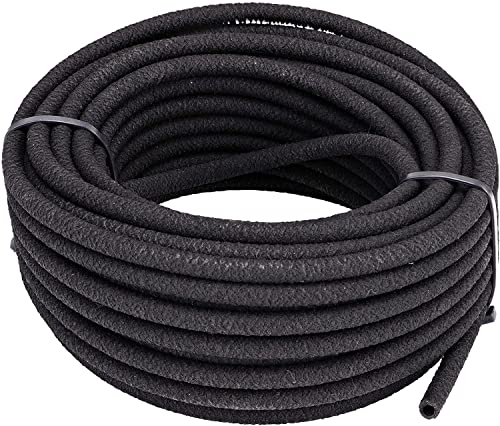
Slowly waters the soil around your plants for complete root zone hydration; Ideal for short runs on flat surfaces, such as vegetable gardens, borders, and around small plants

Lightweight water hose is made of 100% recycled vinyl, clog resistant fabric cover for consistent soaking in the garden or around foundations

Heavy duty recycled rubber soaker hose is made to last many seasons
Bush Cucumber Watering Schedule
Establishing an effective watering schedule is crucial for growing bush cucumbers successfully. Proper hydration not only promotes healthy growth but also enhances fruit production. This section outlines key considerations and best practices to ensure your bush cucumbers receive the right amount of water throughout their growing season.
Frequency: Water deeply once a week, increasing during dry spells.
Method: Use a soaker hose or drip irrigation to minimize evaporation.
Mulch: Apply a 2-3 inch layer of mulch to retain moisture and suppress weeds.
Fertilization Strategies for Bush Cucumbers
Fertilizing bush cucumbers is essential for promoting healthy growth and maximizing yield. Understanding the right nutrients and application methods can significantly impact the plant’s development and fruit production. This section outlines effective fertilization strategies tailored specifically for bush cucumbers, ensuring beginners can cultivate a thriving crop.
Fertilizing bush cucumbers provides essential nutrients for vigorous growth. A balanced fertilizer will support flowering and fruiting stages. Timing and type of fertilizer can significantly affect yields.
Bush Cucumber Fertilization Timing Guide
Proper fertilization is crucial for bush cucumbers to thrive and yield a bountiful harvest. Understanding the optimal timing for fertilization can significantly impact plant health and productivity. This guide will provide essential insights into when and how to fertilize your bush cucumbers effectively.
Initial application: Apply a balanced fertilizer at planting.
Mid-season boost: Fertilize again when plants begin to flower.
Organic options: Consider using fish emulsion or seaweed extract for natural nutrients.
Pest and Disease Monitoring Strategies
Effective pest and disease management is crucial for cultivating healthy bush cucumbers. By implementing proactive monitoring strategies, you can identify potential threats early and take appropriate action. This section outlines essential techniques to keep your cucumber plants thriving and protect them from common pests and diseases.
Regular monitoring for pests and diseases is crucial in maintaining healthy bush cucumbers. Common issues include aphids, cucumber beetles, and powdery mildew. Early detection and treatment can save your crop.
Pest Management Strategies for Cucumbers
Pest management is crucial for ensuring healthy bush cucumber plants and maximizing your harvest. Understanding common pests and implementing effective strategies can protect your plants from damage and disease. This section will outline practical approaches to keep your cucumber garden thriving and pest-free.
| Pest | Symptoms | Control Method |
|---|---|---|
| Aphids | Curling leaves | Insecticidal soap |
| Cucumber beetles | Wilting plants | Neem oil spray |
| Powdery mildew | White powdery spots | Remove affected leaves |
Optimal Timing for Harvesting Bush Cucumbers
Timing is crucial when it comes to harvesting bush cucumbers to ensure maximum flavor and texture. Understanding the signs of ripeness and the best time to pick can significantly enhance your gardening success. This section will guide you through the optimal timing for harvesting these delicious vegetables.
Harvesting at the right time ensures the best flavor and texture. Bush cucumbers are typically ready to pick when they reach 6-8 inches in length. Regular harvesting encourages further production.
Bush Cucumber Harvesting Guidelines
Harvesting bush cucumbers at the right time is crucial for achieving the best flavor and texture. Understanding the signs of ripeness and the proper techniques for picking will ensure a bountiful yield. This section provides essential guidelines to help you successfully harvest your bush cucumbers and enjoy the fruits of your labor.
Frequency: Check plants every few days during peak season.
Technique: Use scissors or pruning shears to avoid damaging the plant.
Storage: Store harvested cucumbers in the refrigerator for up to a week.
Common Bush Cucumber Growth Challenges
Growing bush cucumbers can be a rewarding endeavor, but beginners often face specific challenges that can hinder their success. From pest infestations to improper watering techniques, understanding these common issues is essential for cultivating healthy plants. This section will explore the typical obstacles encountered while growing bush cucumbers and provide practical solutions to overcome them.
Even with careful planning, issues may arise during the growing season. Identifying and addressing these problems quickly can help maintain a healthy crop.
Bush Cucumber Growth Challenges and Remedies
Growing bush cucumbers can be rewarding, but it also comes with its share of challenges. From pest infestations to nutrient deficiencies, beginners often encounter obstacles that can hinder their plants’ growth. Understanding these common issues and their remedies is essential for ensuring a successful harvest.
Yellowing leaves: Check for nutrient deficiencies or pests.
Poor fruit set: Ensure adequate pollination and avoid excessive nitrogen.
Wilting plants: Assess for overwatering or root rot.
Regular care and attention to detail will yield a bountiful harvest of bush cucumbers. Follow these guidelines for a successful gardening experience.
