

Have you ever wondered if you can transplant lettuce from one spot in your garden to another? Maybe you’ve started seedlings indoors and want to move them outside. It’s a common scenario for many gardeners, and the good news is that lettuce is quite forgiving when it comes to transplanting.
Key Takeaways
- Lettuce Transplanting Is Beneficial: Transplanting improves growth, optimizes space, and enhances soil conditions for healthier yields.
- Timing Matters: Transplant lettuce seedlings when they have two to four true leaves to ensure they can handle relocation successfully.
- Choose a Suitable Location: Select areas that receive at least six hours of sunlight daily and have well-drained, nutrient-rich soil for optimal growth.
- Proper Preparation is Essential: Water seedlings before transplanting, loosen the soil, and check roots for health to minimize transplant shock.
- Watch for Pests and Environmental Changes: Monitor your plants for pests and ensure favorable environmental conditions to mitigate risks during and after transplanting.
- Follow Best Practices for Watering and Soil Quality: Use effective watering techniques post-transplant and enrich the soil to create the best environment for lettuce growth.
Understanding Lettuce Transplanting
Transplanting lettuce can improve growth and yield. It’s a straightforward process you can incorporate into your gardening routine.
Benefits of Transplanting Lettuce
- Increased Space: Transplanting allows you to optimize space in your garden. By moving lettuce to a more suitable location, you promote healthier growth.
- Better Soil Conditions: You can improve soil health by relocating lettuce to fresher, nutrient-rich areas. This is especially beneficial if the original soil lacks nutrients.
- Pest and Disease Management: Changing locations can help avoid pests or diseases that may have affected your plants. It’s an effective way to ensure healthier crops.
- Extended Growing Season: Transplanting can enable you to start lettuce indoors, allowing for earlier growth. Once the weather is ideal, transferring seedlings outside boosts productivity.
- Seedling Stage: Transplant lettuce seedlings when they have two to four true leaves. This stage indicates they’re strong enough to handle relocation.
- Space Constraints: Consider transplanting if plants are overcrowded. Proper spacing enhances air circulation, which reduces the risk of disease.
- Environmental Changes: If garden conditions change, such as excessive shade or poor drainage, it may be time to move your lettuce. Ensure they receive adequate sunlight and water.
- Desired Growth Rate: Transplant if you want to accelerate growth. Strong, established seedlings are more resilient and grow faster once relocated.
Steps to Transplant Lettuce
Transplanting lettuce involves a few straightforward steps. Follow these guidelines for successful relocation.
Recommended Products

【Reduce Root Damage】 Using seedling transplant tongs can avoid damage to the seedling roots caused by pulling or digging by hand. Our gardening transplant pliers can completely lift the seedlings from the tray lattice, allowing for easy transplantation and reducing the risk of damaging the tender roots.

🌱Durable Material: The whole body of the plant transplanting tongs is made of high-quality stainless steel, easy to clean and does not rust, very durable.

Premium Stainless Steel Construction:This bulb planter tool is crafted from high - quality stainless steel.It ensures exceptional durability,making it suitable for long - term use in various soil conditions. Whether you're dealing with moist or dry soil, the tool will maintain its integrity and performance.
Preparing the Seedlings
- Choose the Right Time: Transplant when seedlings show two to four true leaves. This indicates readiness for moving.
- Water Seeds: Water the seedlings before transplanting. Moist soil practices ensure minimal shock during relocation.
- Gently Remove Seedlings: Use a small tool or your fingers to loosen the soil around seedlings. Lift them carefully to avoid root damage.
- Inspect Roots: Check the roots for any signs of disease. Healthy roots should be white and firm.
- Select a Sunny Spot: Pick a location that gets at least six hours of direct sunlight daily. This supports vigorous growth.
- Ensure Good Drainage: Test the soil’s drainage. Avoid areas where water tends to pool, as lettuce prefers well-drained soil.
- Consider Soil Quality: Test the soil for nutrients. Lettuce thrives in nutrient-rich soil, so consider adding compost or aged manure.
- Avoid Crowded Areas: Choose a space away from larger plants. These can overshadow lettuce and compete for resources.
By following these steps, you can effectively transplant lettuce, ensuring a healthier and more productive crop.
Tips for Successful Transplanting
Successful transplanting of lettuce hinges on a few key techniques. Proper timing, careful handling, and suitable conditions improve your chances for a thriving crop.
Recommended Products

Comprehensive Small Garden Tools: Our indoor garden kit Not only for succulents, but also suitable for bonsai plants, cactus and most of indoor small plants. The mini garden tools set meets your various gardening needs like potting mat, digging, watering, loosening soil, transplanting, cleaning, pruning, weeding, etc. Lightweight, Easy carry and wash after every use. Just pat dry.

VERSATILE SET: Includes 2 essential hand tools - a seedling dibber for making planting holes and a widger for safe transplanting of delicate seedlings
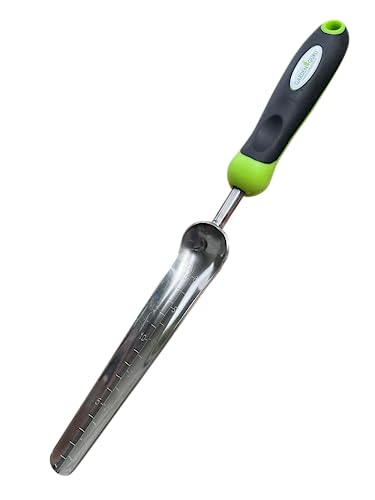
PERFECT SEED PLANTING TROWEL – Narrow edge to easily fit in small spaces. Ideal for planting seeds and transplanting small plants, vegetables, flowers in narrow and hard to reach spaces.
Watering Techniques
Water your seedlings a few hours before transplanting. This technique helps reduce shock by keeping roots hydrated. After transplanting, water the newly placed seedlings gently but thoroughly. Aim for moist, not soggy, soil. A light sprinkling every few days encourages root development, especially if the weather is dry. Using drip irrigation or a watering can minimizes disturbance to newly settled plants.
Soil Preparation
Prepare the soil at least a week before transplanting. Ensure it’s rich in organic material, which enhances drainage and nutrient availability. Loosen the soil about 12 inches deep to encourage healthy root penetration. Consider mixing in compost or well-rotted manure to boost fertility. Test the pH, aiming for a range of 6.0 to 7.0 for optimal growth. Remove any weeds or debris, as these can compete with your lettuce for resources.
Common Challenges in Lettuce Transplanting
Transplanting lettuce can present several challenges. Understanding these issues can help you navigate the transplanting process more effectively.
Recommended Products

PLANT DISEASE CONTROL: Natria Neem Oil acts as an insecticide and fungicide in one convenient spray; Ready-to-use trigger sprayer requires no mixing

Plant-Based Pest Protection: Helps protect plants from common pests including gnats, spider mites, aphids, fungus issues, and other plant-damaging insects using plant-based ingredients.

3-IN-1 GARDEN SPRAY - Earth’s Ally 3-in-1 Plant Spray is an insecticide, miticide and fungicide. The houseplant pest spray effectively kills and controls soft-bodied insects and common plant diseases with a synergistic blend of essential oils.
Pests and Diseases
Pests and diseases can significantly impact your transplanted lettuce. Common pests include aphids and slugs, which may attack new seedlings. Monitor your plants regularly for signs of infestation. Use natural remedies, like neem oil or insecticidal soap, to manage infestations. Additionally, watch for diseases such as downy mildew and root rot. Ensuring good airflow around your plants and avoiding overhead watering can help prevent fungal issues.
Environmental Factors
Environmental factors play a crucial role in the success of your lettuce transplanting. Rapid temperature changes can stress plants. Transplant during cooler parts of the day, such as early morning or late afternoon, to lessen this risk. Soil moisture is another factor; well-drained and moist soil encourages healthy growth. Avoid transplanting during extreme weather, like high heat or heavy rain, to reduce transplant shock and ensure a successful outcome.
Conclusion
Transplanting lettuce can be a rewarding experience that enhances your garden’s productivity. With a little care and attention to timing and conditions you can help your lettuce thrive in its new home. Remember to prepare your soil well and handle your seedlings gently to minimize stress.
Keeping an eye on environmental factors and potential pests will also set you up for success. So go ahead and give it a try—your garden will thank you with fresh and delicious lettuce! Happy gardening!
Frequently Asked Questions
Can you transplant lettuce from one garden location to another?
Yes, you can transplant lettuce from one location in your garden to another. Lettuce is quite forgiving and can adapt well to new spots. Just ensure to do it when they have two to four true leaves for the best results.
When is the best time to transplant lettuce seedlings?
The best time to transplant lettuce seedlings is when they have two to four true leaves. This stage indicates they’re strong enough to handle a shift in their environment without significant shock.
How should I prepare the soil before transplanting lettuce?
Prepare the soil at least a week in advance by enriching it with organic material, loosening it for root penetration, and testing the pH to ensure it’s suitable for growth.
What are the signs that lettuce seedlings are overcrowded?
Signs of overcrowding include stunted growth, competing leaves, and reduced air circulation around the plants. If you notice these symptoms, it’s time to transplant some seedlings to provide them with more space.
How can I prevent transplant shock in lettuce?
To prevent transplant shock in lettuce, water seedlings a few hours before uprooting them. After transplanting, water them gently but thoroughly to settle their roots in the new soil.
What pest problems should I watch for after transplanting lettuce?
After transplanting lettuce, monitor for pests such as aphids and slugs. Regular checks and the use of natural remedies can help manage these infestations and protect your young plants.
Should I transplant lettuce in the morning or afternoon?
Transplant lettuce during the cooler parts of the day, such as early morning or late afternoon. This approach minimizes heat stress on the seedlings and helps reduce transplant shock.
