

Do you ever find yourself tossing out wilted romaine lettuce after just a few days in the fridge? You’re not alone. Many people struggle to keep their greens fresh, leading to wasted food and money.
Key Takeaways
- Storage Practices: Use breathable containers like perforated bags or containers with paper towels to maintain humidity and airflow, inhibiting spoilage.
- Optimal Environment: Store romaine lettuce at a temperature between 32°F and 36°F, while keeping humidity levels around 90% to 95% for maximum freshness.
- Pre-storage Tips: Always rinse and dry romaine before storage, and keep the core intact to help retain moisture and crispness.
- Avoid Common Mistakes: Steer clear of washing before storing, using airtight containers, and placing romaine near ethylene-producing fruits which accelerate spoilage.
- Regular Inspection: Check your romaine lettuce regularly for any damaged or wilted leaves and remove them promptly to prevent spread.
- Timely Usage: Aim to consume your romaine within seven to ten days for optimal freshness and quality.
Importance Of Keeping Romaine Lettuce Fresh
Keeping romaine lettuce fresh extends its shelf life and maintains nutritional value. Fresh romaine offers essential vitamins and minerals, including vitamin A and folate, that contribute to a healthy diet.
Preserving freshness also enhances flavor and texture. Crisp, vibrant romaine elevates salads, sandwiches, and other dishes, making meals more enjoyable.
Minimizing food waste saves money and benefits the environment. A single head of romaine can cost $2 to $3, and wasting it means wasting resources. Proper storage techniques prevent spoilage and allow you to enjoy your greens for longer.
Fresh romaine provides numerous benefits, including:
- Nutritional Value: High in vitamins and minerals, supporting overall health.
- Flavor and Texture: Enhances dishes with crispness and freshness.
- Economic Benefits: Prevents unnecessary food waste, saving money.
- Environmental Impact: Reduces food waste, contributing to sustainability.
Investing time in keeping romaine fresh means better meals and a healthier lifestyle. Embracing simple storage methods makes all the difference.
Best Storage Practices
Keeping romaine lettuce fresh in the refrigerator requires attention to detail. Following specific practices can extend its shelf life and maintain its crispness.
Recommended Products

Extends Produce Shelf-Life: Prolong the freshness of fruits and vegetables, reducing wasted food.

Better for different produce : You will get 4 sized fridge organizers and 4 matched colanders that could be used in the container or separate. Size from 0.32 L to 2.7 L [ 0.34 - 2.85 qt ]. Suited for berries, fruits, vegetables, meats

Crisper Basket is designed for smaller items that often get lost in crispers like lemons, limes and jalapenos
Cleaning Before Storage
Always rinse romaine lettuce under cold water before storage. Remove any damaged or wilted leaves to prevent spoilage. Pat the leaves dry using a clean kitchen towel or paper towels. Excess moisture leads to faster decay, so ensure the leaves are thoroughly dried. Cut the lettuce into manageable sizes for easier use while keeping the core intact, which helps maintain freshness.
Choosing The Right Container
Select a breathable container for storing romaine lettuce. Using a perforated plastic bag allows for airflow while retaining some humidity. You can also use a container with a moisture-absorbing paper towel at the bottom to keep the leaves dry. Avoid airtight containers, as they trap moisture, promoting rot. When possible, store the romaine in the crisper drawer of your refrigerator, where humidity levels are optimal.
Optimal Temperature And Humidity
The ideal temperature for storing romaine lettuce ranges from 32°F to 36°F (0°C to 2°C). Keeping lettuce in this temperature range helps maintain its crispness and flavor. To achieve this, place your romaine in the crisper drawer of your refrigerator, designed to provide a stable environment for greens.
Humidity plays a critical role in preserving freshness. High humidity prevents the leaves from wilting. Aim for a humidity level between 90% and 95%. A damp paper towel in your storage container can help regulate moisture without causing excess humidity that leads to decay.
Consider these practical storage methods:
- Use a breathable container: Choose a perforated plastic bag or a container with ventilation. These options allow for air circulation while reducing moisture buildup.
- Moisture control: Place a few paper towels inside the container. They absorb excess moisture and keep the lettuce from getting soggy.
- Keep lettuce whole: Store whole heads of romaine rather than pre-cut pieces. This practice retains moisture better and extends freshness.
- Separate from fruits: Avoid placing romaine near fruits like apples and bananas. These fruits release ethylene gas, which speeds up spoilage.
By maintaining the right temperature and humidity, you ensure your romaine lettuce stays fresh longer, enhancing your meals and reducing food waste.
Recommended Products

PRODUCE STORAGE CONTAINER + COLANDER: This produce saver features an adjustable air vent & water reservoir to create the ideal environment for fresh fruits & vegetables, keeping them fresh longer.

𝐊𝐞𝐞𝐩𝐬 𝐕𝐞𝐠𝐞𝐭𝐚𝐛𝐥𝐞𝐬 𝐅𝐫𝐞𝐬𝐡 𝐋𝐨𝐧𝐠𝐞𝐫: The Home-X salad keeper for refrigerator is designed to preserve the freshness of lettuce, broccoli, cauliflower, and more. It creates an ideal cold, moist storage environment to help your vegetables stay crisp and fresh for longer periods.
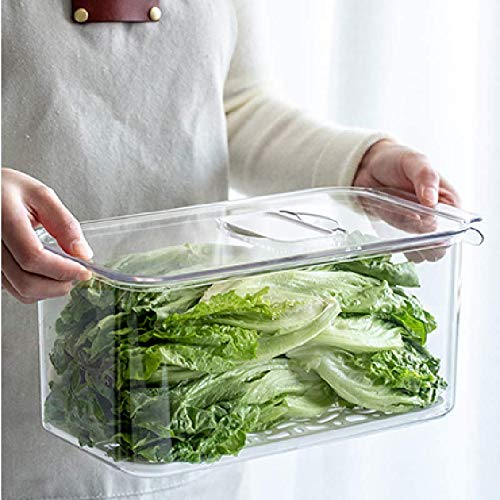
Note: NOT dishwasher safe! NOT for microwave oven! Working celsius temperature -30℃~60℃,suitable for refrigerator and freezer.
Common Mistakes To Avoid
Avoiding certain mistakes helps keep your romaine lettuce fresh longer. Here are the key pitfalls to steer clear of:
- Washing Before Storing
Washing romaine lettuce before storing leads to excess moisture. Moisture causes decay, so wash only right before use. - Using Airtight Containers
Airtight containers trap moisture, creating an environment for spoilage. Use breathable containers like perforated bags or linen cloth to maintain airflow. - Storing Near Ethylene-Producing Fruits
Storing romaine alongside ethylene-producing fruits accelerates spoilage. Keep fruits like apples and bananas separate to extend lettuce shelf life. - Leaving the Core Intact
Cutting the core can cause faster wilting. Keep the core intact to help retain moisture and crispness. - Ignoring Humidity Levels
Storing romaine in low-humidity environments leads to wilting. Aim for a humidity level around 90% to maintain freshness, using damp paper towels if necessary. - Neglecting Temperature Control
Storing romaine at room temperature affects its freshness. Maintain a temperature of 32°F to 36°F (0°C to 2°C) for optimal preservation. - Using Damaged Leaves for Storage
Failing to remove damaged or wilted leaves increases spoilage risk. Inspect and discard any damaged leaves before storage.
By watching out for these common mistakes, you can keep your romaine lettuce fresh, maximize its shelf life, and enjoy its nutritional benefits.
Tips For Maximizing Freshness
- Store in a Perforated Bag: Use a perforated plastic bag for storage. This allows airflow, keeping your romaine crisp. A closed bag traps moisture, leading to spoilage.
- Use a Moisture-Absorbing Towel: Line your storage container with a dry paper towel. This absorbs excess moisture and prevents wilting. If wet, replace it regularly.
- Keep the Core Intact: Don’t cut the core before storage. The core helps retain moisture, keeping the leaves fresher longer. Cut leaves only when ready to use.
- Separate from Ethylene Producers: Keep romaine away from fruits like apples and bananas. These fruits produce ethylene gas, which accelerates spoilage. Store them in separate areas of the refrigerator.
- Maintain Optimal Temperature: Ensure your refrigerator temperature stays between 32°F and 36°F (0°C to 2°C). This cold range prevents decay and preserves crispness.
- Check Regularly for Damage: Inspect your romaine often. Remove any damaged or wilted leaves immediately. This prevents the spread of decay to the healthier leaves.
- Consider Vacuum Sealing: If you want long-term storage, use a vacuum sealer. This method removes air and significantly extends shelf life. Seal your romaine without crushing it for best results.
- Consume in a Timely Manner: Aim to eat your romaine within seven to ten days for optimal freshness. Monitor its condition daily, especially if stored for longer periods.
These practical tips enhance freshness and extend the life of your romaine lettuce, allowing you to enjoy its crisp flavor and nutritional benefits.
Conclusion
With a little extra care your romaine lettuce can stay fresh and crisp for longer. By following the right storage practices you’ll not only enjoy its delicious flavor but also make the most of its nutritional benefits.
Remember to keep it in the crisper drawer where humidity is just right and avoid common mistakes like using airtight containers. By investing some time in proper storage techniques you’ll reduce waste and save money while enjoying healthy meals. So go ahead and apply these tips to keep your romaine lettuce fresh and vibrant. Happy eating!
Frequently Asked Questions
How can I keep romaine lettuce fresh for longer?
To keep romaine lettuce fresh, rinse it in cold water, remove damaged leaves, and dry thoroughly. Store it in a breathable container, like a perforated plastic bag or one with a paper towel, in the refrigerator’s crisper drawer.
What temperature is best for storing romaine lettuce?
The ideal temperature for storing romaine lettuce is between 32°F and 36°F (0°C to 2°C). This range helps maintain its crispness and flavor while preventing spoilage.
Why is humidity important for romaine lettuce storage?
High humidity levels (90% to 95%) are crucial for preventing wilting in romaine lettuce. Keeping moisture in the air around the lettuce helps maintain its freshness and texture.
What are common mistakes to avoid with romaine lettuce storage?
Avoid washing lettuce before storage, using airtight containers, cutting the core, storing near ethylene-producing fruits, and ignoring humidity and temperature levels, as these can lead to quicker spoilage.
How long can I store romaine lettuce in the fridge?
Romaine lettuce can generally be stored in the fridge for about seven to ten days. For the best quality, consume it within this timeframe.
