

Ever bought a bunch of fresh lettuce only to find it wilted a few days later? You’re not alone. Keeping lettuce crisp and vibrant can be a challenge, especially if you’re trying to eat healthier.
Key Takeaways
- Preservation of Nutrients: Storing lettuce in water helps retain essential vitamins and minerals, maximizing its health benefits and preventing nutrient loss.
- Container Selection: Use a deep, straight-sided container with a lid to reduce light exposure and prevent crushing the leaves, promoting optimal freshness.
- Cold Water Benefits: Always use cold water for storing lettuce, as it helps maintain crispness and slows down wilting; remember to change the water every 2 to 3 days.
- Proper Preparation: Remove damaged leaves, rinse the lettuce, and submerge it stem-side down in water to encourage freshness and improve longevity.
- Avoiding Common Mistakes: Prevent spoilage by using clean, filtered water and avoid overcrowding the container to ensure better airflow and reduce bruising.
Benefits Of Keeping Lettuce Fresh In Water
Keeping lettuce fresh in water offers several advantages that enhance its quality and lifespan. You enjoy crisper, more vibrant greens while maximizing nutritional value.
Nutritional Preservation
Preserving lettuce in water retains essential vitamins and minerals. Water helps maintain moisture levels, ensuring nutrients like vitamin K and folate remain intact. Fresh lettuce typically contains about 27 calories per serving, but when it wilts, it loses these health benefits. Regularly changing the water also prevents bacteria from forming, contributing to a healthier eating experience.
Proper Techniques For Keeping Lettuce Fresh
Keeping lettuce fresh in water requires attention to detail in various aspects. Implementing the right techniques ensures you maintain crispness and flavor.
Recommended Products

KEEP PRODUCE FRESHER LONGER: Rubbermaid FreshWorks Produce Saver uses FreshVent technology to regulate airflow, so your produce stays fresher longer
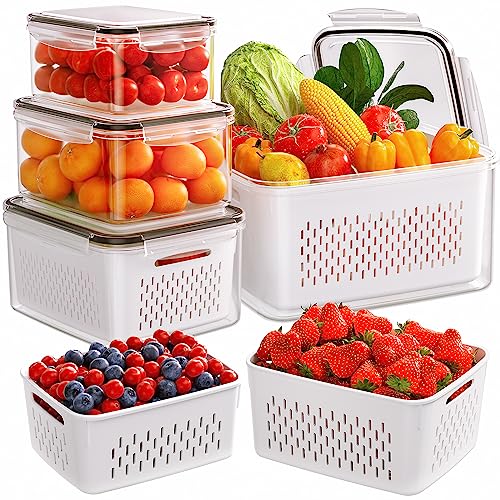
【5 Different Size & Large Capacity】 Upgrade fruit containers for fridge set include 5 pack of X-Large size 140 OZ(4.15L) + large size 106 OZ (3.15L) + medium size 57 OZ(1.7L) + small size 27 OZ(0.8L) +mini size 12 OZ(0.35L). Various capacities can perfectly fit for most fruits, veggies produce and other food storage.

PRODUCE STORAGE CONTAINER + COLANDER: This produce saver features an adjustable air vent & water reservoir to create the ideal environment for fresh fruits & vegetables, keeping them fresh longer.
Choosing The Right Container
Designate a container that promotes freshness. Use a deep bowl or large jar with straight sides. This shape minimizes the risk of crushing the leaves. Opt for a container with a lid to reduce exposure to light, which can lead to wilting. Make sure it’s clean to limit bacteria, enhancing your lettuce’s lifespan.
Water Temperature Considerations
Utilize cold water for storing lettuce. Cold water helps maintain the crisp texture and slows down wilting. Avoid hot or warm water, which can cause lettuce to wilt quickly. Change the water every 2 to 3 days to keep it fresh. If your lettuce starts looking limp, a quick soak in cold water restores its crunch.
Step-By-Step Guide
Follow these simple steps to keep your lettuce fresh in water.
Recommended Products

Freshness and Crispness: This vegetable and lettuce container maintains the natural humidity of your produce, keeping them fresh and crisp for longer. It's an excellent way to ensure that your vegetables don't go to waste and stay flavorful.

𝐊𝐞𝐞𝐩𝐬 𝐕𝐞𝐠𝐞𝐭𝐚𝐛𝐥𝐞𝐬 𝐅𝐫𝐞𝐬𝐡 𝐋𝐨𝐧𝐠𝐞𝐫: The Home-X salad keeper for refrigerator is designed to preserve the freshness of lettuce, broccoli, cauliflower, and more. It creates an ideal cold, moist storage environment to help your vegetables stay crisp and fresh for longer periods.

Better for different produce : You will get 4 sized fridge organizers and 4 matched colanders that could be used in the container or separate. Size from 0.32 L to 2.7 L [ 0.34 - 2.85 qt ]. Suited for berries, fruits, vegetables, meats
Preparing The Lettuce
- Remove any damaged or wilted outer leaves.
- Rinse the lettuce gently under cold running water.
- Shake off excess water, but don’t dry it completely.
- Cut the stems, if desired, to encourage freshness.
- Place lettuce in a bowl filled with cold water for a quick soak if it appears limp.
- Choose a large, deep container, such as a bowl or jar.
- Fill the container with cold water, ensuring it’s deep enough to submerge the stems.
- Arrange the lettuce in the container upright, avoiding overcrowding.
- Cover the container with a lid or plastic wrap to reduce light exposure.
- Change the water every 2 to 3 days to maintain freshness.
- Refrigerate the container to keep the lettuce cool and crisp.
This method keeps your lettuce vibrant and delicious for longer.
Common Mistakes To Avoid
Keeping lettuce fresh in water involves simple yet effective practices. However, certain mistakes can hinder your efforts. Here are common pitfalls and how to avoid them.
Recommended Products

Prolongs Freshness – Lettuce and vegetable crisper will keep your vegetables such as lettuce, broccoli and cauliflower fresh longer. Container provides an ideal cold, moist storage condition which maintains food’s natural humidity.

Tupperware lettuce crisper keeps lettuce fresh and flavorful

How to Use Fresh Herbs Keeper : (Wash herbs, parsley, coriander, mint, coriander, chives, dill, and asparagus) and place them inside the Herb Saver pod. Just combine them and put them in the base. Just add the right amount of fresh water to the base to soak the roots of the plants Be sure that the stems are submerged in water for maximum efficacy
Using Contaminated Water
Using contaminated water can lead to spoilage. Always start with clean, cold water. Tap water may contain chlorine or other chemicals that could impact the lettuce’s crispness. Consider using filtered or purified water for optimal freshness. It’s important to change the water every 2 to 3 days to prevent bacterial growth, ensuring your lettuce stays clean and vibrant.
Overcrowding The Container
Overcrowding the container limits airflow and causes bruising. When placing lettuce in water, ensure there’s enough space for each leaf to sit upright without crushing one another. Use a large, deep bowl or jar designed for this purpose. If you have more than one head of lettuce, separate them into different containers. This practice helps maintain their freshness longer and prevents wilting.
Conclusion
Keeping your lettuce fresh in water is a simple yet effective way to enjoy crisp and vibrant greens. By following the right techniques and tips you can significantly extend its lifespan and maintain its nutritional benefits.
Remember to choose the right container and keep an eye on water temperature. Regularly changing the water and avoiding overcrowding will help prevent wilting and spoilage.
With these easy steps you’ll find that fresh lettuce is always just a reach away making your healthy meals even more enjoyable. Happy crunching!
Frequently Asked Questions
How can I keep lettuce fresh after purchase?
Keeping lettuce fresh is easiest by storing it in water. Place the lettuce upright in a container filled with cold water and cover it to minimize light exposure. Change the water every 2 to 3 days to prevent wilting and bacterial growth.
What type of container should I use for storing lettuce in water?
Use a deep bowl or a large jar with straight sides to prevent crushing the leaves. A container with a lid is also helpful in reducing light exposure, which can contribute to wilting.
How does water temperature affect lettuce freshness?
Cold water helps maintain the crispness of lettuce and slows down wilting. It’s best to use cold or chilled water when storing your lettuce to enhance its longevity.
Can I revive wilted lettuce?
Yes, you can revive limp lettuce by giving it a quick soak in cold water for about 15-30 minutes. This can help restore its crunch and vibrant appearance.
What common mistakes should I avoid when storing lettuce in water?
Avoid using contaminated water and overcrowding the container, as this can limit airflow and cause bruising. Ensure each leaf has enough space to sit upright and consider using separate containers for multiple heads of lettuce.
