

Have you ever wanted to enjoy fresh, crisp lettuce right from your garden? Growing lettuce in a garden bed is not only rewarding but also surprisingly easy. Whether you’re a seasoned gardener or just starting out, this leafy green can thrive with the right care.
Key Takeaways
- Garden Bed Preparation: Choose a well-drained location with 6-8 hours of sunlight, and amend the soil with organic matter and fertilizers for optimal growth.
- Lettuce Varieties: Select from various lettuce types, such as Leaf, Romaine, and Butterhead, based on flavor preferences and growing conditions to enhance your garden’s diversity.
- Planting Techniques: Direct sow seeds in shallow rows or transplant seedlings started indoors 4-6 weeks before the last frost for a continuous harvest throughout the season.
- Maintenance Essentials: Keep soil consistently moist, use slow-release fertilizers, and monitor for pests and diseases to ensure healthy lettuce growth.
- Harvesting Tips: Collect leaves when they reach about 4-6 inches, prioritize morning harvesting for the best flavor, and store harvested lettuce properly to maintain freshness.
Preparing Your Garden Bed
Preparing your garden bed is essential for growing healthy lettuce. It ensures optimal conditions for germination and growth, setting you up for success.
Recommended Products

Feed the soil not the plants - stimulate microbial activity in your soil and boost probability of success with all types of plants… like composting but faster

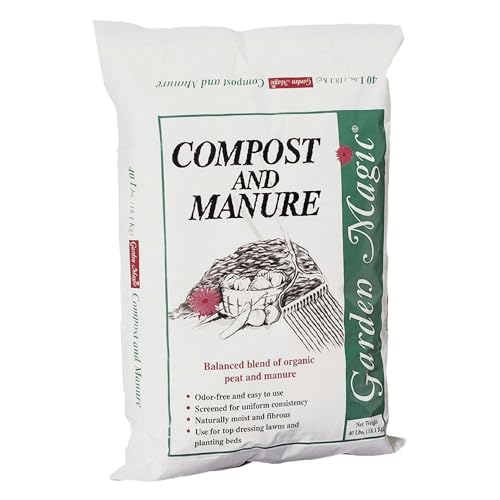
Organic Compost Blend: Enhance the nutrient content and soil quality of lawns and raised garden beds with this organic blend, promoting healthy plant growth and soil vitality
Choosing the Right Location
Choose a location that receives at least 6 to 8 hours of sunlight daily. Lettuce thrives in full sun, but partial shade can also work, especially in hotter climates. Select a spot that’s sheltered from strong winds to protect delicate leaves. Check for accessibility to water sources so you can easily maintain hydration.
Soil Preparation
Test your soil’s pH to aim for a range between 6.0 and 7.0. This balance supports nutrient uptake. Loosen the soil to a depth of at least 12 inches for proper root development. Add organic matter, like compost or aged manure, to enhance fertility and drainage. Mix in a slow-release fertilizer tailored for vegetable gardens to nourish your plants throughout the growing season. After amending the soil, rake it smooth, removing any rocks or debris to create a clean planting surface.
Selecting Lettuce Varieties
Choosing the right lettuce variety enhances your gardening success. Different types offer unique flavors and textures. Understand these to find the best fit for your garden bed.
Types of Lettuce
- Leaf Lettuce: This variety includes loose-leaf types with tender leaves. Examples are ‘Butterhead’ and ‘Red Leaf.’ These grow quickly and are easy to harvest.
- Romaine Lettuce: Known for its crisp texture, romaine lettuce, like ‘Paris Island,’ provides a crunchy bite. It’s versatile in salads and sandwiches.
- Butterhead Lettuce: Butterhead varieties, such as ‘Boston’ and ‘Bibb,’ feature soft, round leaves. They’re sweet and delicate, ideal for salads.
- Crisphead Lettuce: Also known as iceberg lettuce, varieties like ‘Iceberg’ form dense heads. They’re crisp and refreshing, perfect for slaws and crispy salads.
- Stem Lettuce: This unique type, like ‘Asparagus Lettuce,’ has edible stems and leaves. It offers a milder flavor and adds diversity to your garden.
- Buttercrunch: A robust hybrid, Buttercrunch thrives in various conditions. Expect tender leaves with a rich flavor. It’s adaptable and grows well in spring and fall.
- Red Romaine: Known for its striking color, Red Romaine adds visual appeal. This variety resists bolting and grows well in warmer temperatures.
- Little Gem: Compact and delicious, Little Gem reaches only 4-6 inches tall. It’s perfect for small spaces and produces sweet, crunchy leaves.
- Salad Bowl: This versatile leaf lettuce offers frilly, tender leaves. It tolerates heat well and can be harvested continuously for fresh salads.
- Merveille de Quatre Saisons: This French heirloom, also called ‘Marvel of Four Seasons,’ combines a unique flavor with resistance to bolting. It produces beautiful, green-red leaves.
Selecting the right lettuce varieties according to your taste preferences and growing conditions will ensure a productive and satisfying gardening experience.
Planting Lettuce
Planting lettuce requires careful attention to detail, ensuring healthy growth. Follow these steps for a successful lettuce garden.
Sowing Seeds
Sow seeds directly into the soil for best results. Start when soil temperatures reach 40°F to 70°F.
- Prepare Rows: Create shallow rows in the garden bed, 12 to 18 inches apart.
- Spacing Seeds: Sow seeds about ¼ to ½ inch apart. Don’t overcrowd; give them room to grow.
- Cover Seeds: Lightly cover seeds with soil, about 1/4 inch deep.
- Water: Mist the soil gently to keep it moist, but avoid soaking.
- Thin Seedlings: Once seedlings reach 2 inches tall, thin them to 4 to 6 inches apart to promote airflow and development.
Repeat seeding every two to three weeks for a continuous harvest. This approach ensures fresh lettuce throughout the growing season.
Transplanting Seedlings
Transplanting seedlings allows you to start lettuce indoors before moving outside.
- Timing: Start seedlings indoors 4 to 6 weeks before the last frost date.
- Choosing Containers: Use seed trays or small pots with drainage holes for healthy root development.
- Soil: Fill containers with seed-starting mix, providing a nutrient-rich environment.
- Planting Depth: Plant seeds ¼ inch deep in the soil.
- Light and Water: Place trays in a spot with 12 to 16 hours of light each day. Keep the soil consistently damp, not soggy.
- Harden Off: One week before transplanting, gradually expose seedlings to outdoor conditions. Start with a few hours a day, increasing exposure gradually.
- Transplanting: Once seedlings have 2 to 4 true leaves and outdoor conditions are suitable, transplant them into the garden bed, spacing them 4 to 6 inches apart.
- Post-Transplant Care: Water immediately after transplanting, maintaining soil moisture as young plants establish.
This method provides vigorous seedlings, boosting your overall yield.
Maintaining Your Lettuce
Maintaining lettuce in your garden bed is essential for healthy growth and a bountiful harvest. Focus on watering, fertilization, and pest management to keep your plants thriving.
Recommended Products

NO MORE HARD INSTALLATION - SET UP IN MINUTES. Tired of struggling with stiff barbed fittings? This drip irrigation system features quick-connect fittings that let you push, lock, and secure tubing effortlessly. No tools, no leaks, just a smooth setup experience. Enjoy a frustration-free installation and get your garden watering system running in minutes.
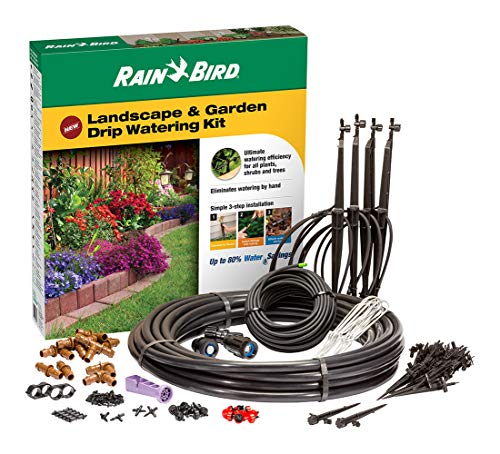
Comprehensive 108-piece kit for flower beds, gardens and landscaped areas; eliminates hand watering, saves time and money

Hybrid Design - 1/4" Quick Connected with 360°Automatic Irrigation: this kit combines two of the most trending watering technologies in one system: 360° curved bendable misting nozzles for adjustable directional misting; Quick-connect drip sprinkler system with vortex & 8-hole stream design for stable and efficient watering. This hybrid design makes it a versatile micro drip irrigation system for modern gardens.
Watering Requirements
Water your lettuce consistently to support proper growth. Soil should remain moist but not soggy. Aim for about 1 inch of water weekly, adjusting for weather conditions. Use a soaker hose or drip irrigation to deliver water directly to the roots while minimizing leaf wetness. Check the soil moisture regularly; if the top inch feels dry, it’s time to water. Morning watering is ideal as it reduces evaporation and fungal diseases.
Fertilization Tips
Fertilize your lettuce to ensure nutritional needs are met. Apply a balanced, slow-release fertilizer at planting, following package instructions for dosage. As lettuce grows, side-dress with a nitrogen-rich fertilizer every 4 to 6 weeks to promote leafy growth. Avoid over-fertilization; too much nitrogen can lead to poor flavor and bolting. Always follow up with watering after applying fertilizer to encourage nutrient absorption.
Pest and Disease Management
Monitor your lettuce for pests and diseases. Common pests include aphids, slugs, and snails. Use row covers to protect young seedlings and set traps for slugs. Hand-pick visible pests and apply insecticidal soap if infestations occur. For diseases like downy mildew, ensure proper spacing between plants for airflow. Rotate crops annually to reduce disease buildup in the soil. Always keep your garden tidy by removing debris that can harbor pests or pathogens.
Harvesting Lettuce
Harvesting lettuce at the right time maximizes flavor and texture. You can enjoy a continuous supply of fresh lettuce by observing a few key signs that signal readiness.
Signs of Readiness
- Leaf Size: Aim for leaves to reach about 4 to 6 inches in length. Smaller, tender leaves are often tastier.
- Color: Look for vibrant, rich color. Green and vibrant leaves indicate good health and flavor.
- Texture: Check for crispness. Leaves should feel firm, not wilty or limp.
- Variety Traits: Be mindful of specific varieties. For instance, romaine and crisphead types typically need more growth time than leaf varieties.
- Harvesting Method: Use sharp scissors or garden shears to cut the outer leaves. Always harvest in the morning for the best taste and crispness.
- Cutting Technique: Cut leaves about 1-2 inches above the soil line. This encourages regrowth for a second harvest.
- Timing: Aim to harvest when temperatures are cool, ideally in the morning or late afternoon. This prevents wilting and retains moisture.
- Cleaning: Rinse harvested lettuce gently in cool water to remove dirt and insects. Pat dry with a clean cloth or salad spinner.
- Storage: Store leaves in a breathable bag in the refrigerator. Keeping lettuce cool prolongs freshness for up to a week.
Following these practices ensures a successful and delicious lettuce harvest while promoting healthy regrowth in your garden bed.
Conclusion
Growing lettuce in your garden bed can be a truly rewarding experience. With the right care and attention you’ll not only enjoy fresh and flavorful greens but also cultivate a sense of accomplishment. Remember to choose your favorite varieties and keep an eye on their needs throughout the growing season.
Whether you’re a seasoned gardener or just starting out your journey you’ll find that lettuce is forgiving and adaptable. By following the simple steps outlined you can create a thriving garden bed that yields delicious lettuce. So roll up your sleeves and get started on your lettuce-growing adventure. You won’t regret it!
Frequently Asked Questions
What are the benefits of growing lettuce in a garden bed?
Growing lettuce in a garden bed allows for fresh, homegrown produce that is nutritious and tasty. It’s an easy crop for both beginners and experienced gardeners, providing quick results and a sense of accomplishment. Additionally, gardening can be a rewarding hobby that enhances mental well-being.
How much sunlight does lettuce need?
Lettuce thrives best in full sunlight, needing about 6 to 8 hours daily. Choosing a location that receives enough sunlight will promote healthy growth and enhance the flavor of the leaves.
What is the ideal pH for lettuce soil?
The ideal soil pH for growing lettuce ranges from 6.0 to 7.0. Testing and adjusting the soil pH ensures optimal nutrient availability necessary for healthy lettuce growth.
How do I prepare the soil for growing lettuce?
To prepare the soil for lettuce, loosen it to allow for root development, add organic matter, and include a slow-release fertilizer to boost fertility and drainage. This preparation creates optimal conditions for germination and growth.
What are the best lettuce varieties to grow?
Popular lettuce varieties include Butterhead (like ‘Boston’), romaine (such as ‘Paris Island’), leaf lettuce (like ‘Red Leaf’), crisphead (iceberg types), and stem lettuce (like ‘Asparagus Lettuce’). Choosing varieties based on personal taste and growing conditions is crucial for success.
When should I sow lettuce seeds?
Lettuce seeds should be sown directly into the soil when the temperature is between 40°F and 70°F. This ensures that the seeds germinate properly and grow healthily.
How do I care for lettuce seedlings?
Water the seedlings consistently to keep the soil moist but not soggy. Thin them out as needed for better airflow, and fertilize with a balanced, slow-release fertilizer around planting time.
How do I transplant lettuce seedlings?
Start seedlings indoors 4 to 6 weeks before the last frost. Choose suitable containers, prepare the soil, and ensure they receive adequate light and water. Gradually harden them off before transplanting to the garden.
What is the best way to harvest lettuce?
Harvest lettuce when leaves are 4 to 6 inches long. Use sharp scissors to cut outer leaves in the morning and leave about 1-2 inches above the soil for regrowth. Store harvested leaves in a breathable bag in the refrigerator.
How do I prevent pests and diseases on my lettuce?
Monitor lettuce plants regularly for pests like aphids and slugs. Use row covers, maintain proper spacing, and ensure good airflow to help prevent diseases. Early detection and management will protect your lettuce crop.
