

Have you ever picked fresh lettuce only to watch it wilt in the fridge a few days later? It’s frustrating to see your hard work go to waste. Storing lettuce properly can make all the difference in keeping it crisp and delicious for longer.
Key Takeaways
- Proper Preparation is Key: Clean and dry your lettuce thoroughly to remove excess moisture, which can lead to spoilage.
- Ideal Storage Temperature: Keep your fridge between 32°F and 36°F to maximize freshness and slow decay.
- Choose the Right Container: Use perforated bags or containers with vents and add a paper towel to absorb moisture, preventing wilting.
- Avoid Overpacking: Ensure sufficient space in your storage container to allow for air circulation and prevent bruising of the leaves.
- Know Your Lettuce Types: Understanding the variety of lettuce helps you select the best storage method for each type, maintaining their unique textures and flavors.
- Regular Temperature Checks: Monitor your fridge temperature regularly to ensure optimal storage conditions for your fresh-picked lettuce.
Understanding Fresh Picked Lettuce
Understanding fresh picked lettuce helps you maintain its crispness and flavor in your fridge. Knowing the types and the nutritional benefits strengthens your ability to store it effectively.
Types of Lettuce
Different types of lettuce offer unique textures and flavors. Here are some common varieties you might encounter:
- Romaine: Crisp with a slightly bitter flavor, perfect for salads and sandwiches.
- Butterhead: Soft and buttery leaves, ideal for salads.
- Iceberg: Adaptable and crunchy, often used in burgers and salads.
- Leaf: Tender and mild, used in a variety of dishes.
Recognizing various types of lettuce helps you choose the best storage method to keep them fresh.
Nutritional Benefits
Fresh picked lettuce provides numerous health benefits. Here’s a breakdown of its key nutritional components:
- Low in Calories: Lettuce typically contains 5-15 calories per cup, making it a great option for weight management.
- High in Vitamins: Lettuce is rich in vitamins A, C, and K, supporting your immune system and bone health.
- Hydration: With a water content of 90%, it helps keep your body hydrated.
- Fiber: Contains dietary fiber that aids digestion.
Incorporating fresh picked lettuce into your meals enhances both nutrition and flavor.
Preparing Lettuce for Storage
Properly preparing your fresh-picked lettuce ensures it stays crisp and flavorful for longer. Follow these steps to get your lettuce ready for the fridge.
Recommended Products

Maximum Lettuce-Drying, Minimum Effort: Use the OXO Salad Spinner's one-handed pump to thoroughly dry greens, beans, even use it as a fruit washer. The salad spinners best rated always include a superior rinse, spin, and dry like ours

One-Touch OXO Salad Spinner: Did you know that OXO invented the one-touch salad spinner? Its one-handed pump gives you maximum drying of lettuce with minimum effort

COMPACT SALAD SPINNER, BIG PERFORMANCE — Small salad spinner packs full-size drying power in a space-saving design. One-hand pump spins lettuce, herbs & greens dry in seconds. Best rated by thousands. Perfect for apartments, couples & small kitchens.
Cleaning the Lettuce
- Remove any damaged leaves. Inspect the lettuce and discard wilted or brown leaves.
- Rinse under cool, running water. This removes dirt and insects effectively.
- Use a salad spinner or drain in a colander. Allow excess water to run off or be removed.
- Pat the leaves dry with clean kitchen towels. Ensure no moisture remains, as excess water can lead to spoilage.
- Use a salad spinner for efficient drying. Give it a few spins until the leaves are mostly dry.
- Let the leaves air dry for a few minutes. Place them on a clean surface to ensure thorough drying.
These steps prepare your lettuce for optimal storage, keeping it fresh and ready to enjoy in salads and other dishes.
Best Storage Practices
Storing fresh-picked lettuce properly helps maintain its crispness and flavor. Following specific practices ensures maximum freshness from your harvest.
Recommended Products

Freshness and Crispness: This vegetable and lettuce container maintains the natural humidity of your produce, keeping them fresh and crisp for longer. It's an excellent way to ensure that your vegetables don't go to waste and stay flavorful.

PRODUCE STORAGE CONTAINER + COLANDER: This produce saver features an adjustable air vent & water reservoir to create the ideal environment for fresh fruits & vegetables, keeping them fresh longer.

𝐊𝐞𝐞𝐩𝐬 𝐕𝐞𝐠𝐞𝐭𝐚𝐛𝐥𝐞𝐬 𝐅𝐫𝐞𝐬𝐡 𝐋𝐨𝐧𝐠𝐞𝐫: The Home-X salad keeper for refrigerator is designed to preserve the freshness of lettuce, broccoli, cauliflower, and more. It creates an ideal cold, moist storage environment to help your vegetables stay crisp and fresh for longer periods.
Ideal Temperature Range
Keep your fridge’s temperature between 32°F and 36°F. This temperature range prevents wilting while slowing decay. Check the temperature regularly, as different fridge models may vary slightly. A thermometer can help monitor temperatures accurately.
Choosing the Right Container
Select a container that allows airflow without trapping moisture. Use a perforated plastic bag or a container with vents. Place a dry paper towel inside to absorb excess moisture. Avoid sealing lettuce tightly, as this can lead to condensation and spoilage. Store your lettuce in the crisper drawer for optimal humidity and coolness.
Common Mistakes to Avoid
Avoiding mistakes in storing fresh-picked lettuce ensures it stays crisp and flavorful. Here are key pitfalls to avoid.
Recommended Products
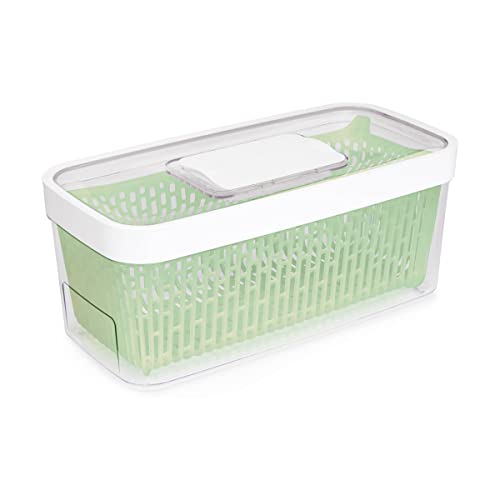
GreenSaver Produce Keeper prevents fruits and vegetables from spoiling too quickly

5 packs : You will get 5 fridge storage containers with colander size from 300 ml to 4200 ml [10 oz - 148 oz ]. Suited for Most fruits, vegetables, berries, meats.
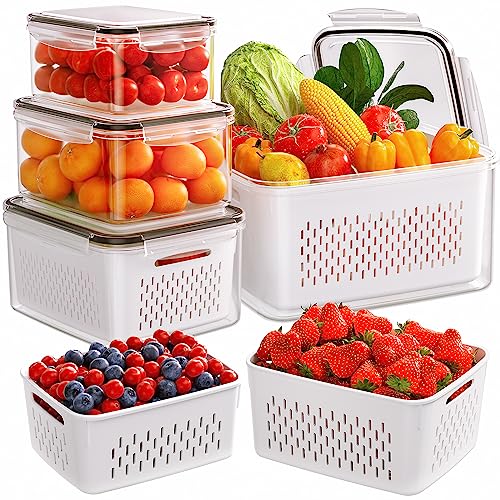
【5 Different Size & Large Capacity】 Upgrade fruit containers for fridge set include 5 pack of X-Large size 140 OZ(4.15L) + large size 106 OZ (3.15L) + medium size 57 OZ(1.7L) + small size 27 OZ(0.8L) +mini size 12 OZ(0.35L). Various capacities can perfectly fit for most fruits, veggies produce and other food storage.
Overpacking the Storage
Overpacking can crush the leaves and lead to bruising. Use enough space in the container to allow for air circulation. Aim for a single layer if possible. If you have a large amount of lettuce, divide it into multiple containers. This method keeps the leaves intact and prevents excess moisture accumulation.
Neglecting Temperature Control
Temperature control is crucial for maintaining lettuce freshness. Keep your fridge between 32°F and 36°F for optimal results. If the temperature rises above this range, lettuce wilts faster. Place a thermometer in your fridge if you’re unsure of the temperature. Adjusting the setting can significantly prolong the life of your lettuce.
Conclusion
By following these simple storage tips you can enjoy fresh-picked lettuce for longer. Keeping it crisp and flavorful not only enhances your meals but also helps you make the most of your gardening efforts.
Remember to prepare your lettuce properly and choose the right storage methods to avoid common pitfalls. With a little attention to detail your lettuce will stay fresh and vibrant ready for salads sandwiches or any dish you have in mind.
So go ahead and savor that delicious crunch knowing you’ve got the best storage practices in place. Happy eating!
Frequently Asked Questions
Why does my lettuce wilt quickly in the fridge?
Fresh lettuce wilts due to exposure to excess moisture or improper storage. Keeping it in a vented container and at the right fridge temperature (32°F to 36°F) helps maintain its crispness.
What types of lettuce are best for storage?
Romaine, Butterhead, Iceberg, and Leaf are popular types of lettuce. Each has unique textures and flavors, and proper storage methods can help enhance and prolong their freshness.
How can I prepare lettuce for storage?
To prepare lettuce, remove any damaged leaves, rinse it under cool water, and dry it thoroughly using a salad spinner or kitchen towels. This helps prevent moisture buildup and keeps it crisp.
What are the best storage practices for lettuce?
Store lettuce in a perforated plastic bag or vented container with a dry paper towel to absorb moisture. Keep it in the crisper drawer of the fridge for optimal humidity and temperature control.
What common mistakes should I avoid when storing lettuce?
Avoid overpacking storage containers, as this can bruise the leaves. Additionally, ensure there is enough air circulation and keep your fridge within the optimal temperature range of 32°F to 36°F to prolong freshness.
