

Are you struggling to keep your potted lettuce thriving? You’re not alone! Many gardeners face the challenge of watering their container plants just right. Too little water can leave your lettuce wilted, while too much can drown those delicate roots.
Key Takeaways
- Proper Watering is Essential: Adequate moisture levels boost growth, flavor, and disease resistance in potted lettuce.
- Monitor Soil Moisture: Regularly check soil moisture to prevent over or underwatering by inserting your finger about an inch deep.
- Establish a Watering Schedule: Water lettuce every 2-3 days, adjusting based on temperature and pot size to maintain consistent moisture.
- Choose Effective Watering Methods: Utilize both top and bottom watering techniques to ensure proper hydration and root health.
- Avoid Common Mistakes: Be mindful of overwatering, underwatering, and weather changes to keep your lettuce thriving.
- Quality Soil Matters: Use a high-quality potting mix that promotes drainage while retaining moisture for optimal growth.
Importance Of Proper Watering For Lettuce
Proper watering plays a crucial role in the health and growth of lettuce in pots. Adequate moisture levels promote robust growth, vibrant color, and crisp texture. Inadequate watering stresses the plant, leading to wilting and slower development. On the other hand, overwatering suffocates roots and can cause rot, leading to a decline in health.
Benefits Of Appropriate Watering
- Enhanced Growth: Consistent watering allows lettuce to absorb necessary nutrients effectively.
- Improved Flavor: Well-hydrated lettuce tends to have a sweeter and crisper taste.
- Disease Resistance: Healthy moisture levels help lessen the risk of fungal diseases and pests.
Signs Of Underwatering
- Wilting Leaves: Leaves droop and lose their firmness.
- Browning Edges: Tips of leaves turn brown and may appear dry.
- Slow Growth: Overall growth slows down, affecting the size and yield.
Signs Of Overwatering
- Yellow Leaves: Leaves turn yellow and may develop spots.
- Root Rot: Roots appear mushy or black, indicating decay.
- Mold Growth: Surface mold or a foul smell can indicate excess moisture.
- Monitor Soil Moisture: Stick your finger into the soil about an inch deep to check for moisture. Water if it feels dry.
- Water Deeply: Water thoroughly until it drains from the bottom. This encourages deep root growth.
- Establish a Schedule: Watering every 2-3 days is often sufficient, but adjust based on temperature and humidity.
- Use Moisture-Absorbing Soil: Consider potting mixes with good drainage and moisture-retaining qualities.
By understanding the importance of proper watering techniques, you can cultivate healthy, thriving lettuce plants in your pots.
Best Practices For Watering Lettuce In Pots
Proper watering practices ensure your potted lettuce remains healthy and vibrant. Keeping soil moisture in check and understanding your plants’ needs plays a crucial role in their success.
Recommended Products

Accurate Soil Moisture Detection: The XLUX Soil Moisture Meter can tell you if the soil deep inside your pot or garden is dry, moist or wet; whereas your eyes and fingers can only determine the moisture level of the soil surface. The probe is 5.5 inches (14 cm) longer than regular styles, allowing it to measure the soil moisture at the bottom of larger and deeper flower pots.

【Instant & Accurate Moisture Reading, No More Guesswork】 This plant moisture meter gives precise soil moisture readings in seconds! The responsive pointer instantly tells you if soil is dry, moist, or wet. It helps avoid overwatering & root rot, letting you water plants like a pro with confidence
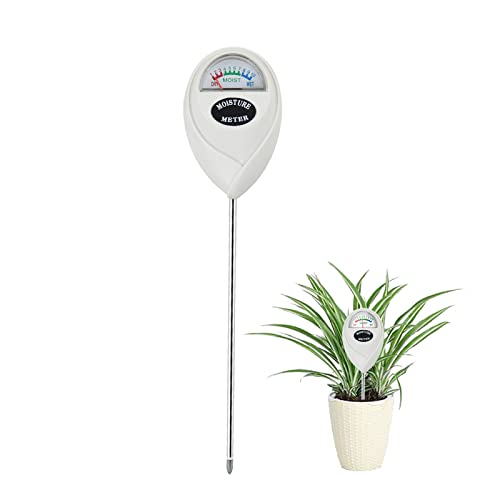
【SAVE YOUR PLANTS】: Over watering can cause problems with your plants or even kill them. This soil moisture meter helps you know the soil is dry, moist or wet.No more over watering!
Understanding Soil Moisture
Check soil moisture regularly. Insert your finger about an inch into the soil. If it feels dry, it’s time to water. If it’s damp, wait a few days before checking again. You can also use a moisture meter for more precise readings. The ideal moisture level keeps the soil consistently moist but not soggy. Consider using a well-draining potting mix that retains moisture while allowing excess water to escape.
Frequency Of Watering
Set a watering schedule based on weather conditions. Typically, water lettuce every 2-3 days during warm weather. In cooler temperatures, you might water every 4-7 days. Watch for weather changes; hot spells may require more frequent watering. Water deeply, ensuring moisture reaches the root zone. This helps promote deep root growth and overall plant health. Adjust your schedule according to the size of your pots; larger pots may retain moisture longer, reducing the frequency of watering.
Methods Of Watering Lettuce
Watering lettuce in pots requires specific techniques to ensure optimal growth. Techniques include top watering and bottom watering, each with unique benefits.
Top Watering Techniques
Top watering involves pouring water directly onto the soil surface. This method efficiently hydrates the soil. Here are some effective top watering techniques:
- Use a watering can: A watering can provides controlled flow, preventing soil displacement.
- Water slowly: Pour water in a steady stream, allowing it to soak into the soil gradually.
- Target the base of the plant: Focus on the soil around the lettuce’s base, avoiding excessive moisture on the leaves to prevent diseases.
- Check for runoff: Ensure water seeps through the drainage holes to guarantee thorough soil saturation.
Bottom Watering Advantages
Bottom watering delivers water from beneath the pot, promoting healthy root growth. Benefits include:
- Consistent moisture: This method helps maintain uniform moisture levels throughout the soil.
- Reduced leaf wetness: It minimizes water on leaves, decreasing the risk of fungal diseases.
- Encouragement of deep root systems: Roots grow deeper in search of water, improving plant stability and nutrient uptake.
- Environmental efficiency: It conserves water by allowing the soil to absorb exactly what it needs without wastage.
Utilizing these methods ensures your potted lettuce receives the appropriate hydration, promoting robust growth and vibrant leaves.
Common Mistakes To Avoid
Avoiding common mistakes ensures healthy and thriving lettuce in pots.
- Overwatering
Avoid excessive watering, which suffocates roots. Roots need oxygen for growth. Symptoms of overwatering include yellowing leaves and root rot. - Underwatering
Avoid letting the soil dry out completely. Signs of underwatering include wilting leaves and stunted growth. Consistent moisture maintains lettuce vitality. - Ignoring Weather Changes
Avoid sticking to a rigid watering schedule regardless of weather. Adjust your routine based on temperature and humidity. Hot weather demands more frequent watering compared to cooler days. - Watering at the Wrong Time
Avoid watering during the hottest part of the day. Watering early morning or late afternoon prevents rapid evaporation, ensuring better absorption. - Using Poor-Quality Soil
Avoid low-quality potting soil. Choose a mix that drains well yet retains moisture. High-quality soil supports root development and provides essential nutrients. - Neglecting Drainage
Avoid using pots without drainage holes. Proper drainage prevents water from accumulating at the bottom, reducing the risk of root rot. - Watering the Foliage
Avoid getting water on the lettuce leaves. Wet leaves increase the risk of fungal diseases. Instead, focus on watering directly at the base of the plant. - Not Monitoring Moisture Levels
Avoid watering blindly. Regularly check moisture levels using your finger or a moisture meter. Making adjustments based on soil condition promotes robust plant growth.
Recommended Products
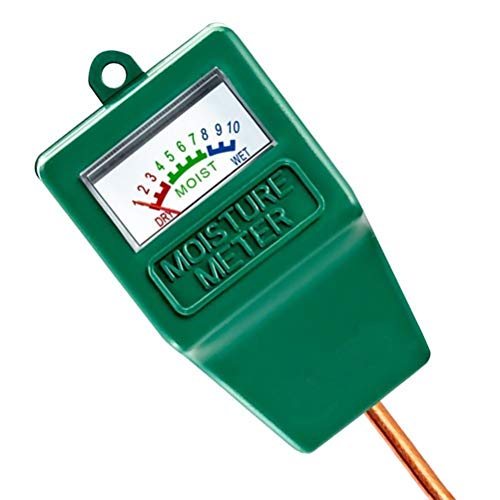
Soil Moisture Meter: This single probe soil moisture meter is specially designed for testing the moisture level in the soil, helps you decide whether the plants need water or not, helps to keep plants alive.

Dimensions: 7.09 x 0.39 x 0.31 inches (medium) - Intended for pot sizes of 3.5, 4, 5, and 6
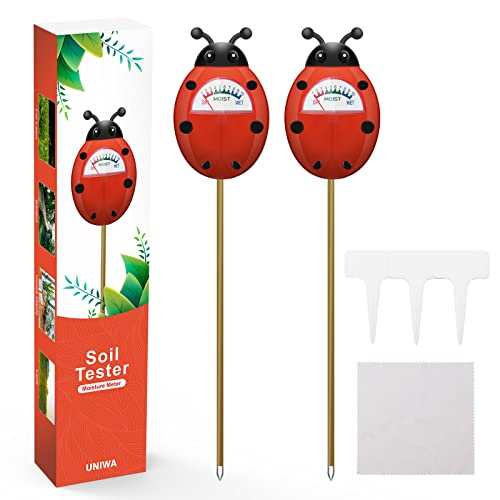
【ACCURATE & WIDELY 】APPLICABLE: the premium double-needle detection technology enhances the speed and accuracy of all readings.You can easily carry this portable soil pH tester around for indoor or outdoor use, so you know when to water your plants
Conclusion
Watering your potted lettuce doesn’t have to be a daunting task. By keeping an eye on soil moisture and adjusting your watering routine based on the weather and pot size, you can set your lettuce up for success. Remember to choose the right watering technique that suits your needs, whether it’s top or bottom watering.
With a little practice and attention, you’ll soon have vibrant, crisp lettuce ready for your salads. So grab your watering can and enjoy the rewarding experience of growing your own greens. Happy gardening!
Frequently Asked Questions
What are the signs of underwatering potted lettuce?
Underwatering potted lettuce is often indicated by wilting leaves, dry soil, and slow growth. If you notice these signs, it’s essential to adjust your watering routine to maintain sufficient moisture and support healthy growth.
What are the signs of overwatering potted lettuce?
Overwatering can be identified by yellowing leaves, mushy roots, and a foul odor from the soil. If you see these signs, it’s crucial to reduce watering and improve drainage to prevent root rot and other issues.
How often should I water potted lettuce?
Generally, potted lettuce should be watered every 2-3 days during warm weather and every 4-7 days in cooler conditions. Adjust the schedule based on temperature and humidity to maintain consistent moisture without overwatering.
What is the best method for watering potted lettuce?
Both top watering and bottom watering are effective methods for potted lettuce. Top watering involves watering the soil surface, while bottom watering allows the pot to absorb water from underneath, promoting deep root systems and reducing leaf wetness.
How can I monitor soil moisture for potted lettuce?
You can monitor soil moisture by inserting your finger into the soil up to the first knuckle; if it feels dry, it’s time to water. Alternatively, a moisture meter can provide a more accurate reading of soil moisture levels.
What mistakes should I avoid when watering potted lettuce?
Avoid overwatering, underwatering, ignoring weather changes, and watering too quickly, leading to runoff. Additionally, using poor-quality soil, neglecting drainage, and watering foliage can increase disease risk and hinder growth.
Why is proper watering important for potted lettuce?
Proper watering is crucial for potted lettuce as it promotes healthy growth, enhances flavor, and increases resistance to diseases. An ideal moisture balance helps prevent stress and ensures vibrant color and crisp texture in the leaves.
